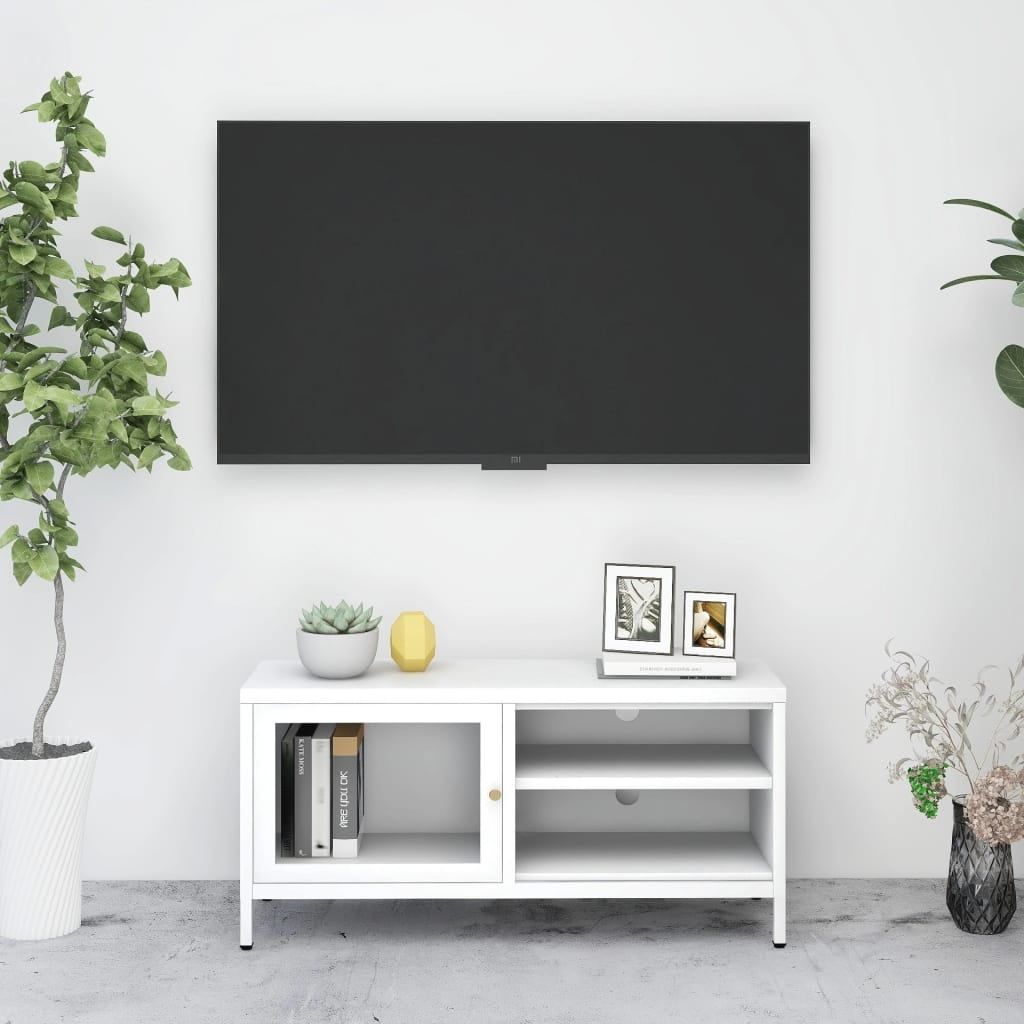
In today’s homes, the television isn’t just entertainment anymore—it’s a design statement. But how do you make sure your TV stand doesn’t look like it belongs in another decade? The secret lies in understanding how to blend functionality with aesthetics.
Every home has a story to tell, and the way you arrange your living space speaks volumes about your personality and taste. When it comes to modern interiors, the TV stand often becomes the unsung hero of the room. It’s not just about holding your screen—it’s about creating a focal point that harmonizes with everything else in your space. Whether you’re moving into a new place or redecorating your current one, the right TV stand can transform your room from merely functional to truly inviting. But what makes a TV stand work well in contemporary design? It’s not just about size or style—it’s about intention and integration.
Understanding Contemporary Design Principles
Contemporary interior design is all about clean lines, minimalism, and purposeful elements. The key is to let each piece contribute to the overall aesthetic rather than compete with it. Think of your TV stand as part of the room’s furniture family rather than something separate. Modern design favors simplicity, so avoid overly ornate or bulky stands. Instead, focus on pieces that offer both storage and visual appeal without overwhelming the space. The stand should feel like it belongs there naturally, not like it was dropped in from another era. A good rule of thumb: if you can’t see the TV stand from across the room without looking directly at it, you’ve probably found the right balance. Consider how the stand’s proportions relate to the room’s scale. A large, imposing stand might dominate a small room while feeling lost in a spacious one. The goal is harmony between form and function.
Material Selection and Texture Play
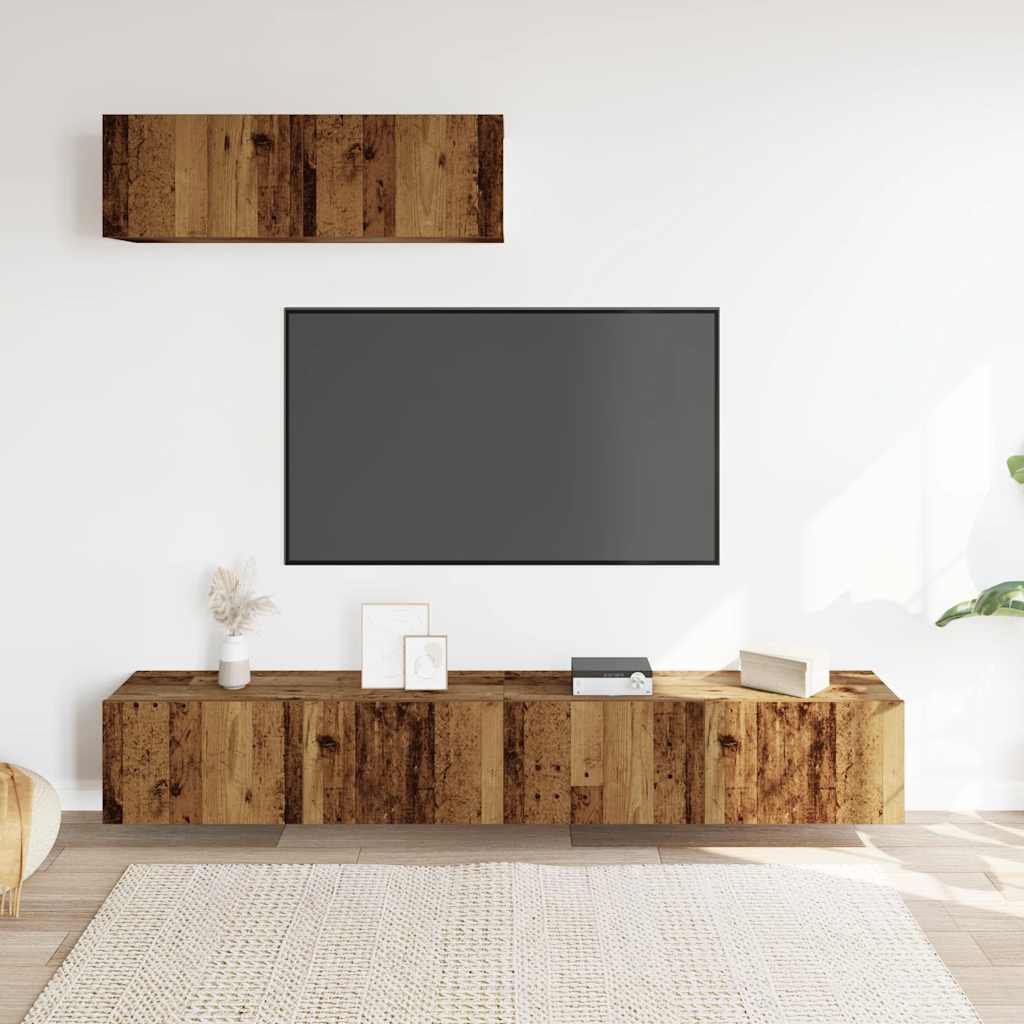
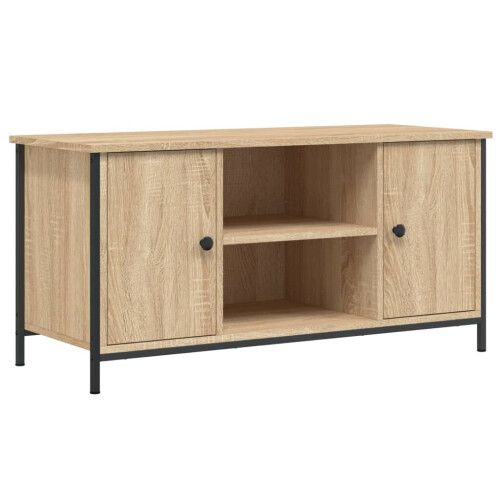
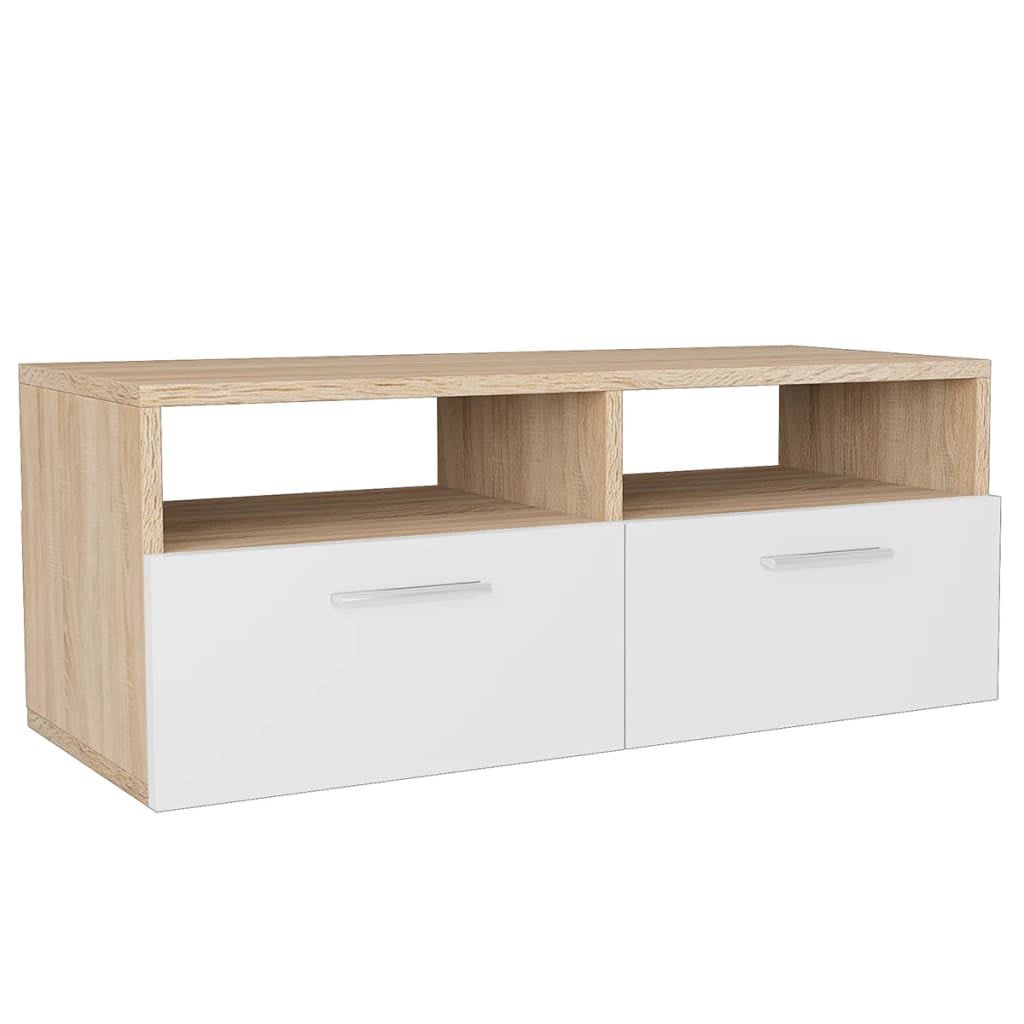
The materials you choose for your TV stand significantly impact how it integrates with your existing decor. Wood brings warmth and organic texture, making it perfect for modern spaces that want to balance sleek lines with natural elements. Metal offers industrial chic and can add a touch of sophistication to minimalist settings. Glass creates an airy, open feel that works well in smaller spaces. Consider how different textures interact with your room’s lighting and other surfaces. Matte finishes tend to be more forgiving in terms of showing fingerprints and dust, while glossy surfaces catch light beautifully but require more maintenance. For a cohesive look, try to match or complement the finish of other furniture pieces in the room. A dark wood stand might pair beautifully with light-colored walls and neutral tones. Or consider using contrasting materials to create visual interest. A sleek metal stand next to a wooden coffee table can create a dynamic but balanced look.
Proportions and Scale Matter
One of the most common mistakes when choosing a TV stand is ignoring the relationship between its size and the room. You wouldn’t put a massive dining table in a tiny kitchen, right? The same principle applies to TV stands. Measure your space carefully before purchasing. A general rule of thumb is that the stand should be no wider than 75% of your TV’s width. This prevents the stand from becoming visually overwhelming. The height is equally important. If your stand is too tall compared to your screen, it can create an unbalanced look. A good approach is to position the TV so that its center is at eye level when seated—a few inches above the seating area. This creates a natural viewing experience and helps the stand appear proportionally correct. Consider the entire room’s proportions too. A small apartment might benefit from a low, wide stand that draws the eye horizontally, while a large living room could accommodate a taller, more dramatic piece.
Color Coordination Strategies
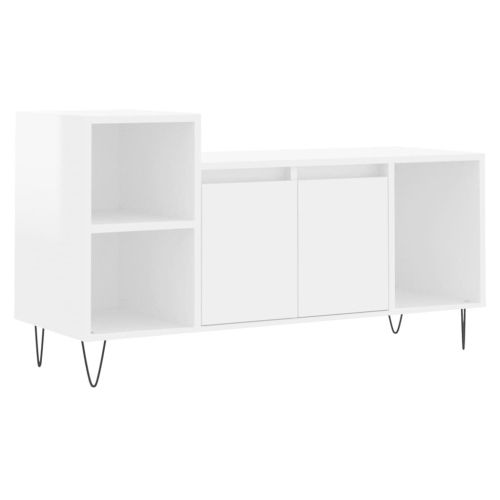
Choosing the right color for your TV stand is like selecting the perfect accent in a painting. It should enhance the overall palette without clashing. Neutral colors like white, black, gray, and beige tend to work well in contemporary settings because they’re versatile and don’t compete with other elements. But don’t shy away from bold colors if they complement your existing scheme. A deep navy blue stand can anchor a room with warm tones, while a crisp white might brighten a space with darker furniture. Think about how the stand will look in different lighting conditions throughout the day. Natural light can change how colors appear dramatically, so test your choice in various times of day. Consider the stand’s color in relation to your walls, flooring, and other major furniture pieces. Sometimes a slightly contrasting color can make the whole space feel more intentional and curated. You might even consider a stand that matches your accent chair or rug to tie the room together.
Storage Solutions and Organization
Modern life means we have more electronics and accessories than ever before. Your TV stand should handle this without looking cluttered. Look for stands with built-in storage solutions like drawers, shelves, and cabinets. These keep cables, remotes, and other essentials tucked away while maintaining a clean appearance. Consider the types of items you’ll store regularly. Do you need easy access to gaming consoles or streaming devices? Should your stand accommodate books, plants, or decorative objects? The organization should reflect your lifestyle. Some people prefer hidden storage for a pristine look, while others enjoy displaying carefully chosen items. Try to maintain a balance between functionality and visual appeal. Too much visible storage can make a room feel busy, but too little can lead to messy accumulation of items. Think about how often you’ll need to access different items. Frequently used things should be easily reachable, while seasonal or rarely used items can go in harder-to-reach spots.
Lighting Integration and Technology Considerations
Today’s living rooms often feature multiple light sources, and your TV stand should work with them rather than against them. Consider how ambient lighting affects the stand’s appearance and how it interacts with your TV’s display. A stand with dark wood or glossy surfaces might reflect light in ways that create unwanted glare on your screen. Position your stand thoughtfully regarding light sources. If you have windows nearby, think about how natural light hits the stand throughout the day. You might want to avoid placing a bright stand directly in front of a window where it could create reflections. Smart technology integration is another factor. Many modern stands include built-in cable management systems and power outlets. These features help maintain a clean, organized look. Consider whether you need charging stations for mobile devices or if you want the stand to accommodate smart home technology. The goal is to make the stand work as efficiently as possible while remaining visually pleasing.
Practical Tips for Room Integration
The final step in successful TV stand integration involves thinking about placement and movement within the room. Consider traffic flow and ensure there’s enough space around the stand for comfortable movement. You shouldn’t have to squeeze past furniture to reach the TV or walk around it to get to other areas. Think about how the stand affects the room’s overall balance. Is it creating a visual center that draws attention appropriately? Does it complement the room’s existing focal points? Consider the stand’s role in the room’s hierarchy. It should enhance the space’s purpose without overshadowing it. For example, if your room is designed for conversation, the stand shouldn’t block sightlines between seating areas. Test your arrangement by walking around the room and observing how everything looks from different angles. You might find that adjusting the stand’s position by just a few inches creates a much more pleasing composition. Remember to account for future changes too—will the stand still work if you upgrade your TV or add new furniture?
Integrating a TV stand into contemporary interiors isn’t about following rigid rules—it’s about creating a thoughtful balance between form and function. The right stand should feel like a natural extension of your living space, not an afterthought. By considering factors like material, scale, color, and organization, you can choose a stand that enhances rather than disrupts your room’s design. Remember that good design is ultimately about personal comfort and expression. What matters most is that your TV stand reflects your lifestyle and supports your daily activities while contributing positively to your home’s overall aesthetic. Take your time with the selection process. The investment in finding the right stand pays off not just in visual appeal but in the everyday joy of having a space that feels truly yours. A well-chosen TV stand can transform a simple room into a sophisticated environment that invites both relaxation and conversation.