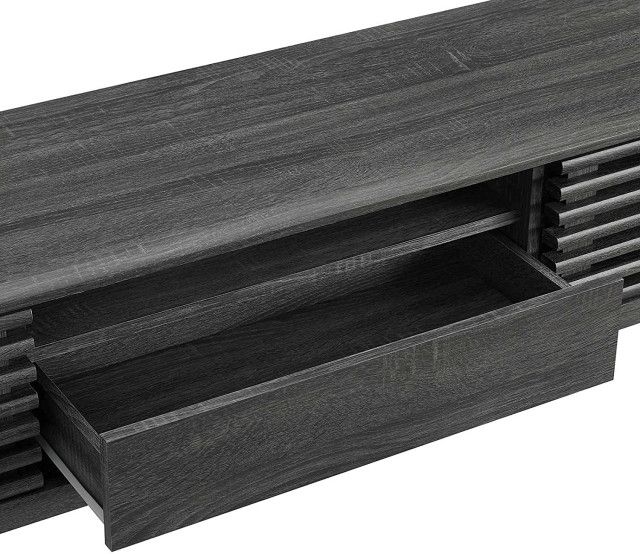
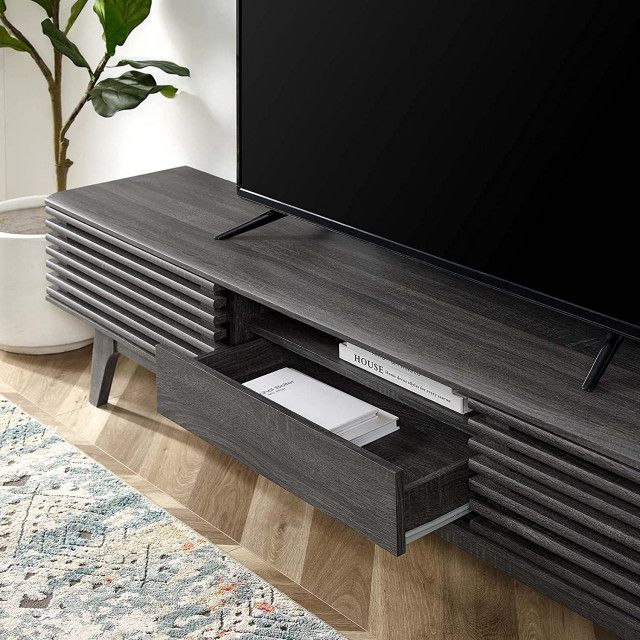
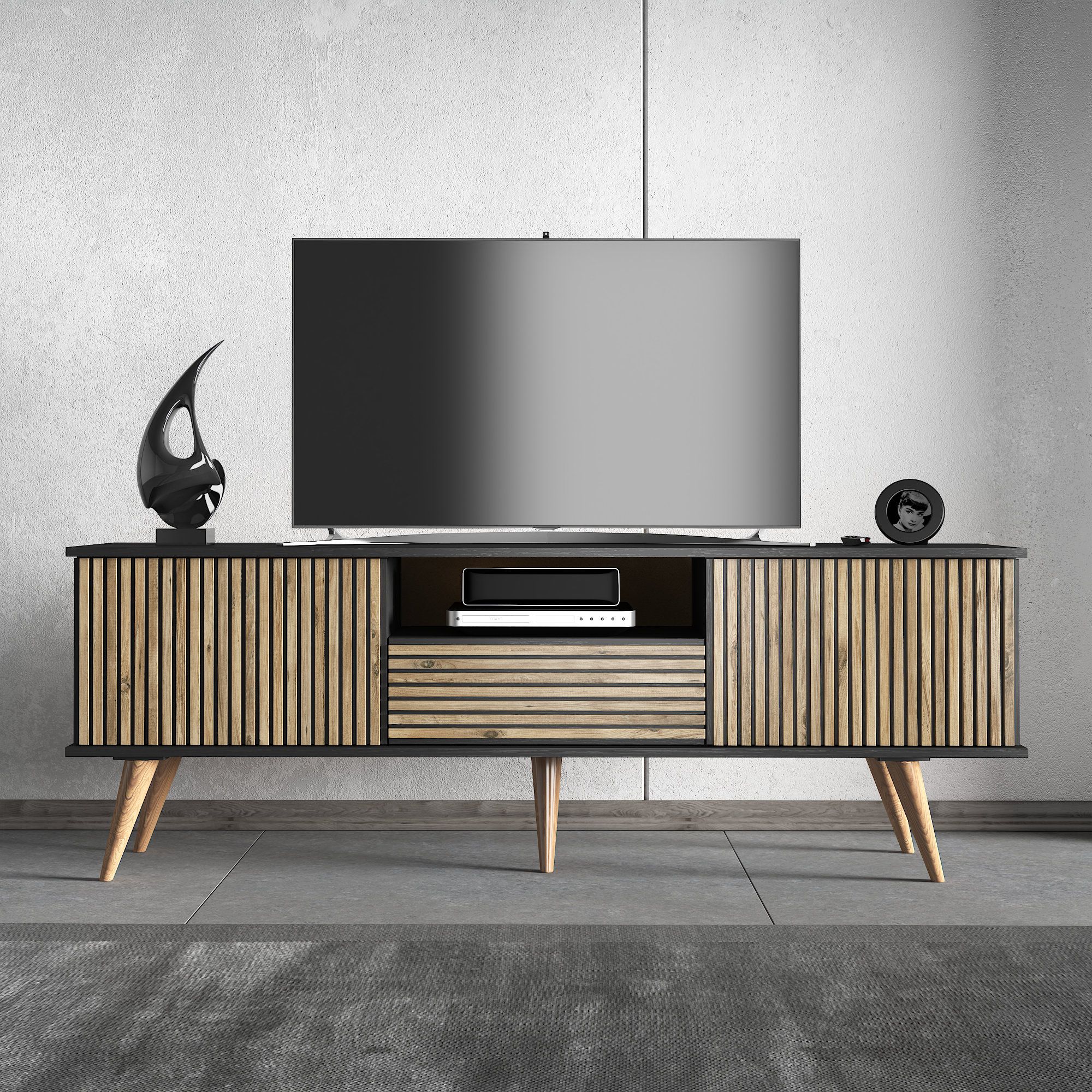
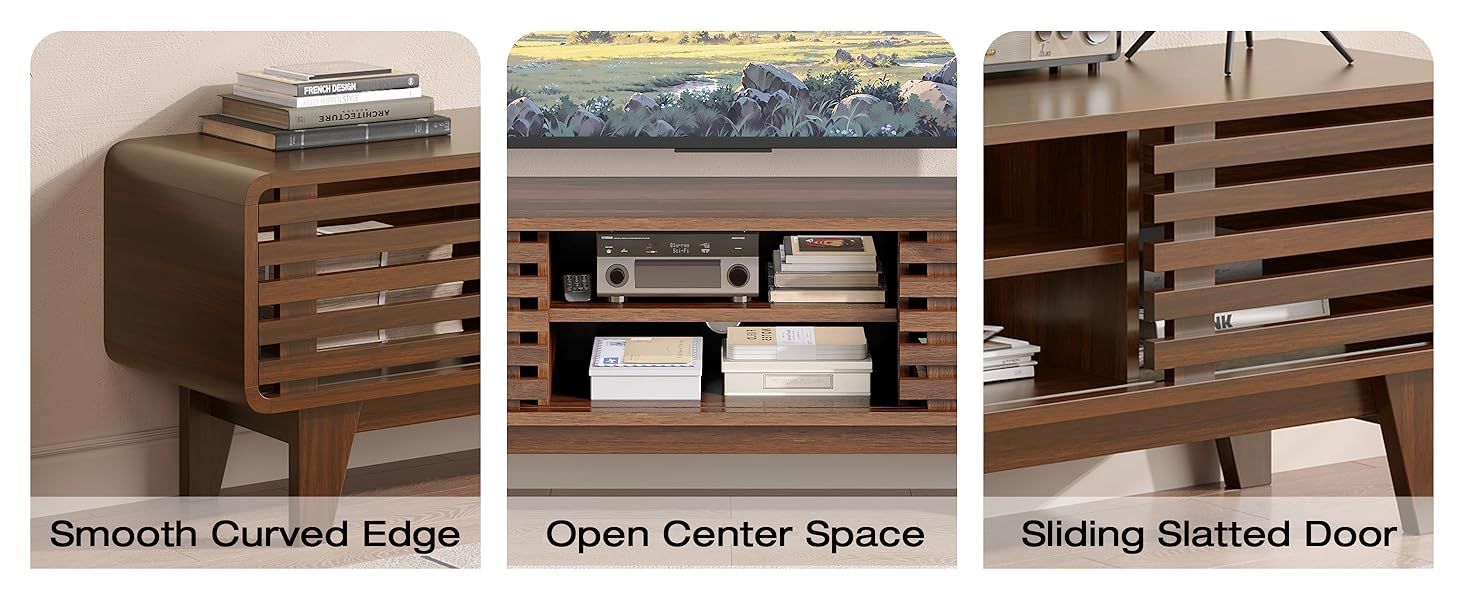
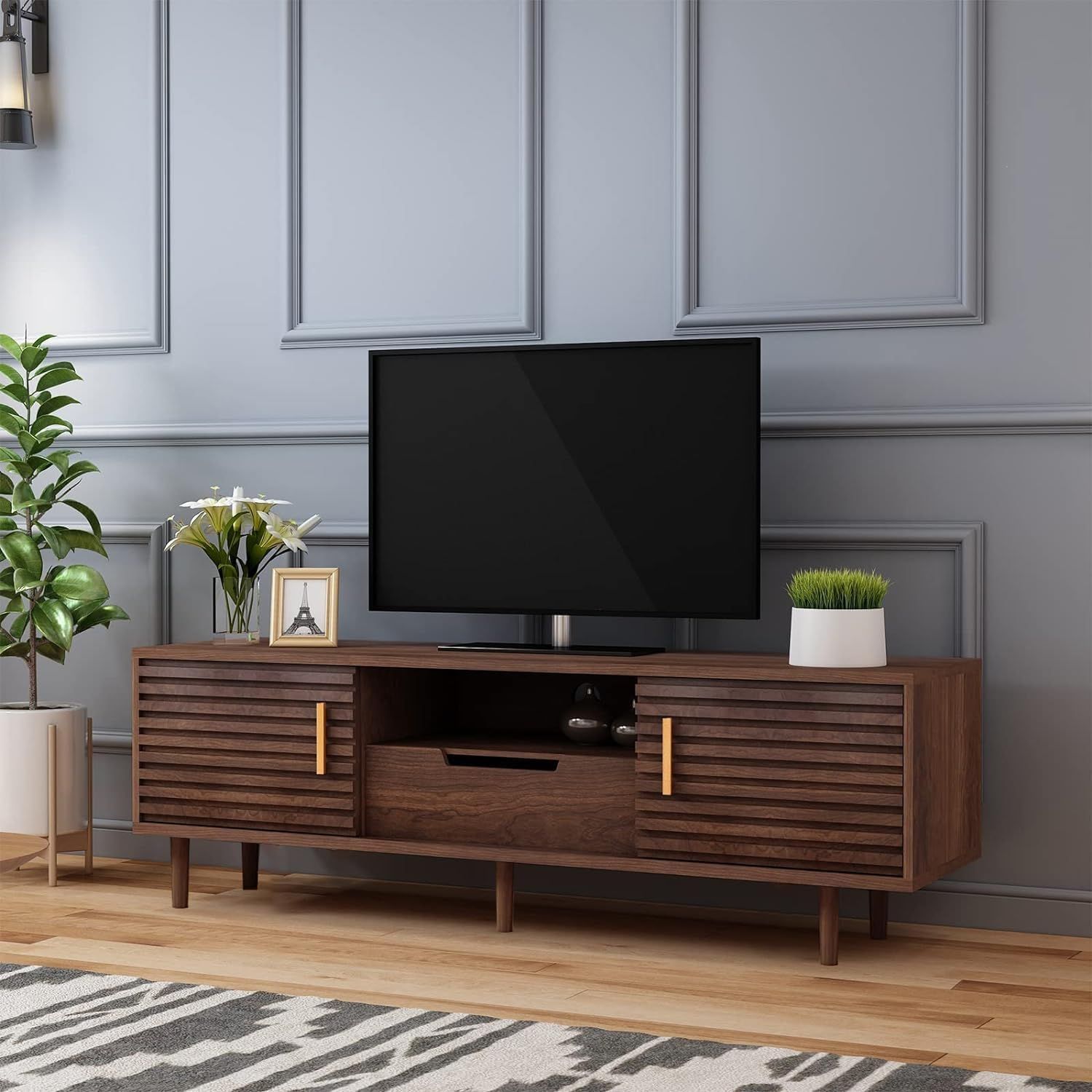
There’s something magical about the way a well-designed mid century modern TV stand can transform a living room. It’s not just about the technology inside – it’s about the harmony between form and function that defines an entire era of design philosophy. These pieces speak to our desire for simplicity, elegance, and craftsmanship that feels both nostalgic and fresh.
When you think about television furniture from the past, what comes to mind? Probably something boxy, maybe even a little dated. But there’s a particular style that stands apart – the mid century modern aesthetic that emerged in the 1950s and 60s. This isn’t just about nostalgia for old appliances. It’s about a design movement that valued clean lines, organic shapes, and the thoughtful integration of technology into everyday life. Today, these pieces are experiencing a renaissance, drawing homeowners who want their entertainment centers to do more than just hold a screen.
Origins and Design Philosophy
Mid century modern furniture wasn’t born out of necessity alone. It was a response to post-war optimism and a desire to break away from the ornate styles that came before. The movement drew inspiration from Scandinavian design, Japanese minimalism, and the emerging field of industrial design. Think about it – these designers were creating furniture during a time when technology was becoming more accessible to average families. They wanted pieces that could accommodate new technologies while still feeling timeless.
Key characteristics include:
• Clean, uncluttered lines that feel both strong and gentle
• Natural materials like wood, metal, and glass
• Organic curves that contrast with rigid geometric shapes
• Functionality that serves the user’s needs directly
• A balance between mass production and artisanal quality
These elements created furniture that felt both futuristic and comforting. When you look at a classic mid century modern TV stand, you’re seeing decades of careful consideration about how people actually live and interact with their homes.
The Role of Materials and Construction
What makes these pieces so special isn’t just their visual appeal – it’s the quality of construction and materials used. The mid century modern movement embraced both traditional craftsmanship and emerging manufacturing techniques. You’ll often find these pieces built with solid wood, especially oak, maple, or walnut. These aren’t the cheap woods you see in modern mass-produced furniture. They’re chosen for their durability and beauty over time.
The construction methods were also revolutionary for their time. Many pieces featured:
• Joinery techniques that didn’t rely solely on glue
• Hardware that was both functional and decorative
• Attention to grain patterns and wood characteristics
• Consistent proportions that worked across different sizes
It’s easy to overlook the fact that these pieces were designed to last. In many cases, they’ve been passed down through generations. That’s not something you can say about most modern furniture. The material choices reflect a philosophy that everything should serve its purpose while maintaining its own character.
Functional Integration and Layout Considerations
One of the most impressive aspects of mid century modern TV furniture is how it approached the challenge of integrating technology into living spaces. Back then, television sets were still relatively large and bulky. Designers had to figure out how to display them in ways that felt natural and beautiful. They created solutions that considered:
• How people actually sit and watch television
• The relationship between the screen and surrounding furniture
• Storage solutions that kept electronics organized
• Visual weight distribution in a room
• How to make the entire setup feel balanced
This wasn’t just about putting a TV on a table. It was about creating a focal point that enhanced the entire room. The pieces often included built-in shelving, drawer systems, and open storage areas. The goal was to make technology part of the room’s architecture rather than an afterthought.
Color Palettes and Aesthetic Harmony
The color schemes of mid century modern furniture were carefully chosen to create visual harmony in living spaces. While the style is often associated with bold, rich colors like deep reds, oranges, and greens, it also embraced neutral tones that could work in any environment. The key was using color strategically.
Common approaches included:
• Using warm wood tones as a base for other colors
• Incorporating bright accent colors in smaller pieces or accessories
• Creating contrast between light and dark elements
• Balancing bold statements with subtle neutrals
These color combinations weren’t accidental. They reflected the designers’ understanding of how colors affect mood and perception. A dark wood console with a bright orange accent chair creates energy and visual interest. But a lighter palette allows the furniture itself to be the star of the show.
Think about how these choices influenced the overall feel of a room. The right color scheme can make a space feel cozy or dramatic, depending on what you’re going for.
Cultural Impact and Contemporary Relevance
The influence of mid century modern design extends far beyond just furniture. It’s shaped how we think about interior spaces, how we organize our homes, and even how we approach technology. The movement’s emphasis on functionality without sacrificing beauty resonates with today’s consumers who want their homes to reflect both their lifestyle and personal values.
Modern architects and designers continue to draw inspiration from this era because:
• The principles of good design transcend time periods
• The focus on human-centered design is increasingly important
• The balance between form and function remains relevant
• The aesthetic is versatile enough to adapt to various styles
• The craftsmanship standards were exceptional
This isn’t just about buying vintage pieces. It’s about understanding the underlying philosophy and applying those concepts to modern situations. Many contemporary manufacturers now offer pieces that capture the essence of mid century modern design while meeting current needs and preferences.
Tips for Selecting and Caring for Mid Century Modern Pieces
If you’re considering adding mid century modern furniture to your home, there are several things to keep in mind. First, look for pieces with solid construction rather than particle board or veneer. The joints should be tight and the finish should be consistent. Pay attention to hardware details – they often reveal a lot about the piece’s authenticity.
Care considerations include:
• Regular dusting with appropriate cleaning products
• Protecting wood surfaces from direct sunlight and moisture
• Checking hardware periodically for loose screws or bolts
• Maintaining consistent room temperatures to prevent warping
• Using coasters and protective pads for electronic devices
Buying vintage pieces requires some detective work. Look for signs of quality craftsmanship and originality. If you’re shopping online, ask for detailed photos and measurements. Remember that these pieces may have been used for decades, so expect some signs of wear. The key is finding pieces that will add character to your space while serving your practical needs.
The timeless appeal of mid century modern TV furniture lies in its ability to bridge the gap between past and present. These pieces don’t just hold televisions – they tell stories about design philosophy, craftsmanship, and the evolution of how we live with technology. Whether you’re drawn to the bold geometric shapes or the understated elegance of wood finishes, there’s something about this aesthetic that speaks to our desire for quality and intentionality in our everyday lives. The movement reminds us that great design isn’t about following trends – it’s about creating pieces that will continue to serve and inspire for years to come. So the next time you’re looking at your living room setup, consider how a well-chosen mid century modern piece might transform not just your entertainment area, but your entire sense of space and comfort.