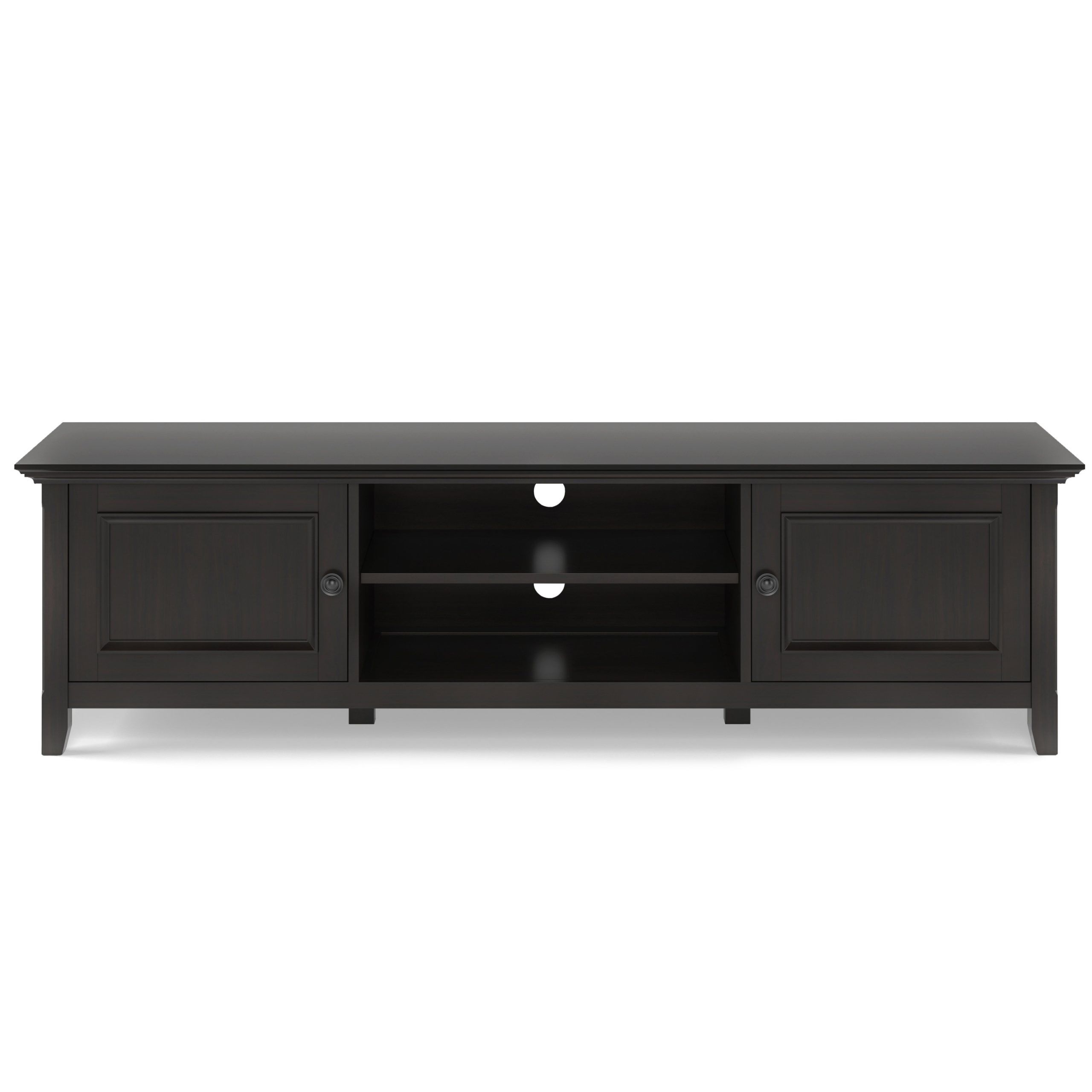
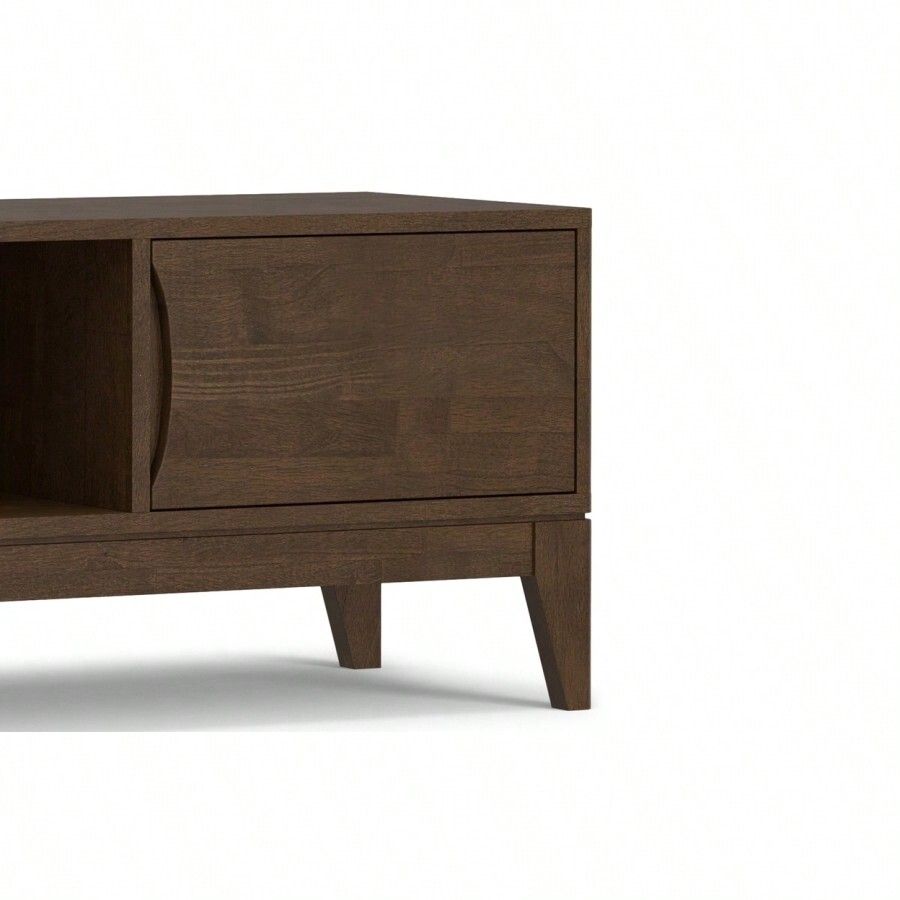
Picture this: you’re settling in for a movie night, your favorite show is about to begin, and everything looks perfect except for one thing – your TV stand is too tall, too bulky, or just doesn’t fit your space. Sound familiar? Choosing the right low profile TV stand isn’t just about finding something that holds your television. It’s about creating the perfect balance between function, form, and your living room’s overall vibe.
When it comes to setting up your home entertainment center, few pieces of furniture have as much impact as your TV stand. The right stand can transform your living room from cluttered and chaotic to clean and sophisticated. But here’s the thing – not every stand is created equal. Especially when you’re looking for that low profile look, there are specific features you need to consider. These aren’t just random preferences, they’re practical necessities that affect how well your setup works for daily life. Whether you’re a casual viewer or someone who loves their home theater experience, understanding what makes a great low profile stand is essential.
Understanding Low Profile Design
Low profile TV stands are specifically designed to sit closer to the ground than traditional stands. This design choice isn’t just about aesthetics – it serves important functional purposes. The key benefit is that it creates a more comfortable viewing angle for most people. When your screen sits lower, you don’t have to crane your neck upward to watch, which can cause strain during long viewing sessions. Think about how much more comfortable you feel watching a movie from a lower position versus looking down at a high-mounted screen. Many people find that a low profile setup reduces eye fatigue and makes the entire experience more enjoyable.
This design also helps with visual balance in your room. Tall stands can make a space feel top-heavy, while low profile options often create a more grounded, stable appearance. You’ll notice that many modern living rooms embrace this look because it feels more contemporary and less imposing. The key is finding the right height that works for your TV size and viewing distance. A stand that’s too low can make your screen look awkwardly positioned, while one that’s too high defeats the purpose of the low profile design.
Measuring Your Space and TV
Before you even start shopping, you need to know exactly what you’re working with. Start by measuring your TV’s dimensions – width, height, and depth. Then measure the area where you plan to place it. This might seem obvious, but it’s surprising how many people skip this step. A stand that looks perfect in a store might be too big for your actual space.
Consider the viewing distance too. If you have a large screen and sit far away, you might want a slightly taller stand to maintain proper viewing angles. But if you’re sitting close, a very low profile might actually work better. The rule of thumb is that your screen should be roughly at eye level when seated. This means your stand needs to accommodate that positioning properly.
Don’t forget to account for cable management. Many low profile stands come with built-in routing systems, which is a huge plus. You don’t want to end up with a tangled mess of wires running everywhere. Think about how many devices you’ll be connecting and what kind of cables you’ll need. Will you be using HDMI cables, audio connections, or streaming devices? Planning ahead saves headaches later.
Material and Build Quality
The materials used in a low profile TV stand say a lot about its durability and appearance. Wood stands offer warmth and classic appeal, but they require more maintenance. They can warp or scratch over time, especially if exposed to moisture or direct sunlight. However, solid wood stands tend to last longer and add character to any room.
Metal stands are increasingly popular because they’re sturdy and often more affordable. They resist warping and scratches better than wood, though they might not provide the same cozy feel. Look for stands with powder-coated finishes for extra protection against rust and wear.
Glass and acrylic options give a sleek, modern look but require careful handling. They’re easy to clean but can show fingerprints and scratches more easily. If you choose glass, make sure it’s tempered for safety and durability.
The construction matters just as much as the materials. Check for solid joints, reinforced corners, and quality hardware. A well-built stand should feel substantial when you touch it. Don’t rely solely on appearance – shake it gently or push on the sides to test its sturdiness. Remember, you’ll be trusting this piece of furniture with your expensive electronics, so quality shouldn’t be compromised.
Storage and Organization Features
One of the biggest advantages of choosing a low profile stand is the opportunity for clever storage solutions. These stands often incorporate multiple compartments, shelves, and drawers to keep everything organized. Think about what you actually need to store – cables, game consoles, books, or decorative items. Do you want hidden storage or open shelving?
Many modern low profile stands feature cable management systems that route wires neatly behind or through the stand. This prevents messy cords from detracting from your clean aesthetic. Some even include dedicated slots for different types of cables, making it easy to identify what goes where.
Consider whether you want adjustable shelves. These give you flexibility to accommodate different sized items or rearrange your setup as your needs change. A few inches of adjustability can make a huge difference in how well your stand works over time. Some stands also include sliding drawers or doors for additional concealment of items you don’t want to display.
Think about accessibility too. If you frequently access items stored in the stand, make sure they’re within reasonable reach. You don’t want to have to climb up or stretch to get things you use regularly. The best stands strike a balance between organization and usability.
Style and Aesthetic Compatibility
This might be the most subjective part of choosing a low profile stand, but it’s also the most important for making your space feel cohesive. Your stand should complement rather than clash with your existing furniture and décor style. Modern homes often favor minimalist designs with clean lines and neutral colors. Contemporary stands typically feature simple shapes and maybe some metallic accents.
Traditional spaces might call for wooden stands with carved details or rich finishes. These can anchor a room and add warmth to more neutral environments. If you have a lot of dark furniture, lighter colored stands can provide good contrast.
Consider the color scheme of your room. Should your stand match your walls, or should it provide a bold accent? Sometimes a pop of color or interesting texture can tie together a room perfectly. But if you’re going for a more subtle look, neutral tones like white, black, or natural wood usually work well.
Don’t overlook the importance of proportions. A stand that’s too large or too small for your space will throw off the entire room’s balance. Measure carefully and consider how the stand will look from different angles. Does it feel like it belongs in the room, or does it look like an afterthought?
Budget and Value Considerations
Low profile stands range dramatically in price, from budget-friendly options to premium designs that can cost hundreds of dollars. The key is finding the right balance between what you can afford and what you need. Start by establishing your budget range, then prioritize the features that matter most to you.
Remember that a cheaper stand might not always save you money in the long run. If it breaks or becomes damaged quickly, you’ll end up replacing it sooner. On the flip side, spending too much on features you won’t use can be wasteful. Look for stands that offer good value for their price point.
Check reviews from people who have similar setups to yours. What problems did they encounter? Did they find the stand sturdy enough for their TV size? Were the storage features practical? Reviews can reveal issues that aren’t obvious from the product photos alone.
Also consider ongoing costs. Some stands require special cleaning products or maintenance that can add up over time. Others are built to last decades with minimal care. Factor in these considerations when making your decision. Sometimes the most expensive option turns out to be the most economical over time.
Choosing the right low profile TV stand is more than just picking something that looks nice. It’s about creating a solution that works with your lifestyle, fits your space perfectly, and enhances your overall viewing experience. From considering the exact measurements of your room and TV to evaluating materials and storage needs, each factor plays a role in your final decision. The stand you select will become a central part of your home’s aesthetic and functionality. Take your time, measure twice, and remember that the best stand is one that feels right for both your space and your daily routine. With thoughtful consideration of all these features, you’ll find a low profile stand that not only holds your TV securely but also elevates your entire living room experience.