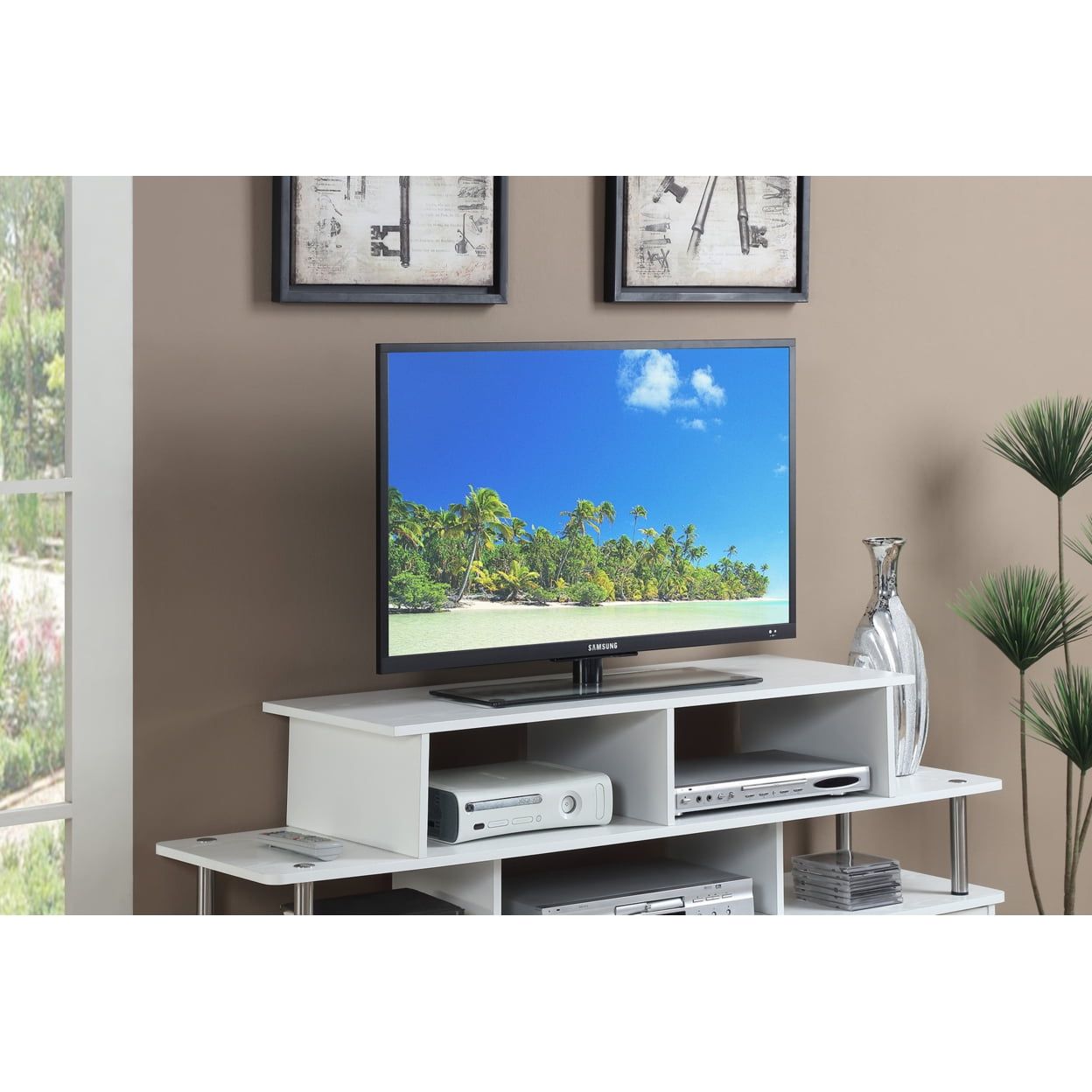
Picture this: You’re sitting at your desk, and everything just feels right. The screen is at eye level, your posture is comfortable, and you’re getting things done without strain. This isn’t magic – it’s the power of adjustable display platforms. These clever solutions are changing how we work, one monitor setup at a time. They’re not just about raising and lowering screens anymore. They’re about creating the perfect workspace that adapts to your needs, your body, and your workflow. What if I told you that small changes in how you position your displays could dramatically improve your productivity, reduce fatigue, and even prevent long-term health issues? That’s exactly what adjustable platforms promise.
Workspaces have evolved far beyond simple desks and chairs. Today’s professionals demand setups that support their physical well-being while maximizing output. Enter adjustable display platforms – those innovative solutions that let you customize your screen positioning to perfection. Whether you’re a graphic designer working with multiple monitors, a software developer debugging code, or an office worker managing endless spreadsheets, the right display platform can make all the difference. It’s not just about convenience; it’s about creating an environment where your body and mind can work together seamlessly. The key lies in understanding how these platforms function, what features matter most, and how they can integrate into your existing setup. Think of them as the unsung heroes of modern workspaces – quietly doing their job to make your life easier, more efficient, and healthier.
The Science Behind Proper Screen Positioning
Why does screen height matter so much? It’s not just about looking cool or feeling fancy. When your monitor sits at the correct height, it reduces strain on your neck, shoulders, and eyes. Most experts recommend placing the top of your screen at or slightly below eye level. This position helps maintain a natural head posture, preventing the forward head tilt that leads to tension headaches and neck pain. But here’s something interesting: your screen height might need adjustment based on your chair height, desk configuration, and even your personal physique. A 6-foot-tall person will have different requirements than someone who’s 5’2" tall. The beauty of adjustable platforms is that they accommodate these differences easily. Consider how many hours you spend staring at screens each day. If you’re working 8 hours daily, that’s nearly 4,800 minutes of screen time. Every small adjustment counts when it comes to reducing cumulative strain. Research shows that proper ergonomic positioning can decrease back pain by up to 40% and improve overall productivity by 15%.
Types of Adjustable Display Platforms
Not all adjustable platforms are created equal. There are several varieties, each with unique advantages. Desktop stands are probably the most common type. These typically feature a base with a tilting mechanism that allows you to adjust both height and angle. Some models even offer swivel capabilities, letting you rotate your screen for better viewing angles. Floor-standing units provide more flexibility for larger displays or multiple monitors. They often come with wider bases for stability and can accommodate heavier equipment. Clamp-on mounts work great when you want to attach displays to existing furniture without permanent modifications. They’re particularly useful for laptops or when space is limited. Wall-mounted systems offer a completely different approach, freeing up desktop space entirely. They’re ideal for home offices or collaborative spaces where multiple people need access to the same display. The key is matching the platform type to your specific needs. Do you have multiple displays? Will you be moving your setup frequently? Are you working in a shared space? These questions help determine which platform will serve you best. Many professionals find that investing in quality adjustable platforms pays off quickly through reduced discomfort and increased efficiency.
Benefits Beyond Physical Comfort
Adjustable display platforms offer advantages that extend well beyond preventing neck strain. They can significantly impact your workflow and mental state. When your screen is perfectly positioned, you spend less energy fighting against poor ergonomics. This extra energy can be channeled directly into creative thinking or problem-solving. Consider the impact of having your primary display at optimal viewing distance. Eye fatigue decreases substantially, leading to fewer breaks and more continuous focus. Professional video conferencing becomes more comfortable when your camera is at eye level. No more looking down at your screen during important meetings. The confidence boost from proper positioning can be surprising. People feel more professional and engaged when their setup supports good posture. Additionally, these platforms often include cable management features. This might seem minor, but a clean workspace with organized cables reduces visual clutter and potential tripping hazards. Some models even incorporate power outlets or USB ports, adding functionality to what’s essentially a positioning tool. The psychological benefit shouldn’t be underestimated either. When everything looks organized and purposeful, it creates a positive mindset that enhances productivity.
Choosing the Right Platform for Your Setup
Selecting the right adjustable platform requires careful consideration of several factors. First, assess your current workspace dimensions. How much room do you have for a platform? Is your desk surface wide enough to accommodate additional hardware? Then consider the weight and size of your displays. A single 27-inch monitor requires different support than multiple smaller screens. Check the maximum load capacity of potential platforms before making a purchase. Compatibility matters too. Does your display have the necessary mounting holes? Some platforms work with VESA standards, while others require specific adapters. Budget considerations are also important. Quality platforms can range from modest prices to premium investments. However, remember that cheaper options might not last as long or provide the smooth adjustments you’ll need. Look for features like smooth adjustment mechanisms, durability, and warranty coverage. Read reviews from people with similar setups to get real-world feedback. Don’t forget about future-proofing. Will you need to add more displays later? Is your setup likely to change over time? Choosing a platform that can grow with your needs saves money and frustration in the long run. Consider trying before you buy if possible. Many retailers offer trial periods or return policies that allow you to test compatibility and comfort.
Installation and Setup Tips
Setting up your adjustable display platform correctly can make or break your experience. Start by reading the manufacturer’s instructions thoroughly. Many people rush through this step, only to encounter issues later. Proper installation begins with ensuring your desk surface is level and sturdy enough to support the combined weight. Measure twice, install once – it’s a principle that applies here. When attaching mounting hardware, make sure all screws are tightened appropriately. Over-tightening can damage display frames, while under-tightening leads to wobbling. Test the full range of motion before settling into regular use. Can you achieve your desired screen angles? Does the platform move smoothly without resistance? Pay attention to cable management early in the process. Route cables neatly along the platform’s edges or through built-in channels. This prevents tangling and makes future adjustments easier. Position your displays so that they complement each other naturally. For dual-monitor setups, ensure both screens are at the same height and angle for consistent viewing. Test different configurations to find what works best for your specific tasks. Some people prefer screens side-by-side, while others favor vertical alignment for extended documents or coding work. Take time to experiment until you find your sweet spot.
Maintaining Your Adjustable Platform
Like any piece of equipment, adjustable display platforms require some maintenance to function properly over time. Regular cleaning keeps the surfaces smooth and prevents buildup that could affect movement. Dust and debris can accumulate in the adjustment mechanisms, causing stiffness or uneven movement. Wipe down platforms periodically with appropriate cleaners, being careful not to damage any electronic components. Check fasteners regularly to ensure they haven’t loosened due to vibrations or frequent adjustments. A loose connection can compromise safety and performance. Lubricate moving parts according to manufacturer recommendations. Some platforms may benefit from periodic application of light lubricant to maintain smooth operation. Watch for signs of wear or damage. Cracked plastic, frayed cables, or worn adjustment mechanisms should be addressed promptly. Most manufacturers offer replacement parts for common components. Keeping spare parts on hand can save time and money compared to replacing entire platforms. Remember that your platform is part of your investment in workplace efficiency. Taking care of it ensures it continues providing value for years to come. Some professionals find it helpful to schedule monthly check-ups to ensure everything remains in good working order.
Adjustable display platforms represent more than just a trendy office accessory – they’re essential tools for modern workspace efficiency. When chosen and used correctly, they can transform how you interact with technology throughout your workday. The benefits extend far beyond simple screen positioning. They contribute to better posture, reduced fatigue, enhanced focus, and improved overall well-being. The investment in quality platforms often pays dividends through increased productivity and decreased healthcare costs related to poor ergonomics. Whether you’re setting up a new workspace or upgrading an existing one, consider how adjustable displays can support your unique workflow. Remember that the best platform is one that fits your specific needs, budget, and lifestyle. Don’t overlook the importance of proper installation and ongoing maintenance. These platforms are designed to adapt to your changing needs, but they also require some attention to keep functioning optimally. As work environments continue evolving, adjustable display solutions will likely become even more sophisticated and integrated. The key is starting with the basics: understanding what you need, choosing wisely, and making it work for you. The future of productive workspaces is flexible, adaptable, and focused on human comfort. Adjustable display platforms embody that philosophy perfectly. They’re not just about positioning screens – they’re about optimizing the entire work experience. So take a moment to evaluate your current setup. Ask yourself if your displays are truly serving you well. Sometimes the simplest changes lead to the most significant improvements in how we work and live.