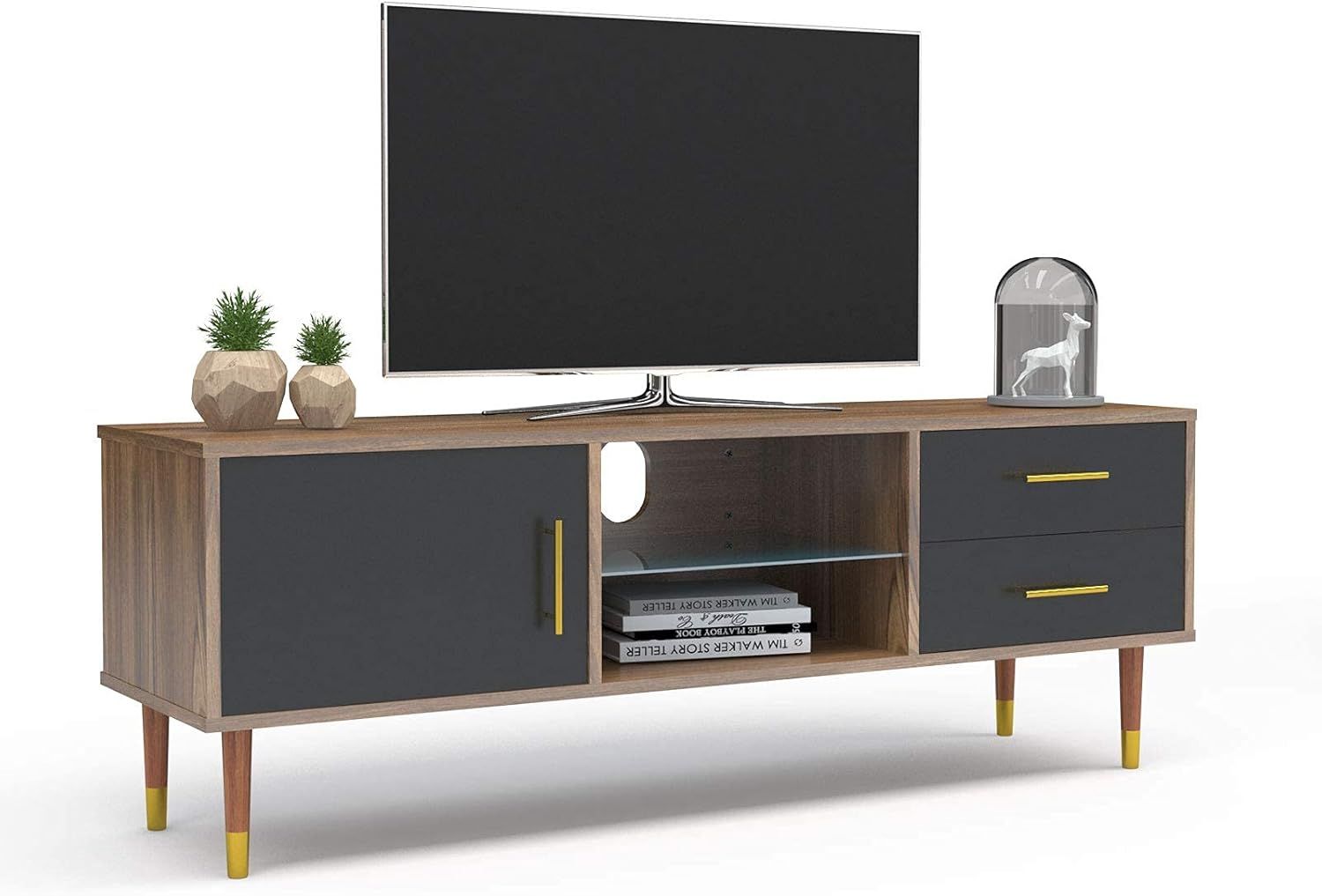
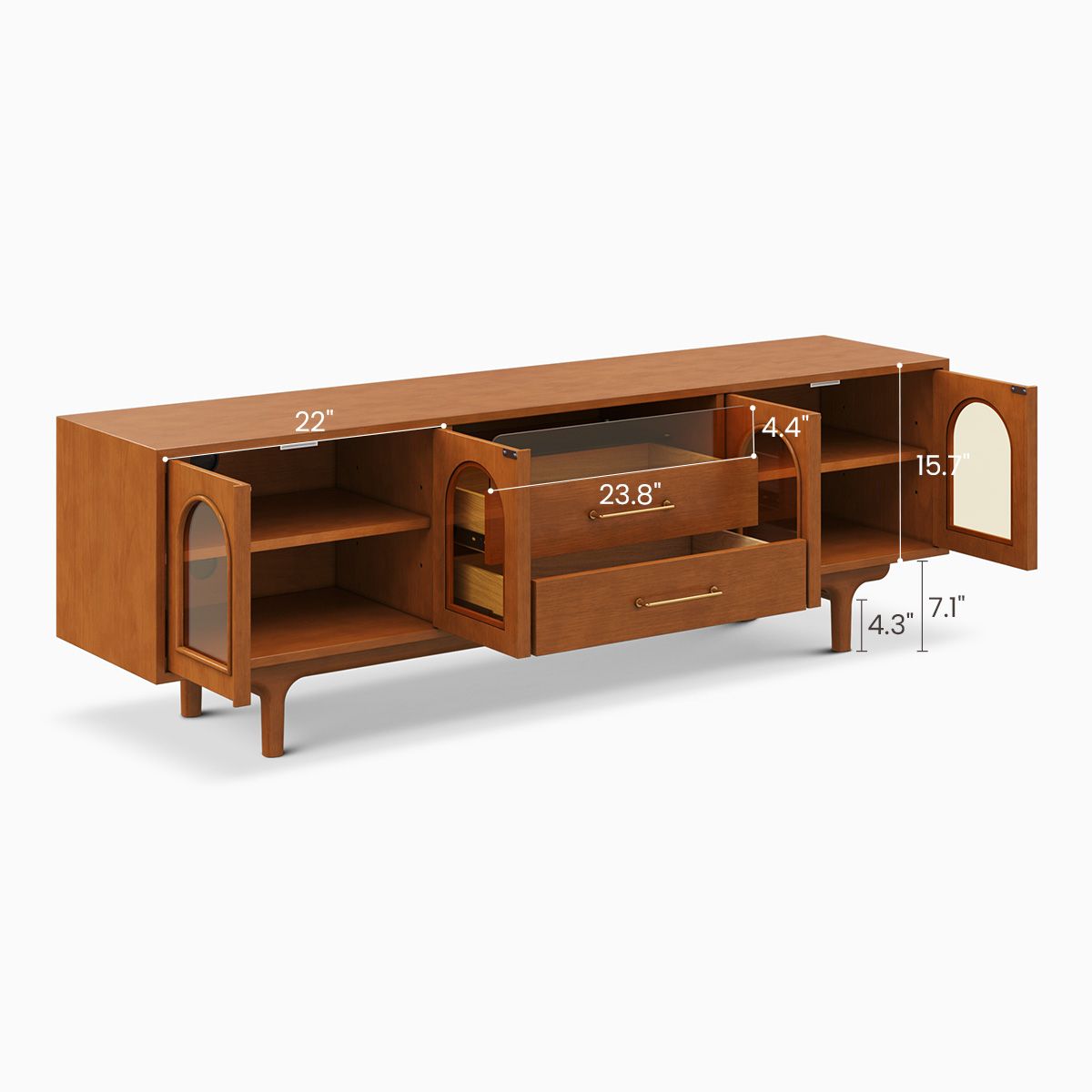
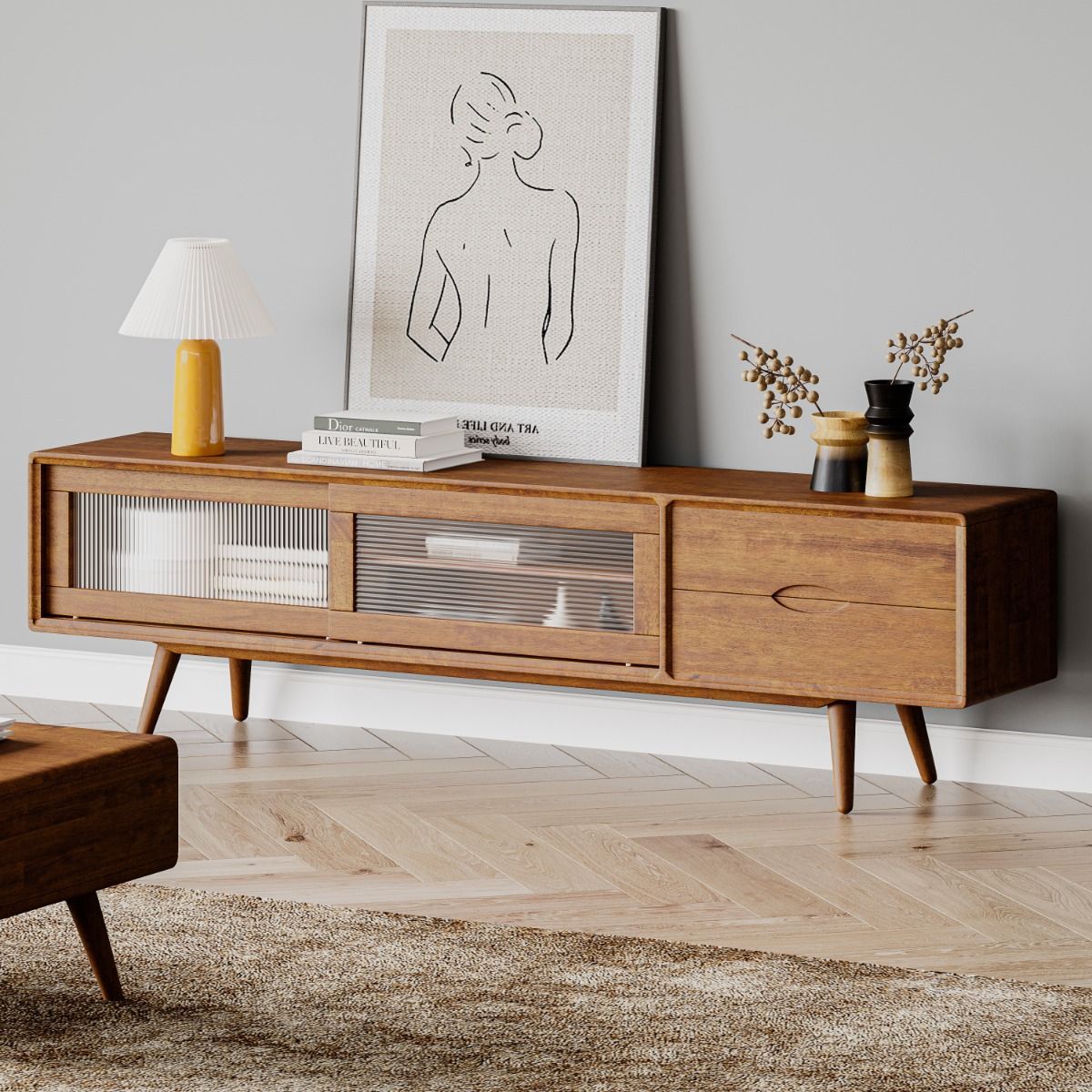
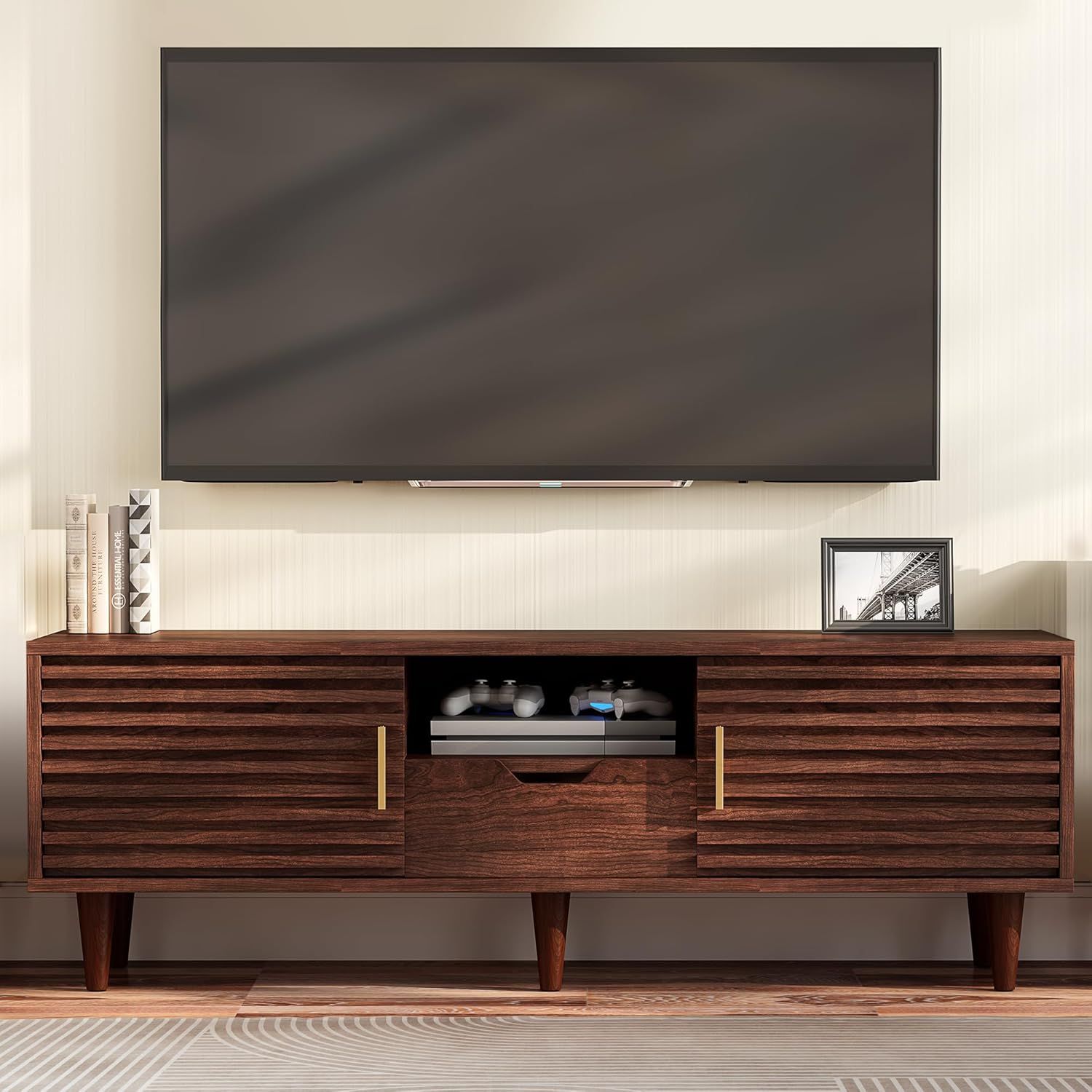
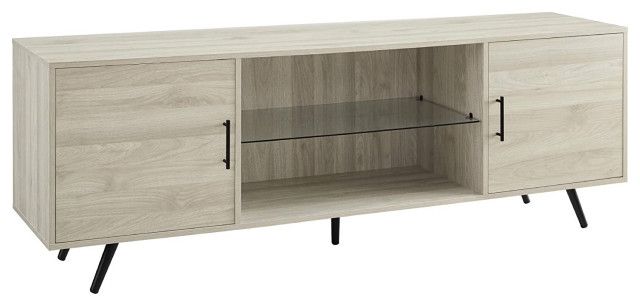
Picture this: you walk into a home from the 1950s or 60s and notice something different about the way things are stored. It’s not just about putting things away – it’s about doing it with style, purpose, and a whole lot of ingenuity. That’s exactly what happened during the mid-century era when designers and homeowners alike began rethinking how we organize our spaces. These weren’t just random storage solutions – they were part of a larger movement toward modern living that still influences us today.
When you think about storage solutions, you probably picture your average closet organizer or kitchen cabinet. But there’s a whole fascinating world of storage evolution that started taking shape in the middle of the 20th century. This wasn’t just about fitting more stuff into smaller spaces – it was about creating a new relationship between people and their belongings. The mid-century period brought forth storage solutions that were both beautiful and functional, setting the stage for how we think about organization today. These weren’t just storage units; they were statements about lifestyle, design philosophy, and what it meant to live in a modern home.
The Birth of Modern Storage Philosophy
The mid-century movement was all about breaking free from old traditions and embracing something fresh. Storage solutions during this time reflected that spirit. People weren’t just looking to store items anymore – they wanted to display them, organize them, and make them work for their lifestyle. The idea was simple yet revolutionary: storage should be invisible, elegant, and seamlessly integrated into the overall design of a space. Think about it – before this era, most storage was hidden away in dark corners or behind heavy doors. Mid-century designers changed that completely.
Consider the famous Eames lounge chair – not just a piece of furniture, but a perfect example of how form could follow function. The same thinking applied to storage. Suddenly, people were creating shelving units that looked like art, cabinets that served multiple purposes, and storage solutions that made the whole process of organizing feel less like work and more like a creative act. This shift in perspective opened the door to countless innovations that still influence designers today.
Key Innovations That Defined the Era
What made mid-century storage solutions so special? It wasn’t just about aesthetics – though those clean lines and organic shapes certainly caught attention. Several breakthrough innovations changed everything:
• Modular systems that could be reconfigured as needs changed
• Built-in storage that became part of the architectural design
• Multi-functional pieces that served several purposes
• Materials that were both durable and visually appealing
• Designs that worked with existing spaces rather than against them
These weren’t just random ideas thrown together. They were responses to real problems people faced in their daily lives. Imagine having a small apartment in the 1950s and needing to store everything from books to kitchenware. The modular approach allowed people to build their storage solutions gradually, adapting as their needs evolved. It was smart, flexible, and forward-thinking in ways that surprised many people at the time.
Materials and Manufacturing Breakthroughs
The materials used in mid-century storage solutions were revolutionary for their time. Wood remained popular, but it was combined with new synthetic materials that had never been used in furniture before. Plywood became a game-changer because it was strong, affordable, and could be shaped into beautiful curves. This material innovation meant that storage units could have the sleek, modern look that defined the era while still being practical.
Metalworking techniques improved dramatically too. Steel frames allowed for taller, more stable storage solutions. The combination of wood and metal created pieces that were both sturdy and stylish. These manufacturing advances meant that quality storage solutions were no longer just for wealthy households. They became accessible to middle-class families who wanted to create modern, organized living spaces.
One particularly interesting development was the rise of prefabricated storage units. These were designed to be assembled easily, making them more affordable and convenient for people who might not have carpentry skills. This democratization of good design helped spread the mid-century storage aesthetic far beyond its original market.
Design Principles That Made Storage Work
The secret sauce behind successful mid-century storage wasn’t just about looks – it was about smart planning and thoughtful design principles. These included:
• Function-first approach: Every piece served a purpose, whether that was storing items, organizing them, or displaying them beautifully
• Simplicity over complexity: Clean lines meant less maintenance and more lasting appeal
• Integration with lifestyle: Storage solutions were designed around how people actually lived, not how they thought they should live
• Modularity: Pieces could be moved, rearranged, or expanded as needs changed
• Human scale: Everything was designed with people’s actual sizes and movements in mind
This approach was radical for its time. Instead of thinking of storage as something separate from the rest of a room, mid-century designers saw it as part of the overall design. You’d see built-in bookshelves that complemented a living room’s color scheme, or kitchen cabinets that matched the style of the countertops. The goal was to make storage feel like it belonged there, not like it was tacked on.
Cultural Impact on Home Organization
Mid-century storage solutions didn’t just change how people organized their homes – they changed how people thought about their homes. This was the era when the concept of ‘home as a reflection of personality’ really took off. Storage became a way to express taste, sophistication, and modernity. People weren’t just buying shelves to hold books – they were investing in a statement about their lifestyle.
The impact extended beyond individual homes. The rise of suburban living in the post-war era meant that people had more space to play with, but they also needed to make that space work efficiently. Storage solutions helped them create the illusion of order and control in their increasingly complex lives. The idea that a well-organized home could make someone feel more confident and capable became deeply embedded in American culture.
Think about how this influenced later decades. When you see a modern home today with open shelving and built-in storage, you’re seeing the direct legacy of mid-century thinking. The cultural shift was profound – from cluttered, traditional homes to clean, organized spaces that felt both welcoming and sophisticated.
Legacy and Modern Relevance
Today, we’re still influenced by mid-century storage solutions. Why? Because they solved real problems with elegant solutions. The principles that guided their creation – simplicity, functionality, and adaptability – are timeless. You’ll find modern designers drawing inspiration from these classic pieces, and many people still seek out authentic mid-century storage solutions because they work so well.
The popularity of vintage storage pieces shows how enduring this design philosophy truly is. People love the craftsmanship, the materials, and the stories behind these pieces. But more importantly, they work. A well-designed mid-century shelf can hold books, display objects, and look great in almost any room. It’s no wonder why these solutions continue to be sought after.
What’s perhaps most remarkable is how adaptable these concepts remain. Whether you’re renovating a 1950s house or designing a new modern space, the lessons from mid-century storage solutions are still incredibly valuable. The focus on integration, functionality, and beauty hasn’t changed – it’s just become even more refined.
Looking back at mid-century storage solutions reveals more than just a trend in design history. It shows us how people approached the fundamental challenge of organizing our lives within physical spaces. These weren’t just storage units – they were part of a broader movement toward modern living that emphasized efficiency, beauty, and human-centered design. The innovations of this era continue to influence how we think about storage today, proving that good design really does transcend time. Whether you’re trying to organize a tiny apartment or renovating a family home, understanding these principles can help you create storage solutions that are both practical and pleasing to the eye. The mid-century approach reminds us that the best storage isn’t just about hiding things away – it’s about making our spaces work better for how we actually live.