Imagine sitting down to dinner with the gentle breeze brushing against your face, the warmth of sunlight filtering through leaves, and the cozy comfort of your home’s interior. This isn’t just a dream – it’s achievable when you thoughtfully blend indoor and outdoor dining elements. The secret lies in creating spaces that feel connected rather than divided, where the transition between inside and outside feels natural and effortless.
Today’s homeowners are increasingly seeking spaces that offer both comfort and connection to nature. Dining areas have evolved beyond simple meal preparation zones into social hubs that blur the boundaries between indoor living and outdoor experiences. Whether you have a small balcony, a spacious backyard, or a covered patio, the key is understanding how to make these spaces work together harmoniously. Think about it – when was the last time you truly enjoyed a meal where you could feel both the serenity of indoors and the vitality of outdoors? The answer might surprise you.
Understanding the Core Principles
Creating seamless indoor-outdoor dining requires more than just placing furniture outside. It’s about establishing a visual and physical continuity that makes guests feel like they’re experiencing one cohesive space. Start by identifying the flow of your existing architecture. Notice how light moves through your home and where natural elements naturally enter your space. Consider the materials you use – wood, stone, and metal can bridge gaps between environments. The goal isn’t to make everything look identical, but rather to create a sense of harmony. For instance, using the same color palette indoors and out can create that feeling of unity. What happens when you see the same warm tones in your kitchen cabinets and your outdoor dining table? It creates a familiar rhythm that makes the transition feel less jarring.
Choosing the Right Furniture
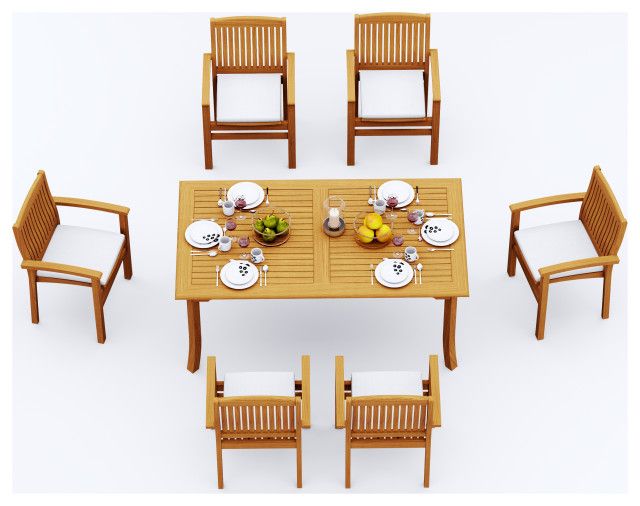
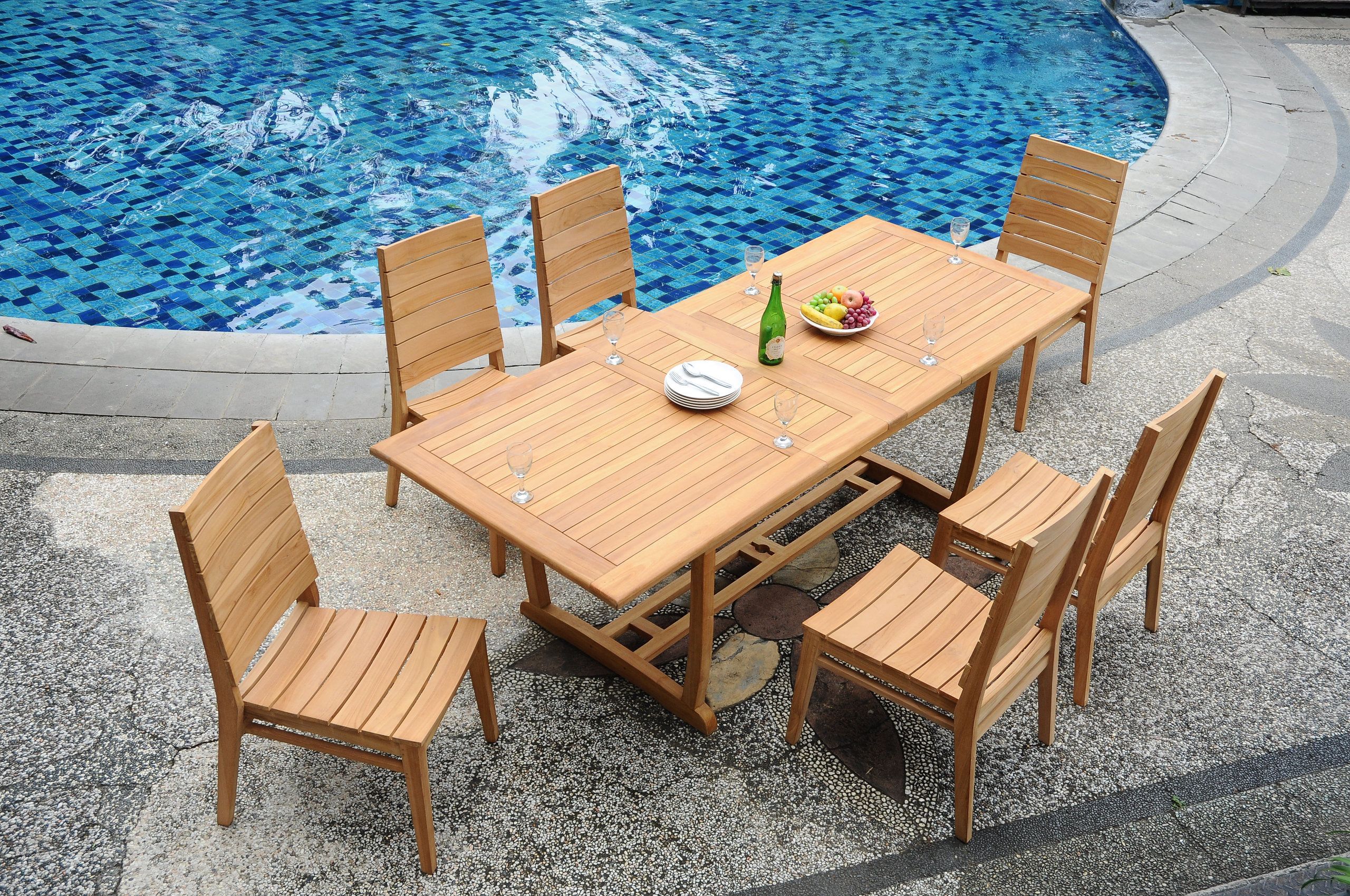
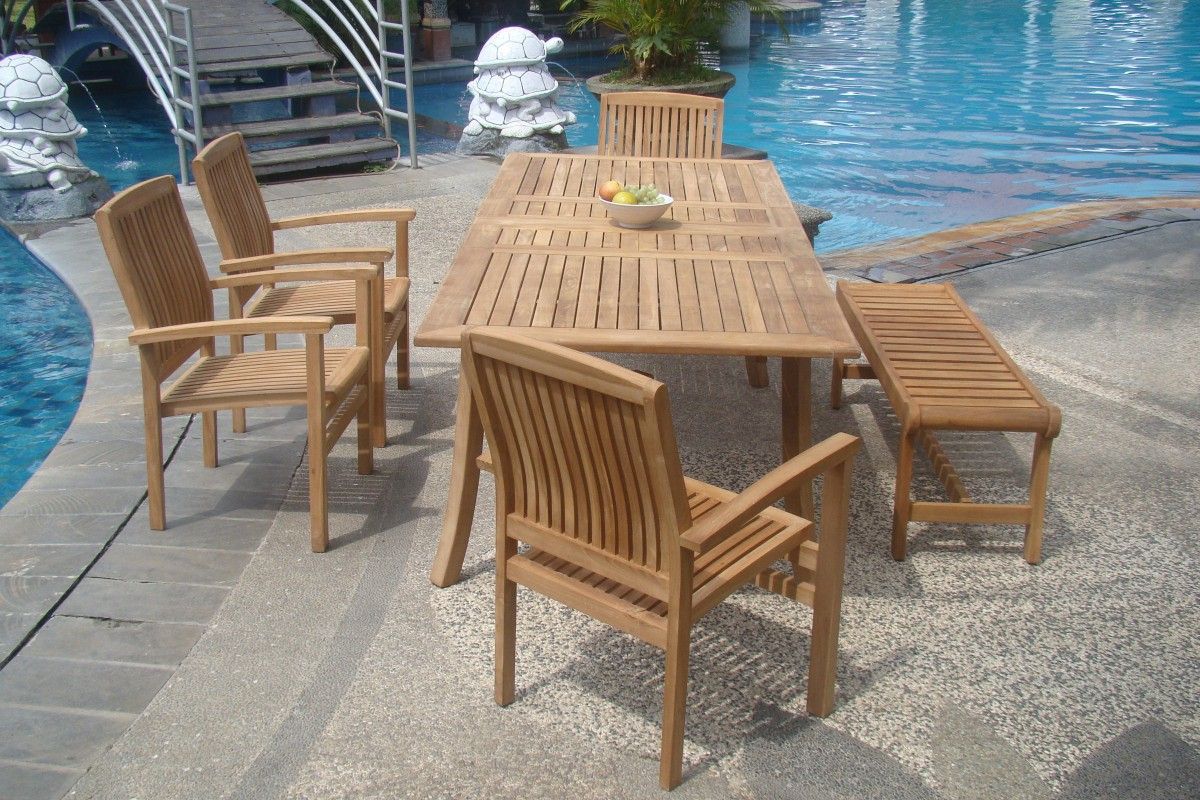
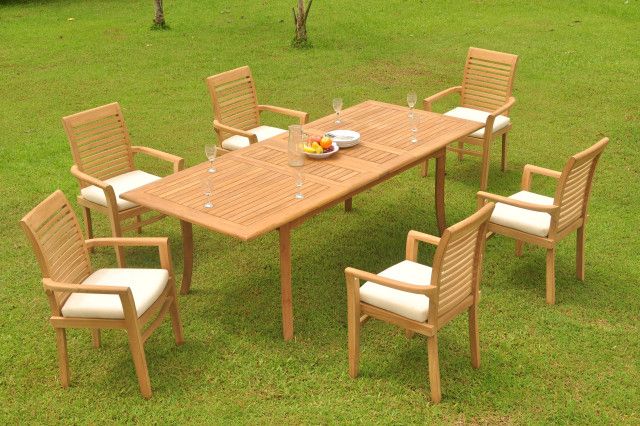
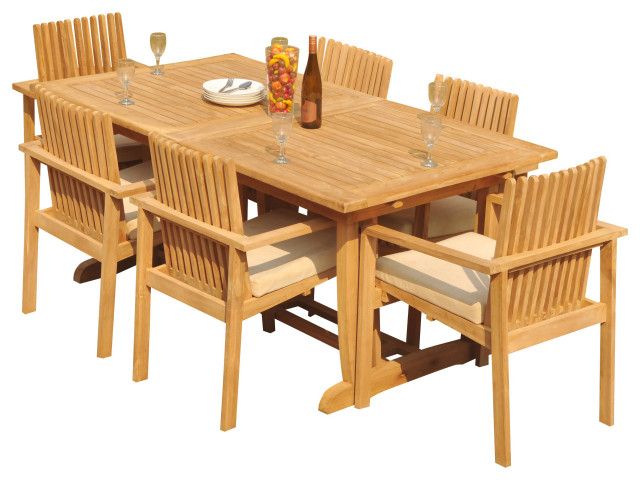
Furniture selection is crucial when blending indoor and outdoor styles. You want pieces that can handle weather conditions while maintaining aesthetic appeal. Look for materials that age gracefully – teak wood develops a beautiful silver patina, while aluminum and stainless steel resist rust and corrosion. Consider modular designs that can be rearranged based on season or occasion. A dining set with interchangeable tops allows you to adapt to changing weather. Think about the practical aspects too – how will you store cushions during winter? Can chairs stack easily for storage? These decisions impact daily usability. A well-chosen dining chair should feel comfortable whether it’s placed under a canopy or in direct sunlight. The right furniture becomes the foundation that supports both the practical needs and the visual goals of your space.
Lighting That Connects Spaces
Lighting plays perhaps the most important role in creating that seamless feel between indoor and outdoor dining areas. Natural light should be maximized where possible – large windows, sliding doors, and open floor plans all help. But artificial lighting must complement rather than compete with natural illumination. Layered lighting works best – ambient light from overhead fixtures, task lighting for meals, and accent lighting to highlight architectural features. Consider string lights that can be draped across outdoor areas, creating a warm glow that extends the feeling of indoor comfort. Smart lighting systems allow you to adjust brightness and color temperature throughout the day. How many times have you felt a space feels disconnected because the lighting seems to come from completely different directions? That’s the opposite of what you want to achieve.
Creating Visual Continuity
Visual elements tie the two spaces together more effectively than any physical barrier. Plants serve as natural separators while connecting both areas. Large potted plants can define outdoor dining zones without blocking views. Indoor plants brought outside create a sense of continuity. Consider using the same decorative elements throughout – a matching vase style, consistent tile patterns, or similar artwork placements. Texture also matters – if your indoor dining room features a stone accent wall, consider incorporating similar textures into your outdoor space. The key is repetition without repetition. You want enough similarity to create recognition, but enough variation to keep things interesting. A garden bench positioned near your indoor dining area can serve as a visual bridge between the two spaces.
Practical Considerations for Year-Round Use
A truly successful indoor-outdoor dining area functions well regardless of weather conditions. This means planning for seasonal changes from the start. Consider how you’ll protect furniture during harsh winters – perhaps investing in quality covers or moving pieces to storage. Summer heat requires shade solutions – umbrellas, pergolas, or even strategically placed trees. Rain protection is essential, especially in climates with frequent storms. Storage solutions should be both functional and aesthetically pleasing. Think about how you’ll organize seasonal items – outdoor cushions, additional dining chairs, and weatherproof accessories. The investment in proper storage pays off in maintaining the beauty and functionality of your space year-round. What happens when you don’t plan for weather variations? You end up with damaged furniture and a space that feels incomplete.
Designing for Different Seasons
Successful blended dining areas adapt to seasonal changes without requiring complete redesigns. In spring and summer, focus on openness and breezes – maybe add a screen for privacy or a water feature for sound. During fall, incorporate warmer colors and textures – perhaps a woven rug or soft throw pillows. Winter calls for cozy additions like fire pits or heated seating. Consider how your space can transform from a casual summer gathering area to a formal dining environment. The key is having flexible elements that can be added or removed. A simple change like switching from a lightweight tablecloth to a heavier one can completely alter the atmosphere. What if you could enjoy your dining area in all seasons without major renovations? That’s the beauty of thoughtful design.
Blending indoor and outdoor dining areas isn’t just about aesthetics – it’s about creating spaces that enhance your lifestyle and connect you with both your home and the natural world around you. When done right, these spaces become the heart of your home, serving as places where memories are made and relationships are strengthened. The journey toward this seamless integration starts with understanding that every element – from furniture choices to lighting decisions – contributes to the overall feeling of connection. Remember, the most successful designs aren’t those that try to hide the difference between inside and outside, but rather those that celebrate and enhance that relationship. So take a moment to walk through your current dining space. Where could you make one small change that would bring that indoor-outdoor harmony you’ve been dreaming of? Sometimes the biggest transformations begin with the smallest adjustments.