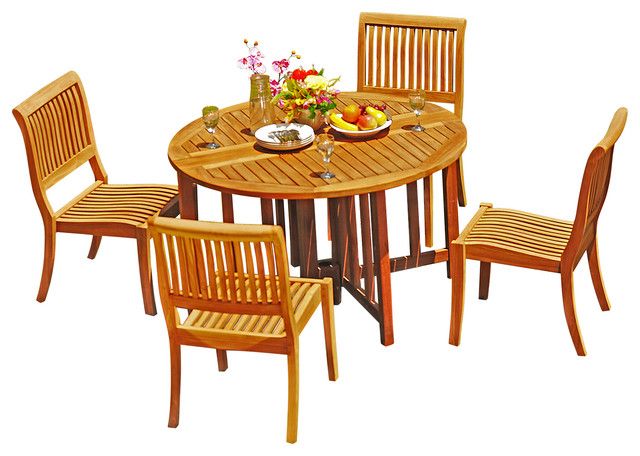
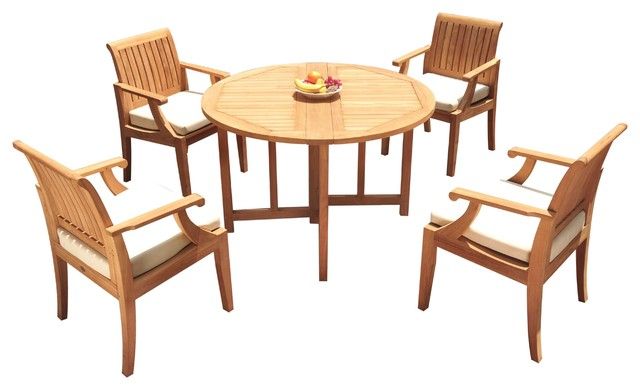
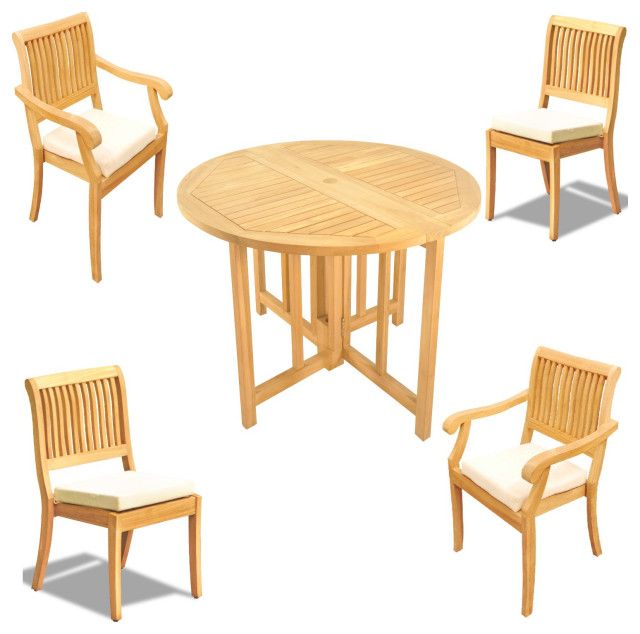
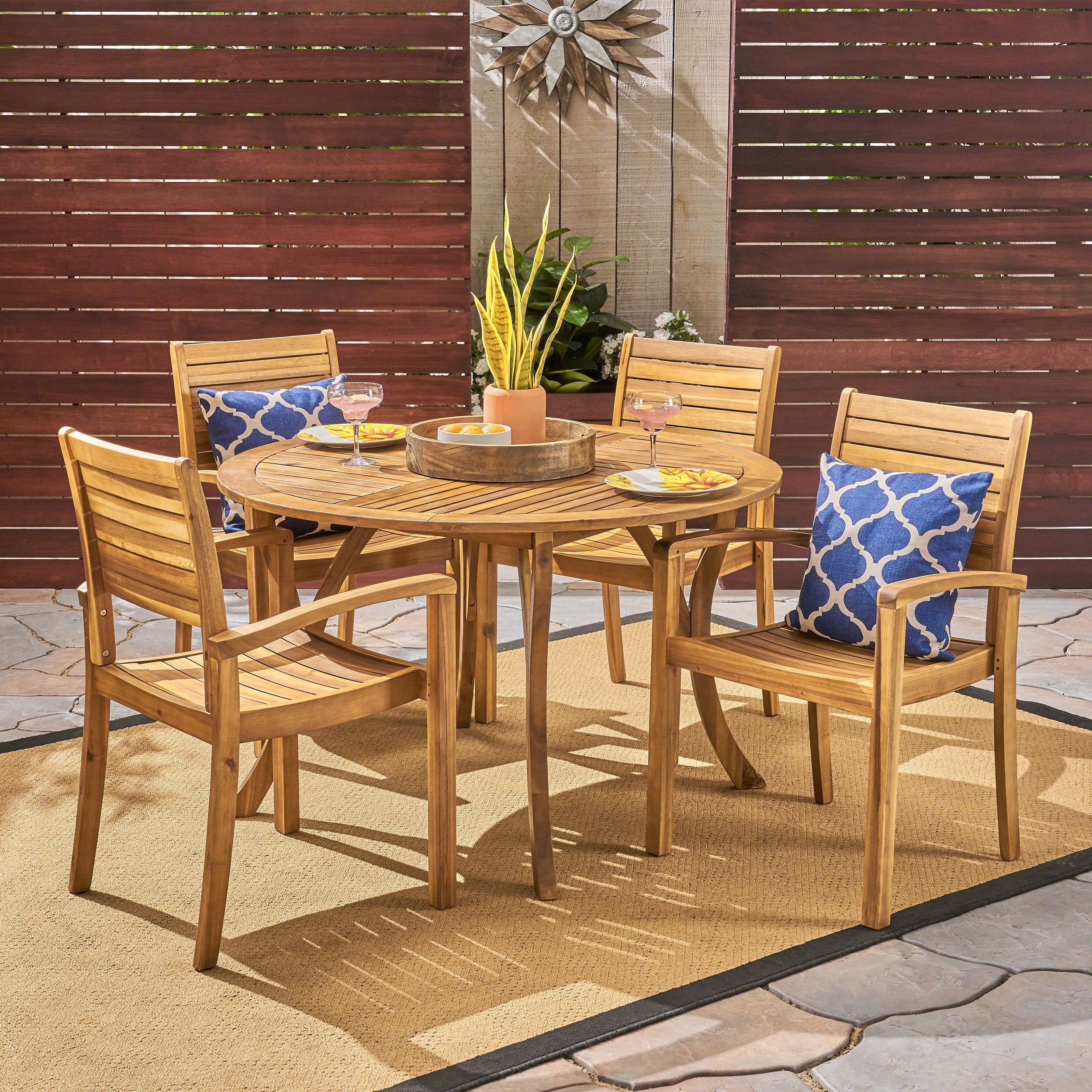
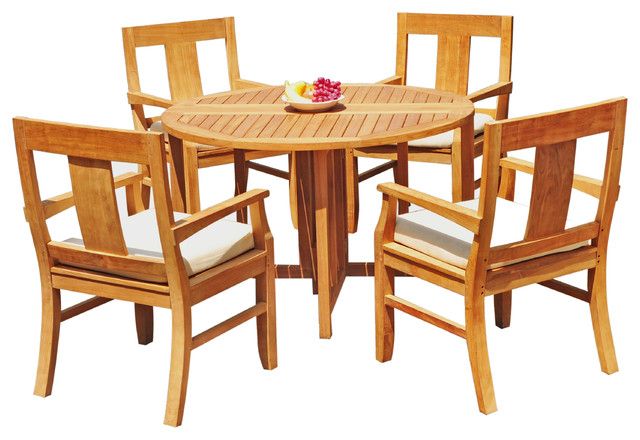
Picture this: a warm evening, soft candlelight flickering across weathered wooden tables, friends gathered around a set that’s been passed down through generations. These aren’t just pieces of furniture – they’re stories told through wood grain, metalwork, and careful attention to detail. What makes some outdoor dining sets feel like they belong in a museum while others just look like… well, outdoor furniture? It comes down to craftsmanship.
When we think about outdoor dining sets, we often focus on the obvious – the material, the style, maybe the price tag. But there’s so much more beneath the surface. Every outdoor dining set tells a story of skill, tradition, and sometimes, pure passion. The difference between a set that stands the test of time and one that falls apart after a few seasons isn’t just about materials. It’s about how those materials are handled, how they’re joined together, and how much thought went into every single component. Think about it – how many times have you seen a set that looks good but feels flimsy? Or one that’s built to last but lacks personality? The best outdoor dining sets strike that perfect balance between durability and beauty.
Materials That Stand the Test of Time
Outdoor dining sets face harsh conditions – rain, sun, temperature changes, and even the occasional grill fire. So what materials actually hold up under pressure? Let’s start with wood, which remains one of the most popular choices. Teak is often considered the gold standard because of its natural oils that repel water and insects. Cedar offers a beautiful aroma and good resistance to rot. But here’s the thing – even the best wood needs proper treatment and maintenance.
Metal frames, particularly aluminum and steel, have their place too. Aluminum is lightweight and rust-resistant, making it ideal for areas prone to moisture. Steel, when properly coated, can offer incredible strength. The real magic happens when these materials are combined thoughtfully. A teak table with aluminum legs might seem odd, but it’s actually a smart compromise. The wood provides comfort and aesthetics, while the metal handles the heavy lifting and weather exposure.
Don’t overlook the importance of cushions and fabrics either. Quality outdoor fabrics are designed to resist fading, mildew, and water damage. They’re often treated with special coatings that make them practically indestructible. And let’s not forget about hardware – the bolts, screws, and fasteners that hold everything together. These small components often determine whether a set will last decades or just a few seasons.
The Geometry of Good Design
What makes a dining set feel right? It’s not just about looking pretty – it’s about how everything fits together and works in harmony. The height of chairs relative to tables matters more than you might think. When the heights match perfectly, people can eat comfortably without straining their backs or reaching awkwardly. The space between chairs also plays a role. You want enough room for people to sit comfortably, but not so much that conversations become difficult.
Consider the shape of the table itself. Round tables encourage conversation and make it easier for people to reach across the surface. Rectangular tables work well for larger groups but can create awkward angles for diners at the ends. Square tables offer a middle ground, though they may not accommodate everyone perfectly. The size of the table matters too – a 4-foot round table might work for two, but it’s barely adequate for four people.
Then there’s the matter of proportions. A large, heavy table might be impressive, but if it’s too big for the space, it becomes unwieldy. A small table might be charming, but if it’s too small, it won’t serve its purpose. Good designers consider how the set will actually be used, not just how it looks on paper.
Joinery Techniques That Last
Here’s where things get really interesting – the invisible magic that keeps everything together. Joinery refers to how different pieces connect to each other. Some outdoor sets use simple screws or nails, which can work fine for basic applications. But premium sets often employ more sophisticated techniques.
Dovetail joints, for instance, interlock wood pieces in such a way that they’re nearly impossible to pull apart. They’re commonly used in high-end cabinetry and are excellent for outdoor furniture. Mortise and tenon joints are another classic technique where one piece fits snugly into another. These methods require skilled craftsmen and take more time, but they result in furniture that can withstand years of use.
Modern outdoor sets might use cam bolts or hidden fasteners that keep the aesthetic clean while providing strong connections. Some manufacturers use corner brackets or metal reinforcements that aren’t visible but add significant strength. The key is matching the joint method to the material being used. Wood requires different approaches than metal, and both have different requirements depending on whether they’ll be exposed to the elements.
Quality joinery is often what separates a set that’s meant to last from one that’s destined for the scrap heap.
Finishing Touches That Matter
The final layer of protection and beauty is where craftsmanship really shines. This is where a good set becomes great. Natural finishes like teak oil or linseed oil bring out the wood’s inherent beauty while protecting it from the elements. These treatments require regular maintenance, but they preserve the wood’s character and prevent cracking.
Stains and paints can be equally effective, especially when applied properly. High-quality exterior paints are formulated to handle UV exposure, moisture, and temperature fluctuations. They don’t just look good – they actually protect the underlying materials. The key is choosing products specifically designed for outdoor use.
Hardware finishing is often overlooked but crucial. Stainless steel components are preferred over regular steel because they resist corrosion better. Powder coating on metal parts creates a durable, attractive finish that won’t chip or fade easily. Even the smallest details like screw heads need attention – flush mounting or countersinking them keeps the surface smooth and prevents water accumulation.
A well-finished set not only looks better but also performs better. It resists weather damage, maintains its appearance longer, and generally gives users more satisfaction.
Cultural Influences on Outdoor Dining Design
Outdoor dining sets aren’t just functional objects – they carry cultural meanings and traditions. In Mediterranean countries, outdoor dining often features stone or concrete elements mixed with wood. The designs emphasize comfort and social gathering, with large, communal tables that bring people together. The materials reflect the climate and available resources – stone stays cool in hot weather, while wood provides warmth in cooler evenings.
Japanese outdoor dining sets often feature minimalist designs with natural materials. They emphasize harmony with nature and frequently incorporate elements like bamboo or natural fibers. These sets tend to be smaller and more intimate, reflecting cultural values around privacy and personal space.
Scandinavian outdoor dining reflects the region’s relationship with cold weather and the desire to maximize indoor-outdoor living. They often feature bright colors, simple lines, and materials that can handle freezing temperatures. The focus is on creating spaces that feel welcoming even in harsh conditions.
These cultural influences show how outdoor dining sets are more than just furniture – they’re expressions of lifestyle, climate adaptation, and social customs. Understanding these differences helps us appreciate why certain designs work better in specific environments.
Maintenance and Longevity Secrets
Even the best outdoor dining sets won’t last forever without proper care. The good news is that with simple maintenance, these pieces can provide years of enjoyment. Regular cleaning removes dirt and debris that can cause damage over time. A quick wipe-down after each use prevents salt, sand, and food residue from building up.
Seasonal maintenance is crucial. Before winter arrives, all wood surfaces should be cleaned and treated with appropriate protective coatings. Metal components need inspection for signs of rust or wear. Cushions should be removed and stored indoors or protected with covers.
Proper storage during off-seasons can extend a set’s life significantly. Indoor storage is ideal, but if that’s not possible, investing in quality covers is essential. These covers should be breathable to prevent moisture buildup while protecting against UV rays and physical damage.
Understanding the specific needs of your set’s materials is vital. Some woods benefit from annual oiling, while others prefer periodic sealing. Metal frames might need touch-up painting every few years. Knowing these requirements helps prevent costly repairs and keeps your investment looking fresh.
The real secret to longevity isn’t just about following instructions – it’s about developing a relationship with your outdoor dining set. Notice how it ages, learn what it needs, and treat it like the valuable piece of furniture it truly is.
Outdoor dining sets represent more than just furniture – they’re vessels for memories, gatherings, and moments of joy. The craftsmanship behind these pieces reflects centuries of knowledge, artistic sensibility, and practical wisdom. Every joint, every finish, every carefully chosen material contributes to the overall experience of dining outdoors. When you invest in a quality outdoor dining set, you’re not just buying furniture – you’re purchasing a foundation for countless meals shared with family and friends. The attention to detail, the thoughtful selection of materials, and the understanding of how people actually use these pieces creates sets that transcend mere functionality. Whether you’re planning your first outdoor dining setup or considering an upgrade, remember that the true value lies not just in what you see, but in what you can’t see – the invisible craftsmanship that makes everything work together beautifully. A well-made outdoor dining set isn’t just about surviving the weather – it’s about thriving in it.