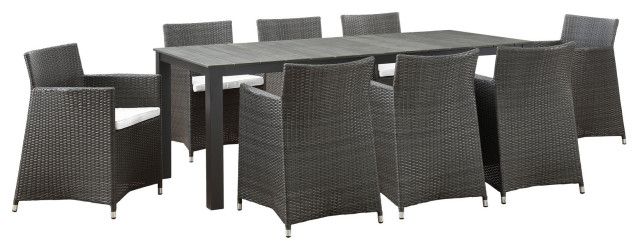
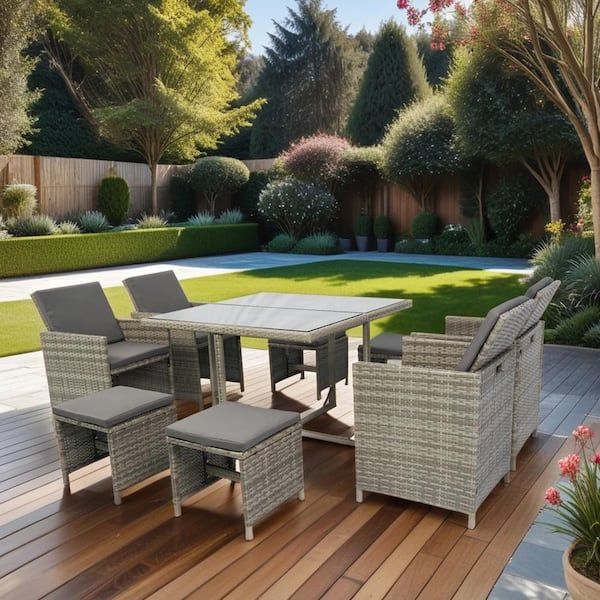
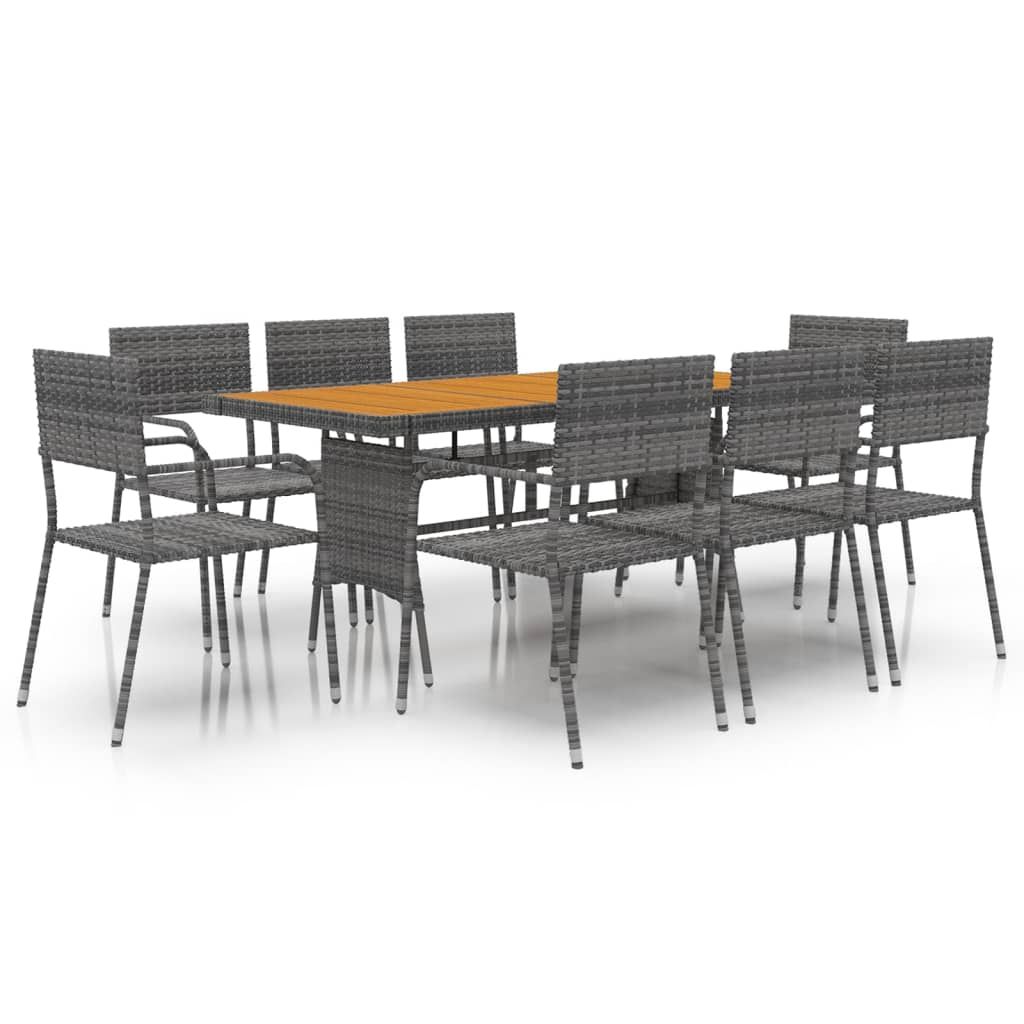
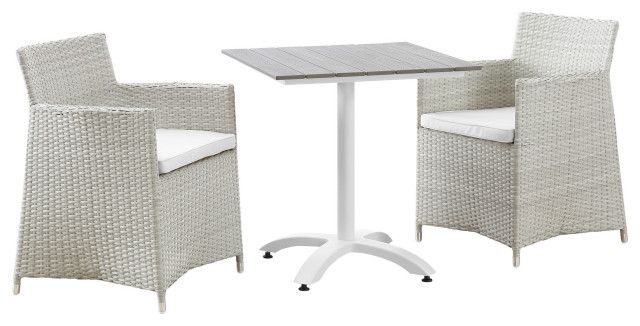
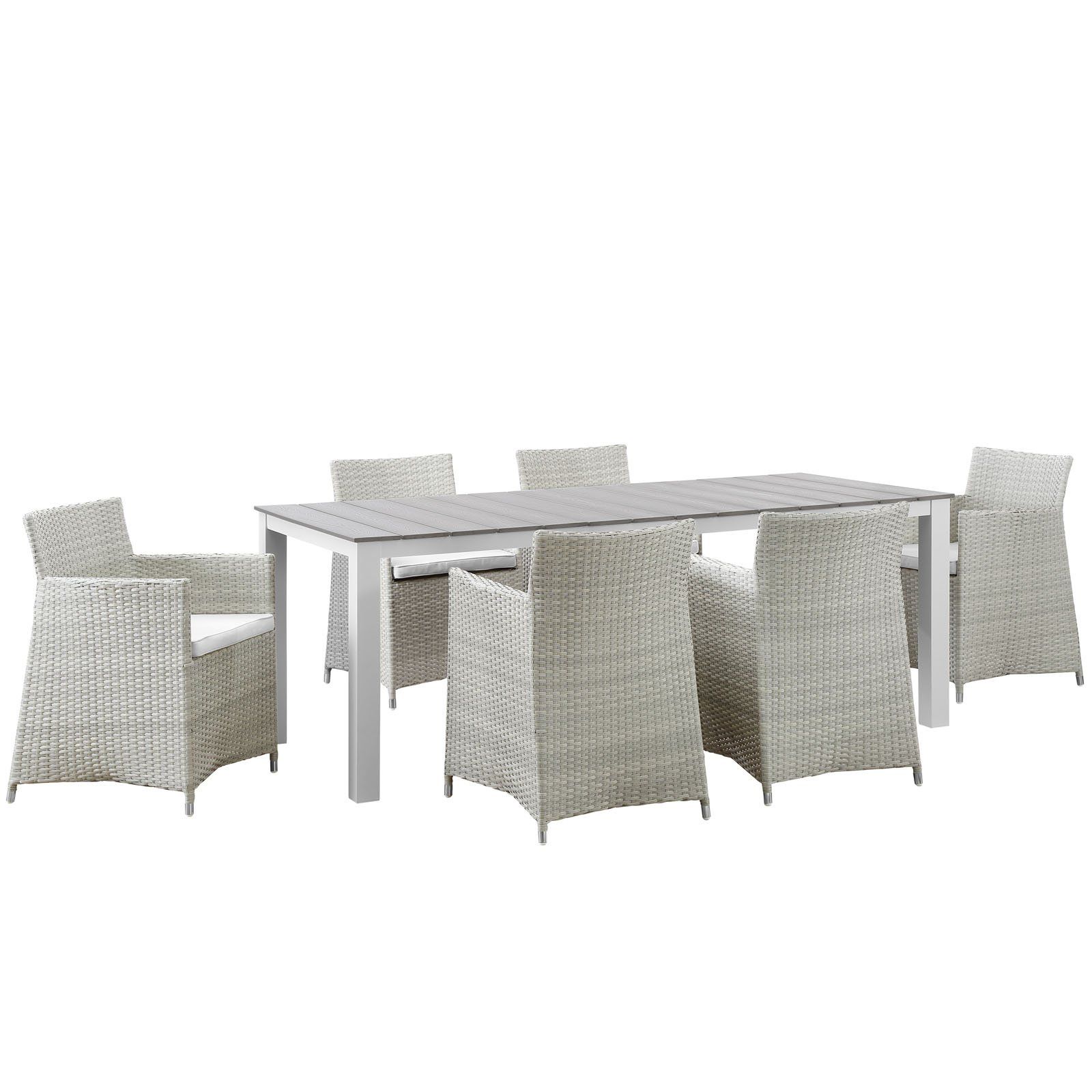
Picture this: You’ve invested in beautiful wicker furniture for your patio, only to see it fade, crack, or warp after just one harsh winter. Or perhaps you’ve bought the ‘all-weather’ piece that looks great but falls apart within months. These aren’t just frustrating experiences – they’re common pitfalls that many homeowners face when choosing outdoor seating. What if you could avoid these disappointments entirely? What if there were ways to ensure your wicker pieces not only survive but thrive through every season?
Wicker furniture has been a beloved choice for outdoor spaces for decades. Its natural appeal, versatility, and timeless charm make it a go-to option for many homeowners. But let’s be honest – not all wicker is created equal. Some pieces are built to last for generations, while others might disappoint you within a few seasons. Understanding the true nature of wicker materials, their weather resistance capabilities, and how to properly care for them can mean the difference between enjoying your outdoor space year-round or constantly replacing furniture that breaks down too quickly. This guide will walk you through everything you need to know to make smart choices about outdoor wicker furniture that will stand the test of time.
What Makes Wicker Furniture Weather Resistant?
The secret to durable outdoor wicker lies in understanding what materials make up the furniture and how they react to environmental factors. Natural wicker made from rattan or willow has its place in indoor settings, but it’s not designed for outdoor use. The key is looking for synthetic alternatives like polyethylene (PE) wicker or vinyl-coated rattan. These materials have been engineered specifically to withstand UV rays, moisture, and temperature fluctuations. When shopping, pay attention to whether the manufacturer explicitly states that the piece is "outdoor rated" or "weather resistant." Real-world experience shows that furniture labeled this way typically lasts significantly longer than those without such claims. Consider the difference between a basic woven rattan chair that might fade and crack in just two summers versus a high-quality PE wicker piece that maintains its appearance for over a decade. The investment in quality materials pays off in the long run.
Material Types and Their Performance
Different materials perform differently under various conditions. Let’s break down the main categories:
• Natural rattan: While gorgeous indoors, this material is prone to warping, fading, and cracking when exposed to rain and sun. It requires extensive maintenance and often needs replacement every few years.
• Polyethylene (PE) wicker: This synthetic material is the gold standard for outdoor furniture. It resists fading, doesn’t absorb water, and maintains its shape even during extreme weather. Many premium brands offer PE wicker that mimics natural rattan beautifully.
• Vinyl-coated wicker: This combines the look of natural wicker with added protection. The coating acts as a barrier against moisture and UV damage, though it may eventually peel or crack if not properly maintained.
• Aluminum frame with wicker weave: This combination offers excellent durability. The metal frame provides structural support while the wicker adds comfort and style. However, the wicker component still needs careful consideration of its material type.
Real-life testing reveals that PE wicker consistently outperforms natural rattan in outdoor conditions, lasting up to five times longer under similar circumstances. The key is matching the right material to your climate zone and usage expectations.
UV Protection and Color Fastness
One of the biggest concerns with outdoor wicker is color fading under constant sun exposure. Quality manufacturers address this issue by incorporating UV stabilizers directly into the material during production. This means the color becomes part of the material itself rather than just a surface treatment. Look for furniture that uses pigments specifically designed for outdoor use – these are typically more expensive but offer much better results. The difference between a piece that fades to gray within a season versus one that retains its original color for years is remarkable. Think about it: a bright blue wicker chair that stays vibrant all summer versus one that turns brown and unattractive. The former makes your outdoor space feel fresh and inviting, while the latter creates an eyesore that you’ll want to hide away. Premium outdoor wicker furniture often comes with warranties covering colorfastness for several years, which gives peace of mind to buyers.
Moisture Resistance and Water Damage Prevention
Water damage is another major threat to outdoor wicker furniture. The good news is that modern synthetic wicker handles moisture exceptionally well. Unlike natural materials that swell, rot, or mildew when wet, synthetic wicker allows water to run off its surface without being absorbed. This characteristic prevents mold growth and structural weakening. However, proper drainage matters – furniture with holes or gaps for water to escape performs better than solid pieces. For example, a wicker chair with small ventilation holes in the backrest will dry faster than one with a solid back panel. Additionally, some manufacturers add waterproofing treatments that further enhance moisture resistance. The key is ensuring that any wicker furniture you choose is specifically designed for outdoor moisture exposure rather than just occasional splashes. Regular cleaning after rain or spills helps maintain these protective properties.
Temperature Tolerance and Structural Integrity
Outdoor wicker furniture must handle the full range of temperatures experienced in most climates. In freezing conditions, some materials can become brittle and crack. Others expand and contract with temperature changes, potentially loosening joints or causing stress fractures. High-quality outdoor wicker is engineered to maintain flexibility across temperature ranges. This means it won’t snap in cold weather or warp in hot sun. The frame structure also plays a crucial role – aluminum or stainless steel frames provide superior stability compared to wood or cheaper metals. Testimonials from homeowners show that furniture with proper thermal resistance continues functioning perfectly through winter freezes and summer heat waves. A simple way to assess this is to ask about the material’s performance rating or look for products tested in various temperature conditions. Remember that the wicker itself isn’t the only factor – the entire construction must work together to maintain integrity.
Maintenance Tips for Longevity
Even the best outdoor wicker furniture needs some care to reach its full lifespan. Regular maintenance prevents small issues from becoming major problems. Here are essential practices:
• Seasonal cleaning: Wash with mild soap and water at least twice per year, especially before winter storage.
• Proper storage: When not in use, cover furniture with breathable covers or store in protected areas.
• Immediate attention to spills: Clean up water or liquid spills quickly to prevent staining or damage.
• Inspection routine: Check for loose connections, damaged wicker strands, or signs of wear regularly.
• Annual inspection: Have a professional examine structural elements annually if possible.
These simple steps can extend furniture life by years. Consider how much time and money you’d save by preventing replacement costs through proper care. Many homeowners find that maintaining their outdoor wicker furniture takes less than an hour each season, yet dramatically increases its longevity. It’s like giving your furniture a regular checkup – the investment in time pays dividends in enjoyment.
Making Smart Purchasing Decisions
Choosing the right outdoor wicker furniture starts with knowing what to look for. Start by researching reputable manufacturers who specialize in outdoor pieces. Read reviews from actual users who live in similar climates to yours. Pay attention to warranty terms – a good manufacturer stands behind their product with meaningful guarantees. Price isn’t always an indicator of quality, but extremely cheap options often indicate poor materials or manufacturing processes. The cost difference between a basic piece and a premium one can be significant, but consider the total cost over the furniture’s expected lifetime. For instance, spending $200 on a high-quality PE wicker set that lasts 15 years versus $80 on a lower-grade alternative that needs replacement every 3 years equals a better value overall. Also, consider buying from retailers who offer return policies or trial periods, allowing you to test the furniture before committing fully. The decision-making process should include both immediate budget considerations and long-term value assessment.
Signs of Quality and Durability
Identifying quality outdoor wicker furniture requires attention to several details. First, examine the weave pattern – tight, consistent weaves typically indicate better construction. Look for reinforced stress points where wicker meets frame components. Quality pieces often feature double or triple weaving in high-stress areas. The frame should feel solid and substantial, not flimsy or thin. Check that all hardware is corrosion-resistant, preferably stainless steel or coated metals. Another sign is the presence of UV protection markers on the manufacturer’s specifications. Finally, examine the warranty offered – a comprehensive warranty covering materials and workmanship indicates confidence in the product. Real-world experience shows that furniture with these characteristics typically outlasts cheaper alternatives by significant margins. Sometimes the most obvious indicators are the simplest: a piece that feels substantial in hand, looks well-made, and comes with reliable manufacturer support usually delivers on its promises.
Outdoor wicker furniture can be a wonderful addition to any home when you understand what to look for and how to care for it properly. The key is recognizing that not all wicker is created equal, and making informed decisions based on material quality, weather resistance features, and proper maintenance practices. By investing in quality pieces from reputable manufacturers and following simple care routines, you can enjoy beautiful, functional outdoor seating for many years. Remember that the initial cost is just one part of the equation – the total cost of ownership over time matters more. The satisfaction of having furniture that truly withstands the elements, looking good and performing well through every season, makes the effort worthwhile. Whether you’re setting up a new patio or refreshing an existing space, choosing weather-resistant wicker furniture ensures you’ll be comfortable and stylish regardless of what Mother Nature throws your way. The right wicker piece becomes a trusted companion for countless outdoor moments, not just a seasonal decoration.