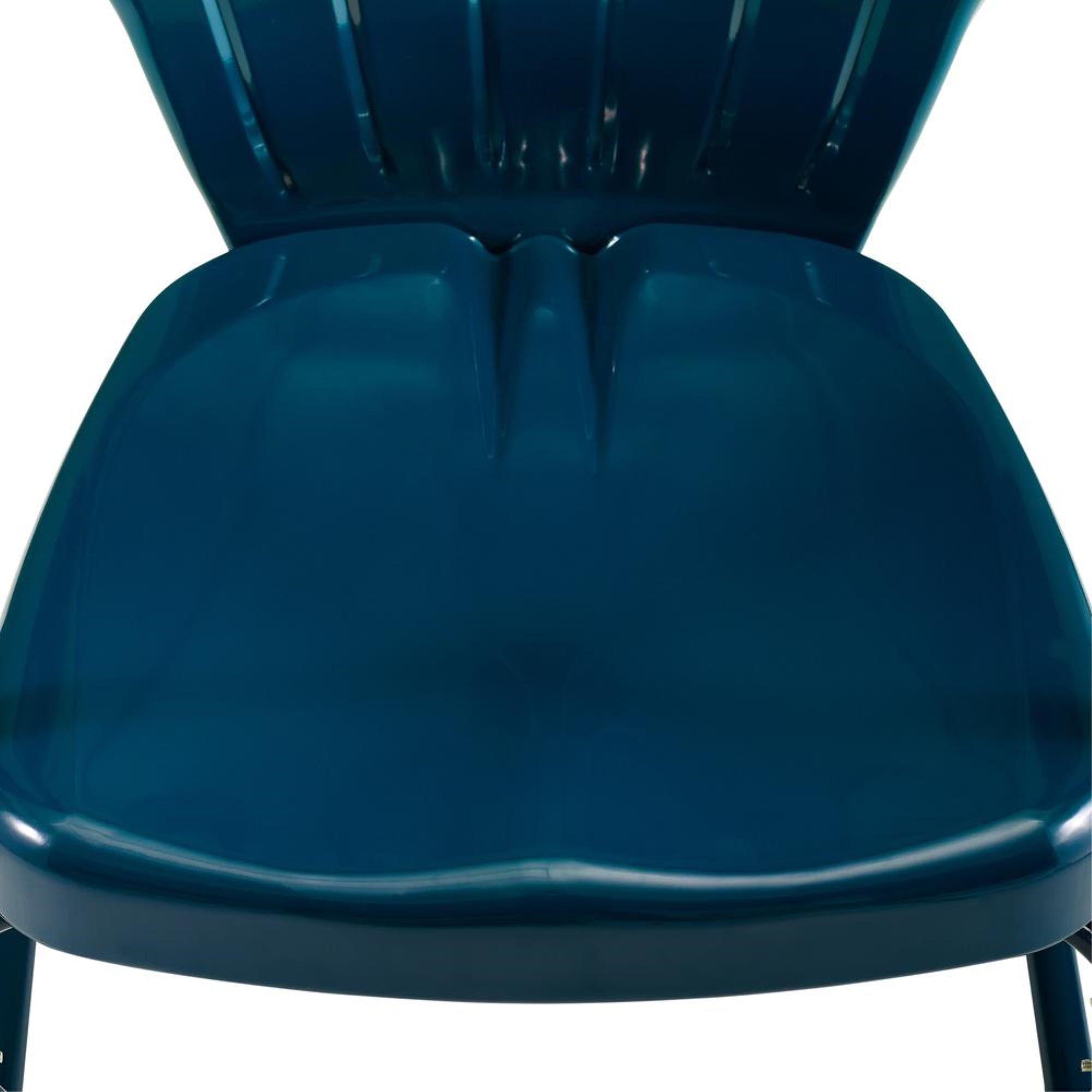
When you think about creating the perfect outdoor entertaining area, it’s easy to focus on the aesthetics – the beautiful plants, the stylish decor, the stunning views. But what really makes an outdoor space memorable isn’t just how it looks in the moment. It’s about building something that will serve you and your guests for many seasons to come.
Picture this: you’ve finally created that dream backyard setup. The sun is setting, friends are gathered around a perfectly arranged dining table, laughter fills the air, and everyone is enjoying good food and even better company. That feeling of accomplishment – knowing your outdoor space brings people together year after year – is priceless. But here’s the thing that often gets overlooked when planning these areas: the importance of choosing furniture that stands up to weather, time, and regular use. A well-chosen dining set can transform a simple patio into a gathering place that becomes the heart of your home. This isn’t just about buying pretty things. It’s about investing in pieces that will hold their shape, resist the elements, and continue to bring joy to your family for years ahead.
Understanding Outdoor Furniture Durability
Not all outdoor furniture is built equal. When you’re thinking about creating a lasting entertainment space, understanding what makes furniture durable is crucial. Think about it like this – if you’re planning to use your outdoor dining area regularly, you want pieces that can handle everything from morning coffee to evening barbecues, rainstorms to summer heat. Materials play a huge role in how long furniture will last. Aluminum frames are lightweight and rust-resistant, making them ideal for coastal areas or places with high humidity. Teak wood offers natural resistance to moisture and insects, while synthetic wicker provides the look of traditional rattan without the maintenance issues. The key is matching your furniture material to your local climate and usage patterns. Consider your region’s weather extremes, how often you’ll use the space, and whether you prefer low-maintenance options or are willing to put in some extra care. For instance, if you live in a place with harsh winters, you’ll want to avoid materials that can crack or fade in freezing temperatures. And if you have pets or children who might accidentally knock over drinks, durability becomes even more important than style.
Choosing the Right Materials for Longevity
Let’s dive deeper into what materials actually work best for outdoor dining furniture. Stainless steel is excellent for frames because it won’t rust and can handle salt air beautifully. Cedar and redwood are popular choices for wooden pieces due to their natural oils that repel insects and moisture. Synthetic materials like polyethylene and polypropylene offer great durability while maintaining a natural appearance. These plastics are designed specifically for outdoor use and can handle UV exposure without fading badly. Wicker made from synthetic fibers holds up much better than natural wicker, which tends to deteriorate quickly when exposed to moisture. The truth is, there’s no one-size-fits-all solution here. What works perfectly for someone living in Florida might not be suitable for someone in Minnesota. You need to consider factors like cost, maintenance requirements, and your personal aesthetic preferences. Some people love the rustic charm of weathered teak, while others prefer the clean lines of modern aluminum. The most important thing is being honest about what you’re willing to invest in terms of both money and upkeep.
Design Principles for Lasting Appeal
Creating an outdoor dining space that lasts means thinking beyond just the furniture itself. It’s about crafting a space that feels intentional and cohesive. Start with a clear plan for how you’ll use the area. Will it be for intimate dinners, large gatherings, or maybe a combination? This will influence everything from the size of your table to the seating arrangement. Consider the flow of traffic – you want enough room for people to move around comfortably without bumping into each other or furniture. A good rule of thumb is to allow at least three feet of clearance around your dining area. Also, think about the surrounding environment. If you have trees nearby, consider how they’ll affect shade and light throughout the day. This isn’t just about aesthetics – it’s about making sure your space remains comfortable and functional in different conditions. The right design can make all the difference between a space that gets used regularly and one that gathers dust. You want your outdoor dining area to feel like a natural extension of your indoor living space, where people want to spend time rather than just pass through.
Investment vs. Cost Considerations
Here’s where things get interesting. When you’re planning to build a lasting outdoor entertainment space, the question of investment versus immediate cost comes up often. It’s tempting to go for the cheapest option, especially if you’re on a tight budget. But think about what happens when you have to replace furniture every couple of years. That’s not just a financial burden – it’s also time-consuming and frustrating. High-quality outdoor furniture might cost more upfront, but it pays off in reduced replacement costs and less hassle over time. A well-made dining table can easily last twenty years or more with proper care. This isn’t just about spending money – it’s about smart spending. Look for pieces that offer the best balance of quality, durability, and price. Sometimes the most expensive item isn’t necessarily the best choice. Instead, focus on finding items that represent good value for your specific needs. Consider buying quality pieces gradually rather than trying to outfit everything at once. This approach helps spread out costs while still building a cohesive space. Remember, you don’t need to buy everything new at once to create a lasting impression.
Maintenance and Care Strategies
Even the best outdoor furniture needs some attention to stay looking great. This is where maintenance strategies become essential. Regular cleaning is non-negotiable. Every few weeks, give your furniture a quick wipe-down with mild soap and water. For wooden pieces, applying a protective sealant annually can help prevent weather damage. Metal furniture benefits from periodic inspection for signs of rust or corrosion. Addressing small problems early prevents bigger issues later. Store cushions and smaller accessories indoors during harsh weather seasons. Many outdoor dining sets come with specific care instructions that are worth following closely. Some materials, like certain types of synthetic wicker, require very little maintenance, while others need more regular attention. The key is establishing a routine that fits your lifestyle and commitment level. Don’t let the idea of maintenance discourage you from investing in quality pieces. Proper care extends life significantly and keeps your space looking its best. Think of it as tending to a garden – consistent small efforts yield big results over time. And yes, some maintenance is normal and expected. A little effort now saves you from major headaches later.
Real-Life Examples and Case Studies
Let’s look at some actual situations to see what works well in practice. Sarah from Portland, Oregon, invested in a teak dining set for her deck. She chose it because she wanted something that would age gracefully and handle the Pacific Northwest’s frequent rain. After eight years, her table still looks magnificent, though she does apply a wood preservative twice yearly. Meanwhile, the Johnson family in Miami bought aluminum furniture for their poolside area. They prioritized rust resistance and easy maintenance, which has served them well through countless beachfront parties. Their set has endured salt spray and intense UV exposure for over ten years. In contrast, the Martinez family in Colorado initially bought cheaper synthetic wicker furniture. Within three years, the material began to crack and fade under constant temperature changes. They learned the hard way that material selection matters enormously based on climate. These stories show that there’s no magic formula, but they do illustrate that thoughtful choices pay dividends. What works for one family might not work for another, but the key is matching materials to conditions and expectations. The most successful outdoor dining spaces tend to be those where owners took time to research and choose appropriately for their specific situation.
Future-Proofing Your Outdoor Space
Thinking ahead is crucial when building lasting outdoor entertainment spaces. Trends change, but good design principles remain constant. Choose pieces that are versatile enough to adapt to changing needs over time. A modular dining system allows you to add or remove sections as your family grows or your lifestyle changes. Consider storage solutions that keep your furniture organized and protected when not in use. This might include furniture covers, storage sheds, or even built-in storage areas. Smart design also means considering accessibility. Make sure your space is usable by people of various ages and abilities. Ramps, appropriate height tables, and comfortable seating contribute to longevity in usability. Planning for future modifications or additions helps ensure your investment continues to serve you well. Think about how your space might evolve – perhaps adding a grill station, extending the dining area, or incorporating more seating. The most enduring outdoor spaces are those that can grow with their owners’ changing needs and preferences. By designing with flexibility in mind, you create a foundation that can support many years of enjoyment.
Building lasting outdoor entertaining spaces is about more than just buying nice furniture. It’s about creating experiences that bring people together, year after year. When you invest thoughtfully in quality dining furniture, you’re not just purchasing items – you’re investing in memories and moments that matter. The key lies in understanding your needs, choosing appropriate materials for your environment, and committing to proper maintenance. It’s okay to start small and build gradually, but be consistent in your choices. Remember that the best outdoor spaces are those that reflect your lifestyle and values. Whether you prefer the classic appeal of teak, the modern lines of aluminum, or the comfort of synthetic materials, the right choice depends on what you want to achieve. Don’t let the fear of making the wrong choice paralyze you. Start with what feels right for your situation, and adjust as needed. The most important thing is to create a space where you and your loved ones will want to gather, laugh, and create lasting memories. Your future self will thank you for taking the time to get it right the first time.