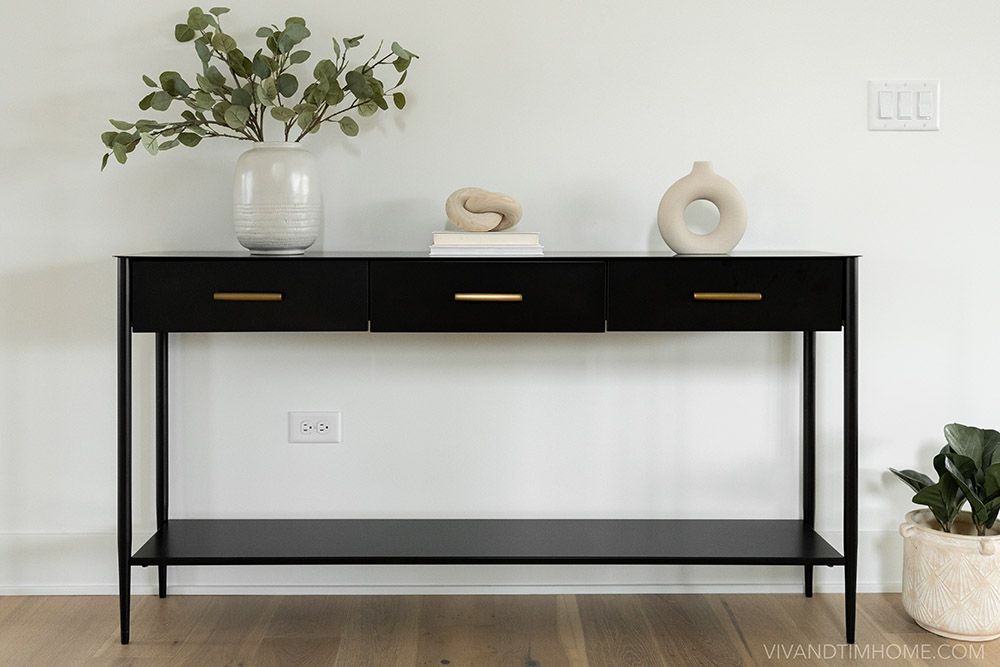
Every great console table starts with a simple piece of wood. But what happens between that raw material and the beautiful piece you see in your living room? The answer lies in centuries-old techniques combined with modern precision. These aren’t just tables – they’re works of art created through careful attention to detail, solid construction methods, and a deep understanding of materials.
When you walk into a room and spot that stunning console table, you might think it’s just furniture. But behind every quality piece lies a story of craftsmanship, patience, and skill. The journey from a simple log to a masterpiece isn’t something most people consider. It involves careful planning, precise measurements, and an understanding of how wood behaves under different conditions. This isn’t just about making something look good – it’s about creating something that will last for generations. What makes one console table truly exceptional compared to another? Let’s explore the hidden world of quality construction.
Understanding the Foundation: Wood Selection and Preparation
The first step in crafting a quality console table is choosing the right wood. Not all woods are created equal, and selecting the proper material sets the foundation for everything that follows. Hardwoods like oak, maple, and cherry offer durability and beauty, while softer woods may be better for certain styles.
Wood selection goes beyond just aesthetics. Grain patterns matter, as do the wood’s natural characteristics. A table with straight grain lines tends to be more stable than one with wavy or irregular grain patterns. The wood must also be properly dried to prevent warping over time.
Here’s what happens during preparation:
• Wood is seasoned for months or even years
• Grains are aligned carefully
• Any knots or imperfections are identified
• Surface is smoothed to perfection
This meticulous process ensures that when the table finally comes together, it’s built on a solid foundation. You’ll notice the difference immediately – a well-prepared piece feels substantial and looks refined. The craftsmanship begins long before the first cut is made.
The Critical Process of Joinery Techniques
If wood is the foundation, joinery is the skeleton of any quality console table. These connections determine how strong and lasting the piece will be. Poor joinery leads to wobbly tables, cracked joints, and eventual failure. Good joinery, however, creates something that stands the test of time.
Traditional joinery methods include:
• Mortise and tenon joints
• Dovetail connections
• Pocket screws
• Dowel joints
• Biscuit joints
Each method has its place. Mortise and tenon, for instance, are incredibly strong and often used in high-end pieces. They require precise cutting and fitting, but the results are worth it. Dovetails, with their interlocking shapes, provide both strength and visual appeal.
Modern craftsmen combine these traditional techniques with contemporary adhesives and fasteners. The key is finding the right balance between old-world wisdom and new technology. A skilled craftsman knows when to use each method based on the table’s design, intended use, and expected lifespan.
Think about it – when you’ve got a table that’s been passed down through generations, it’s likely because the joinery was done right. The strength of the connection between pieces matters more than anything else in terms of longevity.
Precision in Measurement and Design Planning
Before any wood is cut, there’s extensive planning. This might seem obvious, but the level of precision required is remarkable. Every dimension matters – from the width of the tabletop to the height of the legs. Measurements must account for expansion and contraction, weight distribution, and stability.
Designers consider several factors:
• Weight capacity requirements
• Room proportions and placement
• Structural integrity under load
• Aesthetic balance and visual appeal
• Material properties and limitations
A common mistake beginners make is assuming that bigger is better. In reality, a well-designed table might be smaller than expected but perfectly proportioned. The right balance of elements creates harmony rather than overwhelming presence.
Craftsmen often create detailed blueprints and scale models before beginning work. Some even build mock-ups using less expensive materials to test their designs. This approach prevents costly mistakes later in the process. When you see a perfectly balanced console table, it’s because someone spent time thinking through every measurement and proportion.
The planning phase can take weeks or months, especially for complex designs. But this investment pays off in the final product’s stability and beauty.
Finishing: The Final Touch That Makes All the Difference
After construction comes finishing – the stage where a table transforms from functional piece to showpiece. This is where the magic happens, where wood gains its final character and protection. A poorly finished table might look decent initially, but it will deteriorate quickly.
The finishing process includes:
• Sanding to smooth surfaces
• Applying protective coatings
• Adding decorative elements
• Ensuring even color and texture
• Creating a durable surface
Different woods respond differently to various finishes. Oak might benefit from a clear coat that highlights its natural grain, while cherry wood often looks best with a rich stain that brings out its warmth. The choice of finish affects not just appearance but also durability and maintenance requirements.
Quality craftsmen pay attention to details like edge treatments, corner protection, and surface smoothness. They might apply multiple coats of finish, sanding lightly between each application. This careful process ensures that the final result is both beautiful and functional.
Consider how a well-finished table looks in different lighting conditions. The way light reflects off its surface reveals the skill that went into its creation. It’s not just about covering the wood – it’s about enhancing its natural qualities.
Structural Integrity: Ensuring Longevity Through Smart Design
A quality console table isn’t just about looks – it’s about function that lasts. The internal structure must support the weight of items placed on it while maintaining stability. This requires careful engineering and attention to stress points.
Key considerations include:
• Load-bearing capacity calculations
• Support beam placement
• Leg spacing and reinforcement
• Cross-bracing for stability
• Weight distribution across the piece
Many modern tables incorporate hidden braces or internal supports that aren’t visible from the outside. These elements ensure that the table can handle daily use without flexing or creaking. A well-constructed table should feel solid when you touch it – no wobble, no instability.
The design also accounts for environmental factors. Tables in humid environments might need special treatments or materials that resist moisture. Those in high-traffic areas require extra reinforcement in critical areas. Understanding how the table will be used helps determine appropriate structural choices.
What many people don’t realize is that a table that’s structurally sound will continue to look good for decades. The right combination of materials, design, and construction prevents future problems that could compromise its appearance or functionality.
Quality Control: The Inspection Process That Ensures Excellence
Even the most experienced craftsmen understand that quality control is essential. No matter how skilled someone is, there’s always room for improvement. The inspection process catches potential problems before they become major issues.
Quality checks include:
• Dimensional accuracy verification
• Joint tightness assessment
• Surface smoothness evaluation
• Stability testing under load
• Finish quality review
During inspection, craftsmen look for imperfections that might not be obvious at first glance. They check for gaps between pieces, uneven surfaces, or areas where the finish might be thin. These small details matter enormously in the end result.
Some artisans have specific rituals for checking their work. They might tap the table with a small hammer to listen for hollow spots, or they’ll test the stability by gently shaking it. Others prefer to examine the piece under different lighting conditions to catch any inconsistencies.
This final step isn’t just about finding faults – it’s about ensuring that every aspect meets the standard of excellence. A quality console table should pass every test, whether it’s a gentle push or a heavy book placed on its surface. The attention to detail in quality control separates truly exceptional pieces from merely good ones.
Building a quality console table isn’t just about following instructions – it’s about understanding materials, respecting tradition, and embracing innovation. Every element, from the initial wood selection to the final inspection, plays a crucial role in creating something that’s both beautiful and durable. When you appreciate the craftsmanship behind a well-made console table, you’re recognizing the skill and dedication of those who took time to do it right. The next time you admire a beautiful piece in your home or a showroom, remember that it represents countless hours of thoughtful work. The true value isn’t just in what you see – it’s in what you can’t see: the careful planning, the precise execution, and the unwavering commitment to excellence that goes into every quality piece.