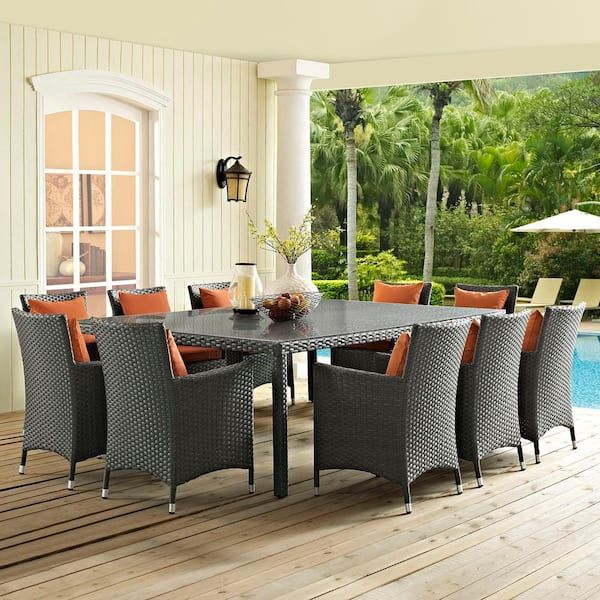
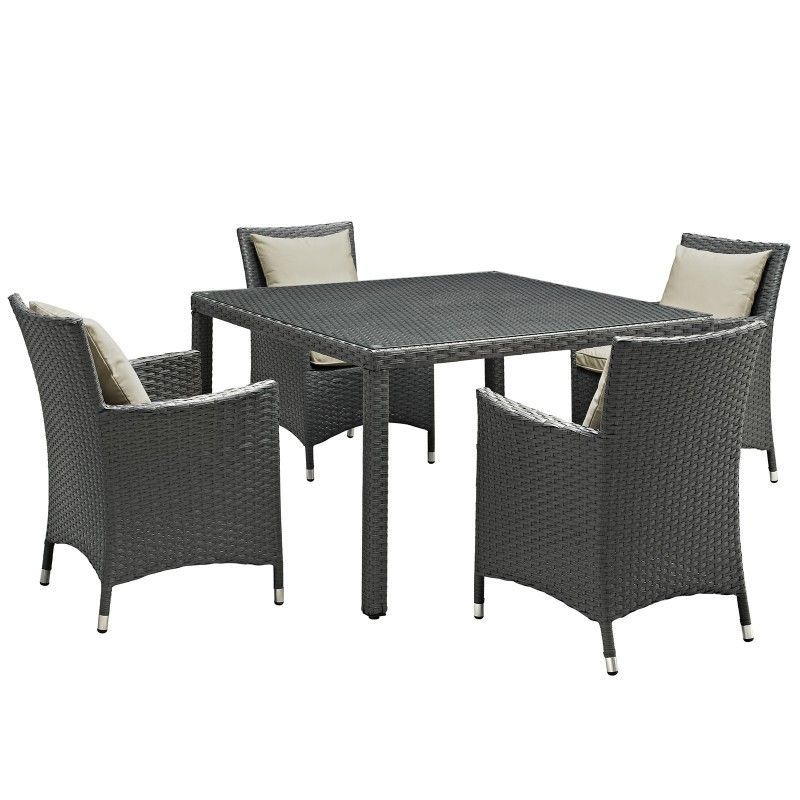
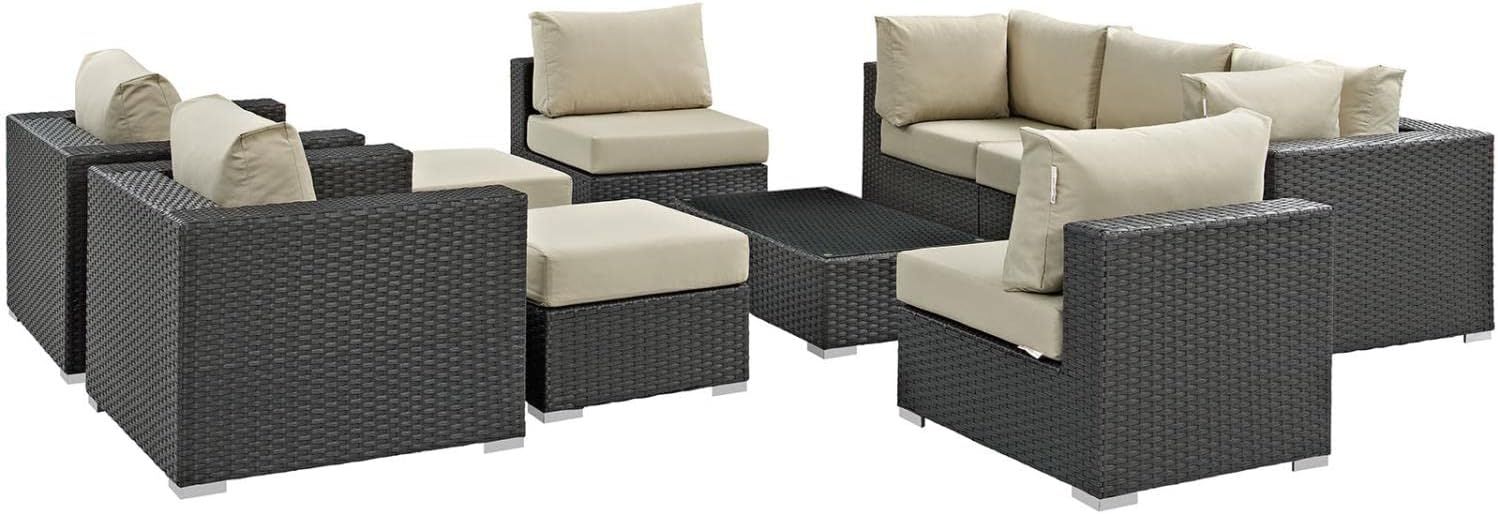
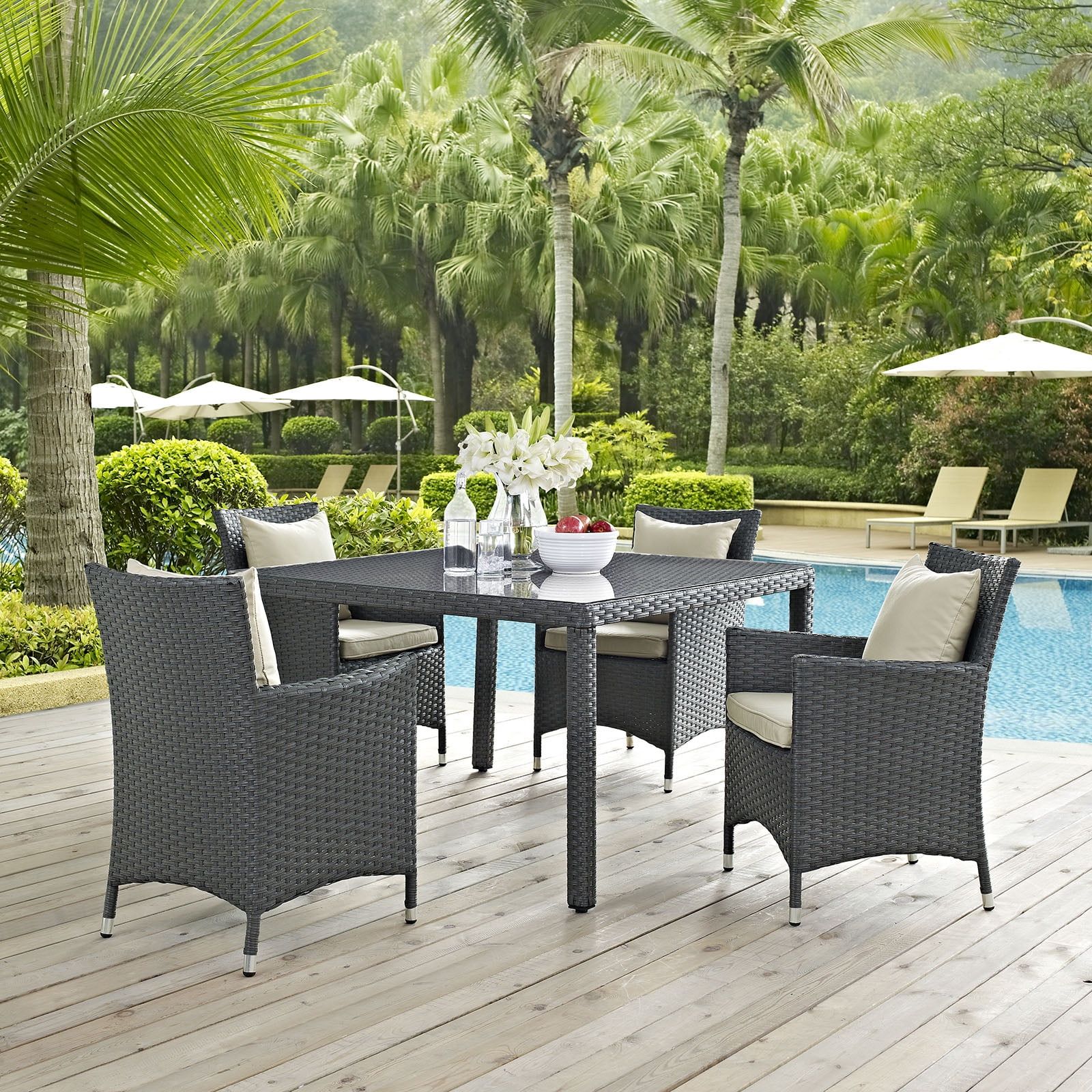
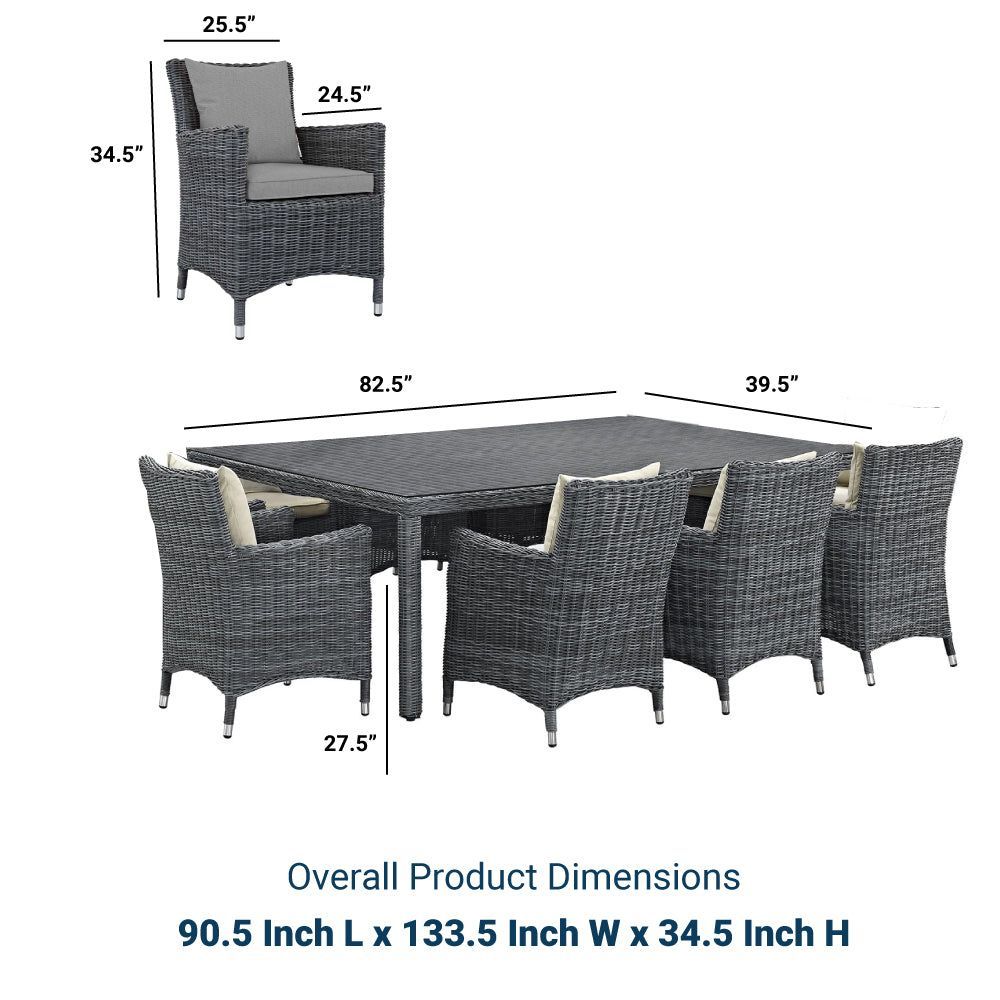
Picture this: you’ve just bought beautiful rattan furniture for your patio, ready to enjoy summer evenings with family and friends. But then comes the first rainstorm, followed by scorching sun, and you start wondering – will this stuff really hold up? The answer isn’t simple, but it’s definitely worth knowing if you want to make smart choices for your outdoor space.
When it comes to outdoor furniture, rattan often gets a bad rap. Many people think it’s just a fancy way to describe something fragile that wilts under harsh conditions. But the truth is much more nuanced. Rattan furniture isn’t inherently weak, though its durability depends heavily on quality, treatment, and how you care for it. Some pieces can survive decades of outdoor use, while others might disappoint after just a few seasons. What makes the difference? Let’s dive into what actually happens to rattan when exposed to weather and how you can tell which pieces will stand the test of time.
What Is Rattan, Really?
Rattan isn’t wood, despite common belief. It’s actually a type of palm vine that grows in tropical regions across Asia and Africa. These vines can reach lengths of over 100 feet and take decades to mature before they’re harvested. The plant produces a hard, durable fiber that’s been used for centuries to make everything from baskets to furniture.
This natural material has several advantages. Its fibers are incredibly strong, yet flexible enough to be woven into complex shapes. Unlike traditional hardwoods, rattan doesn’t warp or split easily, and it’s naturally resistant to insects and moisture. However, the raw material alone isn’t enough to guarantee longevity. The way rattan is processed and treated determines whether it will last for years or fade quickly in the elements.
Natural Properties That Help Weather Resistance
The good news is that rattan already has some built-in defenses against the weather. Here’s what makes it somewhat resilient:
• Natural water resistance – Rattan fibers repel water to some degree, preventing immediate saturation.
• Insect resistance – The plant’s chemical composition helps protect against termites and other pests.
• Flexibility – Unlike rigid woods, rattan can bend slightly without breaking, helping it withstand wind and movement.
• UV stability – Some varieties have better protection against sun damage than others.
But these traits aren’t magic bullets. They’re simply starting points. If you want your rattan furniture to last outdoors, you need to understand how environmental factors affect it and what treatments can boost its resilience.
Factors That Destroy Rattan Furniture
Unfortunately, rattan isn’t immune to the elements. Several things can cause problems:
• Moisture – While rattan resists water, prolonged exposure to wet conditions can lead to rot, especially in the joints where wood or metal components meet.
• Sunlight – UV rays break down the fibers over time, causing fading and brittleness.
• Temperature extremes – Freezing and thawing cycles can cause expansion and contraction that damages the structure.
• Poor construction – Weak weaving, cheap materials, or poor finishing all lead to early failure.
• Inadequate maintenance – Not cleaning regularly or failing to apply protective treatments accelerates deterioration.
These issues compound each other. For example, wet rattan left in direct sunlight will deteriorate faster than dry rattan in shade. The key is understanding how these factors work together to impact your furniture.
Types of Rattan and Their Performance
Not all rattan is created equal. Different types offer varying levels of durability:
• Natural rattan – This is the most traditional form, often called ‘seagrass’ or ‘palm rattan.’ It’s beautiful but needs more protection from the weather.
• Synthetic rattan – Made from plastic or resin, this version is much more weather-resistant and requires less maintenance.
• Wicker – Often confused with rattan, wicker can be made from various materials including rattan, but may not always be genuine rattan.
• Resin wicker – A blend of synthetic materials that mimics rattan appearance but offers superior outdoor performance.
Synthetic options generally outperform natural rattan in harsh conditions. They don’t fade, don’t rot, and can handle extreme temperatures better. Natural rattan, when properly treated and maintained, can still provide many years of service.
Protective Treatments and Finishes
Proper treatment can dramatically extend rattan furniture life outdoors. Here are the most effective methods:
• Sealants and coatings – Applying waterproof sealers creates barriers against moisture penetration.
• UV protectants – Special formulas shield the material from sun damage and prevent fading.
• Staining or painting – These can add both color and protection, though they require periodic reapplication.
• Regular cleaning – Removing dirt, mold, and mildew prevents buildup that can damage the fibers.
Some manufacturers treat their rattan furniture with specialized finishes during production. These pre-treatments can make a huge difference in performance. Always check what kind of treatment was applied before purchasing.
Signs Your Rattan Furniture Is Deteriorating
Knowing how to spot problems early can save you money and frustration. Watch for these warning signs:
• Fading or discoloration – Colors becoming pale or uneven.
• Cracking or splitting – Small fractures appearing in the weave or joints.
• Loose or broken strands – Individual rattan pieces coming apart.
• Mold or mildew growth – Especially in corners or areas that stay damp.
• Warping or bending – Structural changes indicating stress or moisture damage.
If you notice any of these signs, it’s time to consider repair or replacement. Early intervention often works better than waiting until the problem becomes severe.
Making Smart Choices for Outdoor Rattan
Buying rattan furniture for outdoor use requires careful consideration. Here’s what to look for:
• Quality construction – Check that joints are secure and weaving is tight.
• Proper treatment – Look for products labeled as ‘outdoor rated’ or ‘weatherproof.’
• Material source – Know if it’s natural or synthetic rattan.
• Warranty coverage – A good manufacturer stands behind their product.
• Reviews from actual users – Real-world experience matters more than marketing claims.
Consider your local climate too. If you live in a place with heavy rainfall and intense sun, go for synthetic options. If you’re in a milder climate, well-treated natural rattan might serve you fine. Also remember that even the best rattan furniture needs regular maintenance to last.
Maintenance Tips for Extended Life
Regular upkeep keeps rattan furniture looking great and performing well. Here’s how to keep yours in top shape:
• Clean monthly – Remove dust, debris, and spills promptly.
• Treat annually – Apply protective coatings according to manufacturer instructions.
• Store properly during winter – Bring indoor or cover carefully.
• Check for damage regularly – Fix small problems before they grow.
• Use protective covers – Even temporary protection helps.
Simple steps like these can double or triple your furniture’s lifespan. Think of it as investing in your outdoor space rather than just buying furniture.
Rattan furniture isn’t the fragile wonder many people assume it to be. With proper selection, treatment, and maintenance, it can provide years of enjoyment outdoors. The key lies in understanding what makes certain pieces more resilient than others. Whether you choose natural or synthetic rattan, the investment in quality and care pays off in the long run. So next time you’re shopping for outdoor seating, don’t dismiss rattan right away. Instead, ask the right questions, do your research, and pick pieces that match your lifestyle and climate. Your future self will thank you for making informed choices today.