Your living room is often the heart of the home, where families gather, friends visit, and memories are made. But choosing the right furniture isn’t just about picking something that looks good. It’s about creating a space that works for your life, feels comfortable, and reflects your personality. The right furniture choices can transform a room from merely functional to truly inviting.
When you think about your living room, what comes to mind? Is it the cozy armchair where you read every morning? The coffee table where you share meals with family? Or perhaps the conversation area where friends gather after work? These elements matter because they shape how you actually live in your space. Selecting furniture involves more than aesthetics. It requires understanding how different pieces interact, how they serve your daily needs, and how they contribute to the overall feel of your room. This guide will walk you through the essential design factors that influence successful living room furniture selection.
Understanding Your Space and Lifestyle
Before diving into furniture options, take a careful look at your room. Measure everything carefully – the dimensions of walls, doorways, and windows. Consider how you currently use the space and what activities happen there regularly. Do you entertain guests often? Do you have young children who need safe spaces to play? Are you someone who enjoys quiet reading time? These answers shape the furniture you’ll want. For example, if you love hosting parties, you’ll probably need a large sofa that can accommodate multiple people. If you’re a parent, you might prioritize durable fabrics that can handle spills and wear. Understanding your lifestyle helps you avoid buying furniture that doesn’t fit your actual needs. Sometimes we fall in love with beautiful pieces that simply won’t work in our real lives. Think about how you move through the room, too. Will you be able to walk around comfortably? Is there enough space for a dining table if you plan to eat there?
Color and Style Harmony
Color plays a huge role in how a room feels and looks. When selecting furniture, consider both the existing color scheme and what you want to achieve. If your walls are light and neutral, you might want to add bold accent colors through your furniture. Darker rooms can benefit from lighter furniture to create balance. But don’t just pick random colors – think about how they work together. You can use the rule of three: choose one dominant color, one secondary color, and one accent color. Style matters too. Do you prefer modern minimalist looks or traditional comfort? Contemporary designs often feature clean lines and simple shapes. Traditional pieces may have ornate details and rich materials. Mixing styles can work if done thoughtfully. For instance, pairing a modern sectional with vintage side tables creates interesting contrast. However, make sure the overall aesthetic remains cohesive. Too many different styles can make a room feel chaotic. Ask yourself: does this furniture fit the vibe I want to create?
Scale and Proportion
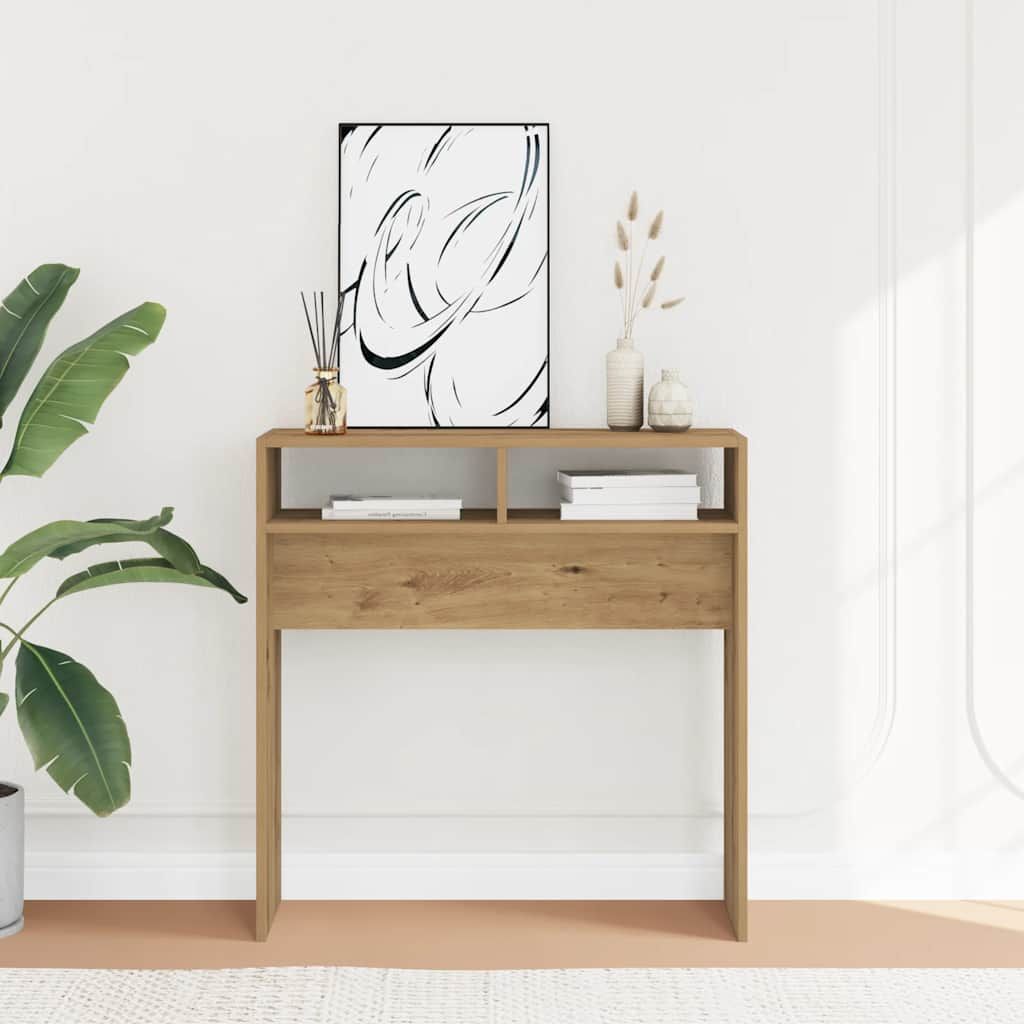
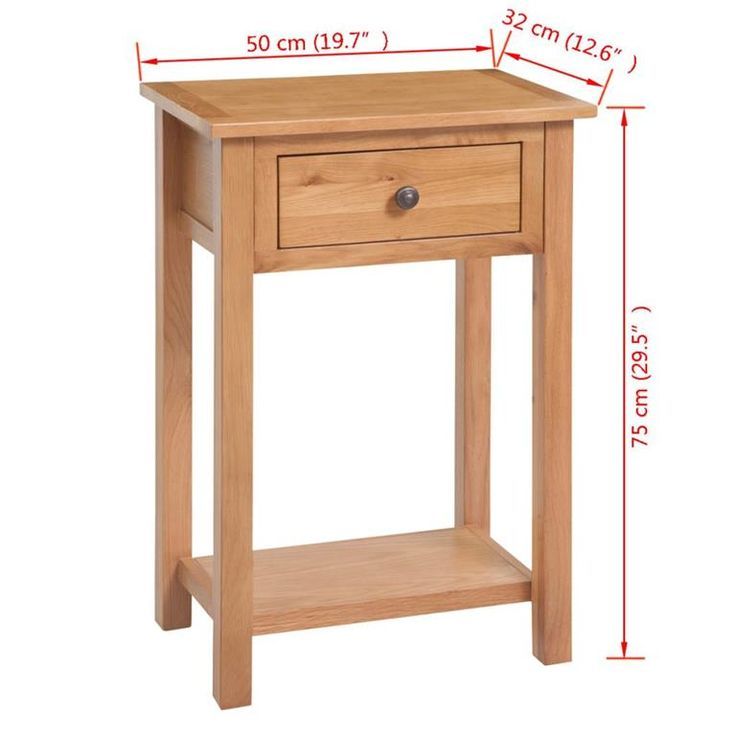
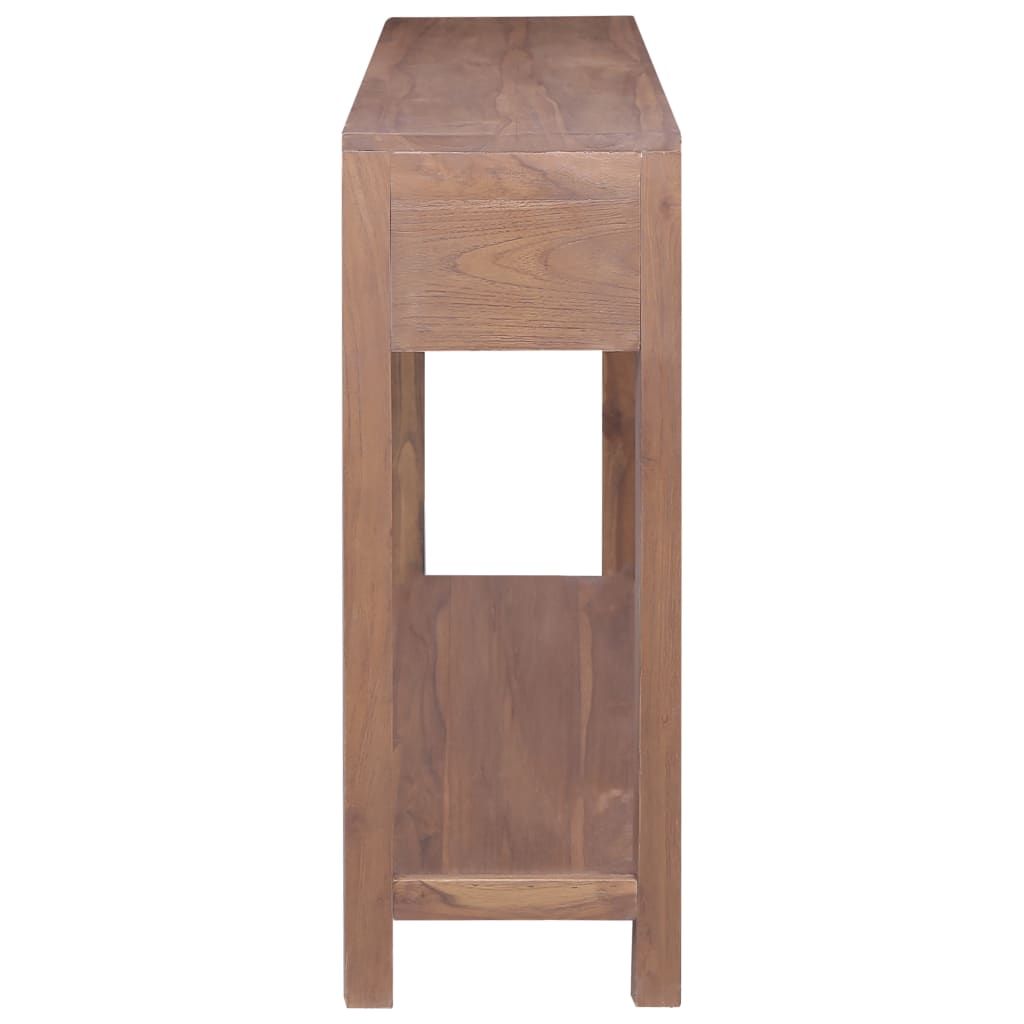
One of the most common mistakes in furniture selection is choosing pieces that are too big or too small for the room. Scale refers to how large or small a piece appears compared to other items in the space. Proportion means how well the size of each item relates to the room itself. A massive sofa in a small apartment will overwhelm the space. Similarly, a tiny chair in a large room can look lost. Consider the golden ratio for guidance. Large furniture should generally be no larger than two-thirds of the room’s longest wall. Smaller pieces like side tables or lamps should relate proportionally to their larger counterparts. Think about how furniture interacts with room features. A tall bookshelf next to a low ceiling might make the room feel even smaller. A wide console table can make a narrow hallway appear wider. Pay attention to the relationship between furniture and the room’s natural proportions. What looks good on a magazine cover might not work in your actual space.
Functionality and Practicality
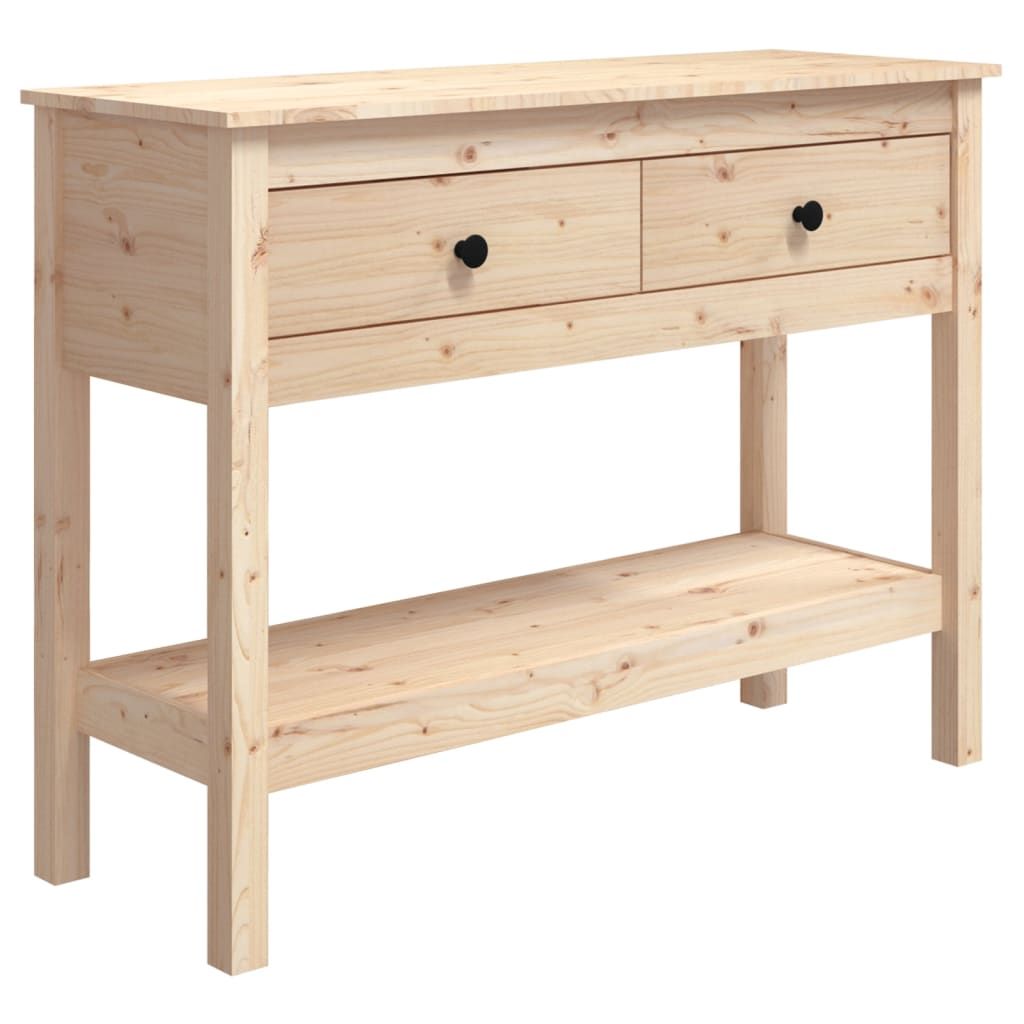
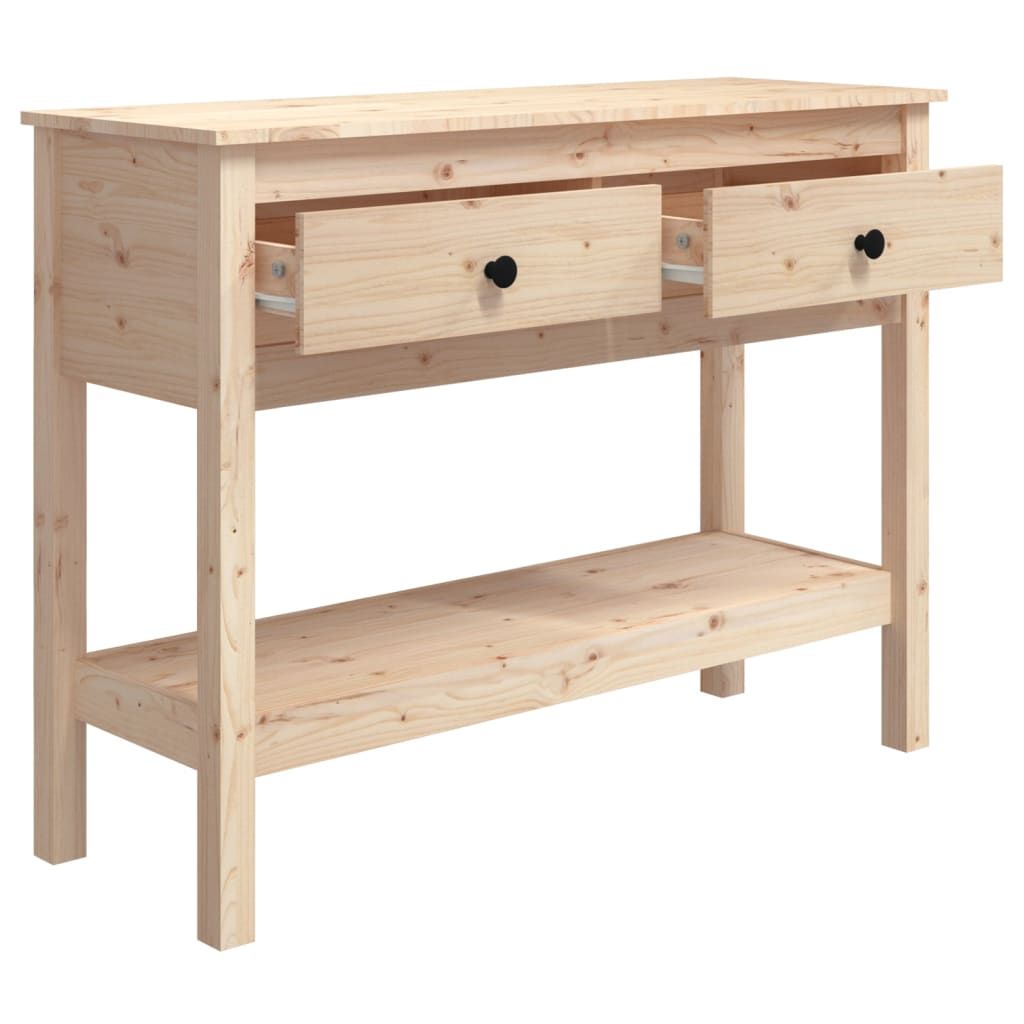
Good furniture does more than look nice – it serves a purpose. Think about what you actually need from each piece. Does your sofa need storage compartments? Should your coffee table have drawers? Are you looking for a dining table that can expand when guests come over? Functionality isn’t just about adding extra features – it’s about choosing pieces that match your real-life activities. For example, if you have pets, you’ll want easy-to-clean fabrics and materials that resist scratches. If you work from home, you might need a separate area for a desk and chair. Consider how furniture affects daily routines. Can you easily move pieces when rearranging? Do you need flexible solutions that can adapt to changing needs? Practical considerations also involve durability. High-quality materials last longer and save money in the long run. Think about the furniture’s lifespan and how much you’ll use it regularly. The most expensive piece that sits unused is still an investment that doesn’t pay off.
Comfort and Ergonomics
Comfort should never be overlooked, especially for seating. You spend hours sitting in your living room furniture, so it must support your body properly. When testing chairs and sofas, sit in them for a few minutes. Do your feet touch the floor? Is the back support appropriate for your posture? A well-designed piece considers ergonomics – how the body naturally moves and positions itself. This becomes particularly important for frequent users. A dining chair should allow comfortable eating without straining your neck or back. A reading chair should provide good lumbar support. Don’t assume that the most attractive piece is the most comfortable. Sometimes the most functional choice is the one that makes you feel good during long sessions. Test the height of tables and chairs to ensure proper alignment. The ideal setup allows you to eat, read, or watch TV without constantly adjusting your position. Comfort is personal, but universal principles apply to all body types and lifestyles.
Quality and Longevity
Investing in quality furniture pays dividends over time. Good craftsmanship means pieces last longer and look better as they age. Check construction details – solid wood frames hold up better than particle board. Quality upholstery uses durable fabrics and proper padding that won’t sag quickly. Hardware matters too – sturdy hinges, smooth drawer slides, and strong joints all contribute to longevity. Price isn’t always the best indicator of quality, but look for signs of good materials and construction. Examine the back of a cabinet, check the stitching on a sofa, or test a chair’s stability. You might find that a slightly more expensive piece offers better value over time. Consider your budget carefully – spending a little extra upfront can prevent costly replacements later. Also, think about maintenance. Some materials require more care than others. A leather sofa needs regular conditioning while a fabric sofa might need spot cleaning. Understanding the long-term care requirements helps you make informed decisions.
Choosing living room furniture is more than a shopping trip – it’s about creating a space that supports your life. By considering your space, lifestyle, color harmony, scale, functionality, comfort, and quality, you build a foundation for lasting satisfaction. Remember that the best furniture choices are those that blend form and function seamlessly. Take your time with selections, measure carefully, and don’t rush into decisions that might leave you regretting your choices later. The goal isn’t to buy the flashiest piece or follow every trend. It’s to create a living room that feels right for you. Whether you’re starting fresh or updating existing pieces, these principles guide you toward thoughtful, practical decisions. Your living room should reflect who you are and how you want to live, not just what looks trendy today.