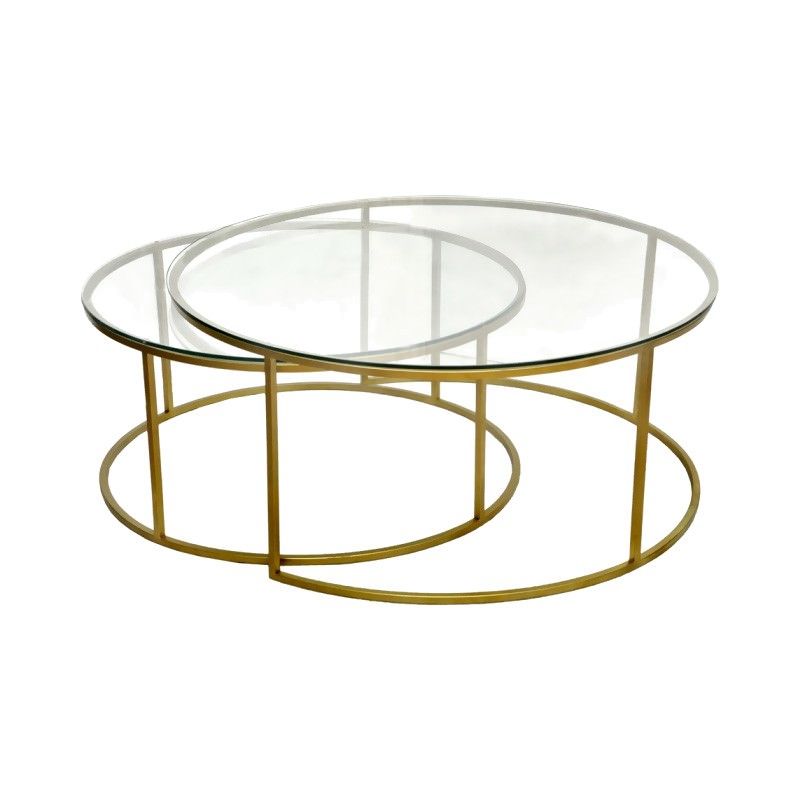
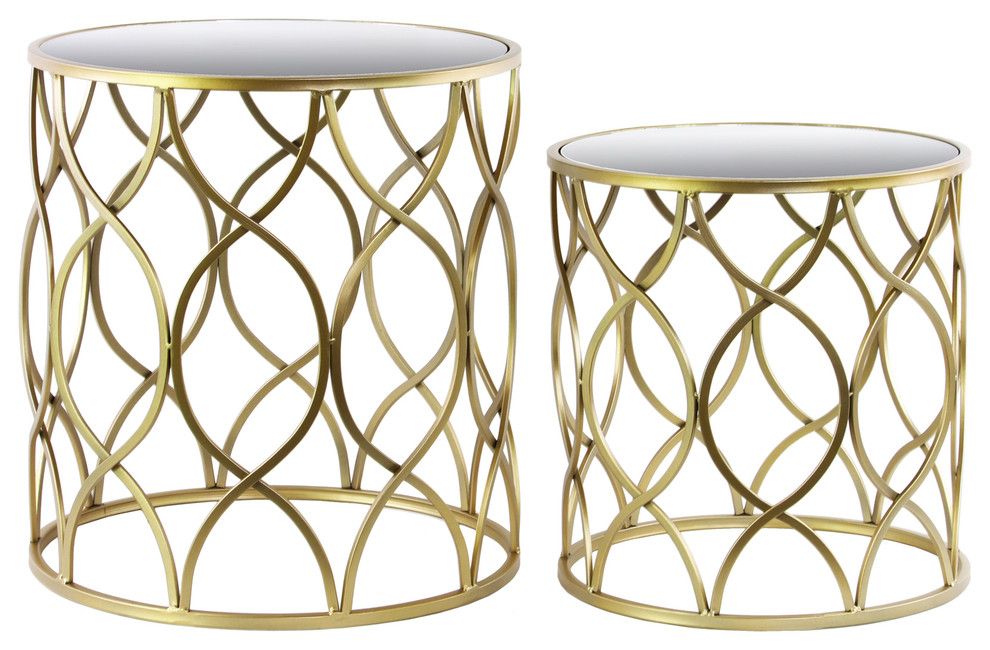
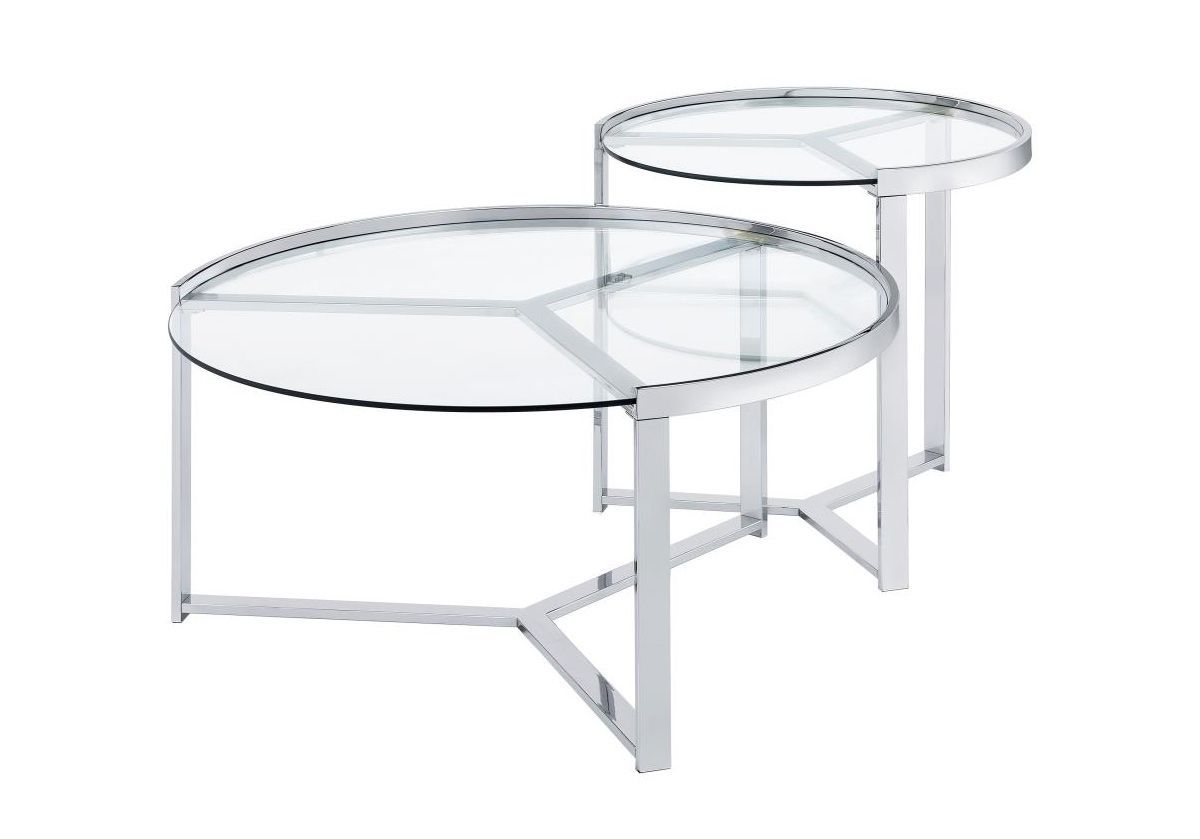
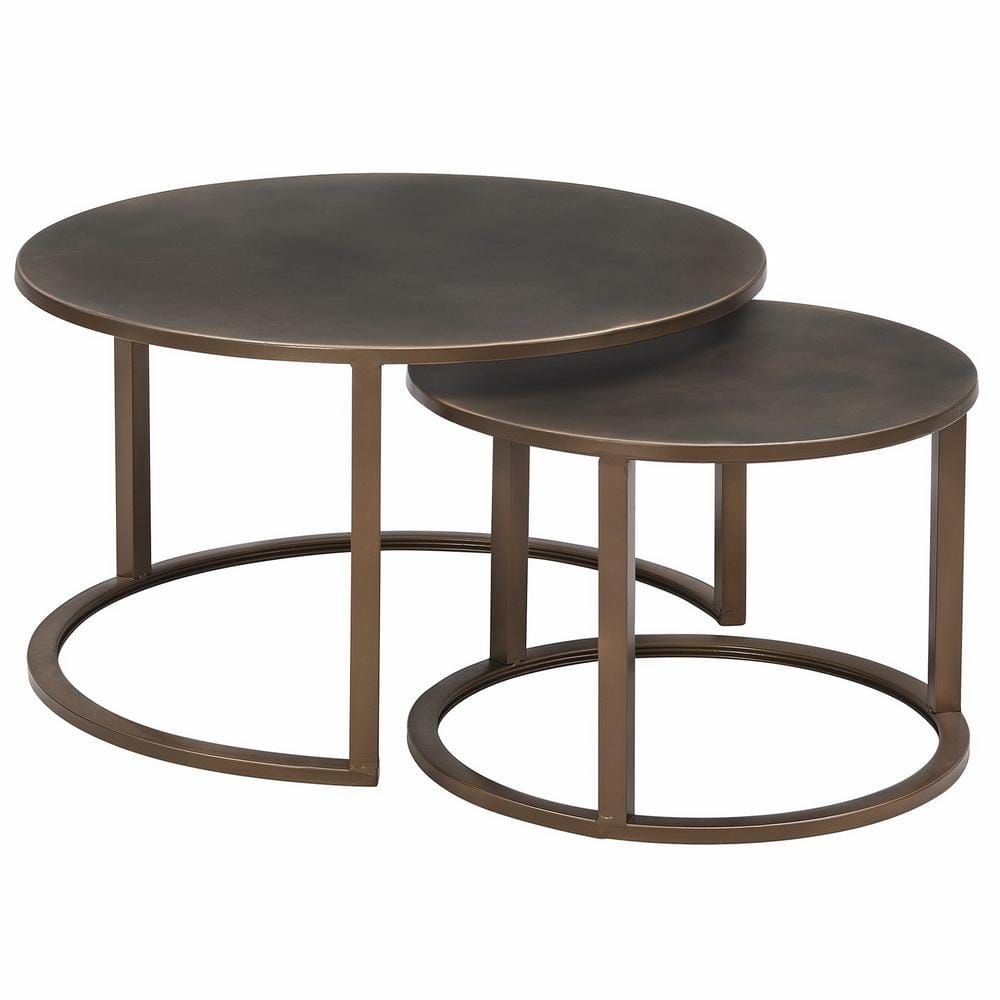
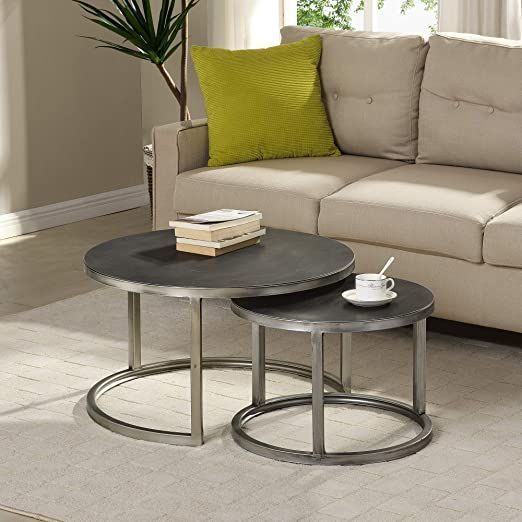
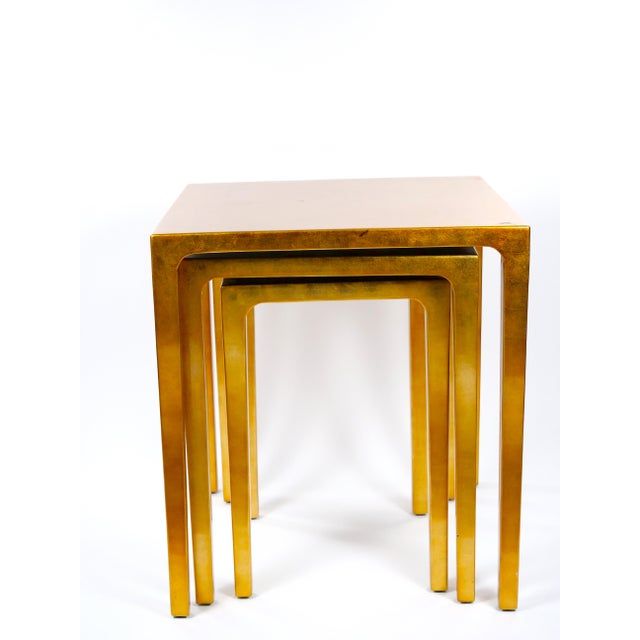
Every time you sit down to enjoy a cup of coffee on your favorite table, you’re probably not thinking about the incredible journey it took to get there. But behind every metal coffee table lies a story of craftsmanship, engineering, and careful attention to detail that spans from the factory floor to your home. What happens between the moment raw metal arrives at a workshop and when that beautiful piece sits in your living room? Let’s take a closer look.
Metal coffee tables have become a staple in modern homes, offering durability, style, and that industrial-chic appeal that many decorators love. But have you ever wondered how these pieces come to life? The path from raw materials to finished product involves several intricate steps that blend traditional craftsmanship with contemporary manufacturing techniques. Whether you’re considering purchasing one or simply curious about its origins, understanding this process adds appreciation for the artistry involved.
Raw Materials: The Foundation of Everything
The journey begins with raw materials. Steel is the most common base for metal coffee tables, often sourced from steel mills where it’s formed into sheets or bars. Sometimes aluminum is used for lighter weight options, while stainless steel provides corrosion resistance and a sleek appearance. These metals must meet certain quality standards before they can even enter the manufacturing process. Think of it like choosing the right ingredients for a recipe – the quality of the base material directly affects the final outcome. Some manufacturers prefer recycled steel, which not only reduces environmental impact but also ensures consistent quality. The initial inspection process checks for impurities, thickness variations, and structural integrity. Quality control starts here, and it’s crucial because any flaw in the raw material will show up later in the finished product.
Design and Engineering: Planning the Blueprint
Once materials arrive, engineers and designers step in to create detailed plans. This phase might seem straightforward, but it’s surprisingly complex. Designers consider factors like load capacity, stability, aesthetics, and manufacturing feasibility. They must ensure that the table can support typical weights – usually around 50-75 pounds for the top surface – while maintaining structural integrity. Computer-aided design (CAD) software helps visualize how different elements will fit together. Engineers run simulations to test stress points and determine optimal dimensions. The design phase also includes decisions about finishes, such as powder coating colors or brushed metal textures. Some companies even incorporate ergonomic considerations, ensuring that the table height and proportions work well with the surrounding furniture. It’s like planning a building – everything needs to work together perfectly.
Cutting and Shaping: Precision at Work
With designs finalized, the actual cutting and shaping begins. Modern factories use laser cutters, plasma cutters, and CNC machines that can cut metal with incredible accuracy. These machines follow digital blueprints to create precise shapes and holes. Manual cutting still plays a role, especially for artistic elements or custom pieces. After cutting, metal pieces go through bending operations. This might involve using hydraulic presses or specialized forming tools to create curves, angles, or unique shapes. The precision required here is remarkable – tolerances are often measured in thousandths of an inch. Workers check measurements constantly, ensuring each piece meets specifications. Some tables require multiple bends and adjustments to achieve the desired look. Imagine trying to fold a piece of paper into a perfect origami crane – except this is metal, and the margin for error is much smaller.
Assembly Process: Where Art Meets Function
The assembly stage brings all components together. This is where the true craftsmanship shines. Skilled workers carefully align pieces, often using jigs and fixtures to ensure perfect positioning. Welding is a critical part of this process, whether using TIG welding for clean, precise joints or MIG welding for stronger connections. Some tables use bolts instead of welding, allowing for easier assembly and potential repairs. During assembly, workers pay close attention to balance and stability. They might add reinforcement brackets or adjust angles to ensure the table sits perfectly flat. Quality checks happen throughout this phase. Every joint is inspected, and sometimes tables undergo load testing to verify strength. This is where the difference between a good table and a great table becomes apparent.
Finishing Touches: Making It Beautiful
Once assembled, tables move to the finishing area. This is where the visual appeal really comes alive. Powder coating is popular for its durability and wide color range. The process involves applying charged powder particles that bake onto the metal surface, creating a smooth, protective finish. Some tables receive hand-brushing treatments that give them a more textured, artisanal look. Others might have anodized surfaces or special coatings for water resistance. Sanding and polishing rounds out the edges and removes any rough spots. Final inspections check for scratches, uneven coatings, or other imperfections. This is where the table truly transforms from a functional piece to something that enhances your space. The finishing touches can make or break a product’s appeal.
Quality Control and Shipping: Ensuring Satisfaction
Before heading to customers, tables go through rigorous quality control. Inspectors check for structural soundness, surface finish quality, and overall appearance. Load tests verify that tables can handle their intended weight. Dimensional checks ensure consistency with design specifications. Any defects identified during this stage are corrected or the piece may be rejected entirely. Once approved, tables are carefully packaged to prevent damage during shipping. This might include bubble wrap, wooden crates, or specialized packaging designed for fragile items. The shipping process itself can take anywhere from days to weeks, depending on distance and logistics. Customers often receive tracking information and updates about their order status. When the table finally arrives, it represents the culmination of countless hours of work, creativity, and attention to detail.
The journey from factory to home for a metal coffee table is far more intricate than most people realize. It’s a blend of technology and tradition, precision and artistry, that results in a functional piece of furniture that can last decades. Understanding this process helps appreciate the value of well-made furniture and the skilled professionals who create it. Next time you admire your coffee table, remember that it’s not just a piece of furniture – it’s the result of careful planning, skilled craftsmanship, and a commitment to quality that spans from raw materials to your living room. Whether you’re buying one or simply enjoying one, recognizing the effort that goes into making these pieces makes them even more meaningful.