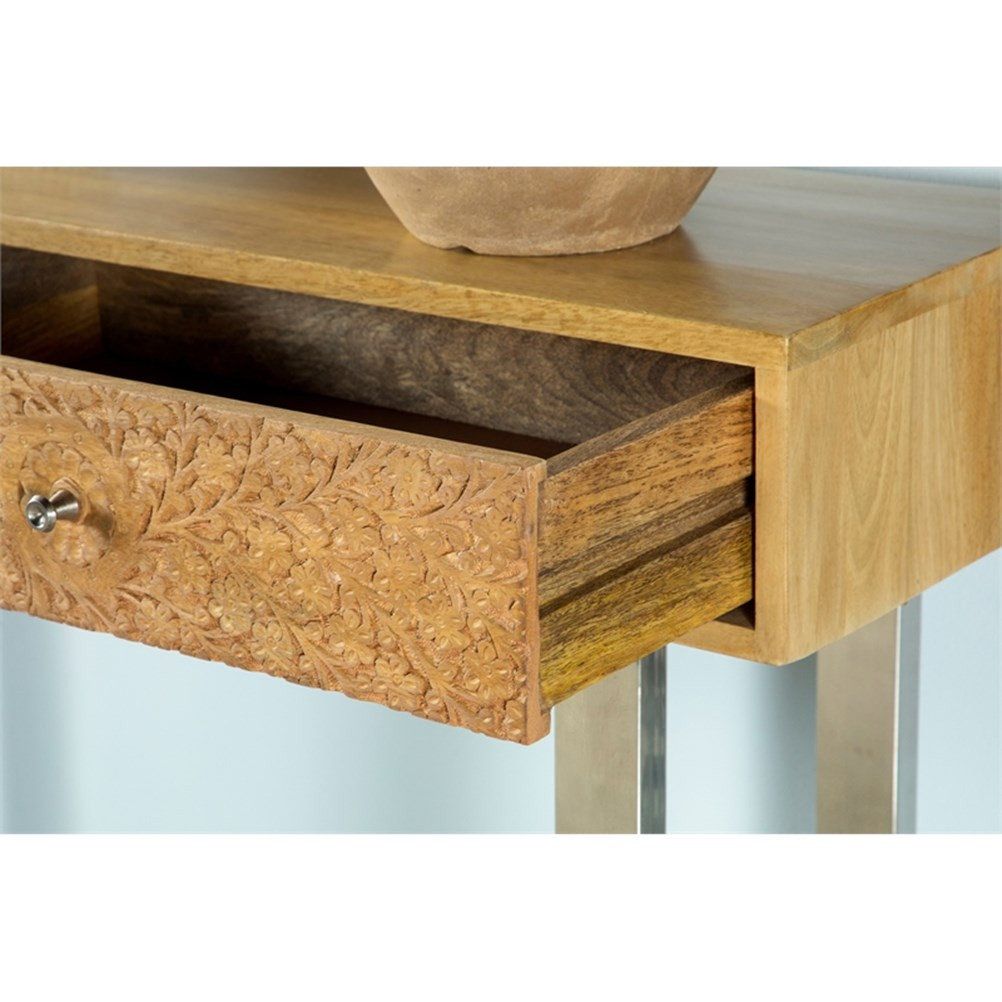
There’s something deeply satisfying about sitting on a chair that feels like it was carved from the earth itself. In our increasingly digital world, there’s a growing appreciation for furniture that connects us back to nature. Contemporary wooden furniture stands as one of the most compelling examples of how we can honor traditional craftsmanship while embracing modern design principles.
When you think about the furniture in your home, what comes to mind? Is it sleek lines, minimalist forms, or perhaps that cozy wooden table that’s been passed down through generations? The truth is, the best contemporary furniture often bridges these worlds – combining the warmth and authenticity of natural materials with the clean, functional beauty of modern design. This isn’t just about looking good; it’s about creating spaces that feel both grounded and forward-thinking. Wooden furniture, in particular, offers an incredible canvas for this kind of design harmony.
The Timeless Appeal of Wood
Wood has been humanity’s companion for millennia. It’s not just about its strength or versatility – though those certainly play a role. What makes wood so compelling is its unique character. Every piece tells a story through its grain patterns, knots, and natural variations. These aren’t flaws to be corrected; they’re features that add personality and authenticity to each piece.
Consider a dining table made from oak. The way light catches its surface reveals intricate details that no machine could replicate. The slight warping, the natural color variations, even the small imperfections – these all contribute to what makes the piece truly special. When you sit around such a table, you’re not just eating dinner; you’re experiencing the history of the tree that became your furniture.
Modern designers have learned to embrace these qualities rather than fight against them. They’ve discovered that wood’s natural characteristics can actually enhance a design, creating pieces that feel alive and organic rather than sterile or artificial. This approach has led to some stunning results in contemporary furniture.
Modern Design Principles Applied to Wood
Contemporary furniture design isn’t just about making things look pretty. It’s about solving problems and creating experiences that improve our daily lives. When applied to wooden furniture, modern design principles focus on several key areas:
• Functionality without compromise
• Clean lines that don’t sacrifice comfort
• Materials that age gracefully
• Forms that work with human movement
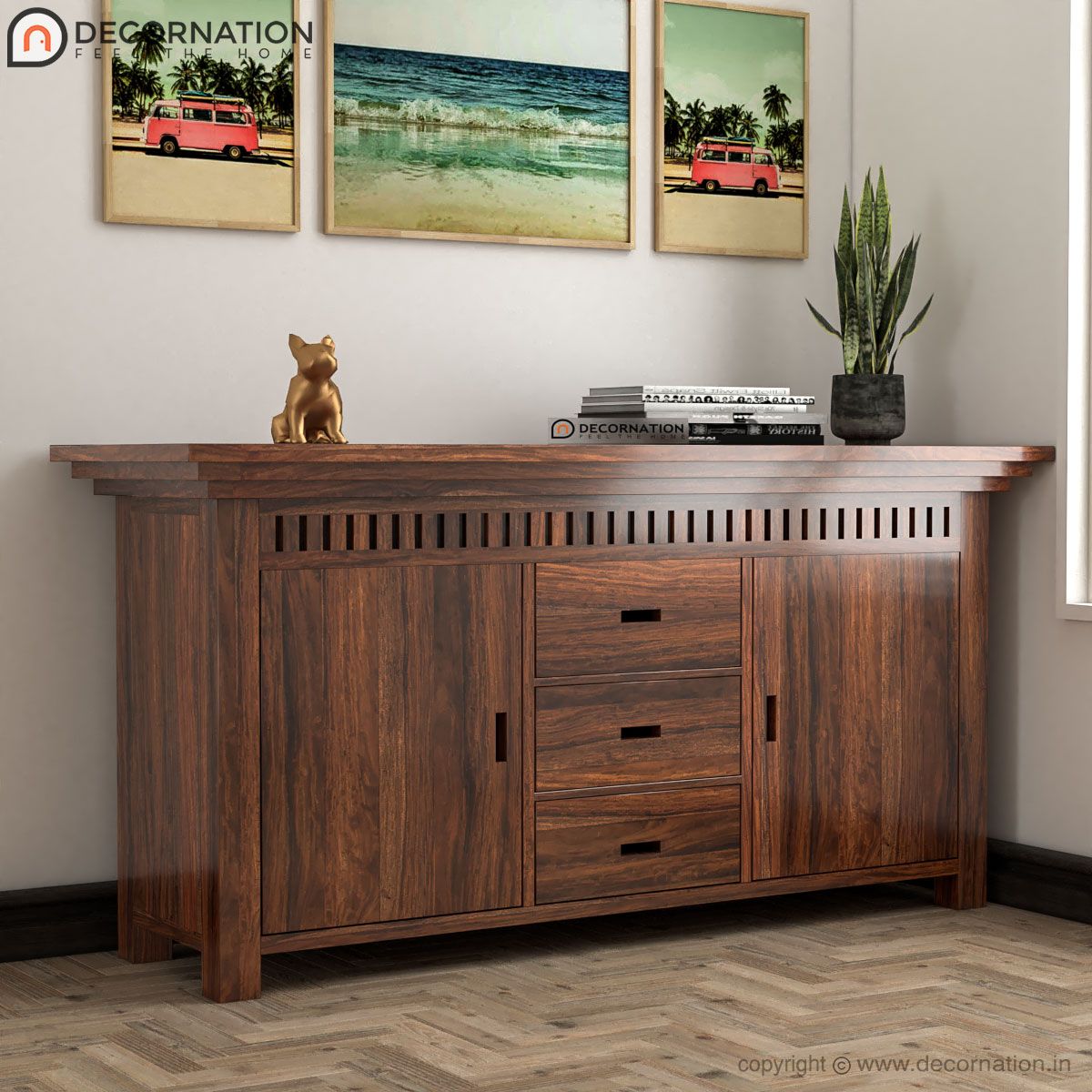
Take the concept of minimalism, for example. In wooden furniture, this means stripping away unnecessary elements while highlighting the wood’s natural beauty. A modern wooden chair might feature simple curves, strategic joinery, and a finish that lets the wood’s character shine through.
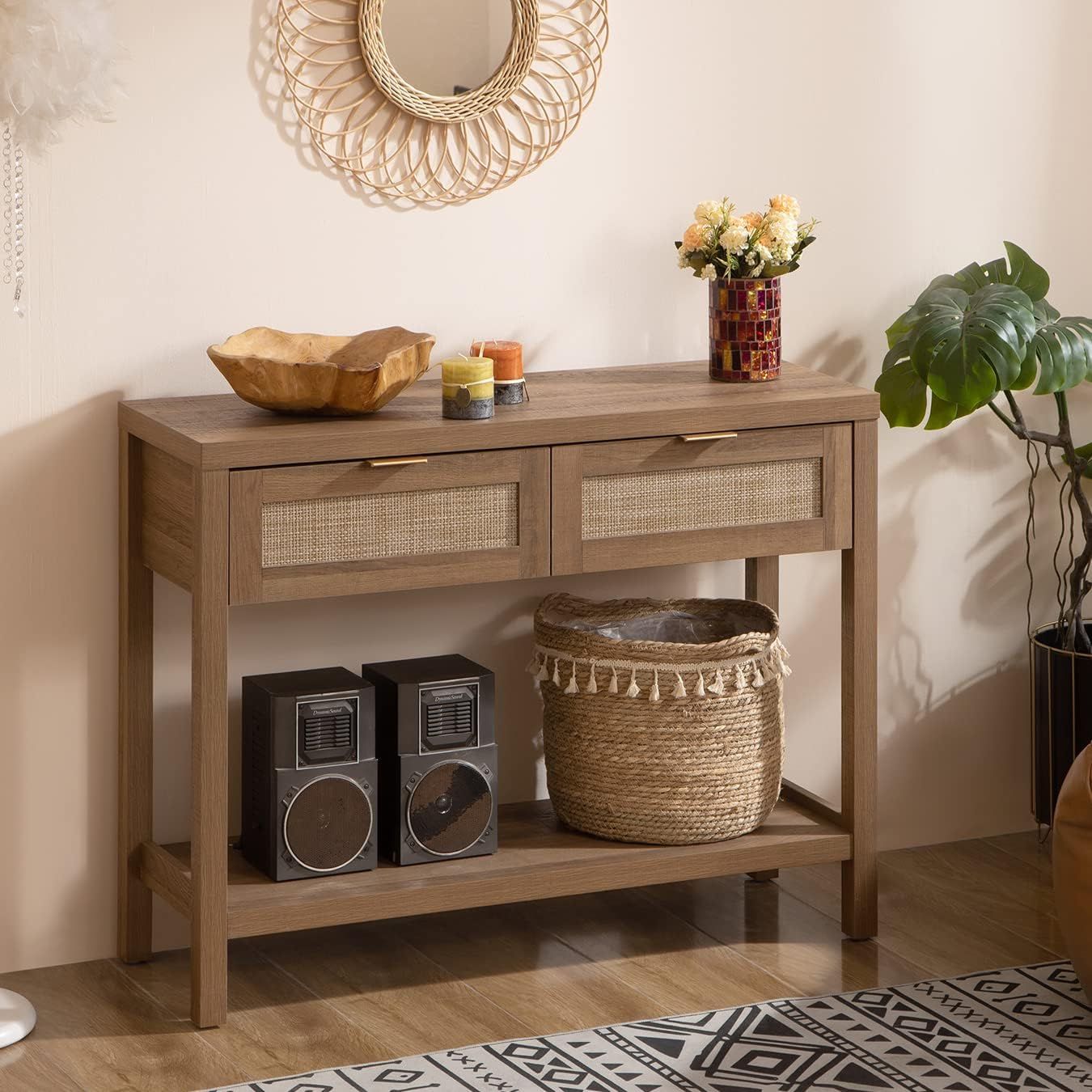
Another important principle is the idea of "form follows function." This doesn’t mean sacrificing aesthetics for utility. Instead, it means designing furniture that naturally supports its intended use. A wooden side table designed for books and plants will have the right proportions, height, and surface area to make those tasks effortless. The wood itself becomes part of that function, providing both structural support and visual appeal.
Natural Finishes and Their Impact
One of the most significant trends in modern wooden furniture is the move toward natural finishes. Gone are the days when furniture had to look perfectly polished and uniform. Today’s consumers are seeking products that celebrate wood’s authentic qualities.
Natural oils, waxes, and lacquers allow wood to breathe while protecting it from wear and tear. These finishes highlight the wood’s texture and color variations, creating a more intimate relationship between user and object. When you run your hand across a table finished with natural oils, you can feel the wood’s grain and understand its character more deeply.
Consider how different woods respond to various treatments. A walnut table might benefit from a light oil finish that brings out its rich chocolate-brown tones. Meanwhile, a maple piece might look stunning with a clear protective coating that maintains its light, clean appearance. The key is matching the finish to the wood’s natural properties and the design intent.
This approach also makes maintenance easier. Natural finishes often require less intensive care than synthetic alternatives, and when they do need attention, they’re easier to repair or refresh. It’s a practical choice that also feels more honest and sustainable.
Sustainability in Wooden Furniture Making
As awareness grows about environmental impact, sustainable practices in furniture making have become crucial. This goes beyond just using recycled materials – it’s about respecting the entire lifecycle of the product.
Responsible sourcing is fundamental. This means working with suppliers who practice responsible forestry management and ensure their wood comes from well-managed forests. Some manufacturers even trace their materials back to specific trees or forest areas, providing transparency about origins.
Another important aspect is longevity. Modern wooden furniture designers focus on creating pieces that will last decades, not just years. This involves thoughtful construction techniques, quality materials, and designs that won’t quickly go out of style. A well-made wooden chair should be as comfortable and beautiful after twenty years as it was when first purchased.
The concept of circular design also plays a role. Some companies now offer repair services, replacement parts, and even take-back programs where old furniture can be responsibly recycled or repurposed. This approach treats furniture not as disposable items but as long-term investments in our homes and environment.
Cultural Influences on Wooden Design
Wooden furniture design draws inspiration from cultures around the world. From Japanese shou sugi ban (charred cedar) to Scandinavian simplicity, each tradition brings unique perspectives on how wood can be used effectively.
Japanese design philosophy emphasizes the beauty of natural materials and the importance of craftsmanship. The concept of "wabi-sabi" celebrates imperfection and transience, which translates beautifully into wooden furniture that shows signs of use and age. A wooden bowl might develop a patina over time, becoming more beautiful rather than less.
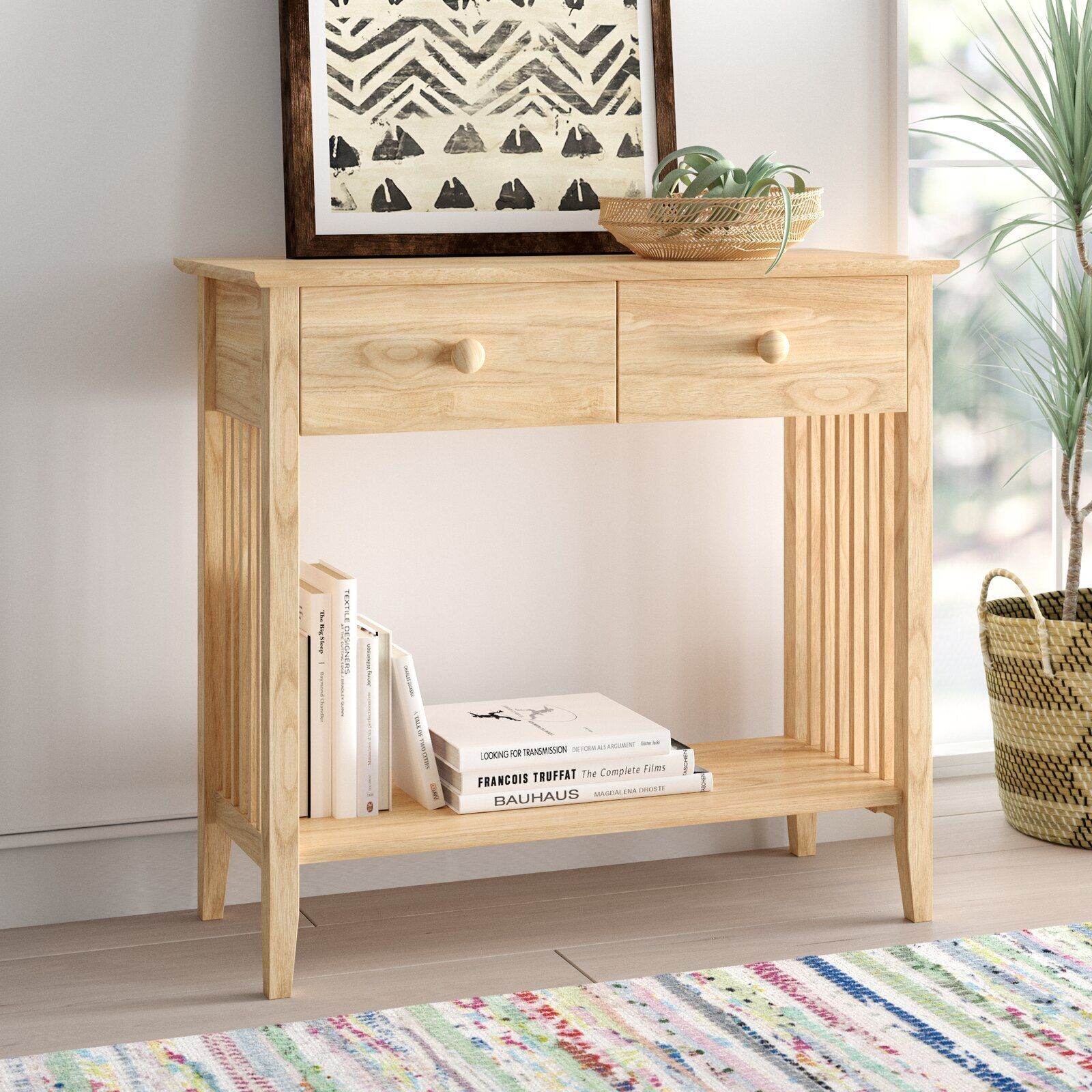
Scandinavian design focuses on functionality combined with natural materials. Think of the clean lines and light colors that characterize much Nordic furniture. These pieces often use wood in ways that emphasize its natural beauty while serving practical needs.
These cultural approaches influence contemporary designers who blend traditional techniques with modern sensibilities. The result is furniture that feels both familiar and fresh, rooted in centuries of craftsmanship while addressing current lifestyle needs.
The Future of Wooden Furniture
Looking ahead, wooden furniture continues to evolve in exciting directions. Technology is playing a role, but not in the way many expect. Rather than replacing traditional methods, technology is helping to enhance them.
Digital design tools allow for more precise planning and better visualization of how wood will behave in different applications. However, the actual construction still relies heavily on skilled craftsmanship and time-tested techniques.
New manufacturing processes are making it possible to work with wood in innovative ways. Engineered wood products offer new possibilities for design while maintaining the natural aesthetic. These materials can be shaped and formed in ways that pure wood alone cannot achieve.
But perhaps most importantly, the future of wooden furniture lies in its continued ability to connect people to nature. As urbanization increases and people spend more time indoors, furniture that reminds us of natural elements becomes more valuable. This connection isn’t just aesthetic – it affects our well-being and sense of place.
The trend toward customization is also shaping the future. More consumers want pieces that reflect their personal style and lifestyle. This creates opportunities for furniture makers to create unique, personalized wooden pieces that serve specific needs while maintaining their natural appeal.
The intersection of natural materials and modern aesthetics in wooden furniture represents more than just design trends. It’s about creating objects that enhance our lives while honoring our connection to the natural world. When done thoughtfully, wooden furniture becomes a bridge between past and future, between craftsmanship and innovation, between the organic and the constructed.
Whether you’re considering a new dining table, a bedroom chair, or simply want to understand why certain pieces resonate with you, remember that the best wooden furniture does more than fill space. It tells stories, provides comfort, and creates lasting memories. The key is choosing pieces that celebrate wood’s natural qualities while meeting modern needs for functionality and beauty. After all, the best furniture isn’t just about what it looks like – it’s about how it makes you feel when you interact with it every day.