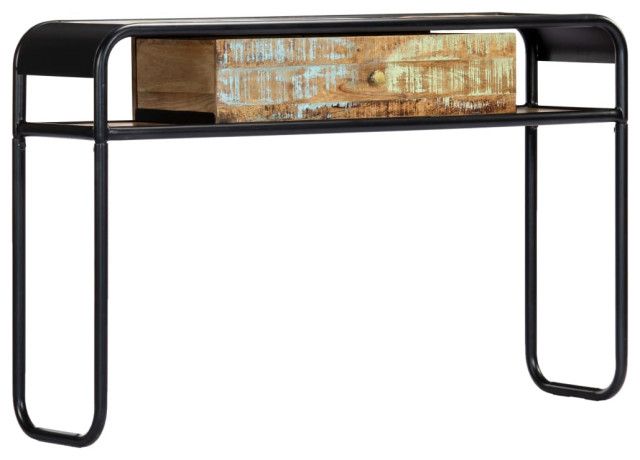
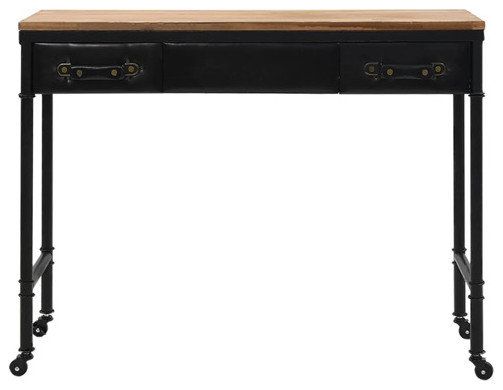
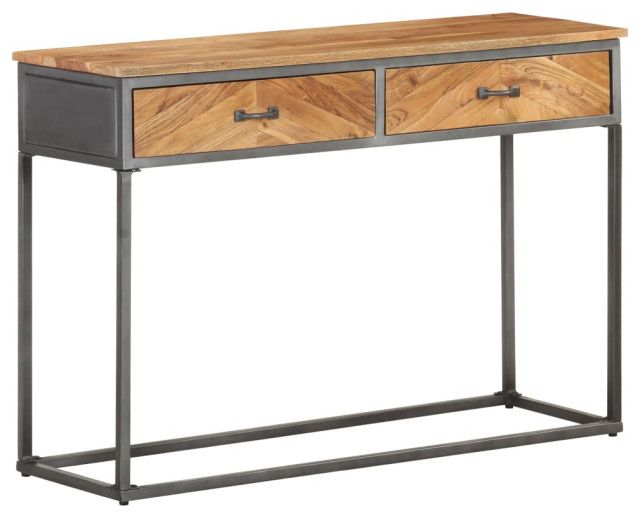
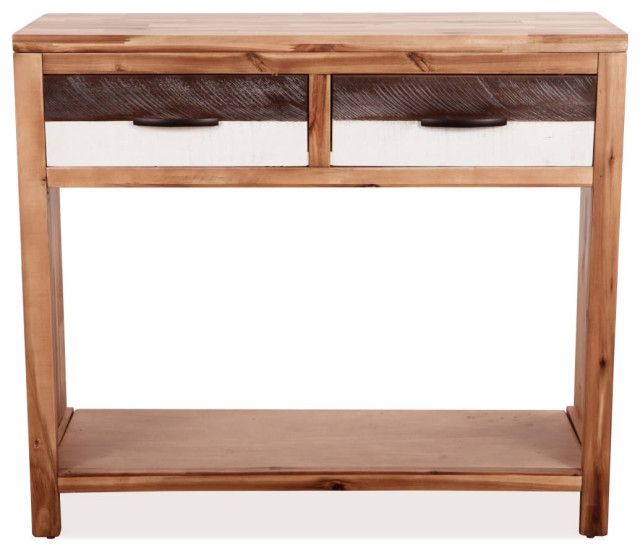
There’s something magical about furniture that bridges the gap between past and present. When we look at today’s living spaces, we see a fascinating blend of old-world charm and contemporary functionality. Console tables have become the perfect canvas for this fusion, where vintage-inspired elements meet modern sensibilities. What makes this trend so compelling isn’t just the aesthetic appeal, but rather how these pieces tell stories of craftsmanship, heritage, and enduring style.
In today’s fast-paced world, there’s a growing appreciation for pieces that carry history and character. Console tables, once simply functional items for entryways and hallways, have evolved into statement pieces that showcase both form and function. The influence of vintage design elements on contemporary console table trends is undeniable. These designs don’t just look good – they create emotional connections with homeowners who value authenticity and craftsmanship. Whether you’re renovating your space or starting fresh, understanding how vintage touches shape modern console table design can transform your approach to interior decorating.
The Golden Age of Console Table Design
The mid-century modern movement of the 1940s through 1960s laid the groundwork for many of today’s console table trends. During this era, designers focused on clean lines, natural materials, and harmonious proportions. Think of iconic pieces like the Eames Lounge Chair or the Barcelona Chair – they weren’t just furniture, they were art. The same principles apply to console tables now. Today’s designers often reference this period when creating pieces that feel both nostalgic and fresh.
Consider the popularity of tapered legs, which were common in mid-century designs. These elegant curves add visual interest while maintaining structural integrity. Many contemporary makers still use these same techniques, proving that good design transcends time periods. The key is finding the right balance between classic and current.
Natural Materials and Their Enduring Appeal
One of the most powerful aspects of vintage design is its emphasis on natural materials. Wood grain, stone textures, and organic shapes create warmth that synthetic alternatives simply cannot match. In modern console table design, this preference for natural elements continues strong.
Oak, walnut, and maple wood species have made a major comeback in recent years. These woods offer distinct grain patterns that change with lighting and age, creating unique character over time. You’ll notice many contemporary pieces feature wood veneers or solid wood construction – both of which reflect a commitment to quality that was central to vintage design.
Stone elements, particularly marble and granite, also play a significant role. These materials bring an air of sophistication and permanence to any space. When combined with wood, they create beautiful contrasts that enhance visual appeal. The marriage of these textures represents one of the most successful applications of vintage principles in modern furniture.
Hardware and Decorative Accents
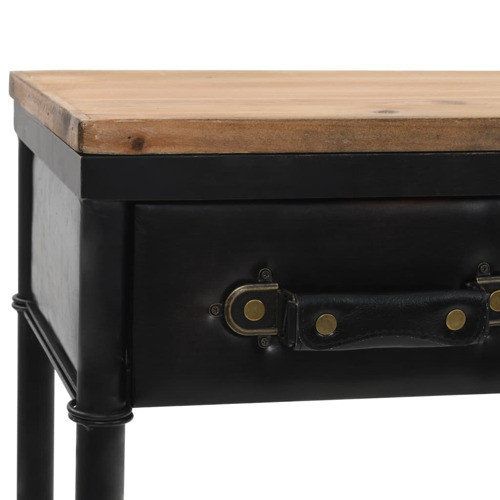
Hardware might seem small, but it often defines the overall character of a console table. Vintage influences show up clearly in the types of handles, drawer pulls, and decorative elements used on modern pieces. Brass fixtures, for example, have seen a remarkable resurgence because they age gracefully and develop patinas that tell stories.
Look for console tables featuring brushed nickel, antique bronze, or even gold accents. These metals complement both traditional and contemporary interiors beautifully. The key is choosing hardware that feels intentional rather than forced. A well-placed handle or decorative element can elevate a simple piece into something truly special.
Another popular trend involves incorporating vintage-inspired details like carved motifs, geometric patterns, or ornamental brackets. These subtle touches remind us of craftsmanship that valued detail and artistry above mass production.
Proportions and Scale in Modern Design
What makes a console table work well in a room? It’s not just about aesthetics – it’s about proportion. Vintage design emphasized harmony between furniture pieces and their surrounding spaces. This principle remains crucial today.
Contemporary designers often study historical proportions to guide their work. They consider how wide a table should be relative to the wall space, how tall it needs to be for proper visual balance, and how much surface area is practical for daily use. These considerations help prevent furniture from overwhelming or underwhelming a space.
A well-designed console table should feel comfortable within its environment. It shouldn’t dominate the room or get lost in it. Instead, it should serve as a gentle focal point that invites interaction and enhances the overall design narrative.
Color Palettes Inspired by the Past
Color choices in vintage design often reflected cultural moments and available materials. Today’s console table trends continue this tradition, drawing inspiration from various eras and their associated palettes. Earth tones, muted greens, deep browns, and warm creams have found new life in modern interpretations.
These colors aren’t just pretty – they create calm atmospheres that encourage relaxation and reflection. Consider a console table in a warm terracotta finish paired with natural wood tones. The result feels grounded and welcoming, exactly what we want in our homes.
Some designers experiment with bold color combinations inspired by vintage advertisements, art movements, or historical period pieces. These unexpected choices can surprise and delight, showing how vintage elements can inspire contemporary creativity while maintaining timeless appeal.
Craftsmanship and Attention to Detail
Perhaps the most important vintage element influencing today’s console table trends is the focus on craftsmanship. In an age of mass production, there’s something deeply satisfying about furniture built to last. This philosophy drives much of the current market demand for quality pieces.
Handcrafted details, such as dovetail joints, mortise and tenon construction, or hand-carved elements, distinguish premium console tables from mass-produced alternatives. While these techniques may increase costs, they also provide assurance of durability and beauty that will endure through generations.
Modern manufacturers often combine traditional methods with contemporary technology to create pieces that honor the past while meeting today’s needs. This hybrid approach represents the best of both worlds – the reliability of proven techniques and the efficiency of modern manufacturing.
The influence of vintage design elements on contemporary console table trends reveals a deeper truth about what we value in our living spaces. We’re drawn to pieces that tell stories, that show care and attention to detail, and that connect us to something larger than ourselves. These console tables aren’t just furniture – they’re investments in beauty, quality, and lasting style. Whether you’re looking to incorporate vintage touches into existing décor or start fresh with a new piece, understanding these design principles helps ensure your choices will stand the test of time. The magic happens when we blend the wisdom of the past with the needs of the present, creating spaces that feel both familiar and fresh. After all, isn’t that what good design should do? Create places where we want to live and return to again and again.