Picture this: You’ve finally created the perfect outdoor space. The sun is shining, the breeze is gentle, and your guests are settling in for a lovely afternoon. But then you notice something troubling – your favorite chair is starting to split, your table is warping, or the cushions are fading faster than you’d like. This isn’t just about aesthetics. It’s about making smart decisions that ensure your outdoor furniture remains functional and beautiful for years to come. What if we told you that choosing the right materials could transform your patio experience from temporary comfort to lasting enjoyment?
Outdoor seating isn’t just about style anymore. It’s about creating spaces that endure the elements while providing comfort and joy. Whether you’re planning a new backyard sanctuary or refreshing an existing outdoor area, the materials you choose will determine how long your furniture lasts and how much satisfaction you get from it. This isn’t just about buying something that looks good today – it’s about investing in pieces that will continue to serve you well through seasons and years. Think about it: how many times have you seen outdoor furniture that looked great when it was new but started showing signs of wear within months? The secret lies not just in design, but in understanding what materials can truly handle the outdoor environment.
Understanding Weather Resistance
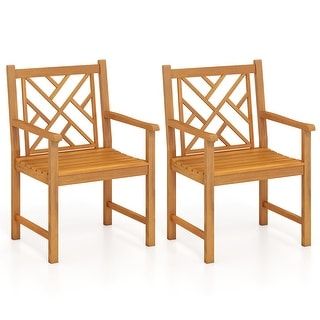
The first thing to consider when selecting outdoor seating materials is how they react to environmental stressors. Rain, sun, wind, and temperature changes all take their toll on different materials in unique ways. Some materials are naturally more resistant to these elements than others. For instance, teak wood has been used for centuries in outdoor applications because it contains natural oils that repel water and resist decay. Cedar, another popular choice, offers similar protection while adding a pleasant aroma to your outdoor space. On the other hand, materials like untreated pine or softwoods may warp or rot quickly when exposed to moisture. Understanding the climate in your area is crucial too. If you live somewhere with harsh winters and heavy rainfall, you’ll want materials that can handle those conditions better than lighter woods or fabrics. The key is matching the material to your local weather patterns and usage expectations.
Durability Factors Beyond Weather
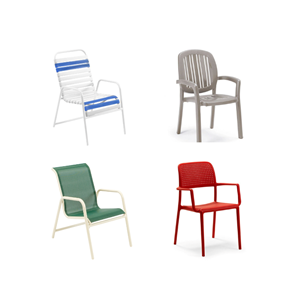
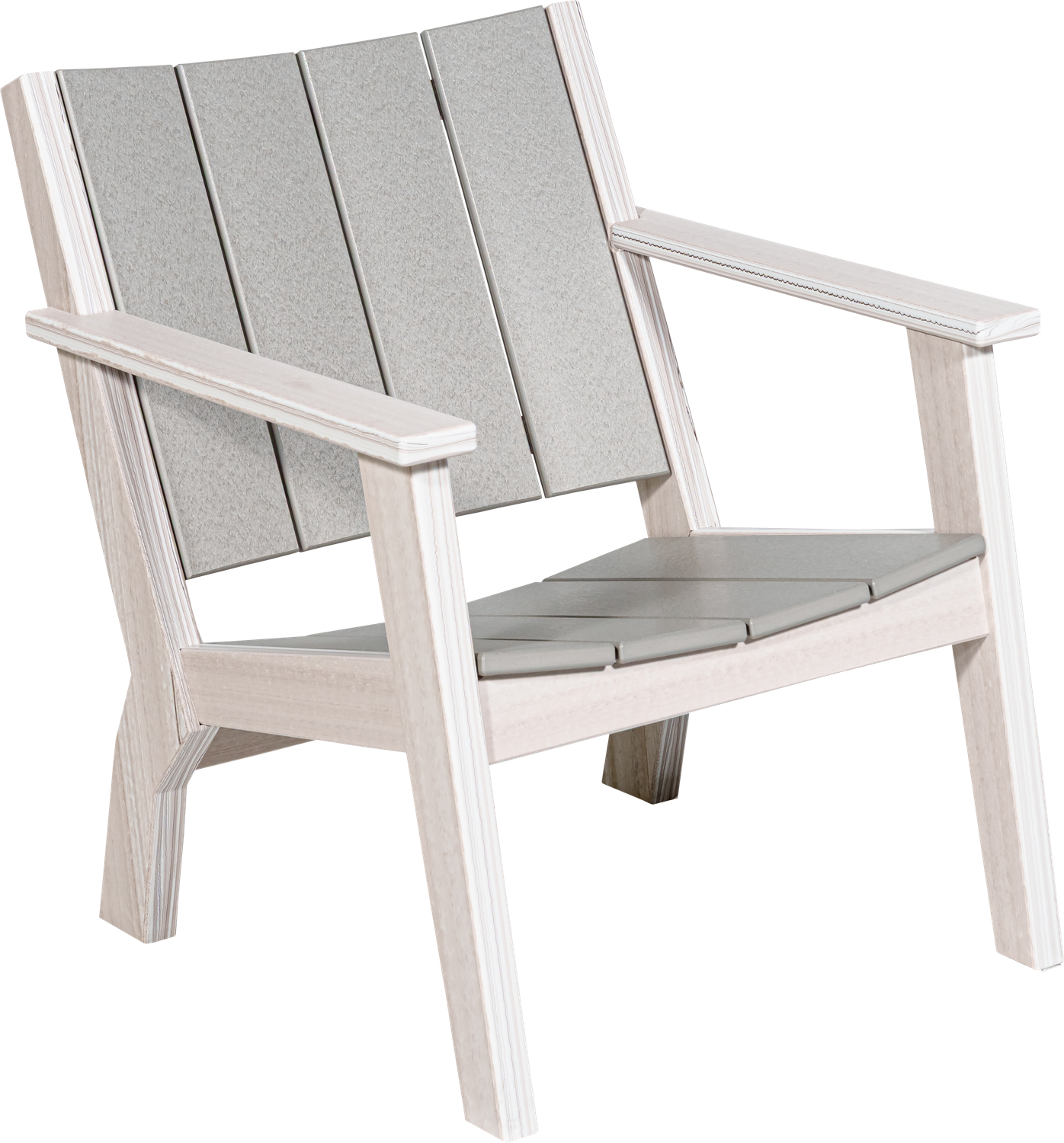
Weather resistance is important, but it’s only part of the story. You also need to think about wear and tear from regular use. How often will people sit on these chairs? Will children be playing around them? Will pets frequent the area? These factors influence which materials will hold up best over time. Metals like aluminum and stainless steel offer excellent strength and resistance to rust, but they can conduct heat and cold, making them less comfortable in extreme temperatures. Plastic composites provide good durability against both weather and daily use, but they can fade or become brittle over time. Natural materials like wicker or rattan require more maintenance but offer a classic aesthetic that many people love. Consider the intended use of each piece. A dining set might need sturdier construction than a couple of lounge chairs. Also factor in how easy the material is to clean and maintain. Some materials require special care products or regular treatments to stay looking fresh.
Cost vs Longevity Analysis
Let’s talk money. It’s tempting to go for the cheapest option, especially when you’re working with a budget. But here’s the thing – the most expensive material isn’t always the best investment. Sometimes, spending a bit more upfront can save you a lot in replacement costs later. A high-quality synthetic wicker set might cost twice as much as a basic plastic alternative, but it could last five times longer. The same goes for metal versus wood. While treated lumber might seem affordable, it needs regular sealing and re-treatment every few years. Stainless steel furniture is more expensive initially but requires no ongoing maintenance for corrosion. When calculating total cost of ownership, consider how often you’ll need to replace items, how much time you’ll spend maintaining them, and whether you’ll have to buy new pieces to keep your space looking cohesive. Some materials offer a better value over time, even if they cost more initially. It’s like buying a quality pair of shoes versus cheap ones that need replacing every few months.
Maintenance Requirements
Every material has its upkeep needs. Some are more forgiving than others. Wood furniture typically needs periodic staining or sealing to protect it from the elements. This might mean applying a protective coating every year or two, depending on the wood type and climate. Metal pieces might need occasional cleaning to prevent rust, especially in coastal areas where salt air accelerates corrosion. Fabrics and cushions require regular washing and protection from UV damage. Synthetic materials like polyethylene or polyester often need minimal maintenance, though they can still fade or become damaged from extreme conditions. Consider your lifestyle and how much time you want to dedicate to keeping your outdoor furniture looking fresh. If you’re someone who enjoys spending time outdoors but doesn’t want to spend hours maintaining furniture, materials that require less upkeep might be worth the extra investment. The goal isn’t to avoid maintenance entirely, but to find a balance between durability and manageable care requirements.
Aesthetic Considerations
What’s beautiful to one person might not appeal to another. That said, there’s something to be said for choosing materials that complement your home’s style and your personal taste. Natural materials like wood and wicker often bring warmth and organic textures that many people find appealing. They age gracefully, sometimes developing character and patina that adds charm over time. Metal and plastic options tend to have a more modern look and can be very versatile in terms of color and design. The challenge lies in finding materials that not only last but also fit your vision. Some people prefer the classic look of traditional materials like teak or cedar, while others embrace the clean lines and contemporary feel of synthetic alternatives. Consider how the material will look in different lighting conditions throughout the day and year. A material that looks stunning in bright sunlight might appear dull or washed out under shade or during cloudy days.
Environmental Impact and Sustainability
Today’s consumers are increasingly concerned about the environmental impact of their purchases. This extends to outdoor furniture choices as well. Some materials are more sustainable than others. Reclaimed wood offers a second life to materials that might otherwise end up in landfills. Recycled plastics come from post-consumer waste, giving new purpose to items that would otherwise contribute to environmental problems. Natural fibers like sisal or jute can be renewable resources when sourced responsibly. However, it’s important to note that sustainability doesn’t always mean longevity. Some eco-friendly materials might break down faster than traditional options, requiring more frequent replacement. The key is finding a balance between environmental responsibility and practical durability. Look for materials that are either naturally long-lasting or made from recycled/reclaimed sources. Some manufacturers now offer furniture made from recycled ocean plastics or reclaimed timber, combining environmental consciousness with practicality. Consider whether you’re willing to invest in materials that might be slightly more expensive but support sustainable practices.
Choosing the right materials for outdoor seating isn’t just about picking something that looks nice. It’s about making informed decisions that reflect your lifestyle, your budget, and your commitment to enjoying your outdoor space for years to come. The materials you select will determine not just how long your furniture lasts, but how much joy it brings you and your family. Whether you’re drawn to the timeless beauty of natural wood, the low-maintenance appeal of synthetic materials, or the modern elegance of metal and plastic, the key is understanding what each option offers. Take time to evaluate your specific needs, consider your environment, and think about what you want to prioritize – durability, appearance, cost, or environmental impact. The investment you make today in choosing quality materials will pay dividends tomorrow in the continued enjoyment of your outdoor living spaces. Remember, the best outdoor furniture is the kind that gets used regularly, not the kind that sits in storage waiting for the perfect weather. Make sure whatever you choose can handle both the elements and the love it receives from regular use.