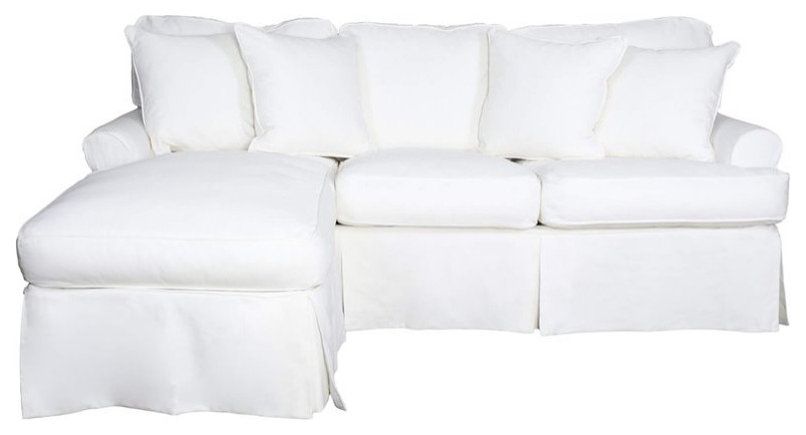
Imagine walking into a room where every piece of furniture can adapt to your changing needs. No more moving heavy items around when you want to rearrange your space. That’s exactly what reversible furniture design offers – a revolutionary approach to home organization that’s taking over living rooms, bedrooms, and workspaces across the country.
In today’s fast-paced world, our homes need to do more than just look good. They need to function, adapt, and evolve with our lives. Enter reversible furniture design – a concept that’s been quietly transforming how we think about interior spaces. This isn’t just about having two sides to a piece of furniture. It’s about creating furniture that can serve multiple purposes, fit different layouts, and respond to our ever-changing needs. Whether you’re dealing with a small apartment, a growing family, or simply want to refresh your space regularly, reversible design might be the solution you’ve been searching for. Think about it – wouldn’t it be amazing if your dining table could become a workspace, or your sofa could transform into a guest bed? That’s the magic of reversible furniture design.
What Exactly Is Reversible Furniture Design?
Reversible furniture design is all about creating pieces that can be used in multiple ways. It’s not just about flipping a chair or turning a table upside down. True reversible design means the furniture can perform entirely different functions while maintaining its aesthetic appeal. Picture a coffee table that doubles as a storage unit, or a bookshelf that can be reconfigured into a room divider. These aren’t just clever tricks – they’re thoughtful solutions to modern living challenges. The beauty lies in how these designs can be both functional and beautiful. A reversible dining table might have one side designed for casual meals and another for formal dinners. Or perhaps a bedroom dresser that transforms into a vanity with a mirror attachment. These aren’t just pieces of furniture; they’re versatile companions that grow with your lifestyle.
The Evolution of Multi-Purpose Furniture
The idea of furniture that does more than one thing isn’t new. We’ve always had pieces like ottomans that double as seating and storage, or beds with built-in drawers. But reversible design takes this concept further. It’s about intentional engineering that allows furniture to serve completely different roles. Think back to the 1970s when modular furniture was all the rage – that was essentially early reversible thinking. Today’s version is more refined, more elegant, and more practical. The key difference is that modern reversible furniture isn’t just about adding extra features. It’s about creating entire alternative configurations that change how you interact with your space. For instance, a living room set might have one configuration for family gatherings and another for quiet reading time. This evolution reflects our changing lifestyles – we want our homes to be dynamic rather than static.
Benefits for Small Spaces
One of the most significant advantages of reversible furniture is its ability to maximize limited space. In tiny apartments or studio units, every square foot counts. Reversible pieces can accomplish multiple tasks simultaneously, eliminating the need for several separate items. Consider a kitchen island that serves as both prep space and dining area. Or a bedroom that uses a reversible headboard to create a reading nook during the day and a sleeping surface at night. These transformations are incredible for urban dwellers who need to make the most of their compact environments. The cost savings are substantial too – fewer pieces mean less money spent, and less clutter means less stress. A single reversible piece can often replace three or four traditional items, making it a smart investment for anyone working within space constraints.
Flexibility for Growing Families
Families are constantly evolving, and so are their furniture needs. A reversible dining table that can accommodate eight guests one evening and four the next is incredibly valuable. Parents appreciate pieces that can adapt as children grow and change their preferences. A child’s playroom might feature reversible storage units that switch from toy storage to book shelves as the kids mature. The flexibility extends beyond just size changes. Some reversible furniture can transform from a simple seating arrangement to a full bedroom setup. This adaptability means families don’t have to keep buying new furniture as their needs change. It’s also great for parents who want to maintain a consistent design theme while accommodating different life stages. Imagine a room that can transition from a baby’s nursery to a teenager’s study without replacing major furniture pieces.
Practical Examples and Real-World Applications
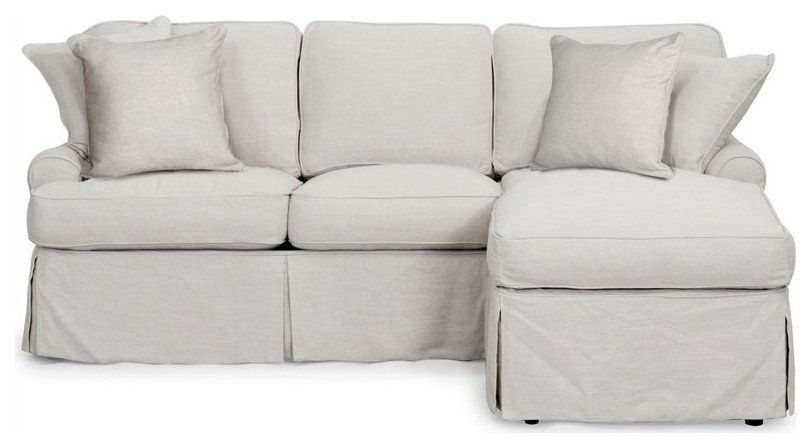
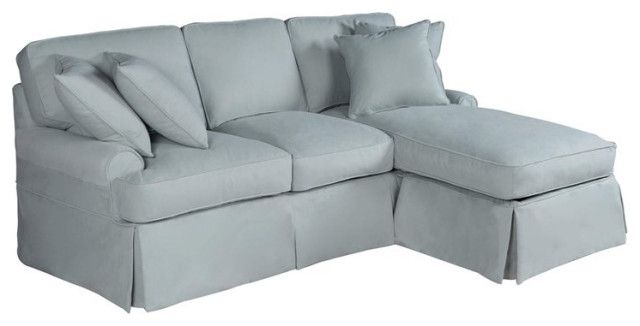
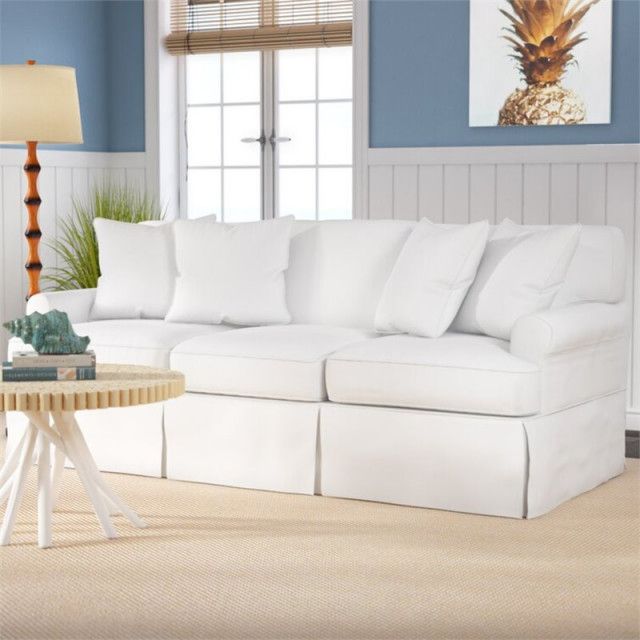
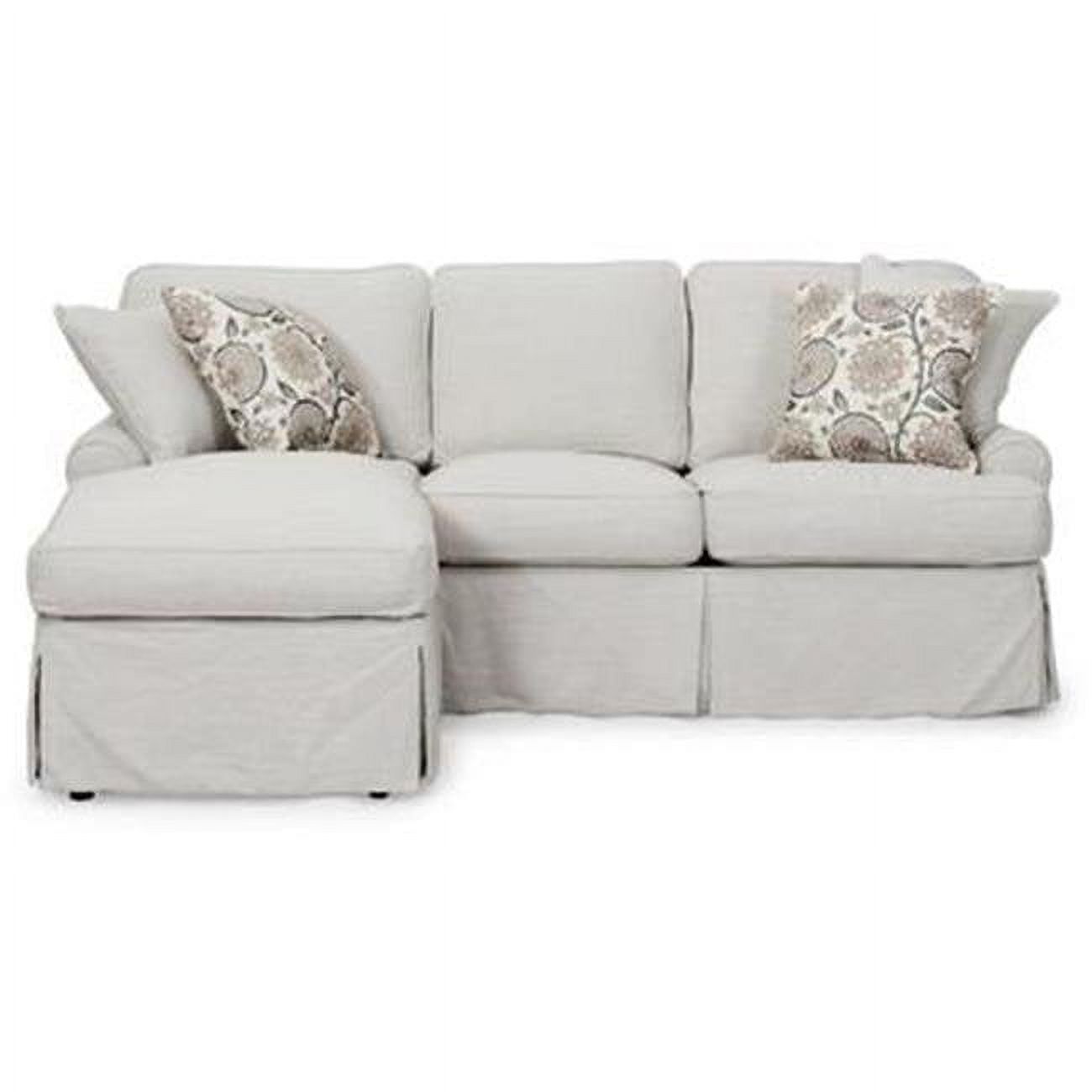
Let’s look at some concrete examples of how reversible furniture works in practice. A dining table might have a removable leaf that expands the surface area when needed, or it could fold down to create a smaller surface for intimate meals. Reversible sofas can be configured as a straight seating line or curved to create a conversation area. Bedroom furniture often includes reversible headboards that can be adjusted to serve as room dividers or privacy screens. Office spaces benefit from reversible desks that can be set up for individual work or collaborative projects. Even bathroom furniture can incorporate reversible elements – a vanity that flips to reveal additional storage or a cabinet that changes from a medicine chest to a linen storage unit. These aren’t just theoretical concepts; they’re already being used successfully in homes across the country.
Design Considerations and Quality Factors
Creating effective reversible furniture requires careful planning and quality materials. The joints must be strong enough to handle multiple configurations, and the design should allow for easy transitions between functions. Materials matter enormously – wood that can withstand repeated assembly and disassembly, metal that won’t bend or break, and fabrics that can handle different usage patterns. Quality hardware is essential, from hinges that move smoothly to locking mechanisms that ensure safety. Some reversible pieces are more complex than others, requiring more maintenance or specialized care. However, the investment often pays off in longevity and versatility. The key is finding pieces that balance ease of use with durability. Look for products with warranties that cover the reversible mechanisms, and consider the long-term value rather than just the initial price tag.
Reversible furniture design represents more than just a trend – it’s a practical response to how we actually live today. Whether you’re working with limited space, managing a growing family, or simply want more flexibility in your home, these versatile pieces offer real solutions. They’re not just about doing more with less; they’re about doing everything better. From small apartment dwellers to large families, everyone can benefit from the smart design choices that reversible furniture brings to the table. The future of home design seems to be leaning toward more adaptable, multi-functional spaces, and reversible furniture is leading that charge. It’s not just furniture anymore – it’s intelligent, responsive, and deeply human. So next time you’re thinking about redecorating or rearranging your space, consider how reversible design might help you create a home that truly works for you.