When you think about outdoor furniture materials, you might picture teak, cedar, or aluminum. But there’s a remarkable alternative that’s quietly gaining attention among designers and homeowners alike. It’s the eucalyptus tree – not just for its aromatic leaves, but for its exceptional wood that’s transforming how we think about outdoor living spaces.
Imagine sitting on a porch swing made from wood that’s been naturally resistant to weather, insects, and decay for decades. Picture dining tables that can withstand harsh sun and rain while maintaining their beauty and strength. This isn’t just fantasy – it’s the reality that eucalyptus wood brings to outdoor furniture design. What makes this Australian native tree so special? Why are more and more designers choosing it over traditional options? Let’s explore the fascinating world of eucalyptus wood and its remarkable qualities that make it perfect for outdoor living.
Understanding Eucalyptus Wood Properties
Eucalyptus trees grow incredibly fast, reaching maturity in just 10 to 15 years compared to the decades it takes for many hardwoods. This rapid growth creates unique characteristics in the wood itself. The grain patterns are often distinctive, with natural swirls and variations that no two pieces share. The wood tends to be dense and strong, making it ideal for structural elements in furniture. Its natural oils provide built-in protection against insects and moisture. These properties combine to make eucalyptus wood remarkably durable even in challenging outdoor conditions. You’ll notice that well-made eucalyptus furniture retains its shape and appearance much better than many alternatives.
Natural Aesthetics and Visual Appeal
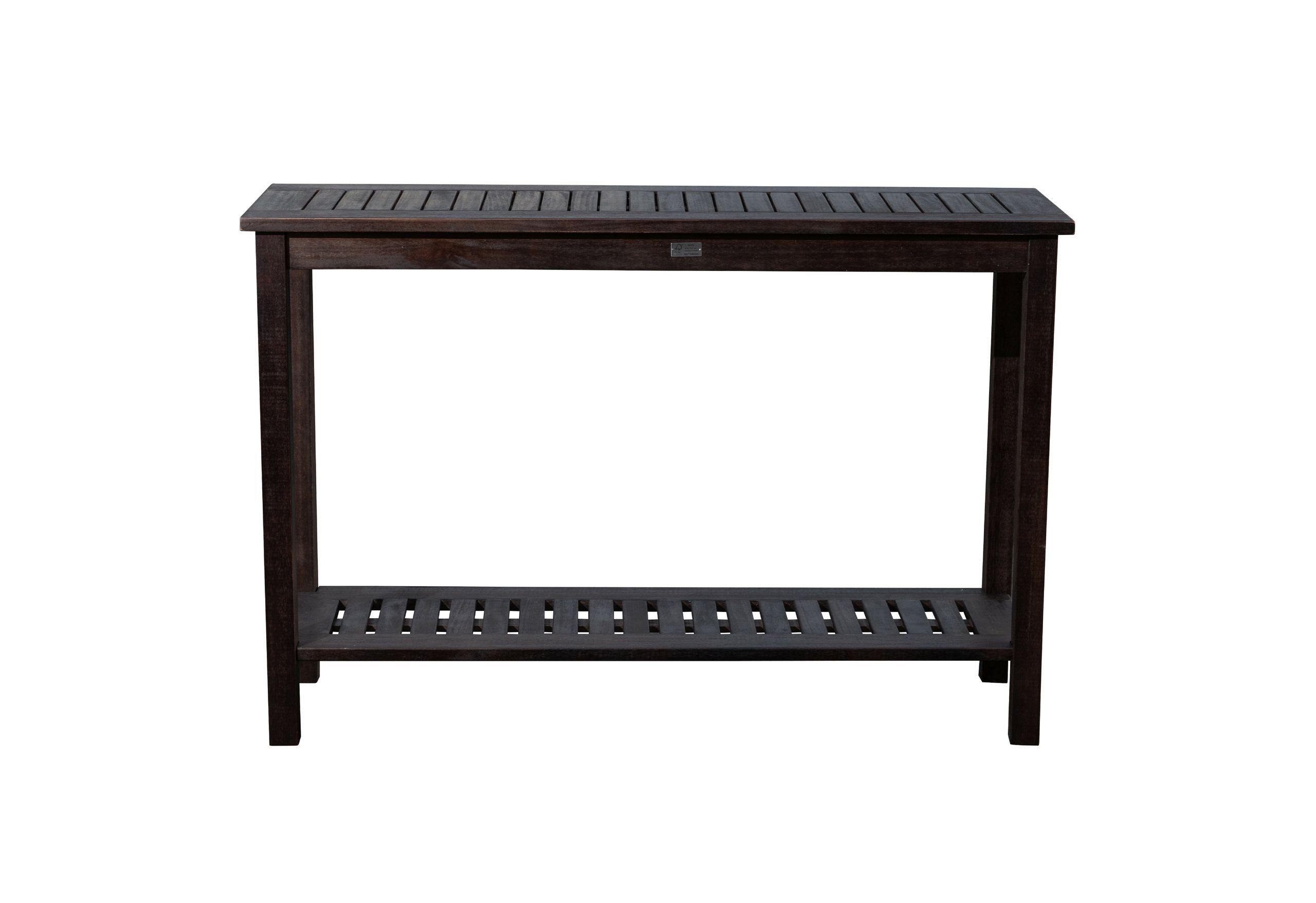
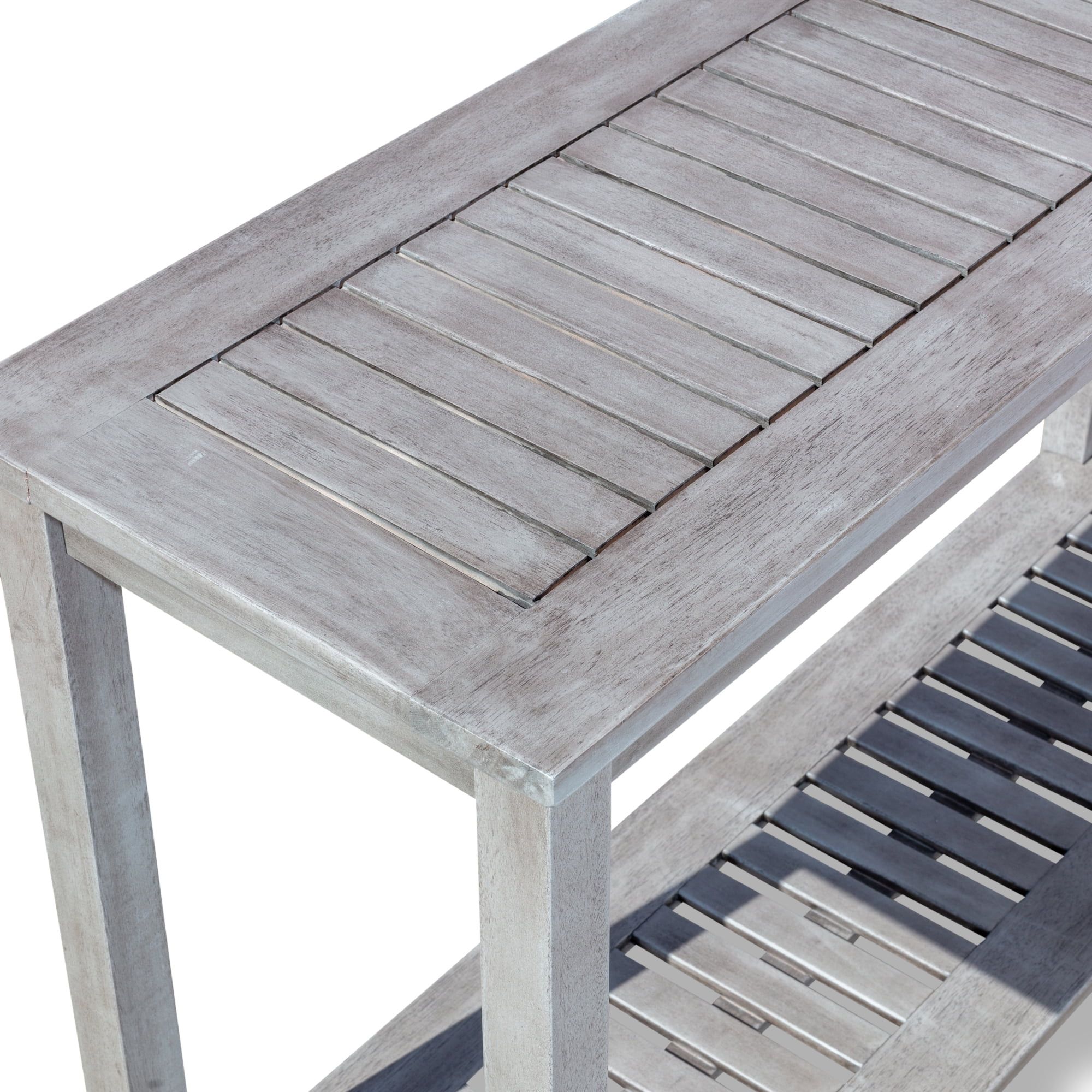
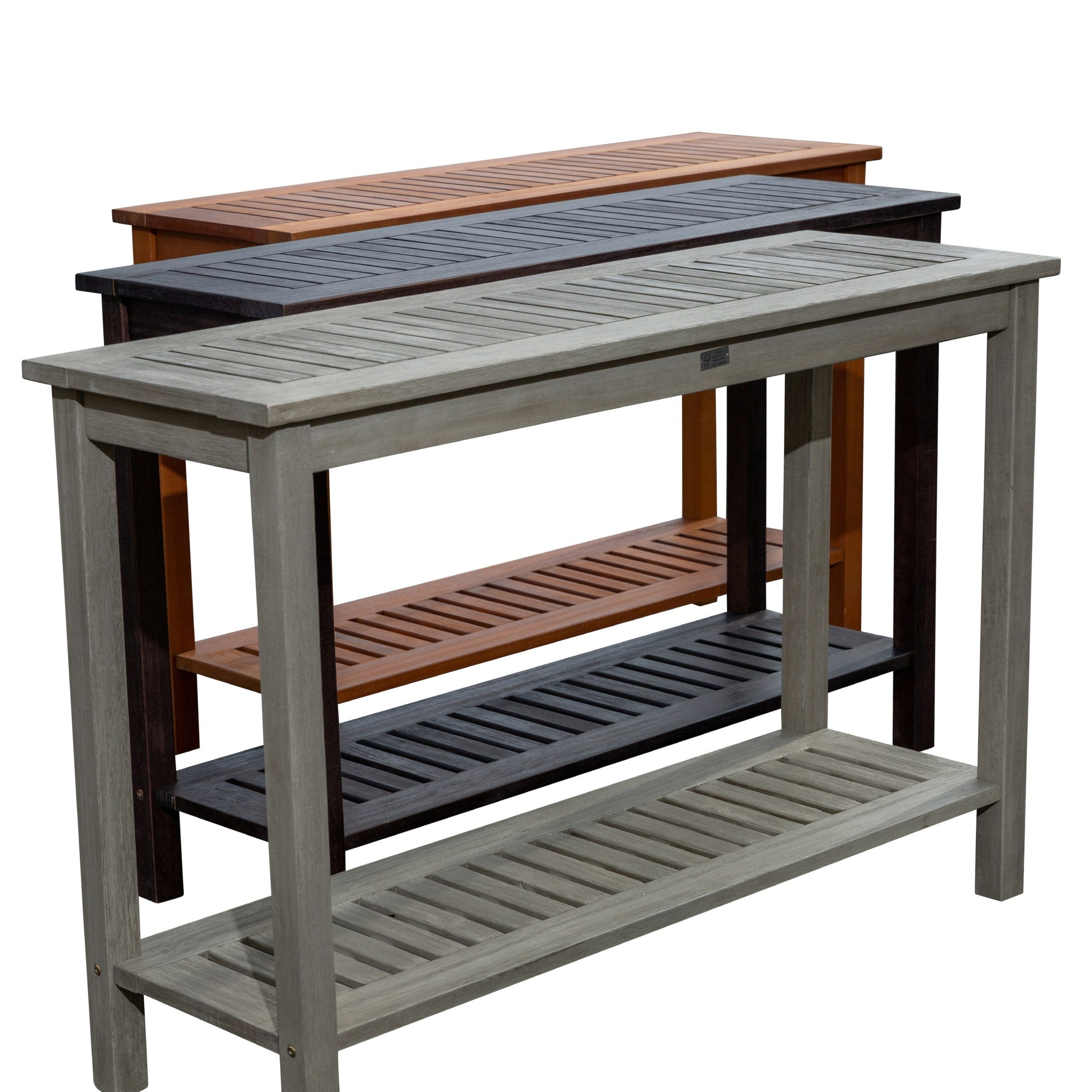
What really captivates people about eucalyptus wood is its natural beauty. The color ranges from light golden hues to deeper browns, often with subtle red or orange undertones that change with lighting. When finished properly, the wood develops a lovely patina over time, becoming richer and more characterful. The natural grain patterns are often dramatic, with swirling lines that create visual interest. Many designers find that eucalyptus wood complements both modern and rustic design styles. The wood’s natural texture adds warmth to any space. Some pieces even show beautiful knots and natural imperfections that tell a story about the tree’s journey from forest to furniture.
Durability and Weather Resistance
One of the most impressive aspects of eucalyptus wood is its ability to handle the elements. Unlike some woods that require frequent treatments or coatings, eucalyptus naturally resists rot and decay. This resistance comes from the tree’s high tannin content and natural oils. When properly treated and maintained, eucalyptus furniture can last for generations. The wood doesn’t warp or split easily in varying temperatures and humidity levels. Even when exposed to direct sunlight for extended periods, the color changes gradually rather than fading dramatically. This makes it particularly suitable for areas with intense sun exposure like coastal regions or southern climates.
Environmental Benefits and Sustainability
Sustainability matters more than ever in today’s world, and eucalyptus wood offers compelling environmental advantages. These trees grow rapidly, making them a renewable resource. They also absorb significant amounts of carbon dioxide during their growth phase. Many eucalyptus plantations are managed responsibly, ensuring that harvesting doesn’t harm ecosystems. The wood requires fewer chemical treatments compared to other woods, reducing environmental impact. Additionally, eucalyptus trees can be grown in various climates, making them accessible to different regions worldwide. This widespread availability reduces transportation costs and emissions associated with shipping materials.
Cost Effectiveness and Value Proposition
Outdoor furniture made from eucalyptus wood often provides excellent value compared to traditional premium woods. While it may cost slightly more initially than basic lumber, the longevity and low maintenance requirements make it economically smart. The natural durability means fewer replacements over time. Many manufacturers report that customers appreciate the long-term savings despite higher upfront costs. The wood’s availability in different grades allows for flexible pricing options. You can find everything from budget-friendly pieces to premium designs that rival expensive hardwood furniture. The investment in quality eucalyptus furniture often pays off through reduced replacement costs and continued enjoyment.
Design Flexibility and Versatility
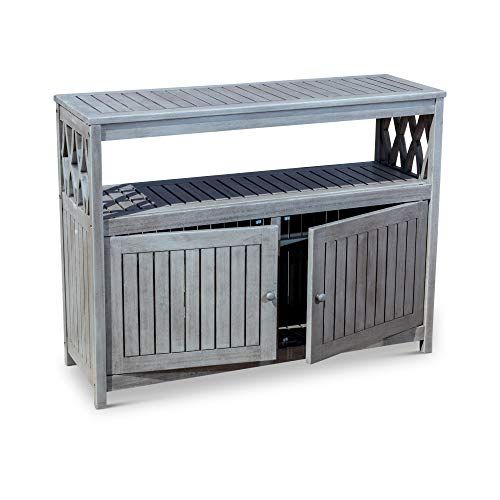
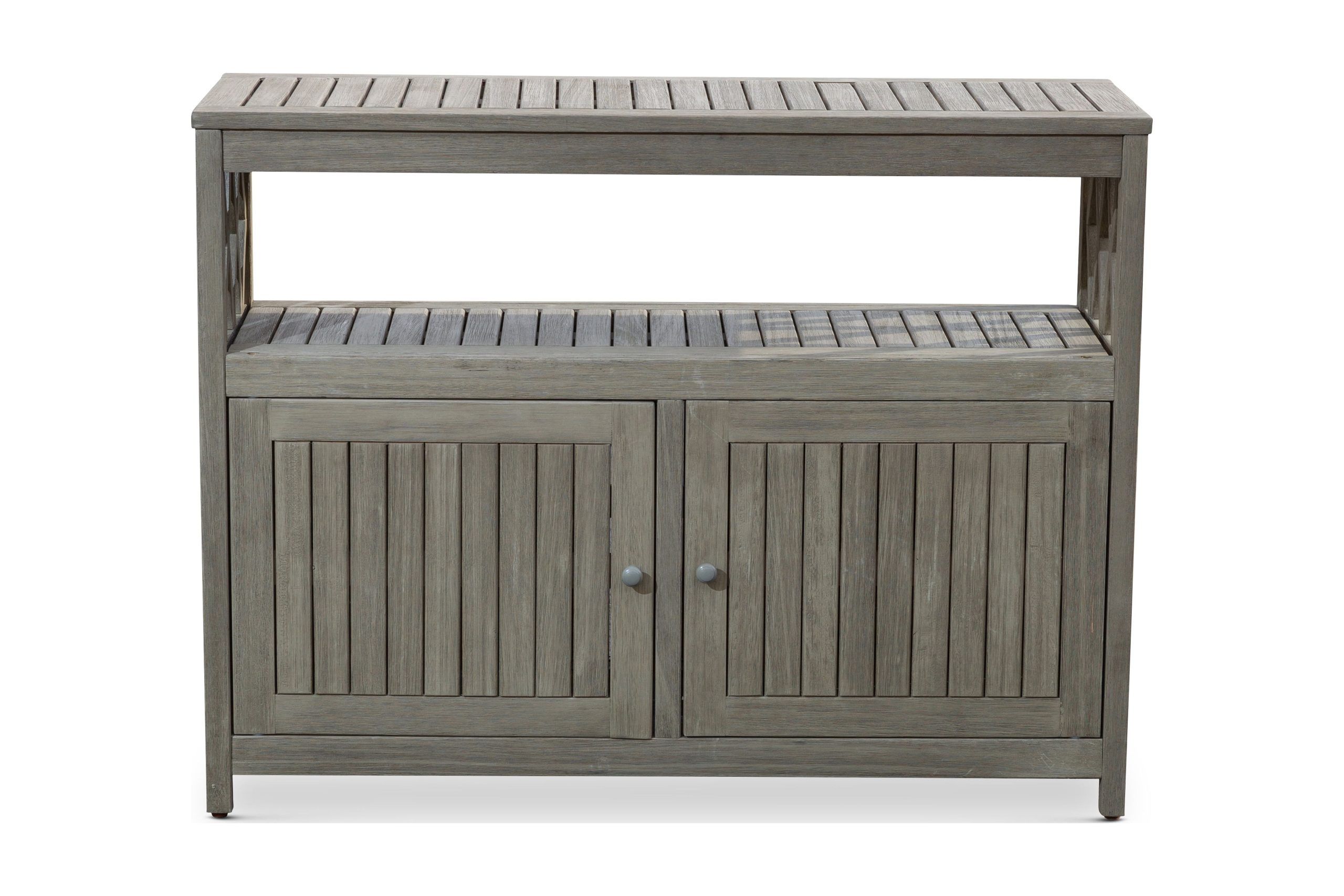
Eucalyptus wood works wonderfully across different design approaches. Its strength allows for creative architectural features like curved tables or intricate joinery work. The wood accepts stains and finishes beautifully, giving designers freedom to match specific aesthetic goals. Whether you want a sleek contemporary look or something more traditional, eucalyptus adapts well. The wood’s natural variation in color and grain can create stunning contrast when used in mixed designs. Some designers even combine eucalyptus with other materials like metal or stone to create striking combinations. The versatility extends to manufacturing processes too – the wood machines well and accepts various finishing techniques.
Eucalyptus wood represents more than just another material choice for outdoor furniture. It’s a bridge between natural beauty and practical functionality that’s increasingly appreciated by designers and consumers. Its combination of durability, aesthetic appeal, and sustainability makes it a standout option in today’s market. As we continue to seek materials that honor both our environment and our desire for beautiful, lasting furniture, eucalyptus wood stands out as a wise choice. Whether you’re planning a new patio set or looking to refresh existing outdoor furniture, considering eucalyptus wood could bring both practical benefits and visual satisfaction to your space. The natural elegance of this wood continues to inspire innovative designs that blend seamlessly with outdoor living.