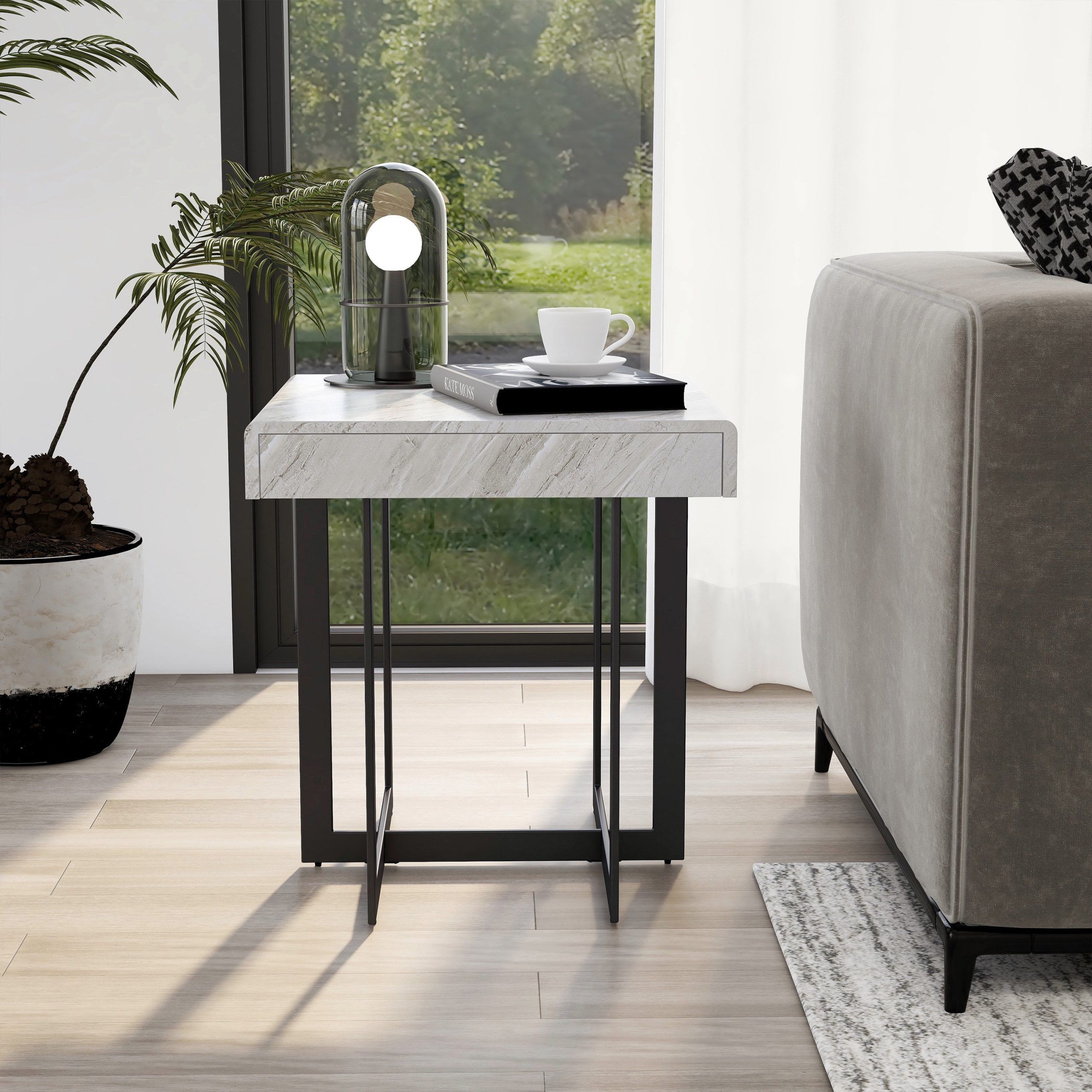
In a world where form follows function, metal furniture stands out as both artist and engineer. The way we build chairs, tables, and storage solutions has evolved dramatically. What once was limited to industrial aesthetics now spans from minimalist living rooms to bustling cafes. These modern approaches aren’t just about looks – they’re about durability, versatility, and creative expression.
When you think of metal furniture, you might picture those heavy industrial chairs or the cold steel tables found in office spaces. But today’s landscape tells a different story. Contemporary metal construction combines traditional craftsmanship with cutting-edge technology. It’s about finding the perfect balance between strength and style, between functionality and artistry. This evolution isn’t just happening in design studios – it’s happening everywhere from small workshops to large manufacturing plants. What makes these techniques so fascinating? They open up entirely new worlds of possibility for designers and makers alike.
The Evolution of Metal in Furniture
Metal furniture hasn’t always been the sophisticated craft it is today. In fact, early versions were often utilitarian, built purely for survival rather than beauty. Think of those old factory workers’ benches or the basic metal chairs found in hospitals during the mid-1900s. Fast forward to today, and we see metal furniture that can seamlessly blend into any interior design. The transformation happened because of new materials, better tools, and most importantly, a deeper understanding of how metal behaves under stress. Designers now know how to manipulate metals to create curves, textures, and forms that were impossible just decades ago. It’s not just about making things stronger anymore – it’s about making them more expressive.
Key Materials Driving Innovation
Not all metals are created equal when it comes to furniture building. Steel remains the backbone of many modern designs, offering excellent strength-to-weight ratios. Aluminum brings lightweight durability that’s perfect for outdoor pieces or portable furniture. Stainless steel provides that sleek, clean look that works in high-end kitchens or modern offices. But there’s more to the story than just choosing the right material. Today’s makers often combine different metals or treat them differently to achieve unique effects. For instance, some craftspeople use powder coating to add color and texture while maintaining the structural integrity of their pieces. Others experiment with patinas on copper or brass to create distinctive visual appeal. The real magic happens when these materials meet modern processing techniques.
Advanced Joining Methods
How you connect metal pieces matters more than you might think. Traditional welding methods still have their place, but modern techniques offer incredible flexibility. Laser welding allows for precise connections that barely show any trace of joining. Mechanical fasteners like rivets and bolts provide easy assembly and disassembly – perfect for modular furniture. Some designers even use adhesives specifically designed for metal, creating seamless joints that are both strong and visually pleasing. One particularly interesting development is the use of friction stir welding, which creates incredibly strong joints without melting the metal. This technique produces cleaner results and reduces the risk of warping or distortion. It’s amazing how these small changes in methodology can transform the final product.
Precision Manufacturing Technologies
The way metal furniture gets made has changed dramatically over the past decade. Computer numerical control (CNC) machines can cut intricate shapes with millimeter precision, something that would have taken hours by hand. These machines work with software that translates digital designs into physical objects. Laser cutting adds another layer of complexity, allowing for detailed patterns and perforations that would be nearly impossible to achieve manually. 3D printing is starting to make its way into metal furniture production, especially for prototypes and small-scale custom pieces. Additive manufacturing lets makers create complex internal structures that serve both aesthetic and functional purposes. The result is furniture that’s not only more consistent but also more innovative than ever before. What’s particularly exciting is how these technologies are making high-end designs more accessible to smaller businesses and independent makers.
Design Flexibility and Creative Possibilities
One of the most exciting aspects of contemporary metal construction is how it opens doors to creativity. Unlike wood or stone, metal can be bent, twisted, and shaped in ways that challenge our expectations. Curved metal frames can create organic shapes that feel both modern and welcoming. Hollow tubes can be joined to create lattice structures that filter light beautifully. The ability to treat metal surfaces differently means each piece can have its own personality. Some furniture features brushed finishes that catch light in interesting ways, while others use matte coatings for a more understated look. Designers are pushing boundaries with modular systems where pieces can be rearranged or combined in multiple configurations. It’s not just about building furniture anymore – it’s about creating experiences through design.
Sustainability and Future Trends
As environmental concerns grow, metal furniture construction is adapting to meet those needs. Metals are inherently recyclable, and many manufacturers now use recycled content in their products. The longevity of metal furniture means fewer replacements over time, reducing overall waste. Some companies are experimenting with bio-based coatings that protect metal without harming the environment. Modular designs that allow for easy repair or component replacement are becoming more common. The future looks promising with developments in smart materials that can change properties based on temperature or light conditions. We’re also seeing increased interest in local production to reduce transportation emissions. What’s clear is that sustainable practices aren’t just good for the planet – they’re good for business too. The next generation of metal furniture will likely blend traditional craftsmanship with environmental consciousness in ways we’re only beginning to imagine.
Contemporary metal furniture construction represents more than just a shift in materials or methods – it’s a complete reimagining of what furniture can be. From the careful selection of materials to the precision of modern manufacturing, every step of the process reflects our growing understanding of metal’s potential. These techniques allow designers to push beyond traditional limitations while still honoring the fundamental principles of good design. Whether you’re looking for a statement piece for your home or considering commercial applications, the possibilities seem endless. The best part? These innovations aren’t reserved for big corporations or expensive pieces. As technology becomes more accessible, more makers and designers can experiment with these techniques, bringing fresh ideas to market regularly. The future of metal furniture construction is bright, and it’s happening right now.