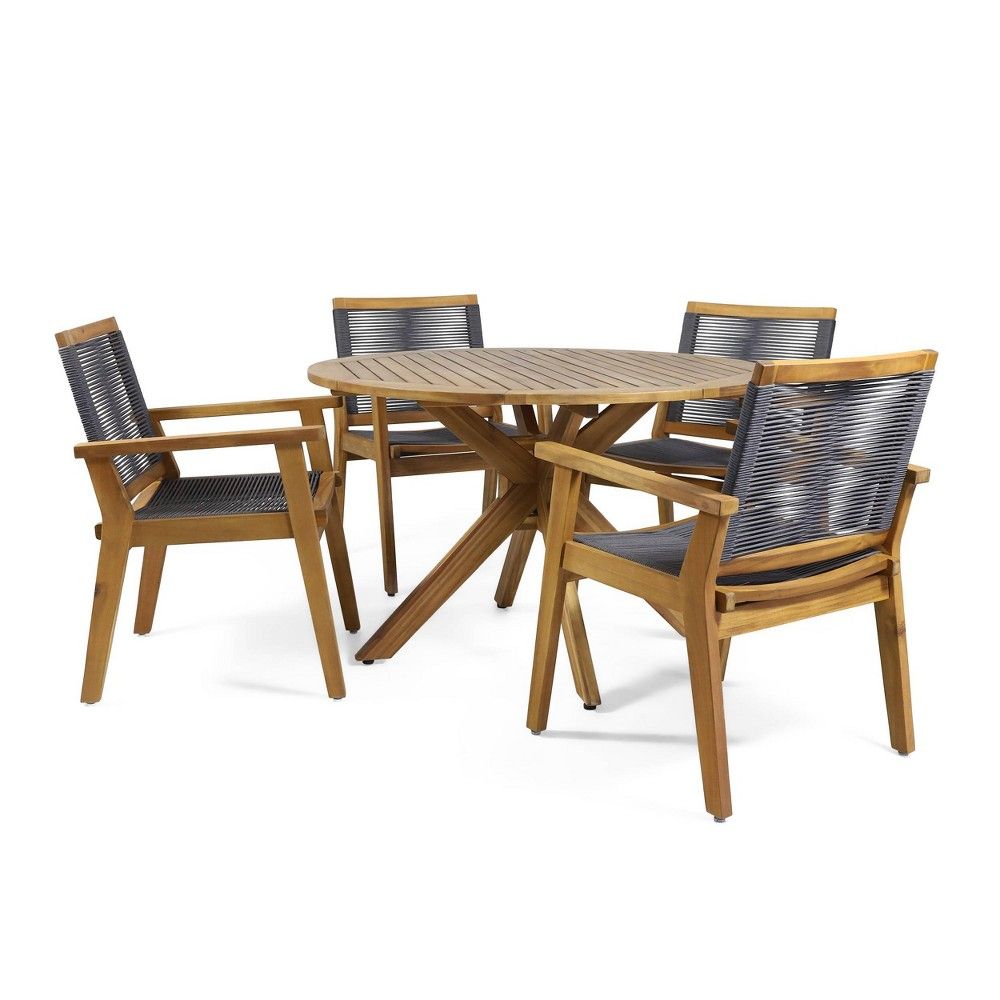
There’s something deeply satisfying about a well-maintained outdoor dining table. Whether it’s a sleek modern design or a classic wooden masterpiece, the right finish can transform your outdoor space. But when it comes to maintaining those rich, dark gray tones, it takes more than just a quick wipe-down.
Picture this: You’ve invested time and money into a stunning outdoor dining table with a beautiful dark gray finish. It looks incredible in your backyard during sunset, casting elegant shadows across the patio. But after a few months of summer use, you notice the finish starting to fade, the color looking duller, and maybe some water spots appearing. This isn’t just about aesthetics – it’s about protecting your investment and ensuring years of enjoyment. The secret lies in understanding how to properly care for these special surfaces.
Understanding Dark Gray Finishes
Dark gray finishes on outdoor dining tables aren’t just about color – they’re about protection, durability, and visual appeal. These finishes typically combine several elements that work together to resist weathering, fading, and wear. Think of them as armor for your furniture. They often include protective coatings that repel water and UV rays, while also providing resistance against scratches and general damage. The key is knowing what makes these finishes tick. Many dark gray finishes are based on polymer blends or specialized wood treatments that create a barrier between the table surface and environmental factors. Understanding the materials used in your specific table helps you choose the right maintenance approach. Some tables might feature a clear protective coating over a dark stain, while others might have a fully pigmented finish. Either way, the maintenance approach varies slightly.
Common Challenges in Outdoor Environments
Outdoor dining tables face unique challenges that indoor furniture never experiences. Weather changes happen constantly – from morning dew to afternoon sun, from gentle rain to heavy storms. These conditions can wreak havoc on finishes if not properly managed. Humidity plays a significant role too, especially in coastal areas or regions with high moisture levels. Water spots, fading from UV exposure, and even mold growth can become problems. Temperature fluctuations cause expansion and contraction, which can stress the finish over time. Salt spray from ocean environments creates particularly tough conditions for maintaining finishes. Even simple things like bird droppings or insect residue can damage finishes if left unattended. The real challenge is balancing protection with the natural beauty of the wood grain or material. You want to preserve the dark gray appearance without creating a barrier that makes the table feel artificial.
Essential Maintenance Tools and Products
Having the right tools makes all the difference in maintaining your outdoor dining table. Start with quality cleaning supplies designed specifically for outdoor furniture. Microfiber cloths are a must-have – they won’t scratch the surface while effectively removing dirt and debris. A soft-bristled brush works great for getting into crevices and around hardware. For deeper cleaning, you might need a mild soap solution or specialized outdoor furniture cleaners. Some products are formulated specifically for dark gray finishes and can help restore color and shine. Remember to check the manufacturer’s recommendations for your particular table type. Different finishes require different approaches. Some may need annual stripping and reapplication, while others might just need regular cleaning and conditioning. Always test new products on a small, hidden area first. What works perfectly on one table might cause issues on another. Having a good supply of quality wax or sealant is also important for maintaining the protective layer.
Regular Cleaning Routine
A consistent cleaning schedule prevents buildup and maintains the appearance of your dark gray finish. Every week or two, give your table a quick dusting with a soft cloth or brush. Remove leaves, dirt, and any debris that might accumulate. Use a mild soap solution and soft cloth for deeper cleaning once a month or as needed. Always clean in the direction of the wood grain to avoid scratching. Pay attention to areas that get more use – the center of the table, near the legs, and anywhere people frequently place items. After heavy use or after rain, a quick wipe-down helps prevent water spots and stains. Never use harsh chemicals or abrasive cleaners, as these can damage the finish. The key is consistency rather than intensity. Regular light maintenance is far better than occasional deep cleaning sessions that might stress the finish. Consider establishing a routine that fits your lifestyle – perhaps cleaning after each meal or weekly.
Seasonal Care Strategies
Different seasons bring different challenges to your outdoor dining table. Spring means coming out of storage, which requires careful inspection for any damage that occurred during winter. Summer brings intense sun exposure and frequent use, so protection becomes crucial. Rainy seasons mean extra attention to water management and preventing pooling. Fall preparation involves protecting the finish before colder weather arrives. Winter can be tough on outdoor furniture, especially in regions with freezing temperatures. During spring, inspect for cracks, warping, or fading that might have occurred over winter. Clean thoroughly and consider applying a fresh coat of protective treatment. Summer maintenance focuses on preventing UV damage and keeping the finish looking vibrant. You might need to clean more frequently due to increased use and exposure. Fall is the time to prepare for winter storage, including thorough cleaning and possibly applying extra protective layers. Winter care involves either storing indoors or using appropriate covers and treatments to protect against freeze-thaw cycles.
Professional vs. DIY Approaches
When it comes to maintaining dark gray finishes, you have options. Professional services can provide deep cleaning, refinishing, and expert application of protective treatments. They offer convenience and guarantee results, though they come with a price tag. DIY maintenance allows you to save money and stay connected to your furniture. However, it requires learning proper techniques and having the right tools. Consider your skill level, time availability, and budget when choosing your approach. Professional services might be worth it for complex restoration projects or if you’re unsure about handling certain situations. DIY maintenance works well for regular upkeep and simple touch-ups. Many homeowners find success with basic maintenance tasks themselves, such as cleaning and applying protective coatings. The key is knowing when to call in the experts. If you see signs of major damage, extensive fading, or if you’re unsure about the correct treatment for your specific finish, professional help might be the best choice.
Maintaining dark gray finishes on outdoor dining tables is both an art and a science. It requires understanding the materials, being aware of environmental challenges, and following consistent care routines. The rewards are significant – a beautiful, long-lasting table that enhances your outdoor living experience for years to come. Remember, every table is different, and what works for one might not work for another. The most important thing is staying observant and responsive to your table’s needs. Whether you choose to handle maintenance yourself or seek professional help, the key is consistency and proper technique. Your outdoor dining table deserves the best care possible, and with the right approach, it will continue to be a centerpiece of your outdoor entertaining for many seasons ahead. The effort you put into maintenance today will pay off in countless hours of enjoyment tomorrow.