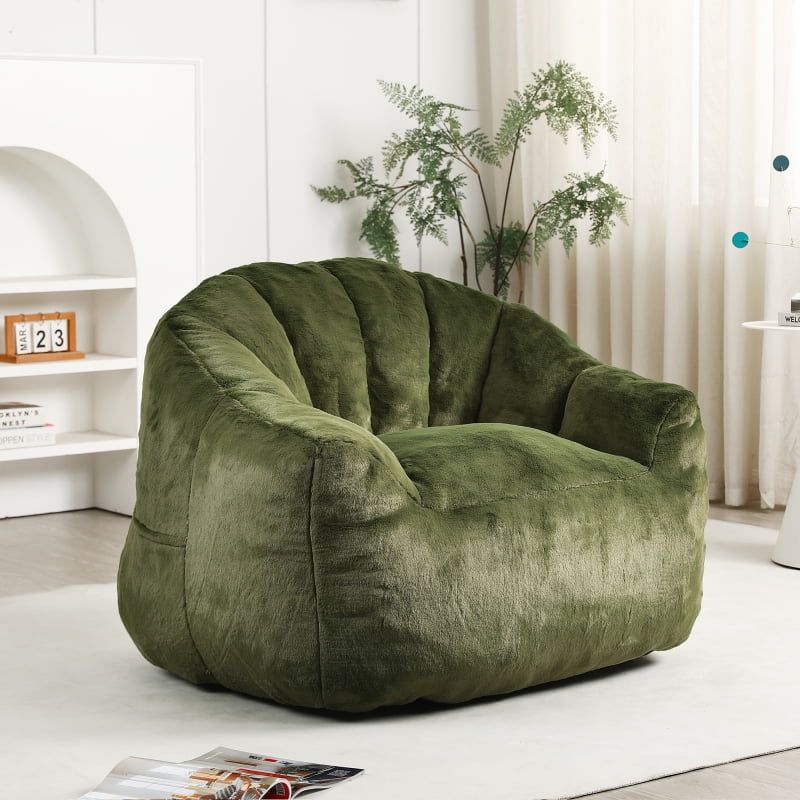
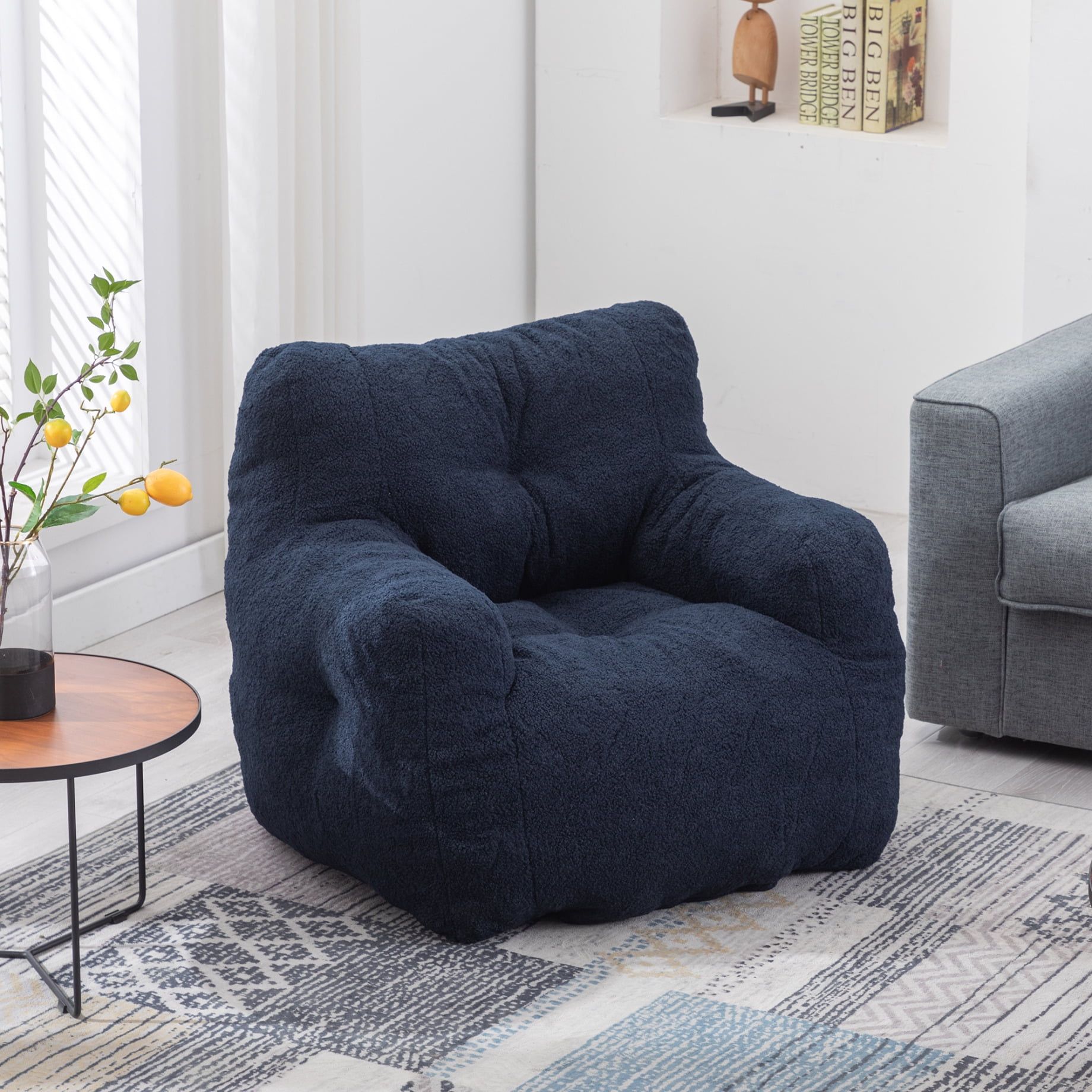
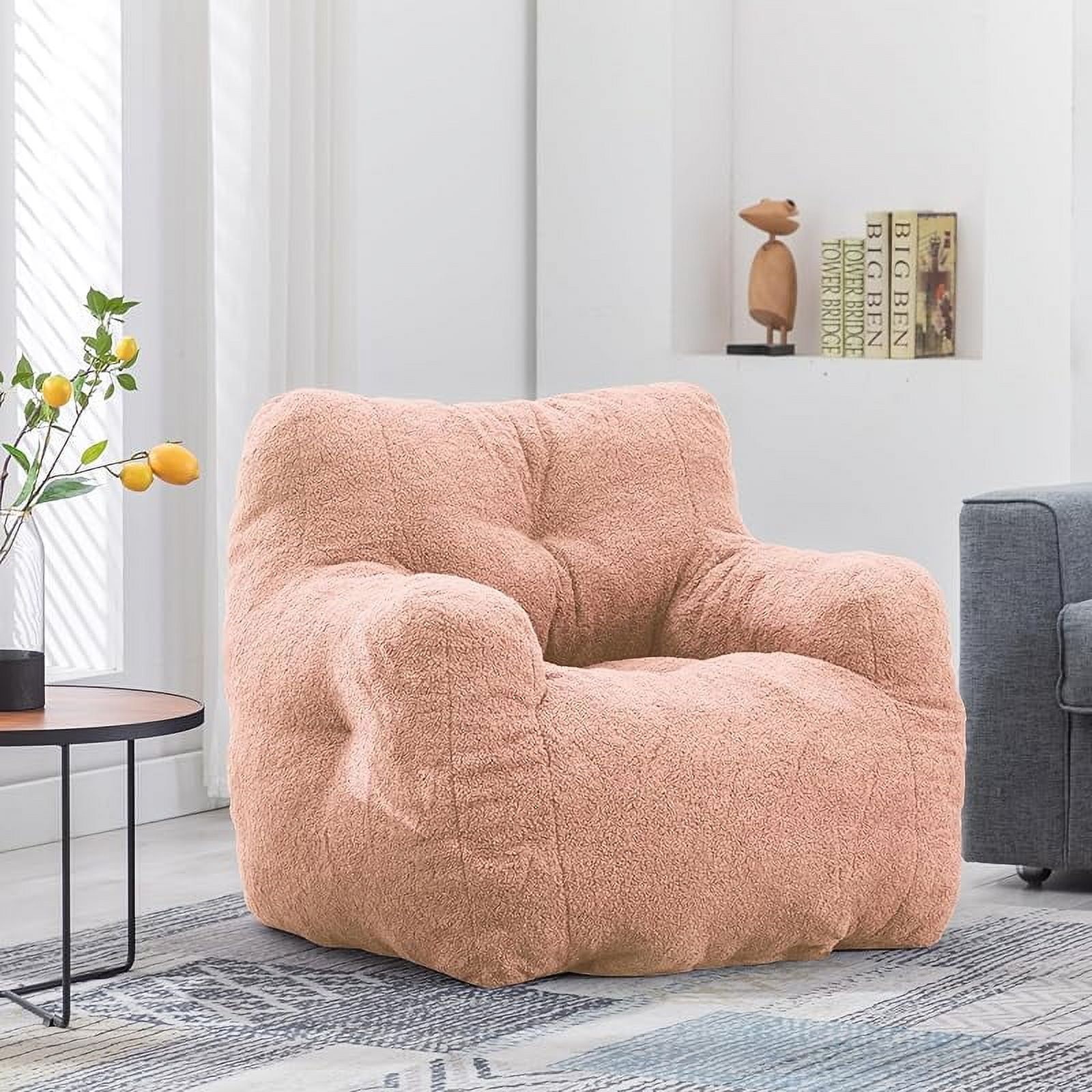
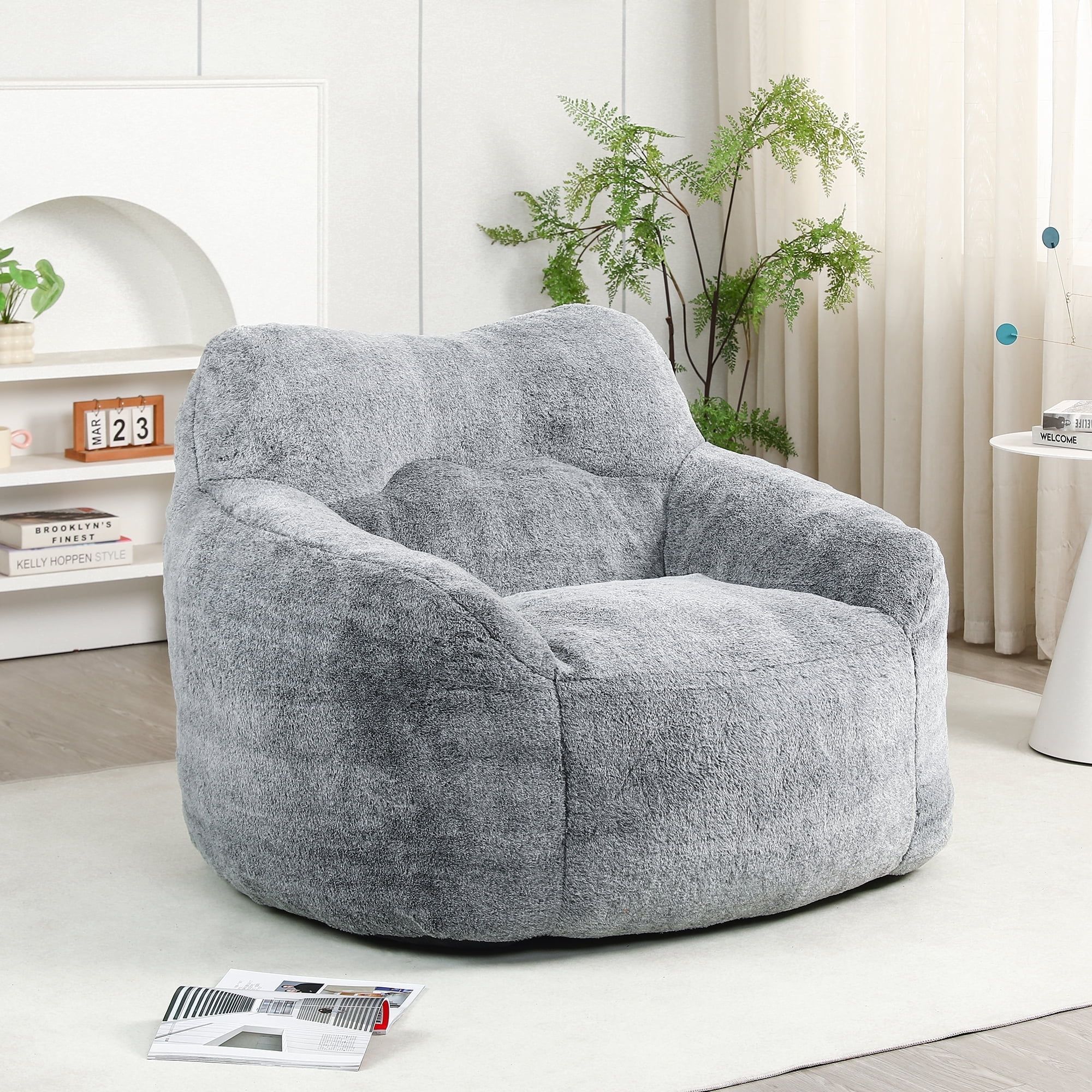
Think about the last place that truly made you feel at peace. Was it a cozy reading nook, a garden where birds sing, or perhaps a well-designed kitchen that feels like a sanctuary? The magic lies not just in aesthetics, but in how we design spaces to support our wellbeing while standing the test of time. This isn’t just about pretty things—it’s about thoughtful design that nurtures both body and soul.
When we talk about designing for relaxation and durability, we’re really talking about two fundamental human needs. We want spaces that calm our nerves and make us feel safe. We also want those spaces to last. Not just physically, but emotionally too. A room designed for relaxation should feel like a gentle hug when you walk in. It should invite you to breathe deeper, to let go of tension, and to simply be. Meanwhile, durability means creating designs that age gracefully, that continue to serve us well long after the initial excitement fades. The best designs do both at once, creating environments that feel timeless and comforting.
The Psychology of Relaxing Spaces
What makes a space feel relaxing? It’s not just about soft lighting or comfortable furniture. Research shows that our brains respond to certain visual and sensory cues that trigger calmness. Consider how natural light filters through sheer curtains, how the sound of water trickles in a fountain, or how textures like wood and stone create a sense of grounding. These elements work together to lower cortisol levels and activate the parasympathetic nervous system, which is responsible for rest and digestion. When we design with these principles in mind, we’re essentially creating environments that support our mental health naturally. Think about it—how often do you find yourself unconsciously reaching for a soft pillow or a warm blanket when stress hits? Those are the same principles at work in good design.
Choosing Materials That Last
Durability in design starts with materials that age well. Natural materials like wood, stone, and wool tend to improve with time rather than deteriorate. A well-crafted wooden dining table might show scratches after years of use, but those marks tell a story. They’re signs of life, of meals shared, of laughter echoing through the room. Contrast that with synthetic materials that look new but feel dated after a few years. The key is understanding that durability isn’t about perfection—it’s about resilience. It’s about choosing materials that can handle daily wear and tear while maintaining their beauty. For instance, linen fabrics develop a beautiful patina over time, becoming softer and more inviting with each wash. The same goes for stone surfaces that show the marks of countless meals and gatherings. These aren’t flaws—they’re features that add character and warmth.
Color Psychology and Calming Effects
Colors have power, and when we choose them thoughtfully, they can transform a space from merely functional to truly restorative. Cool tones like soft blues and greens naturally evoke feelings of tranquility and peace. They remind us of water and sky, elements that are inherently calming. Warm earth tones such as terracotta, sage green, and muted ochres create a feeling of security and comfort. These colors are often associated with nature and stability. But the magic happens when we layer these colors thoughtfully. A bedroom might feature a soft blue walls with warm wooden furniture and touches of sage green in textiles. The result is a space that feels both expansive and intimate. Remember that color temperature matters too. Cool colors can make a small room feel larger, while warm tones make larger spaces feel cozier. The goal is balance—not overwhelming the senses but creating harmony.
Lighting That Works With Our Nature
Lighting affects everything from our sleep cycles to our mood. Good lighting design considers both natural and artificial sources. Natural light is the gold standard—it changes throughout the day, providing different moods and energy levels. A window seat bathed in morning sun creates one feeling, while the same space filled with evening light offers something entirely different. Artificial lighting should complement rather than compete with natural light. Dimmer switches are essential because they allow us to adjust the atmosphere as our needs change. Soft, warm lights in the evening help prepare our bodies for rest. Harsh, bright lights during the day help us stay alert and energized. Layered lighting—ambient, task, and accent—creates depth and flexibility. Imagine a reading chair with a floor lamp for focused reading, overhead lighting for general tasks, and a dimmer switch to create a peaceful glow for evening wind-down.
Creating Flow and Comfortable Movement
A space designed for relaxation must also be easy to navigate. This means considering how people move through the space, how furniture is arranged, and whether there’s enough room to breathe. Think about the journey from one area to another. Does it feel rushed or leisurely? Are there obstacles that make movement difficult? The path between a bedroom and bathroom should feel effortless, not like a maze. Furniture placement matters enormously. A dining table that’s too close to the wall might make the space feel cramped, while a coffee table positioned too far from seating can make conversation feel awkward. The concept of ‘flow’ isn’t just about physical movement—it’s also about emotional movement. A space that encourages easy conversation, comfortable sitting, and unhurried activities creates a foundation for relaxation. Consider how people naturally gather in your space and design accordingly. Sometimes less furniture is more, allowing for open areas where people can relax without feeling crowded.
Sensory Elements That Enhance Wellbeing
Great design engages all our senses, not just sight. The right scents can instantly transport us to a peaceful place. Lavender, cedarwood, and vanilla are known for their calming properties. Plants bring fresh air and natural movement to a space, and their presence alone can reduce stress levels. The sound of gentle water features, soft music, or even the quiet rustle of fabric creates a backdrop that supports relaxation. Textures matter too—soft rugs underfoot, smooth wood surfaces, cool stone countertops. These tactile experiences help ground us in the present moment. A well-designed space might feature a small indoor garden, a bowl of fresh flowers, and a soft throw blanket within reach. These elements combine to create a multi-sensory experience that supports our wellbeing. Consider how a space makes you feel when you enter it. Does it immediately ease tension, or does it feel like you have to work to feel comfortable?
Designing for relaxation and durability isn’t about creating perfect spaces—it’s about crafting environments that support our humanity. It’s about choosing materials that age beautifully, colors that soothe our nerves, and layouts that encourage comfortable movement. It’s about understanding that the spaces we inhabit shape our daily experiences, our relationships, and even our health. The best designs don’t demand anything of us except to exist in them fully. They provide a sanctuary where we can rest, recharge, and feel genuinely at home. Whether you’re redesigning a single room or planning a whole house, remember that the goal is to create spaces that feel like a gentle embrace. Spaces that make us want to linger, to breathe deeply, and to simply be present. When we approach design with both comfort and longevity in mind, we’re not just decorating—we’re nurturing our environment and ourselves.