Ever walk into a room and just feel… good? There’s a certain effortless grace, a sense of spaciousness that just makes you want to settle in. Oftentimes, this feeling isn’t accidental. It’s the result of thoughtful design, and sometimes, the unsung hero in this equation is a piece of furniture as simple as a mirror table. These aren’t just surfaces to hold your coffee cup; they’re clever tools that can dramatically alter how a room feels and functions, particularly when it comes to creating that coveted sense of flow. Let’s dive into how these reflective wonders work their charm.
You know, designing a home isn’t just about picking pretty furniture. It’s about creating an atmosphere, a feeling. And a huge part of that is how a room flows. Does it feel cramped, or does it breathe? Does light bounce around, or does it get absorbed into dark corners? This is where modern mirror tables really shine, quite literally. They possess this almost magical ability to play with light and space, making even smaller or darker rooms feel grander and more connected. Think of them as little architects of illusion, subtly guiding your eye and expanding your perception of the room. It’s a design trick that’s both beautiful and incredibly practical. So, how do they actually achieve this, and how can you best use them?
The Illusion of Space: Making Rooms Feel Bigger
One of the most immediate impacts of a mirror table is its ability to create the illusion of more space. Mirrors, by their nature, reflect. When you place a mirror table in a room, it bounces light around, and importantly, it reflects the surrounding environment. This reflection fools the eye into perceiving the room as larger than it actually is. Imagine a sleek, mirrored console table placed against a wall in a hallway. It doesn’t just hold your keys; it reflects the opposite wall, making that hallway seem twice as long and much more open. This is particularly effective in smaller apartments or rooms with challenging layouts. The light amplification also combats dimness, making the entire area feel brighter and more expansive. It’s like giving your room a visual breath of fresh air. Consider a mirrored coffee table in a living room; it can visually double the perceived size of the seating area, making it feel more accommodating and less cluttered.
Boosting Light and Brightness
Light is everything when it comes to a welcoming and airy space. Mirror tables are phenomenal at maximizing natural and artificial light. Positioned strategically, they can catch sunlight from a window and redirect it across the room, illuminating darker corners. In the evening, they can amplify the glow from lamps, creating a warm and inviting ambiance. This isn’t just about making a room look brighter; it’s about making it feel more alive and energetic. Think about a mirrored side table next to an armchair with a reading lamp. The table not only provides a convenient spot for your book and tea but also bounces the lamp’s light outward, creating a cozy and well-lit reading nook. This enhanced luminosity contributes significantly to a room’s overall flow, preventing it from feeling heavy or stagnant. It’s a subtle yet powerful way to combat that sometimes oppressive feeling of a room that just doesn’t get enough natural illumination.
Enhancing Room Flow and Connectivity
Flow, in interior design, is all about how easily you can move through a space and how well different areas connect. Mirror tables can be instrumental in this. Their reflective surfaces can visually link different parts of a room or even adjacent rooms. For instance, a mirrored dining table can create a connection between the dining area and the living room if they’re open-plan, reflecting elements from both spaces. This visual continuity helps guide the eye and creates a sense of seamless transition. It’s not just about making a room look bigger; it’s about how the different elements within it relate to each other. A mirrored entryway table, for example, can reflect the living space beyond, creating an immediate sense of openness and inviting people further into the home. This helps break down any visual barriers and encourages a natural movement through the house. It’s about creating a conversation between different zones, and mirror tables are excellent at facilitating that dialogue.
Versatility in Design and Placement
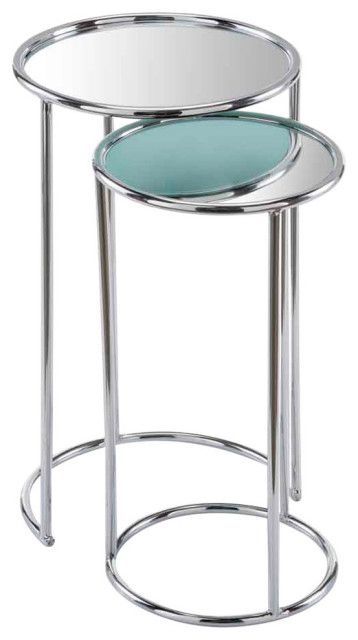
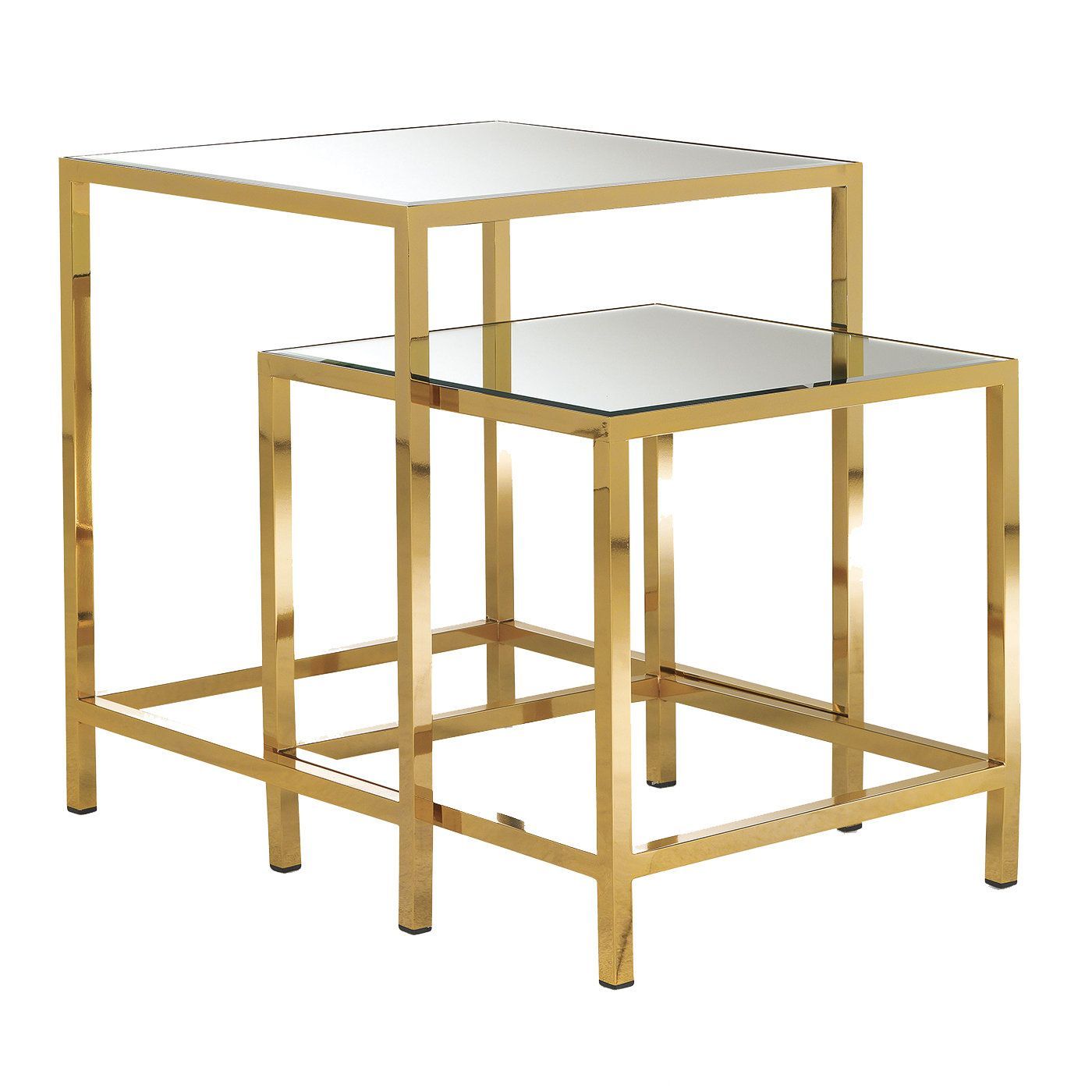
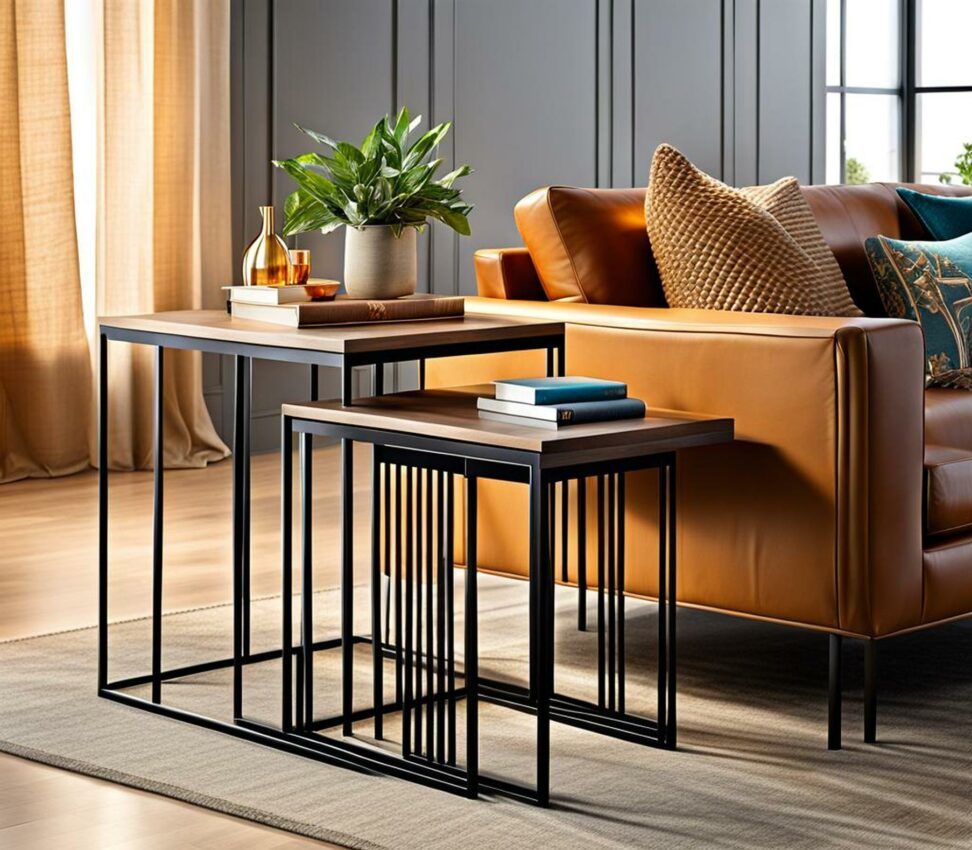
What’s fantastic about modern mirror tables is their sheer versatility. They come in so many styles – from minimalist, sleek designs to more ornate, vintage-inspired pieces. Whether you need a slim console table for a narrow hall, a sturdy coffee table for your living room, or a delicate side table for beside your bed, there’s likely a mirrored option. Their reflective quality means they tend to blend well with various decor styles, acting as a neutral yet impactful element. You can place them to bounce light, to create a focal point, or simply to add a touch of glamour. For example, a mirrored nesting table set offers flexibility; you can spread them out for extra surface area when entertaining, or tuck them away neatly to save space and maintain a clean look. This adaptability makes them a go-to choice for designers and homeowners alike looking to add both function and a sophisticated aesthetic. They’re not just a trend; they’re a practical design solution.
Choosing the Right Mirror Table for Your Space
So, you’re convinced, right? But how do you pick the perfect one? Consider the scale of your room. A massive mirrored coffee table might overwhelm a small space, while a delicate mirrored side table could get lost in a large, open-plan living area. Think about the existing colors and textures in your room. Mirrored surfaces are generally neutral, but the frame or base of the table can add or complement color and material. If your room has a lot of warm wood tones, a mirrored table with a brass or gold-toned frame can add a touch of elegance and warmth. For a more modern, minimalist look, a table with a simple chrome or black metal frame would be ideal. Also, consider the placement. Where will it best catch light? Where will its reflection add the most visual interest or create the most beneficial illusion of space? It’s about harmonizing the table with the room’s existing architecture and your personal style. Don’t be afraid to experiment a little; sometimes the best placement isn’t the most obvious one.
Maintenance and Care: Keeping Your Shine
Of course, with great shine comes the need for a little upkeep. Mirror tables, as you might expect, need regular cleaning to maintain their reflective quality and prevent smudges or streaks from detracting from their impact. A good quality glass cleaner and a soft microfiber cloth are your best friends here. For everyday dust, a dry cloth usually does the trick. Be mindful of placing hot items directly on the surface, as extreme heat can sometimes damage the backing of mirrors, though most modern tables are designed with durability in mind. Also, be cautious with abrasive cleaning products, as they can scratch the glass over time. Regular, gentle care will ensure your mirror table continues to enhance your room’s brightness and flow for years to come. It’s a small effort for a significant visual reward, really.
Ultimately, modern mirror tables are more than just furniture; they’re design assets that can genuinely transform a living space. By ingeniously manipulating light and reflection, they create an illusion of spaciousness, boost brightness, and foster a seamless flow between different areas of your home. Whether you’re looking to make a small room feel more expansive or simply want to add a touch of sophisticated elegance, incorporating a mirror table is a smart and stylish solution. They offer a subtle yet powerful way to enhance your home’s atmosphere and functionality, proving that sometimes, the most impactful design choices are the ones that reflect the best in your surroundings. So, next time you’re thinking about refreshing your space, consider the humble mirror table – it might just be the key to unlocking that perfect harmony you’ve been seeking.