When you think of elegant design, what comes to mind? Perhaps it’s the graceful curves of a vintage chair or the intricate details of hand-carved wood. But have you ever considered how a simple bird motif could carry centuries of cultural significance and artistic excellence? Traditional crane designs in furniture offer exactly that – they blend aesthetic beauty with deep symbolic meaning.
Traditional crane motifs in furniture might seem like a niche interest, but they represent something much bigger. These designs have been captivating artisans and collectors for generations, offering a unique intersection of artistry, symbolism, and functionality. Whether you’re a furniture enthusiast, a designer, or simply someone who appreciates beautiful craftsmanship, understanding the appeal of crane-inspired furniture can add depth to your appreciation of these remarkable pieces. The crane, with its long neck and graceful movements, has long been associated with longevity, wisdom, and good fortune across many cultures. When these qualities are translated into furniture design, they create pieces that are not just objects to sit on or look at, but rather meaningful artifacts that tell stories.
Cultural Significance Across Continents
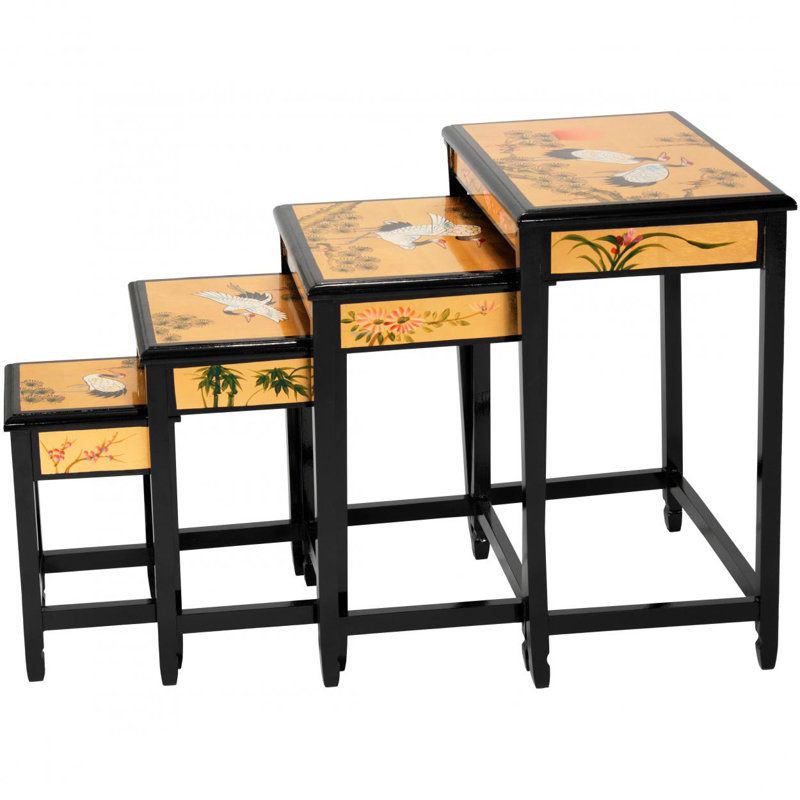
Crane symbolism transcends borders and time periods. In Chinese culture, cranes are revered as symbols of longevity and immortality. Ancient texts speak of cranes living for thousands of years, making them powerful emblems of eternal life. Japanese culture shares similar reverence, where cranes represent peace and good luck. The famous origami crane, folded by children worldwide, embodies hope and healing. European traditions also incorporate crane imagery, though often with different meanings. In medieval times, cranes were seen as noble birds, representing grace and dignity. This cross-cultural appreciation explains why crane designs have found their way into furniture from various regions. Consider a Chinese imperial chair adorned with carved cranes – each detail speaks to centuries of tradition and respect for these magnificent birds. The way the crane’s neck curves gracefully, its wings spread wide, and its stance poised for flight, all translate beautifully into furniture forms.
Historical Evolution of Crane Motifs
The journey of crane designs in furniture isn’t just about aesthetics – it’s a historical narrative. Early furniture featured cranes in simple relief carvings, often found on chests and tables. As craftsmanship evolved, so did the complexity of these designs. By the 17th century, European furniture makers began incorporating crane elements into their work, particularly in decorative panels and legs. In Asia, the tradition remained strong, with artisans creating elaborate pieces that showcased both technical skill and artistic vision. What’s fascinating is how these designs adapted to local tastes and available materials. A Victorian-era chair might feature a delicate crane motif in brass, while a modern Scandinavian piece could incorporate subtle crane silhouettes in wood. The evolution shows how designers continuously reinterpreted these classic forms for new audiences and purposes.
Artistic Techniques and Materials
Creating crane designs in furniture requires both skill and patience. Wood carving remains the most common technique, especially in traditional pieces. Master craftsmen use specialized tools to create the fluid lines that define a crane’s form. The process involves careful planning and multiple stages of refinement. Metalwork offers another approach, with artisans using techniques like repoussé and chasing to create raised designs. Some contemporary pieces combine both materials, using wood for structure and metal accents for the crane elements. The choice of material affects not just appearance but also durability and maintenance requirements. A carved wooden crane on a table leg will age differently than a brass crane on a chair armrest. Understanding these differences helps collectors and buyers appreciate the craftsmanship involved.
Modern Interpretations and Contemporary Appeal
Today’s designers aren’t afraid to take traditional crane motifs and give them fresh perspectives. Modern interpretations often simplify the classical forms while maintaining their essential elegance. Minimalist approaches focus on clean lines and geometric shapes that still capture the essence of a crane’s movement. Some contemporary artists create pieces that blur the line between sculpture and furniture, making every chair or table a conversation starter. The popularity of these designs extends beyond collectors to everyday consumers who value unique, meaningful pieces. Think about how a modern dining table with subtle crane-inspired legs can transform a room’s atmosphere. The key is finding the right balance between honoring tradition and embracing innovation.
Collecting and Care Guidelines
For those interested in acquiring crane-designed furniture, knowledge is power. Start by researching the maker’s reputation and the piece’s provenance. Look for signs of quality craftsmanship, such as smooth transitions between curves and consistent proportions. Authentic pieces often show wear patterns that tell their story over time. Proper care ensures these treasures last for generations. Regular dusting with soft cloths works well for most pieces. Avoid harsh chemicals that might damage finishes or reveal underlying wood grain. For antique pieces, professional restoration might be necessary, but always consult experts who understand traditional techniques. Insurance coverage is also important for valuable acquisitions, as these pieces often appreciate in value over time.
Where to Find Authentic Pieces
Finding genuine crane-designed furniture requires some detective work and knowledge of reputable sources. Antique shops and estate sales offer opportunities to discover hidden gems, but buyers must be cautious and informed. Online marketplaces have expanded access to these pieces, though buyers should verify authenticity carefully. Museums and cultural centers often host exhibitions featuring traditional crafts, providing excellent learning opportunities. Many artisan workshops now specialize in traditional techniques, offering custom pieces that honor classical designs. The internet has made it easier to connect with master craftspeople and learn about their processes. Building relationships with dealers and collectors can provide access to rare finds and insider knowledge about emerging trends in the field.
Traditional crane design in furniture represents more than just decorative elements – it’s a bridge between past and present, between cultures and craftsmanship. These pieces remind us that beauty isn’t just about what we see, but also about what we feel when we encounter something truly well-made. Whether you’re drawn to the symbolic meaning, the artistic execution, or simply the elegant lines, crane-inspired furniture offers something special. The enduring appeal suggests that there’s something fundamental about these designs that resonates with our deepest appreciation for craftsmanship and meaning. As we continue to seek out meaningful objects in our increasingly digital world, traditional crane furniture stands as a testament to the timeless value of handcrafted excellence. The next time you see a piece with crane motifs, take a moment to appreciate not just its beauty, but the centuries of tradition that went into creating it.