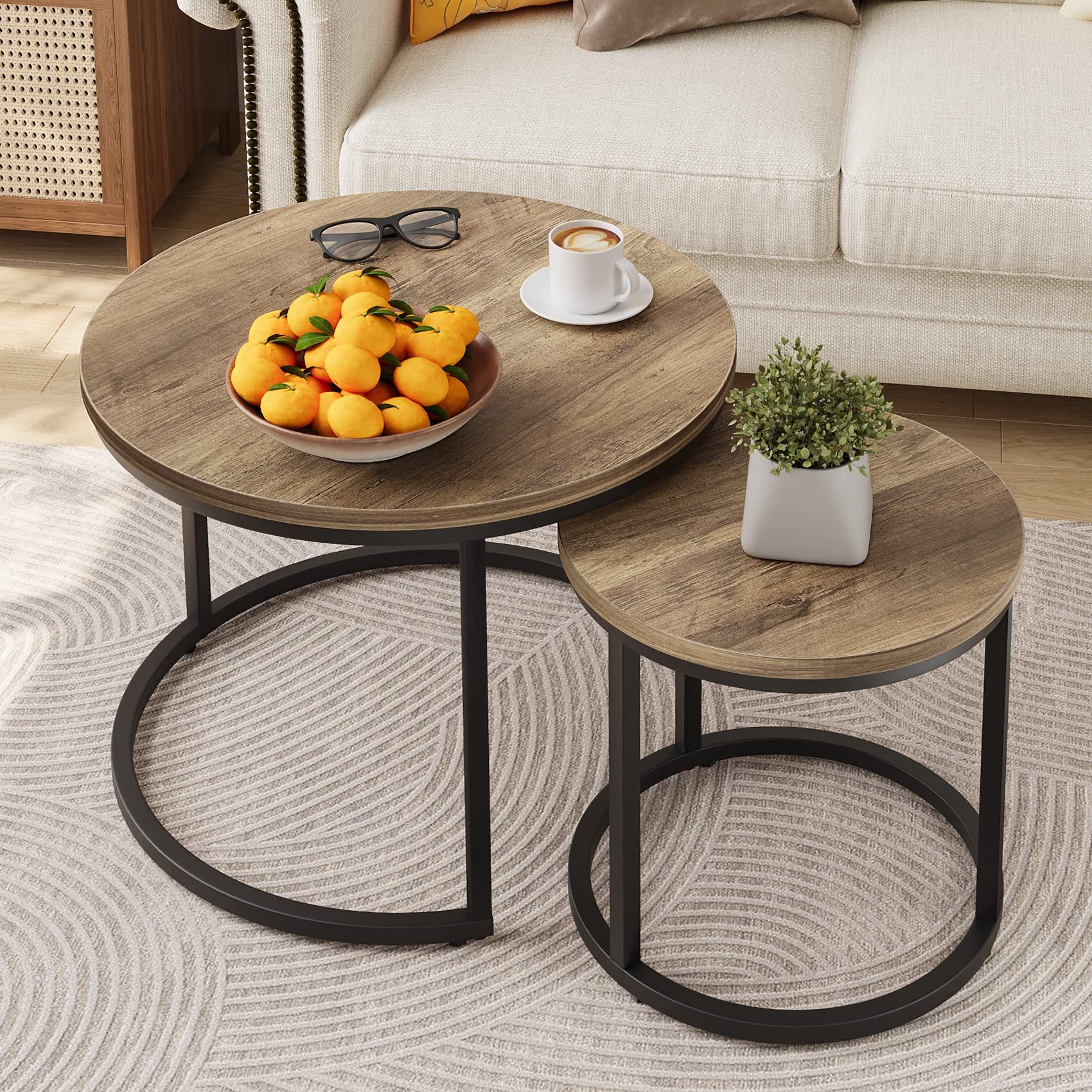
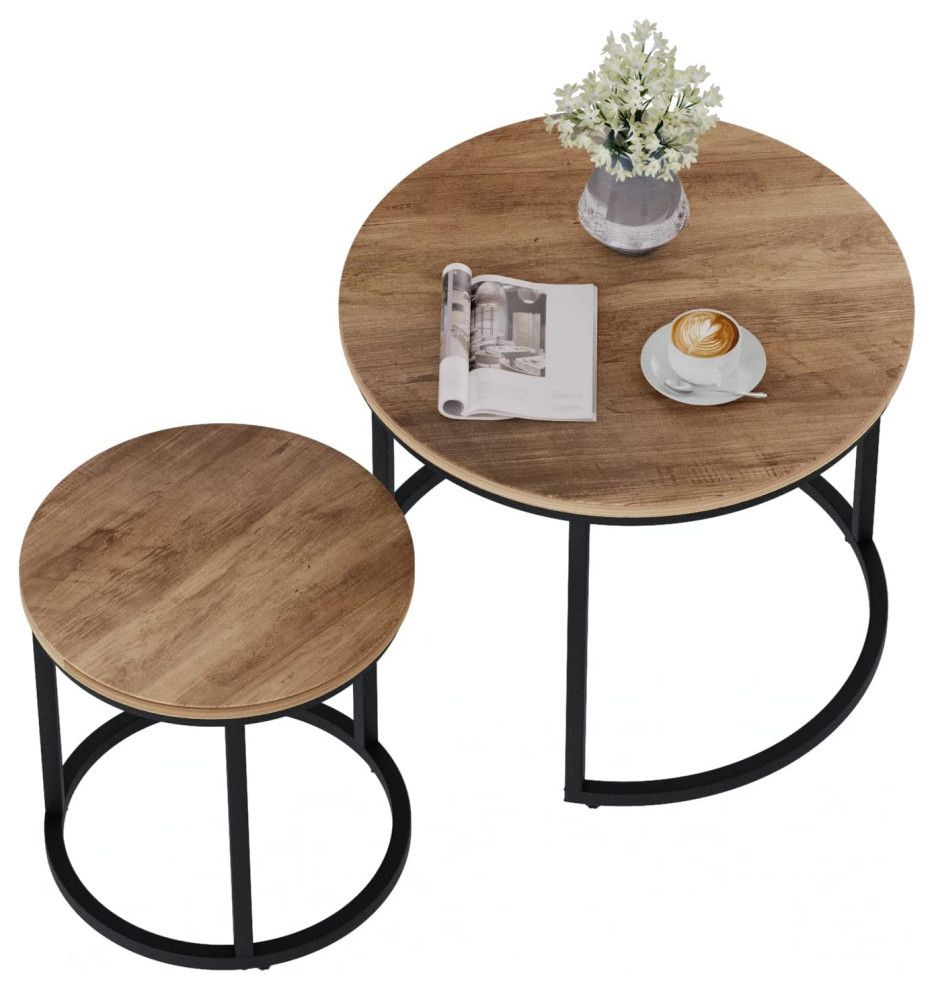
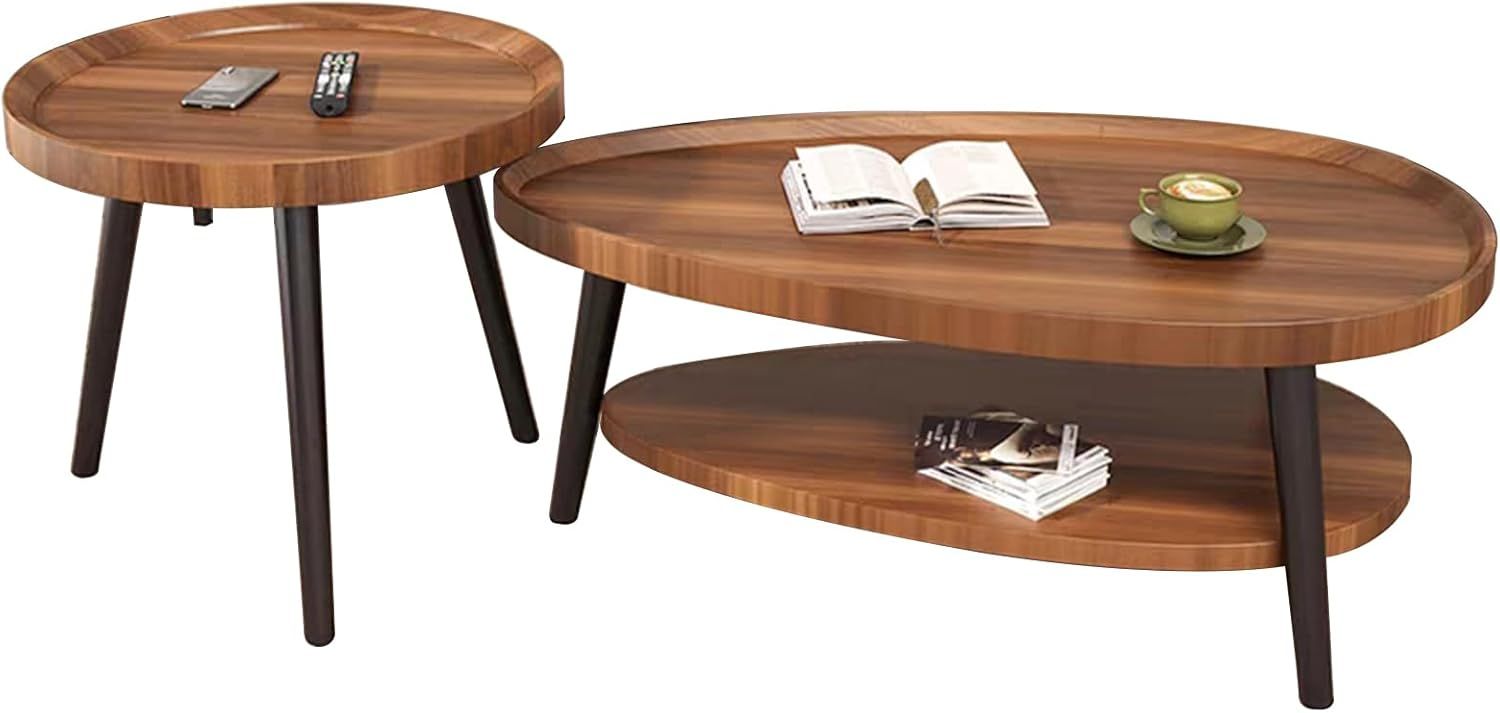
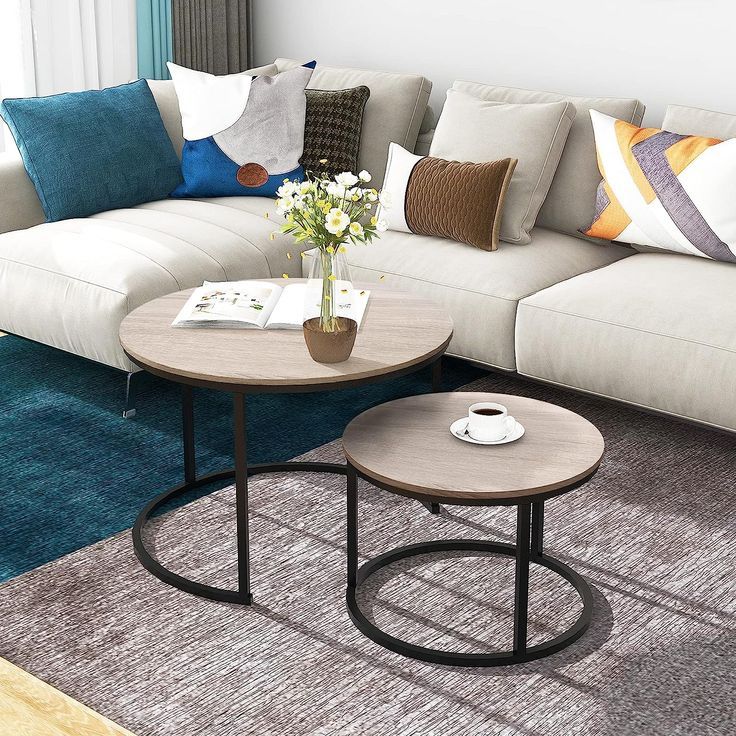
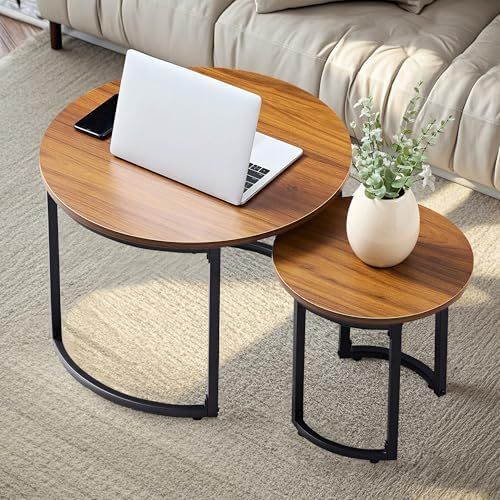
Picture this: you’re settling in for the evening, your feet on the coffee table, the room filled with soft light and comfortable conversation. That table isn’t just furniture – it’s the heart of your living space. And when it happens to be round, something magical occurs. It changes how people move around, how they interact, and even how the room feels. Let’s explore why round coffee tables have become such a powerful design choice.
In the world of interior design, few pieces command as much attention as the humble coffee table. But when we talk about round coffee tables specifically, something different emerges. They don’t just sit there – they invite. They encourage. They create a sense of community and flow that square tables simply cannot match. Whether you’re hosting friends for dinner or simply want to make your living room feel more welcoming, round tables offer unique advantages that extend far beyond their visual appeal. These aren’t just decorative elements; they’re functional solutions to modern living challenges.
The Flow of Conversation
One of the most significant benefits of round coffee tables is their ability to promote natural conversation. When people gather around a circular surface, there’s no designated ‘head’ of the table. Everyone sits equidistantly, creating a more democratic and inclusive environment. This arrangement naturally encourages dialogue because everyone feels equally involved. Think about it – when you’re seated around a square table, someone always ends up being positioned where they might feel slightly excluded from the main conversation. A round table eliminates that subconscious barrier entirely.
This concept becomes even more important in today’s world where people spend more time together in shared spaces. The round shape helps break down social hierarchies and creates a more relaxed atmosphere. It’s no wonder that many designers consider this one of the most crucial aspects of creating a truly hospitable home environment. The way people move around a round table often reflects their comfort level with the space itself.
Space Efficiency and Movement
Let’s face it – modern homes often come with limited space. That’s where round coffee tables really shine. Unlike their square counterparts, round tables don’t create sharp corners that can be dangerous or difficult to navigate. For families with young children or elderly members, this safety factor alone makes them a smart choice. Plus, the rounded edges mean less chance of furniture damage when people accidentally bump into them while walking around the room.
Additionally, round tables typically take up less visual space than square ones. They appear to float rather than dominate a room. This is particularly helpful in smaller living areas where every inch matters. The gentle curves of a round table seem to invite movement rather than block it. You’ll find that people naturally gravitate toward these tables because they feel less restrictive and more open. The shape itself seems to breathe more easily within confined spaces.
Visual Balance and Aesthetics
From an aesthetic standpoint, round coffee tables offer unique visual properties that can transform a room’s overall appearance. Their continuous curve creates a sense of harmony and unity that’s hard to achieve with angular shapes. When you place a round table in a room, it often acts as a visual anchor, drawing attention to itself while still allowing other elements to complement it gracefully.
Consider how different materials and finishes interact with the curved form. Wood grain appears more organic on a round surface, while metal can look sleeker and more streamlined. The absence of corners means there are fewer places for dust to accumulate, making maintenance easier. Many people find that round tables simply feel more elegant and timeless than square alternatives. They possess a quality that makes them look good regardless of what style of décor they’re paired with.
Practical Benefits for Daily Life
Beyond aesthetics, round coffee tables provide several practical advantages that impact daily life. The lack of sharp edges makes them safer for households with pets or small children. You won’t find yourself worrying about scraped knees or broken glass when someone accidentally bumps into the table. This safety feature alone can be worth the investment for many families.
The circular shape also allows for better distribution of items placed on top. Books, drinks, and decorations can be arranged more evenly without having to worry about centering or balancing. Some people even find that round tables accommodate more items before feeling cluttered, thanks to the way weight distributes across the surface. The shape encourages a more casual approach to display, where everything can be seen and accessed easily. It’s a practical solution that doesn’t compromise on style.
Versatility in Different Room Settings
What makes round coffee tables so adaptable is their ability to work in various room configurations and styles. In traditional settings, they can add a touch of classic sophistication, especially when made from rich woods like oak or walnut. In contemporary homes, they bring a modern, minimalist feel that complements clean lines and neutral tones.
They’re particularly effective in open-concept living spaces where multiple functions happen simultaneously. Whether you’re using the area for dining, reading, or entertaining, a round table adapts to whatever activity is happening. The flexibility extends to placement too – they can sit in corners, against walls, or in the center of a room without looking out of place. This adaptability makes them ideal for homes where space needs change over time or where different family members have varying preferences.
Choosing the Right Round Table for Your Space
Selecting the perfect round coffee table requires considering several factors. First, measure your available space carefully. A table that’s too large can overwhelm a small room, while one that’s too small may look insignificant. Consider the height of your seating as well – the table should allow for comfortable conversation without requiring people to lean forward or hunch over.
Material selection matters enormously. Glass tables can make a room feel larger and more airy, while wood adds warmth and texture. Metal offers durability and a contemporary edge. Stone or concrete tables bring industrial sophistication. Each material brings its own personality to the space, so choose based on your lifestyle and desired atmosphere. Don’t forget about leg style – whether you prefer slender tapered legs that draw the eye upward or sturdier designs that ground the piece firmly in the room.
Round coffee tables represent more than just another furniture option – they embody thoughtful design principles that enhance our daily lives. From encouraging better conversations to providing safer, more efficient spaces, these tables offer genuine improvements to how we experience our homes. Their ability to blend aesthetics with functionality makes them a smart investment for anyone looking to create a more welcoming, practical living environment. Whether you’re redesigning your entire space or simply updating one element, a well-chosen round coffee table can serve as the foundation for a more connected and comfortable home. The magic isn’t just in the shape itself, but in how it influences the way we live, interact, and feel in our own spaces.