There’s something undeniably captivating about polished chrome furniture. It catches light, reflects your space, and adds that certain je ne sais quoi that makes a room feel elevated. But how do you actually make it work in your modern home? What considerations really matter when bringing this metallic beauty into your living areas? Let’s explore the essential factors that make or break chrome furniture integration.
Polished chrome furniture has carved out its own niche in contemporary interior design. It’s not just about the gleam anymore – it’s about creating visual interest while maintaining clean lines and modern aesthetics. Whether you’re considering a sleek chrome dining table or a statement chair, understanding the design elements that make chrome work in today’s spaces is crucial. The key lies in balance, context, and knowing when to use chrome versus when to let it shine on its own.
Understanding Chrome’s Visual Impact
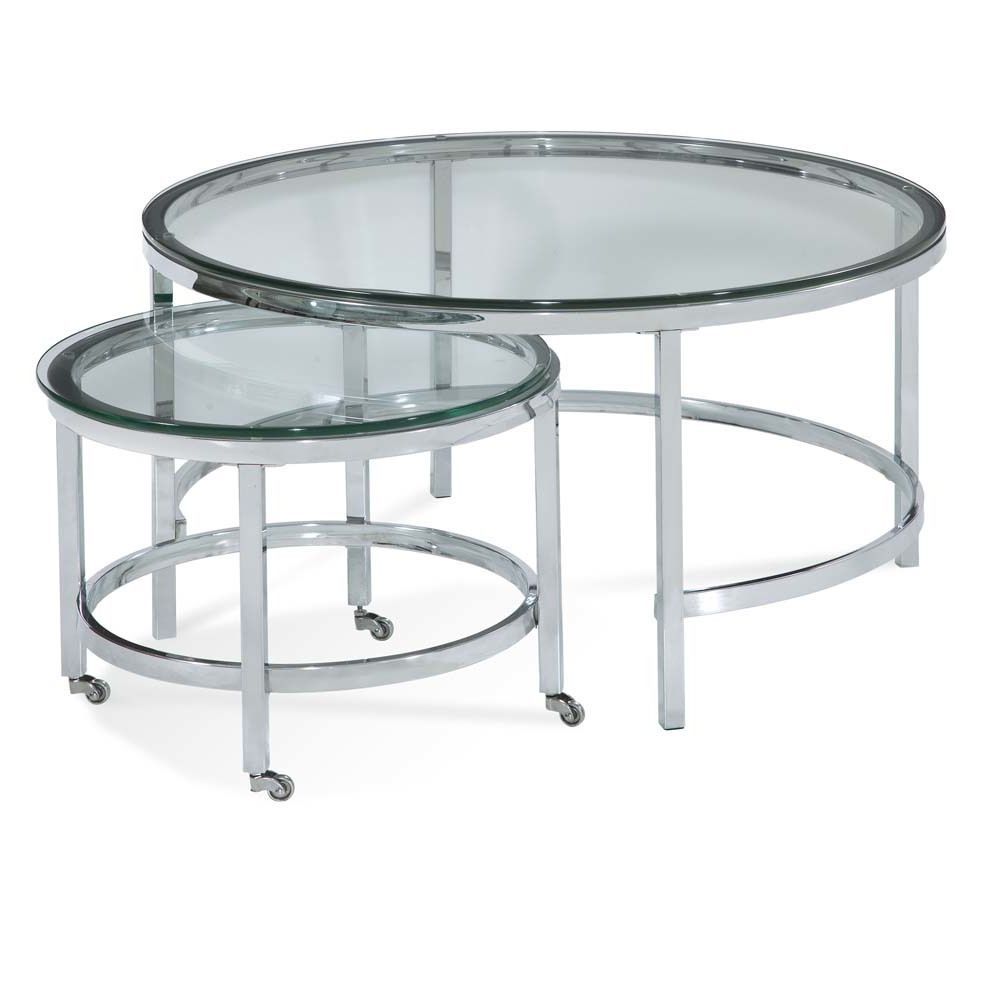
Chrome furniture doesn’t just sit in a room – it commands attention. The reflective surface creates an optical illusion that can either expand or compress your space depending on how it’s used. When you have a large polished chrome coffee table in a small room, it can make everything feel bigger. But if you’re not careful, it might also make the space feel cold and clinical. The material’s ability to reflect light means it can transform the entire atmosphere of a room.
Think about how chrome behaves differently under various lighting conditions. Natural light makes it sparkle, while artificial lighting can create dramatic shadows. This dynamic quality means that chrome furniture needs to be placed thoughtfully. A chrome accent chair in a dimly lit reading nook might look like a spotlight, while the same chair in a bright kitchen might blend seamlessly with the surroundings. The key is matching the chrome’s impact to your room’s character.
Color Harmony and Contrast
One of the most important aspects of using chrome furniture is how it interacts with surrounding colors. Chrome works best when it’s part of a broader color scheme rather than standing alone as a shocking element. Light neutral tones like white, beige, or soft gray provide the perfect backdrop for chrome’s reflective properties to shine.
Consider this scenario: You’ve got a modern living room with cream-colored walls and a dark wood floor. Adding a chrome side table creates contrast without overwhelming the space. The chrome catches light beautifully, making the room feel more alive. On the flip side, if you’re working with a palette of deep blues and rich burgundies, chrome can actually enhance those colors by reflecting them back into the room.
Remember, chrome isn’t just silver – it’s a mirror that picks up surrounding hues. So choose your background carefully, and watch how chrome becomes a part of the overall color story rather than fighting against it.
Scale and Proportion Considerations
This is where many people get it wrong with chrome furniture. Size matters more than you might think. A tiny chrome chair in a large open-plan space might look lost, while a massive chrome console table in a small apartment can dominate everything else. The secret lies in matching chrome pieces to the scale of your room.
A good rule of thumb is to consider how much space the chrome piece will occupy visually. A sleek chrome dining table might look impressive in a spacious kitchen, but in a compact dining area, it could feel too imposing. Conversely, a small chrome accent table works perfectly in a cozy bedroom or as a side table next to a reading chair.
Also consider the proportions of the furniture itself. Chrome chairs with thin legs often look better in smaller spaces because they don’t block visual pathways. In larger rooms, you can afford to have bolder, more substantial chrome pieces that make a statement without overwhelming.
Lighting Integration
Lighting plays a crucial role in how chrome furniture appears and functions. Proper lighting can make chrome furniture seem almost magical, while poor lighting can make it look flat or even unappealing. Natural light is always ideal, but it’s not always available.
When planning chrome furniture placement, think about both ambient and accent lighting. A chrome desk in a well-lit office benefits from overhead lighting that highlights its surfaces. But in a dining room, you want to ensure that the chrome table doesn’t create glare for diners. Consider adding a pendant light above a chrome dining table to soften the reflection and create a cozy dining atmosphere.
Many designers recommend using layered lighting around chrome pieces. This includes a combination of general room lighting, task lighting focused on specific items, and accent lighting that draws attention to the chrome details. The interplay between these different light sources helps showcase the metal’s reflective qualities without making them harsh or distracting.
Material Pairings and Textures
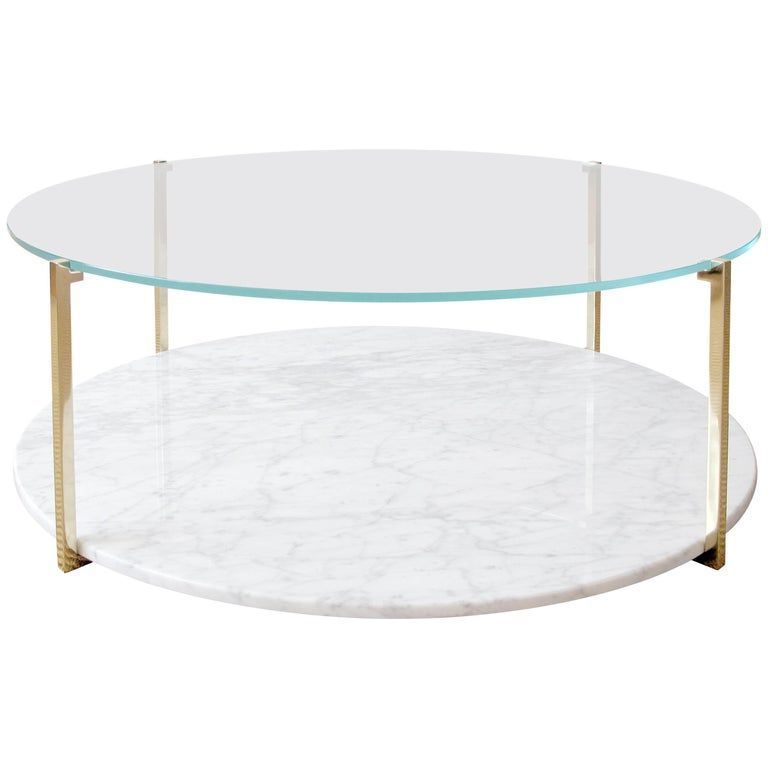
Chrome doesn’t live in isolation. The magic happens when you pair it with other materials in thoughtful ways. Mixing textures creates depth and prevents chrome from feeling too sterile or clinical. Wood, glass, fabric, and stone all complement chrome beautifully.
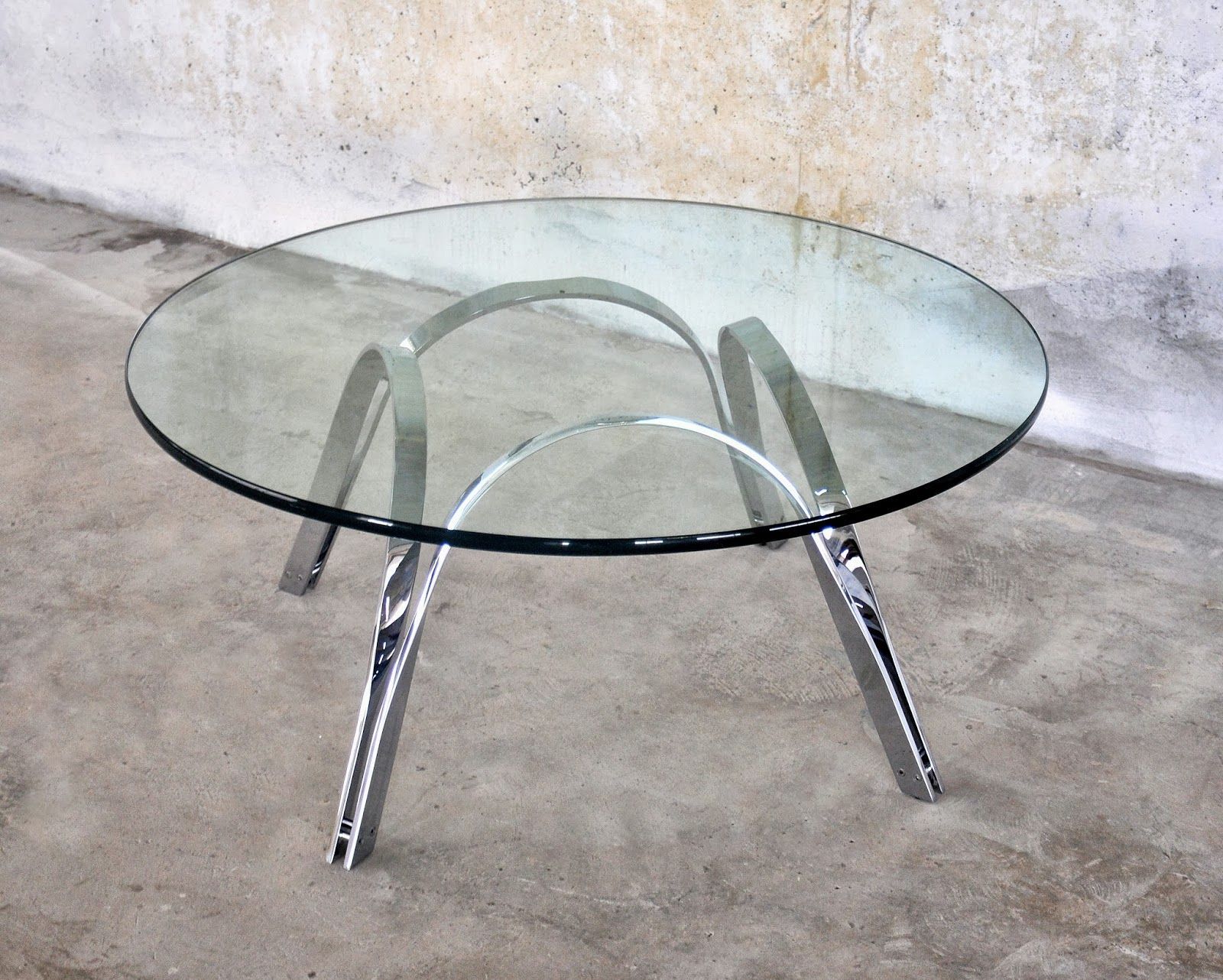
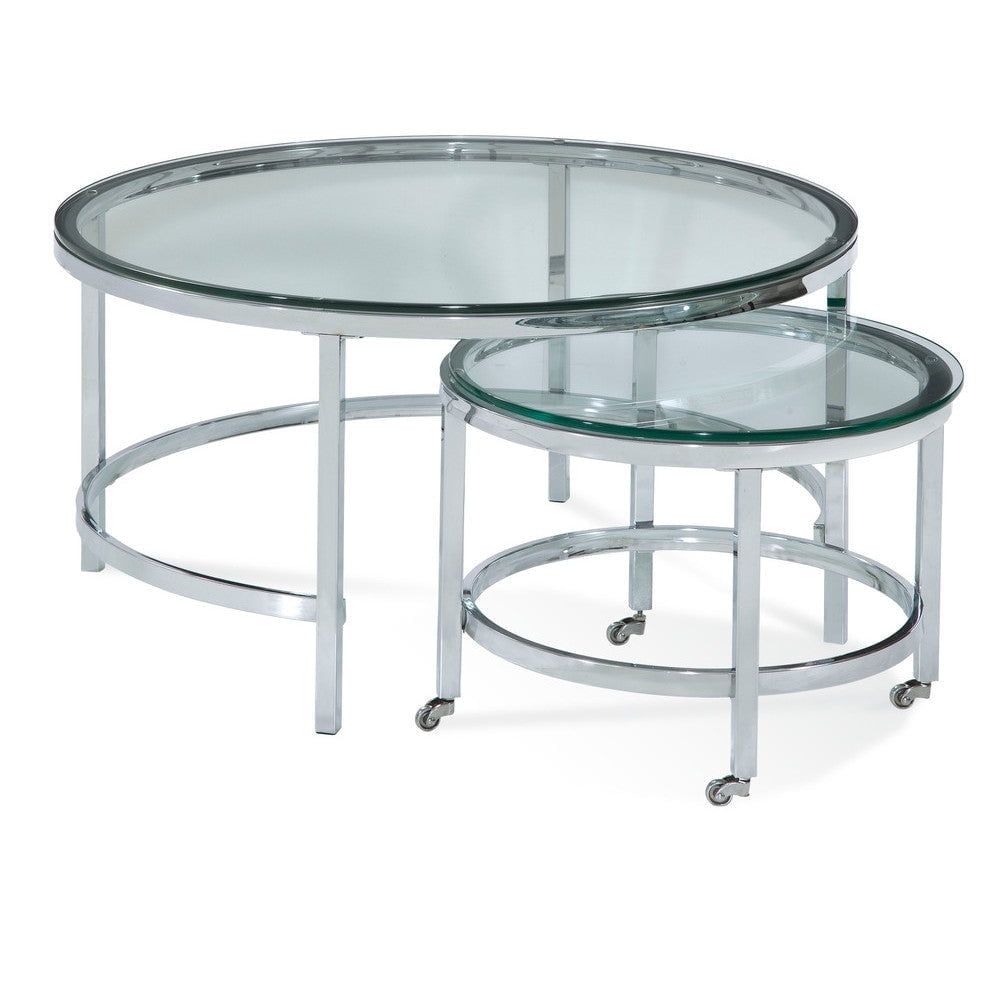
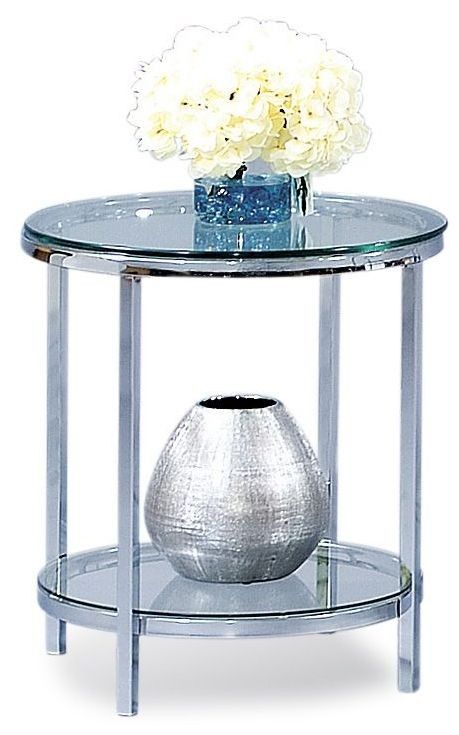
Take a chrome and wood dining table combination. The warmth of wood balances the coolness of chrome, creating a balanced look that feels inviting rather than cold. Glass top chrome side tables add another dimension – the transparency of glass lets light pass through, while the chrome base provides structure and visual interest.
Fabric elements like a chrome chair with a velvet seat or a linen sofa with chrome legs bring softness to the equation. These combinations prevent chrome from dominating the space completely and allow it to play its supporting role in a room’s overall design.
Avoid pairing chrome with too many glossy surfaces. Too much shine can make a space feel chaotic and overwhelming. Instead, aim for a few key chrome pieces that are strategically placed among softer textures and matte finishes.
Practicality and Maintenance
Let’s be honest – chrome furniture requires some care. It shows fingerprints, water marks, and scratches more than many other materials. But that’s part of its charm. The shine tells you when something has been touched, and it can add character over time.
Regular cleaning is essential. Use a soft cloth and mild soap solution to maintain the luster. Avoid abrasive cleaners that might damage the finish. Some people prefer to use specialized chrome cleaners that keep the surface looking new, while others embrace the patina that develops with age.
Consider the lifestyle of your household when choosing chrome pieces. If you have small children or pets, you might want to avoid very delicate chrome designs that are easily damaged. Opt for pieces with rounded edges and sturdy construction. For high-traffic areas, choose chrome furniture that’s built to last and can handle daily wear.
The practical aspect of chrome furniture extends beyond maintenance. Think about how it fits into your daily routine. Will it be easy to move around? Can it withstand the demands of your lifestyle? These questions are just as important as aesthetic considerations when selecting chrome furniture.
Using polished chrome furniture in modern spaces isn’t just about adding shiny objects to a room. It’s about creating intentional design moments that enhance your environment. From understanding how chrome reflects light to choosing the right materials to pair with it, every decision affects how successful your chrome pieces will be. The key is balancing its striking appearance with practical considerations and thoughtful placement. When done right, chrome furniture becomes more than just furniture – it becomes a design statement that elevates your entire space. Remember, the most beautiful chrome pieces are those that serve their purpose while enhancing the overall aesthetic of your home. The reflection isn’t just physical – it’s about how chrome makes your space feel more alive and contemporary.