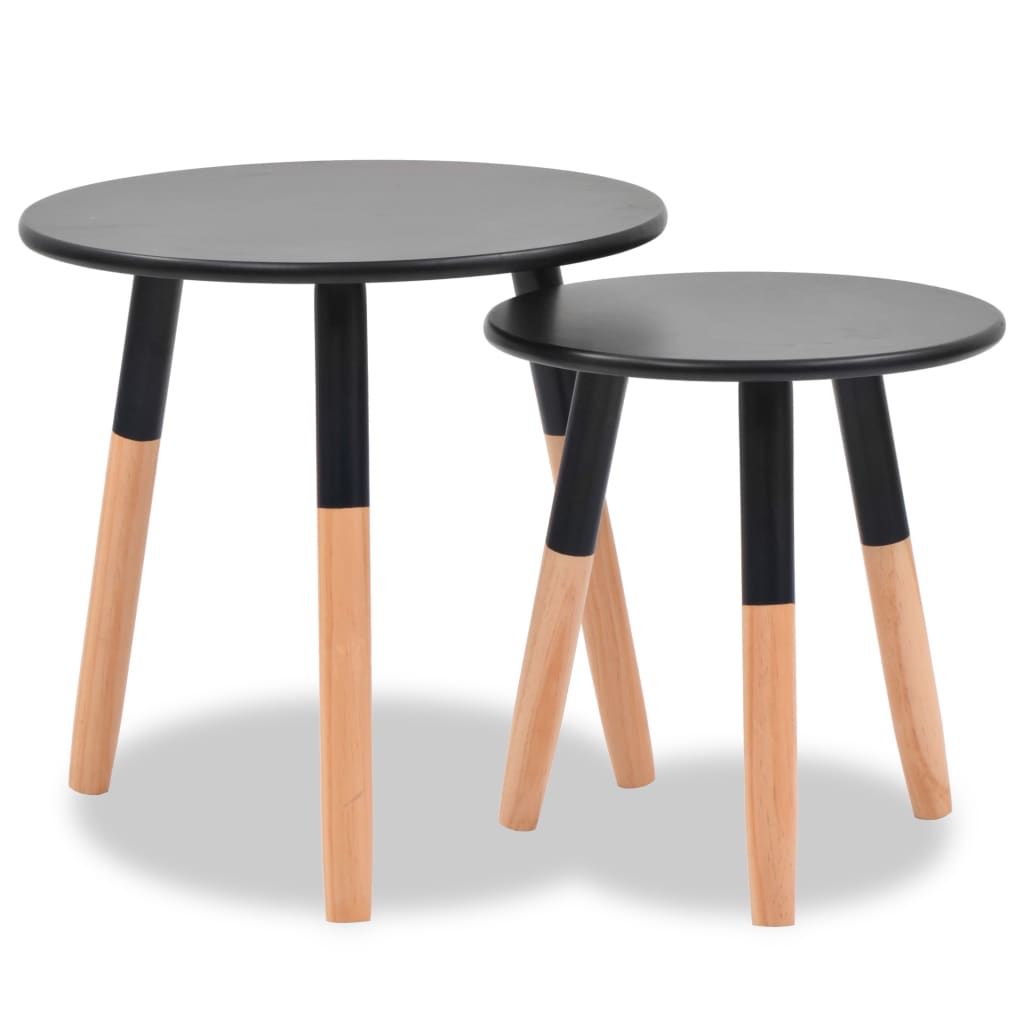
Picture this: You enter a room and immediately feel at ease. The furniture isn’t just functional – it tells a story. Side tables have evolved far beyond their simple origins. Today’s designs blend form and function in ways that surprise and delight. What started as humble storage solutions have become powerful design statements that shape entire room aesthetics.
Side tables might seem like small players in the grand theater of home design, but they wield enormous influence over how spaces feel and function. These versatile pieces sit quietly in corners, beside chairs, and along pathways throughout our homes. Yet they carry the weight of both practicality and visual impact. As interior design continues to evolve, so too do the expectations for these often-overlooked furnishings. Today’s side table sets reflect broader cultural shifts, material innovations, and changing lifestyles. They’re no longer just about placing a cup of coffee on – they’re about creating moments of beauty, comfort, and connection within our living spaces.
The Rise of Minimalist Elegance
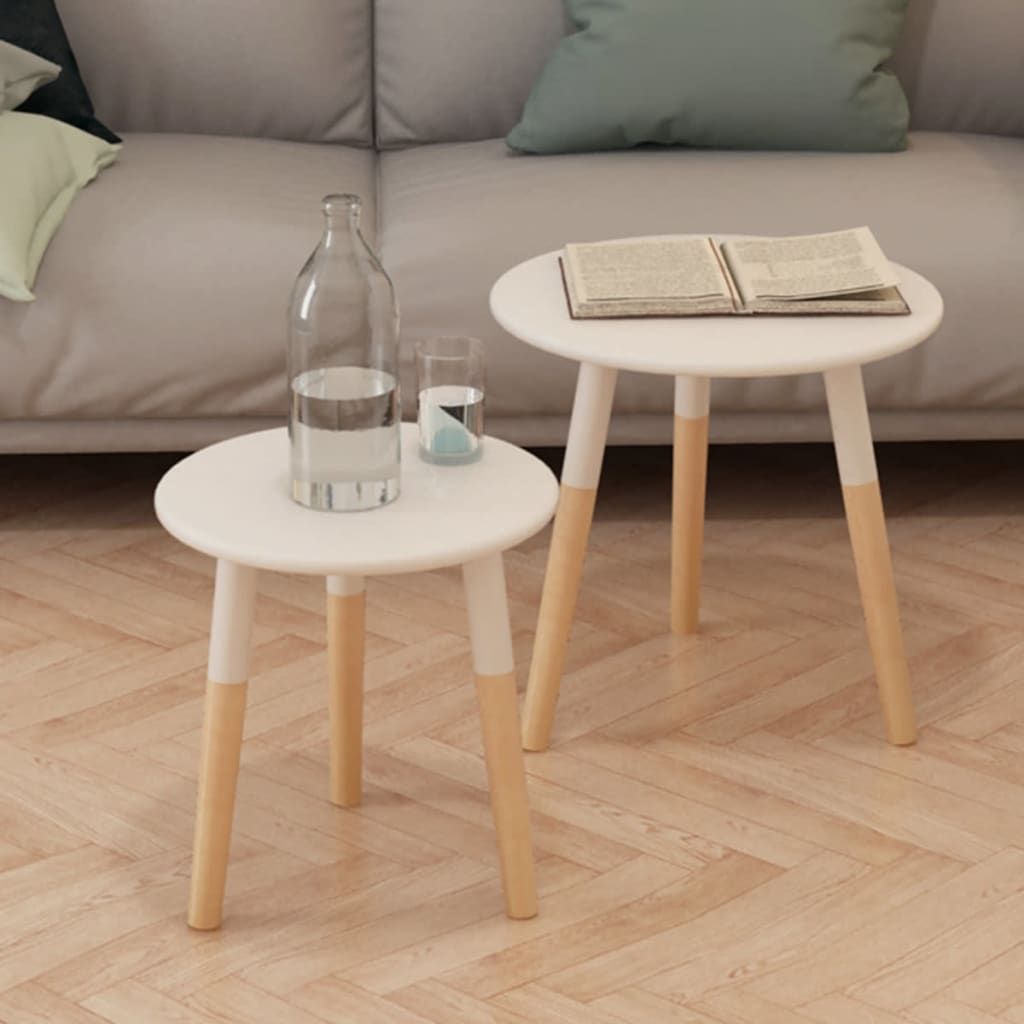
Minimalism has taken hold in home design, and side tables are no exception. Clean lines, uncluttered surfaces, and understated sophistication define this trend. Think of sleek rectangular tables with thin profiles that seem to float above the floor. The emphasis is on quality over quantity. These tables often feature simple geometric shapes with subtle textures that catch light beautifully. Materials like brushed steel, matte black finishes, and natural wood tones dominate this aesthetic. The philosophy behind minimalist side tables is that less truly is more. They provide just enough surface area for essentials while maintaining visual clarity throughout the room. Many designers now favor tables with hidden storage compartments, allowing for neat organization without sacrificing clean looks. This approach works particularly well in smaller spaces where every inch matters. The key is choosing pieces that enhance rather than compete with existing decor elements.
Natural Materials and Organic Forms
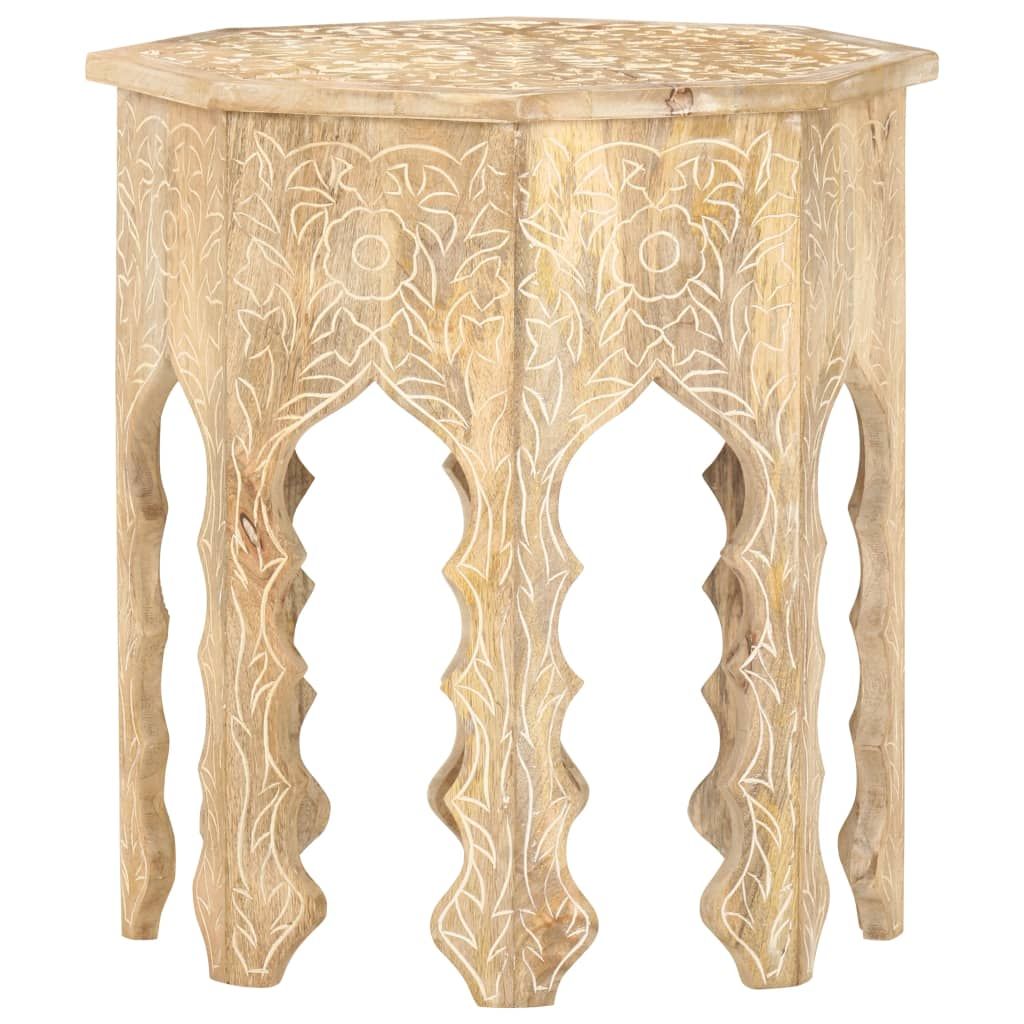
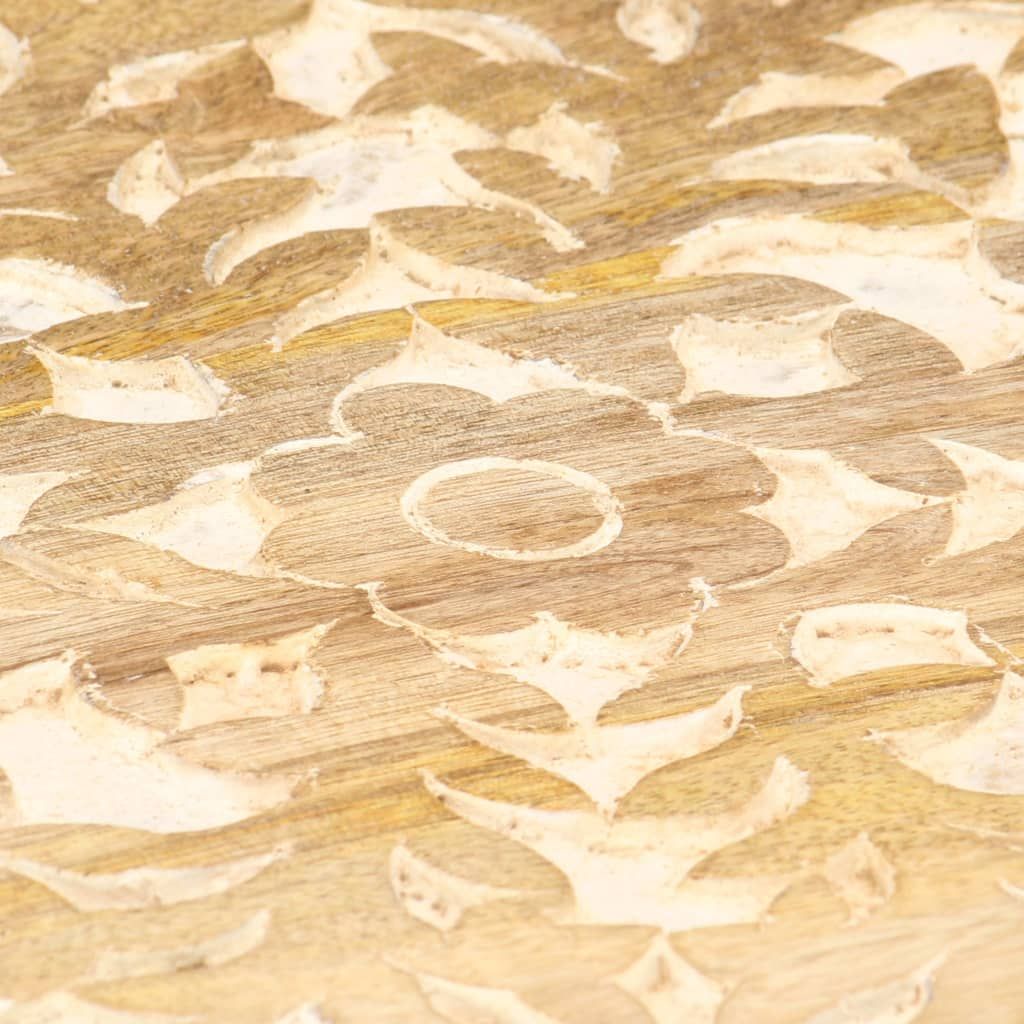
There’s something deeply comforting about materials that connect us to nature. Natural wood grain patterns, stone textures, and organic curves are increasingly popular in side table design. These pieces often showcase raw or minimally processed materials that celebrate imperfections and authenticity. Bamboo tables offer a sustainable alternative with their unique grain patterns and earthy tones. Stone tops, whether marble or granite, bring luxurious texture and warmth to any space. Curved edges and flowing forms mimic natural landscapes, offering visual relief from harsh geometric lines. This trend reflects our growing desire for harmony between indoor and outdoor environments. The beauty lies in the honest presentation of materials – no gloss or artificial enhancement. These tables often become conversation starters because of their distinctive character and tactile qualities. They invite touch and appreciation for craftsmanship and natural beauty.
Multi-Functional Design Solutions
Modern life demands versatility, and side tables are answering with clever multifunctional features. These aren’t just surface areas anymore – they’re integrated solutions for contemporary living. Consider tables with built-in charging stations, USB ports, and wireless charging pads. Some feature hidden compartments for remote controls, books, or other daily essentials. Others incorporate LED lighting strips that illuminate reading areas or create ambient atmosphere. Storage solutions range from simple drawers to more complex shelving units that maximize vertical space. The trend toward multi-functional furniture addresses the reality that many people live in smaller spaces or work from home. These tables serve as extensions of the kitchen, office, and living areas all at once. Designers are getting creative with smart features while maintaining aesthetic appeal. The challenge is balancing innovation with timeless design principles.
Bold Color and Statement Pieces
While minimalism dominates, there’s also a strong counter-movement toward bold expression. Vibrant colors, striking patterns, and unexpected design elements are making waves in side table design. Jewel tones like emerald green, sapphire blue, and rich burgundy add drama to neutral spaces. Metallic accents in gold, brass, or copper create sophisticated contrast against muted backgrounds. Some tables feature bold geometric patterns or artistic prints that make a clear visual statement. These pieces often serve as focal points in rooms where they’re placed. The key is knowing when to use them strategically rather than overwhelming the entire space. Statement tables work best when they complement existing design elements rather than clash with them. They can anchor a room or provide a vibrant accent that brings energy to otherwise subdued areas.
Sustainable and Eco-Conscious Choices
Environmental awareness has moved from a niche concern to mainstream priority in home design. This shift is clearly visible in side table manufacturing and material selection. Recycled materials like reclaimed wood, recycled metal, and eco-friendly composites are becoming standard options. Brands are increasingly transparent about their production processes and environmental impact. Sustainable side tables often feature locally sourced materials and ethical manufacturing practices. The trend extends beyond just materials to include longevity and repairability. These tables are designed to last decades rather than follow seasonal trends. Some companies even offer take-back programs where old furniture gets refurbished or repurposed. Consumers are learning to value quality craftsmanship over fast fashion in home furnishings. This approach makes sense both environmentally and economically, as durable pieces save money over time while reducing waste.
Technology Integration and Smart Features
The digital age has brought smart technology into every aspect of our lives, including our furniture. Side tables now seamlessly integrate with our tech ecosystems. Built-in wireless charging capabilities eliminate cable clutter and keep devices powered. Some tables feature integrated speakers that blend sound quality with elegant design. Smart lighting systems allow users to adjust ambiance with smartphone apps or voice commands. Connectivity options include built-in power outlets and HDMI connections for entertainment setups. These features don’t compromise aesthetics – instead, they enhance the overall user experience. The challenge for designers is incorporating technology invisibly so it doesn’t distract from the table’s primary purpose. Successful smart side tables feel like natural extensions of modern lifestyle rather than technological intrusions.
The evolution of side table design reflects our changing relationship with space, technology, and sustainability. Whether you prefer the clean simplicity of minimalist approaches or the bold statements of colorful designs, there’s a perfect side table waiting to enhance your home. These pieces are more than functional elements – they’re opportunities to express personality, support daily routines, and create memorable moments. As we move forward, the most successful side tables will balance innovation with timeless appeal. They’ll meet our practical needs while adding beauty and meaning to our living spaces. The future of side table design looks bright, with endless possibilities for creativity and functionality. The key is choosing pieces that align with your lifestyle and aesthetic preferences. After all, the best side tables are those that make daily interactions feel more intentional and beautiful.