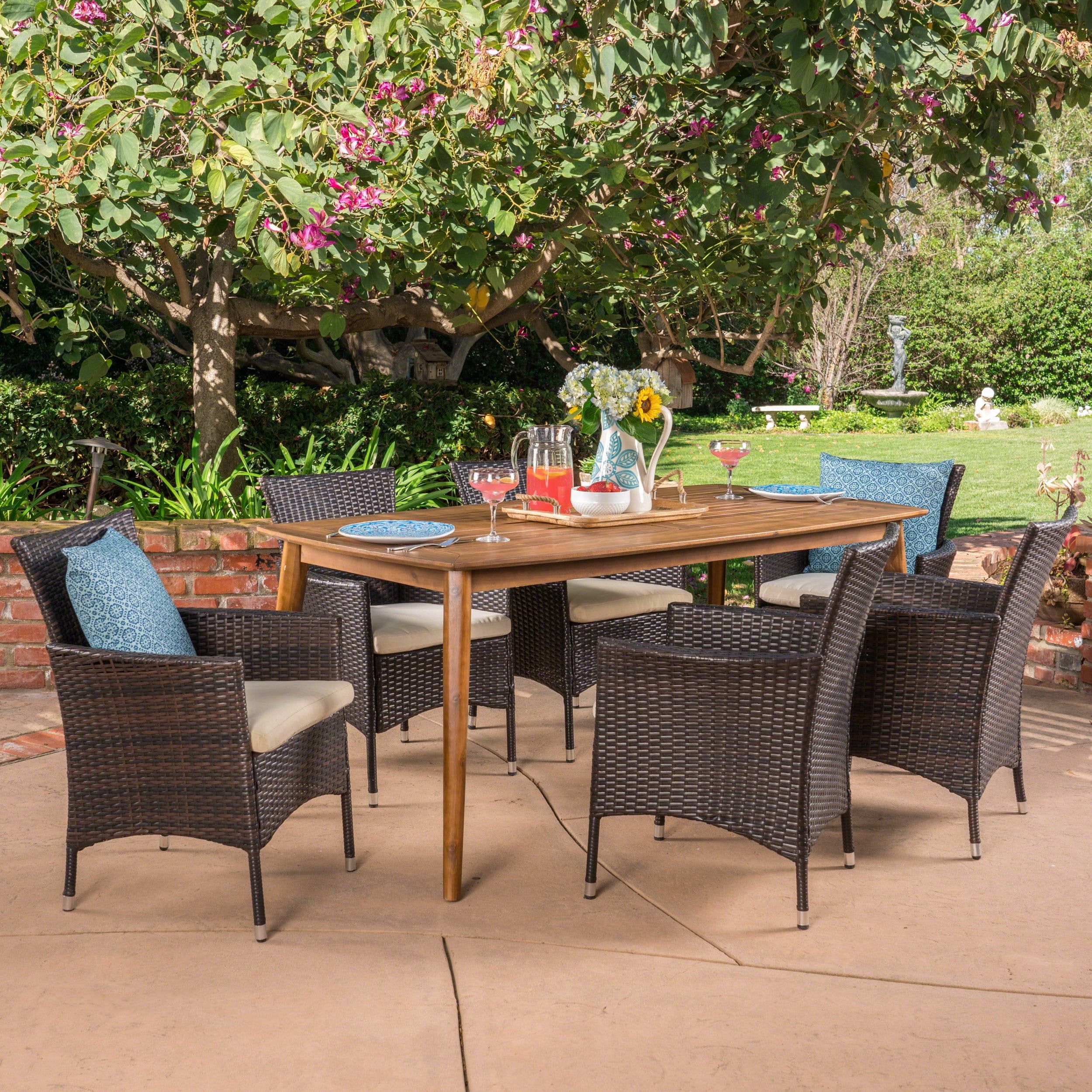
Picture this: you’ve finally got that dream patio set, but there’s barely room to breathe. Or maybe you’re trying to fit everyone for dinner but there’s no room for the extra chairs. This isn’t just about having too much furniture – it’s about finding creative ways to make every inch count.
Outdoor dining has become more than just a mealtime ritual – it’s a lifestyle choice for many. But when you’re working with limited patio space, the challenge isn’t just about getting a big table to fit. It’s about creating a functional, beautiful outdoor dining experience without feeling cramped or cluttered. Long dining sets offer the perfect solution for those who want to entertain guests while keeping their outdoor space manageable. These extended tables allow for more seating and better flow, but they also require some clever thinking to work well in smaller areas. The secret lies in understanding how to maximize every square foot while still maintaining the comfort and elegance you crave.
Understanding the Benefits of Long Dining Sets
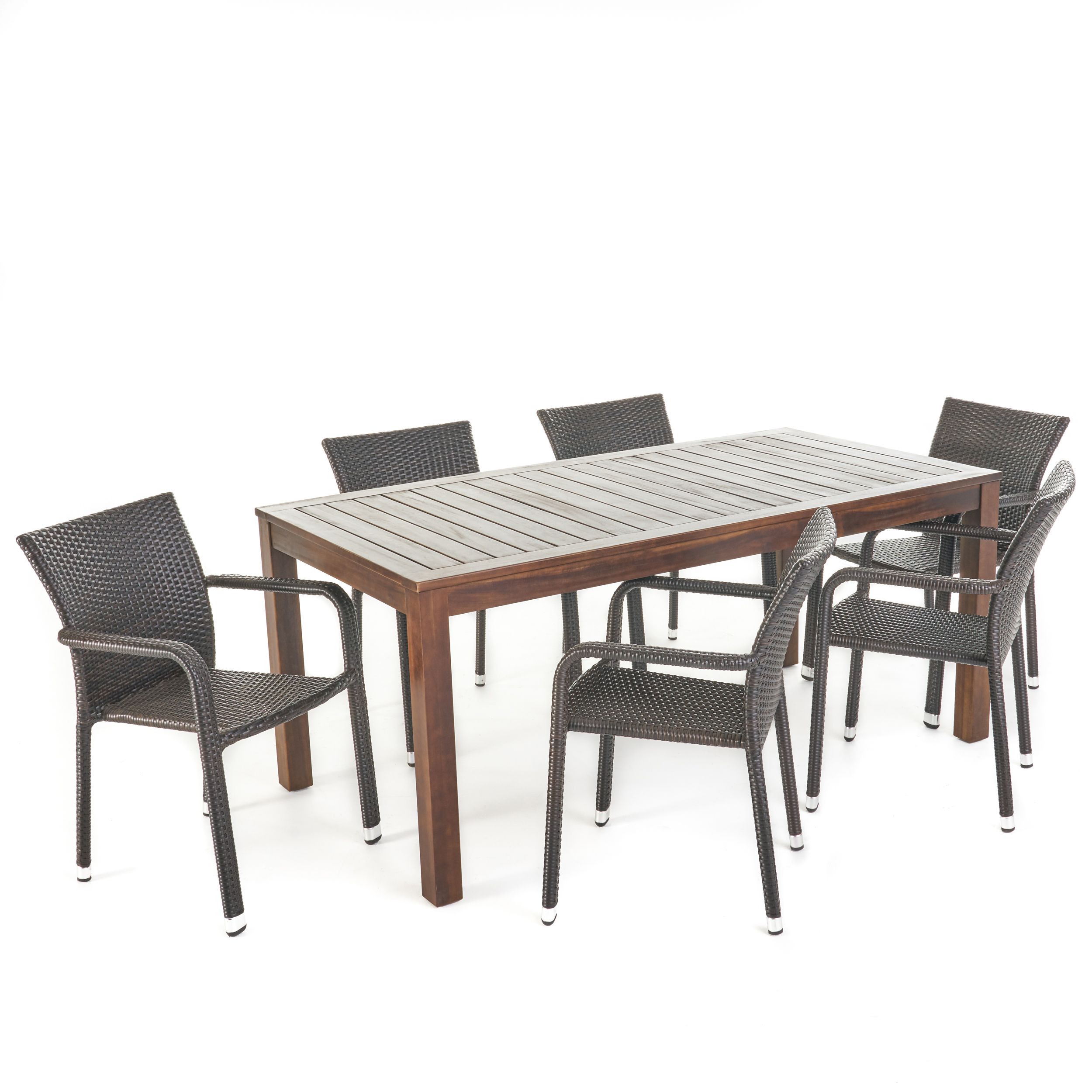
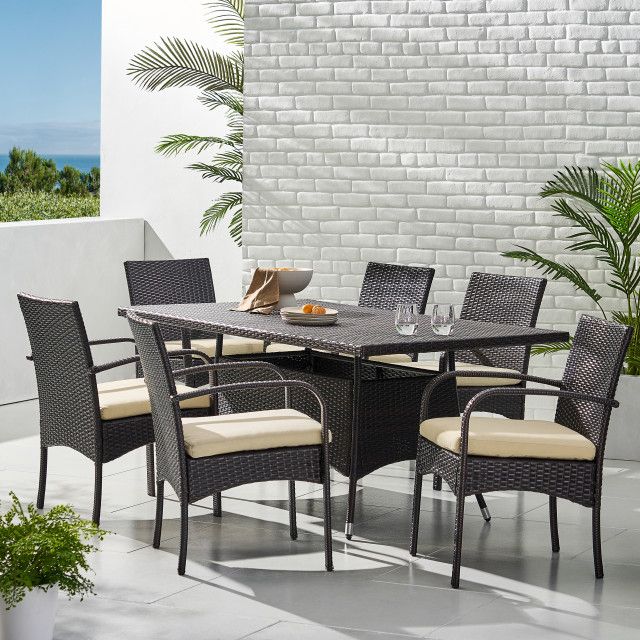
Long dining sets bring more than just extra seats to your patio. They offer several advantages that make them ideal for outdoor entertaining.
• More guest capacity: A 6-foot table can easily seat 6-8 people, compared to a standard 4-foot table that might only accommodate 4-6 guests
• Better conversation flow: Longer tables encourage guests to sit closer together, promoting better conversation and connection
• Flexibility in seating arrangements: You can easily adjust how many people are seated based on your needs
• Cost efficiency: Buying one large table often costs less than purchasing multiple smaller tables
These benefits make long dining sets particularly appealing for families who entertain regularly or for those who enjoy hosting gatherings. The key is learning how to position them properly to avoid making your space feel cramped.
Measuring Your Patio Space
Before buying any long dining set, you need to know exactly how much space you have to work with. This measurement process isn’t just about the table itself – it’s about the entire dining zone.
Critical measurements to take:
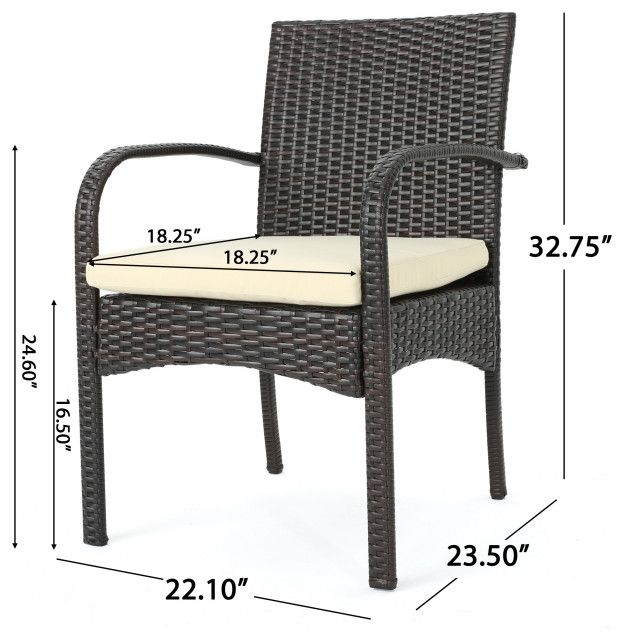
• Table dimensions: Measure length, width, and height of your intended table
• Clearance space: Allow at least 36 inches of clearance around all sides of the table
• Entryway space: Consider how people will move to and from the table
• Storage area: Plan where you’ll store chairs when not in use
Many people make the mistake of only measuring the table itself. But a proper patio setup requires thinking about traffic flow, storage, and how people will actually use the space. A 7-foot table might seem like a good fit, but if you only have 8 feet of usable space, you’ll end up with a cramped, uncomfortable dining experience. Always measure twice, plan thrice, and remember that you’ll want to walk around the table comfortably.
Smart Placement Strategies
The location of your long dining set can make or break your outdoor dining experience. Here are some placement techniques that work wonders in small spaces:
Corner solutions: Position your table against a corner to save space. This allows you to utilize wall space for storage or even a small sideboard.
Against walls: When possible, place your table against a wall. This creates a defined dining area and frees up floor space for other activities.
Multi-functional zones: Designate your patio as having different areas – dining, lounging, and food prep. This way, your long table becomes part of a larger outdoor living concept rather than the sole focus.
Strategic chair placement: Don’t just stack chairs against the table. Consider placing them strategically to create pathways and keep the space feeling open. Sometimes, leaving chairs in the middle of the dining area works better than lining them up along the wall.
Choosing the Right Chair Style
Not all chairs are created equal when it comes to maximizing patio space. The right chair choices can make a huge difference in how efficiently your space works.
Compact designs: Look for chairs that fold up easily or have slim profiles. Some modern designs feature telescoping legs that reduce the footprint when folded.
Stackable options: Stackable chairs are perfect for small spaces because they can be stored away when not in use. Many modern patio sets come with stackable chairs that can be neatly tucked under the table.
Lightweight materials: Chairs made from aluminum or lightweight plastics are easier to move around and store. They also don’t take up as much visual space when folded.
Versatile seating: Consider ottomans or benches that can double as extra seating or storage. These pieces can transform your patio from a simple dining area into a multi-purpose space.
Creative Storage Solutions
Storage is often the biggest challenge when dealing with long dining sets in small spaces. Here are some clever approaches to keep everything organized and out of sight:
Under-table storage: Many long dining sets come with storage compartments underneath. Use these for cushions, tablecloths, or even small items you might need during meals.
Wall-mounted solutions: Install hooks or shelves on walls near your dining area. This keeps frequently used items within reach but out of the way.
Portable storage units: Consider small carts or bins that can be moved around as needed. These are especially useful for storing serving dishes, napkins, or seasonal decorations.
Fold-up storage: Look for storage solutions that can be folded away completely. Some companies now make storage boxes specifically designed to fit under long dining tables.
Maintaining Flow and Functionality
Even with the best planning, your outdoor space needs to remain functional and comfortable. Here’s how to keep things flowing smoothly:
Traffic patterns: Always consider how people will move around your dining area. There should be at least 36 inches of clear path around the table for easy movement.
Seasonal adjustments: Your patio setup might change with seasons. In summer, you might prefer more open space for lounging. In winter, you might want to create a cozier dining area.
Flexible layouts: Design your space so that it can be easily reconfigured. This means avoiding permanent installations unless absolutely necessary.
Lighting considerations: Good lighting makes the difference between a functional space and a frustrating one. Make sure your lighting doesn’t create shadows or glare that interfere with dining.
Remember, the goal isn’t just to fit a long table in your space – it’s to create an environment where people want to spend time. That means thinking about comfort, ease of movement, and how the space feels when you’re actually using it.
Real-World Examples and Success Stories
Let’s look at some actual situations where people have successfully maximized their patio space with long dining sets:
Case Study 1: The Urban Apartment Patio
Maria lives in a small apartment with a tiny balcony. She had a 6-foot rectangular table that she positioned against a corner. By using stackable chairs and installing a small wall shelf for her dining accessories, she created a space that could seat 6 people comfortably. Her secret? Using a folding side table for serving and storing utensils.
Case Study 2: The Suburban Backyard
The Johnsons have a medium-sized backyard with a covered patio. They chose a 7-foot table and positioned it in the center of their patio, surrounded by a small seating area. They used storage boxes under the table and kept folding chairs in a nearby shed. Their space now accommodates 8 people and still leaves room for a grill and fire pit.
Case Study 3: The Rental Property
Sarah rents her house and wanted to create a dining area that wouldn’t look out of place with her neighbors’ properties. She opted for a 5-foot table and paired it with lightweight, foldable chairs. She stored the chairs in a small cabinet when not in use and used a small side table for serving. The result was a clean, elegant look that didn’t overwhelm her small backyard.
Common Mistakes to Avoid
Even with the best intentions, people often make errors when trying to maximize patio space with long dining sets. Here are the most frequent pitfalls to watch out for:
• Overlooking clearance requirements: Not leaving enough space around the table means guests will bump into each other or furniture
• Ignoring traffic flow: Planning a layout that blocks pathways or makes it hard to get to and from the table
• Choosing inappropriate chair styles: Heavy, bulky chairs that don’t fit well in small spaces
• Not considering storage: Forgetting that chairs and accessories need somewhere to go when not in use
• Overcomplicating the design: Trying to make everything perfect instead of focusing on functionality
The key is remembering that outdoor dining should enhance your life, not complicate it. If you find yourself constantly rearranging furniture or feeling cramped, it’s time to reassess your approach.
Budget-Friendly Tips for Success
You don’t need to spend a fortune to create a successful long dining setup. Here are some ways to maximize your budget:
• Buy quality basics: Invest in a good table and basic chairs, then add decorative elements later
• Shop secondhand: Many outdoor furniture stores and online marketplaces have excellent deals on quality pieces
• DIY storage solutions: Create your own storage using inexpensive materials like wooden crates or repurposed containers
• Mix and match: Combine different styles and materials to create visual interest without spending more money
• Take advantage of sales: Many retailers offer significant discounts on patio furniture during certain times of year
Remember, the most expensive item isn’t always the best investment. Sometimes a well-chosen mid-range table with thoughtful accessories will serve you better than a high-end piece that doesn’t fit your space properly.
Final Thoughts on Patio Dining Success
Maximizing space with long dining sets for patios isn’t just about fitting furniture into tight spots. It’s about creating an environment where you and your guests can truly enjoy outdoor dining experiences. The key lies in thoughtful planning, smart choices, and a willingness to adapt your space over time.
Whether you’re working with a tiny balcony or a spacious backyard, the principles remain the same. Measure carefully, plan strategically, and most importantly, make sure your space reflects your lifestyle and preferences. A well-designed long dining set can transform your outdoor space from merely functional to genuinely enjoyable.
The beauty of this approach is that it’s scalable. As your needs change or your space evolves, you can adjust your setup accordingly. Whether it’s adding more seating for holiday gatherings or simply creating more comfortable space for daily meals, the right long dining set can adapt to meet your changing needs.
Creating a successful long dining set setup for your patio is ultimately about balance – balancing function with form, space with comfort, and practicality with style. It’s easy to get caught up in the idea of having the biggest table possible, but the real magic happens when you think about how that table will actually be used.
Remember, your outdoor dining space should feel welcoming and comfortable, not cramped or confusing. The right long dining set, combined with smart planning and creative solutions, can turn even the smallest patio into a place where memories are made. Whether you’re hosting intimate dinners or large gatherings, the key is designing a space that works for your lifestyle and enhances your enjoyment of outdoor dining.
Don’t let space limitations discourage you from creating the perfect outdoor dining experience. With careful consideration and a few smart choices, your patio can become the heart of your outdoor living space – a place where friends gather, families eat together, and the simple pleasure of dining al fresco can be fully appreciated.