What happens when the clean lines of contemporary design meet the organic textures of natural materials? The result is something truly special – interiors that feel both sophisticated and deeply human. Today, we’re diving into how designers and homeowners alike are using natural elements to create spaces that are not just beautiful, but also grounding and nourishing.
There’s something profoundly satisfying about walking into a room where natural materials have been thoughtfully incorporated. Maybe it’s the way sunlight filters through a wooden ceiling, or how a stone accent wall catches the light just right. These aren’t just aesthetic choices – they’re decisions that connect us to our environment and to each other. In today’s fast-paced world, where everything seems digital and artificial, bringing natural elements indoors feels almost revolutionary. The trend isn’t just about looking good; it’s about feeling good too. And when you combine that intention with contemporary design principles, you get spaces that are both cutting-edge and deeply rooted in what makes us feel at home.
Why Natural Materials Matter in Modern Spaces
Natural materials bring more than just visual appeal to contemporary interiors. They offer a sense of authenticity that’s hard to replicate with synthetic alternatives. Think about how a rough-hewn timber beam creates texture that no manufactured material can quite match. These materials also have inherent properties that affect how we experience space. For instance, wood naturally regulates humidity and temperature, making rooms feel more comfortable year-round. Stone provides stability and permanence, while plants add life and movement. When these elements work together, they create environments that feel alive and responsive. The psychological benefits are real too – studies show that exposure to natural materials can reduce stress levels and improve overall well-being. This isn’t just about pretty things; it’s about creating spaces that care for us as much as they please our eyes.
Wood: The Timeless Foundation
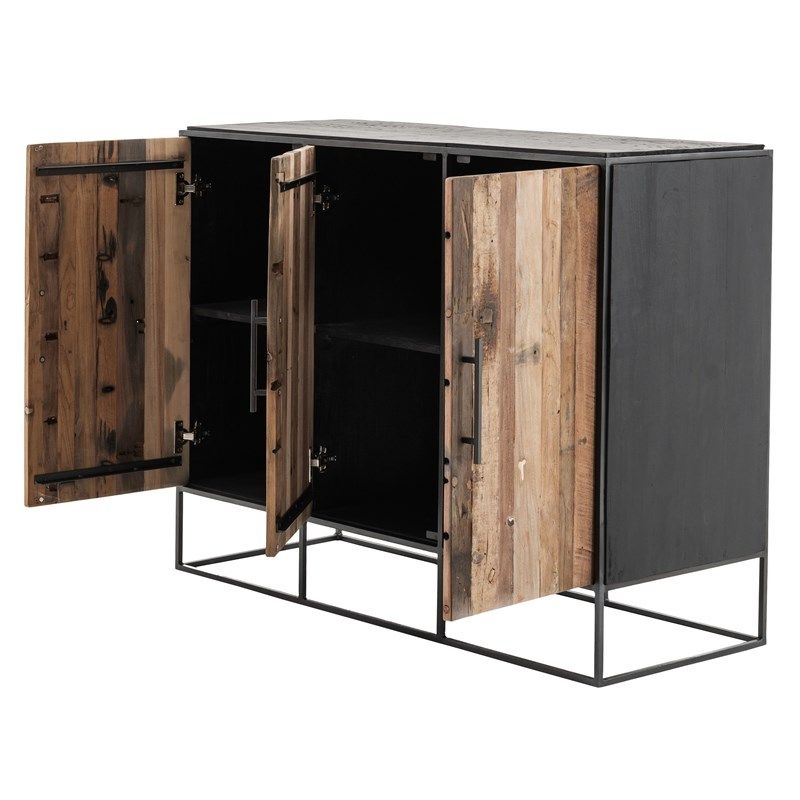
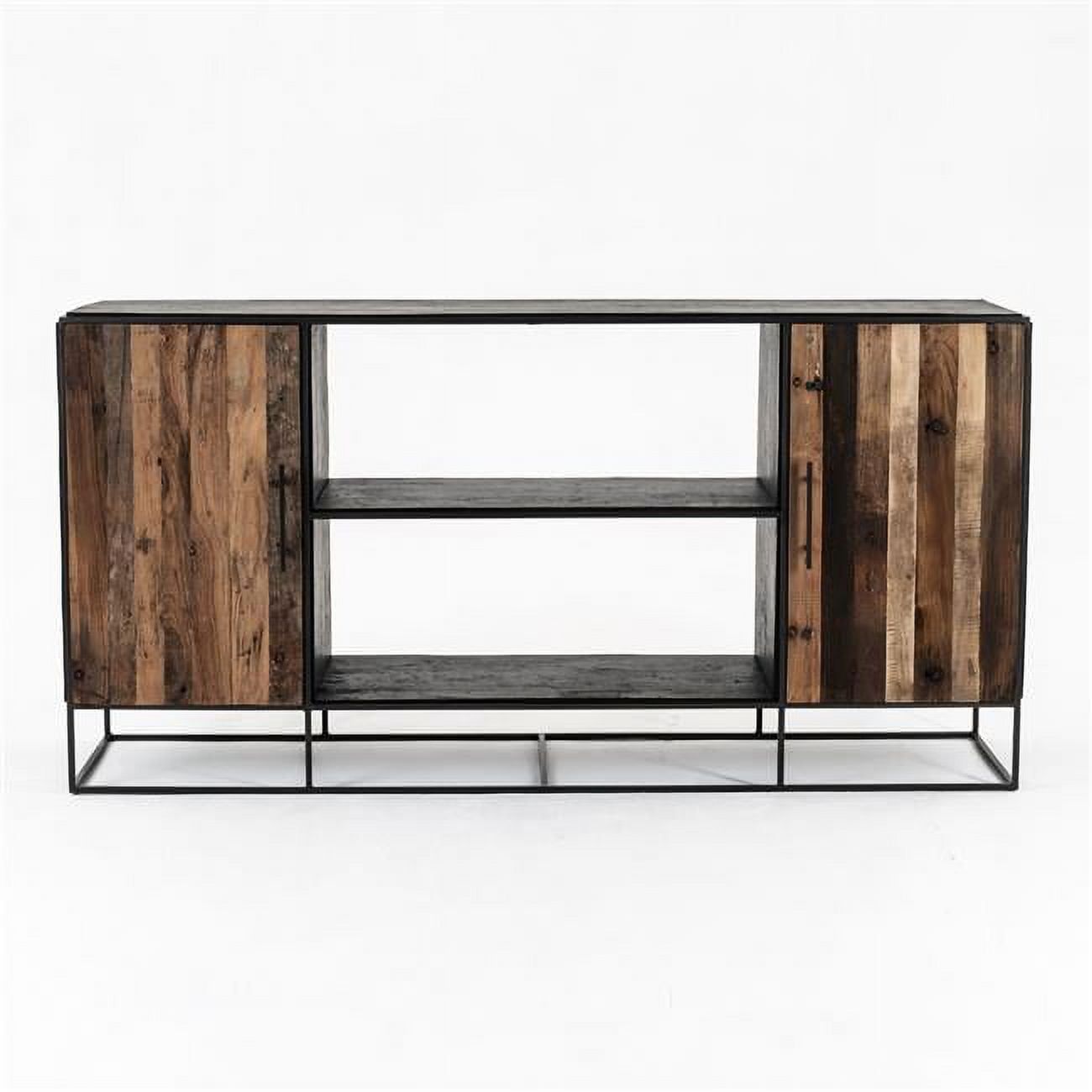
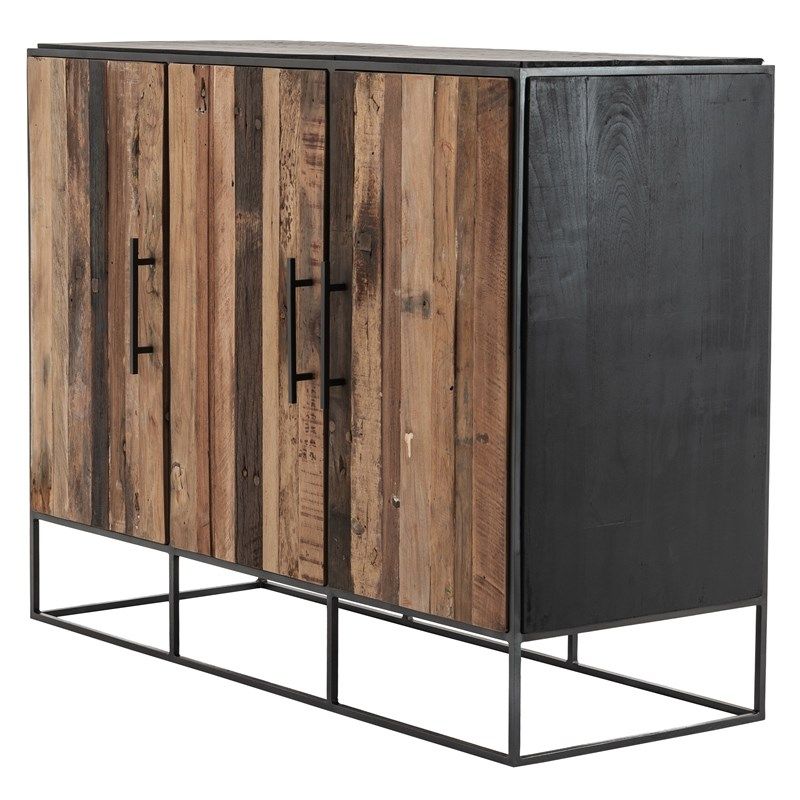
Wood remains the cornerstone of natural material design in contemporary interiors. It’s versatile enough to serve as structural elements, flooring, cabinetry, and decorative accents. The beauty of wood lies in its grain patterns and natural variations – no two pieces are exactly alike, giving each space a unique character. There are many types of wood to choose from, each with distinct qualities. Oak brings strength and warmth, while bamboo offers a modern, sleek appearance. Walnut adds richness and depth, and cedar provides a natural fragrance. When selecting wood for contemporary spaces, consider both aesthetics and function. Lighter woods like maple or birch can make small rooms feel larger and airier. Darker woods such as walnut or teak create dramatic focal points and add sophistication. The key is balancing the natural characteristics of wood with the clean lines and minimalism that define contemporary design. Whether you choose exposed timber beams, wooden flooring, or furniture pieces, wood serves as a bridge between the organic world and modern living.
Stone: The Bold Statement Element
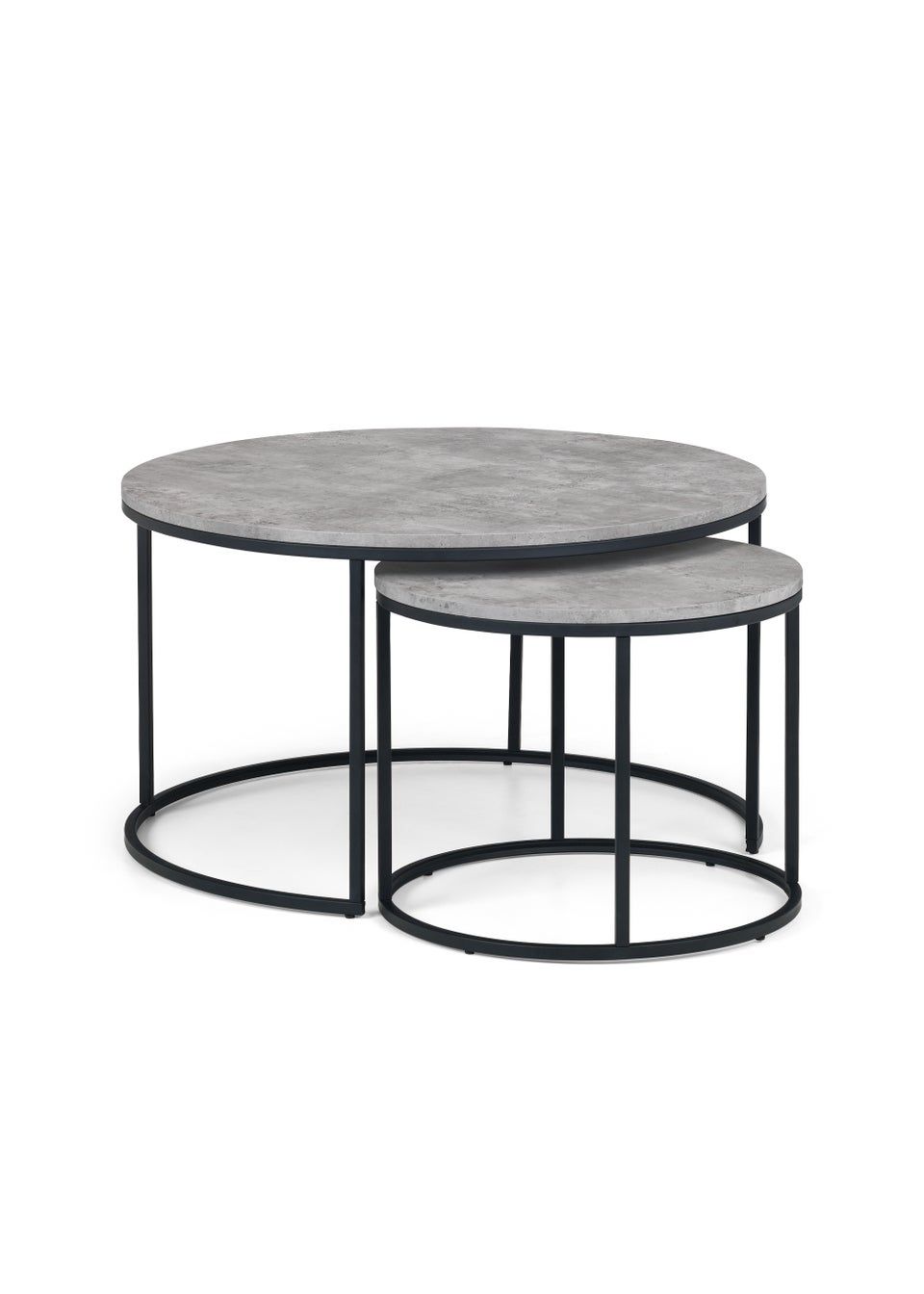
Stone brings drama and permanence to contemporary interiors. Unlike other natural materials, stone has an inherent grandeur that makes it perfect for making bold statements. You’ll often see it used in kitchen countertops, bathroom vanities, and feature walls. The variety of stones available means there’s something suitable for every style preference. Marble offers elegance and luxury, with its distinctive veining patterns. Granite provides durability and a wide range of colors and patterns. Limestone brings a softer, more organic feel, while slate adds ruggedness and texture. What’s particularly appealing about stone is how it ages gracefully – unlike many synthetic materials that fade or wear quickly, stone develops character over time. It becomes more beautiful with use rather than less so. When incorporating stone into contemporary designs, consider how it interacts with other materials. A sleek, modern sofa paired with a stone coffee table creates a wonderful contrast that highlights both materials’ strengths. The key is ensuring that stone elements complement rather than compete with the overall design scheme.
Textiles and Natural Fibers: Softening Hard Edges
While wood and stone provide structure and statement, textiles and natural fibers add comfort and softness to contemporary interiors. These materials breathe life into spaces that might otherwise feel too rigid or clinical. Natural fiber textiles include cotton, linen, wool, and jute – all of which offer different textures and benefits. Linen, for example, has a relaxed, effortless quality that works beautifully in modern settings. Cotton provides softness and versatility, while wool adds warmth and natural insulation. Jute brings earthiness and texture to rugs and upholstery. The challenge with natural textiles is maintaining their beauty over time. Proper care is essential – some require gentle washing, while others need careful handling. But the investment pays off in terms of comfort and authenticity. Consider layering different natural fibers to create depth and interest. A linen sofa with a wool throw and a jute rug creates a rich tapestry of textures that feels both luxurious and lived-in. The trick is choosing pieces that are both beautiful and practical for your lifestyle.
Plants: Bringing Life and Oxygen Indoors
Plants are perhaps the most dynamic element in natural material design. They’re living components that change and grow, bringing constant movement and energy to any space. Beyond their aesthetic value, plants purify the air, reduce stress, and create a sense of calm. When designing with plants, think about their placement and maintenance requirements. Some thrive in bright, direct light, while others prefer indirect illumination. Consider the size and growth rate of plants when planning their placement. A large fiddle leaf fig can anchor a room, while smaller succulents can brighten a desk or windowsill. The key is creating a balance between plants that require regular attention and those that are more forgiving. Hanging planters, vertical gardens, and planters on wheels offer creative ways to incorporate greenery without taking up floor space. Plants also provide opportunities for personal expression – choosing varieties that reflect your personality or mood. A collection of tropical plants might suit someone who loves vibrant energy, while a few simple succulents could appeal to a minimalist aesthetic.
Practical Tips for Implementation
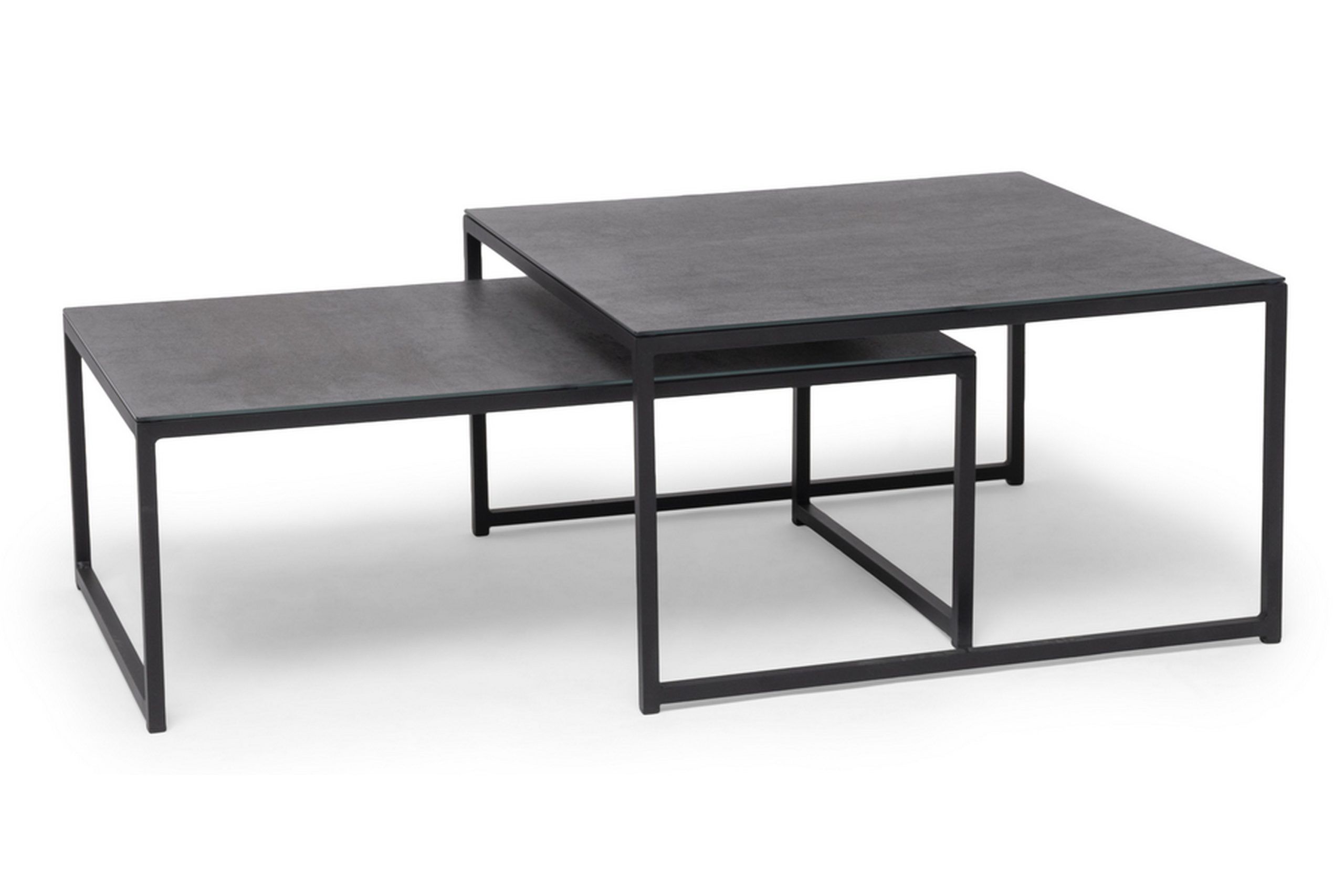
Incorporating natural materials into contemporary interiors doesn’t have to be overwhelming. Start small and build gradually. Begin with one element that speaks to you – maybe a wooden side table or a stone accent wall. Once you’ve had success with that, you can expand. Consider the budget carefully – natural materials can be expensive, but they’re also long-lasting investments. Look for reclaimed materials or secondhand finds to save money while adding character. Quality matters more than quantity when working with natural materials. A single high-quality piece will often have more impact than several cheaper alternatives. Don’t be afraid to mix materials intentionally – the contrast between wood and metal, or stone and fabric, can create interesting visual dynamics. Finally, remember that natural materials age beautifully. They won’t look exactly the same after a few years, but that evolution is part of their charm. The goal isn’t perfection – it’s creating spaces that feel genuine and welcoming.
Designing with natural materials in contemporary interiors is more than a trend – it’s a return to fundamentals that recognize our deep connection to the earth. These elements don’t just fill spaces; they energize them with warmth, character, and authenticity. From the gentle grain of wood to the cool presence of stone, from the soft embrace of natural fibers to the vibrant life of plants, each material brings something irreplaceable to the modern home. The secret isn’t in following rigid rules but in listening to what feels right for your space and your lifestyle. Natural materials remind us that beautiful design doesn’t have to be cold or artificial. It can be warm, breathing, and deeply connected to the world around us. As you plan your next interior project, consider how these elements might transform your space into something that truly feels like home.