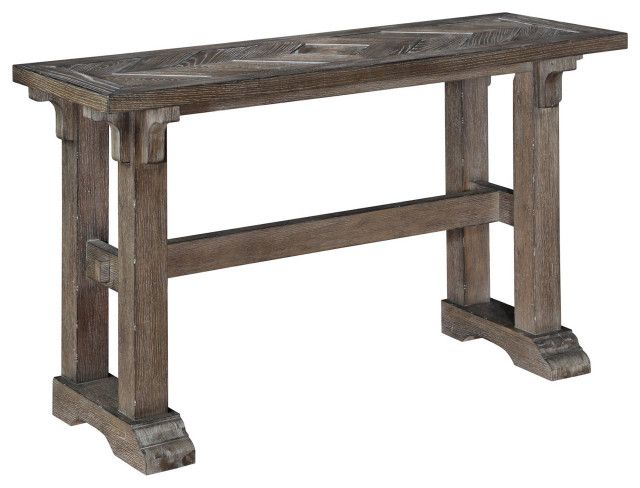
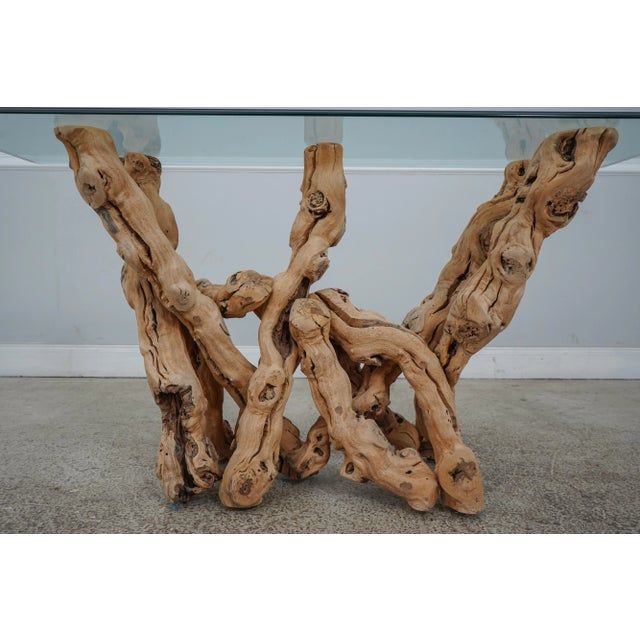
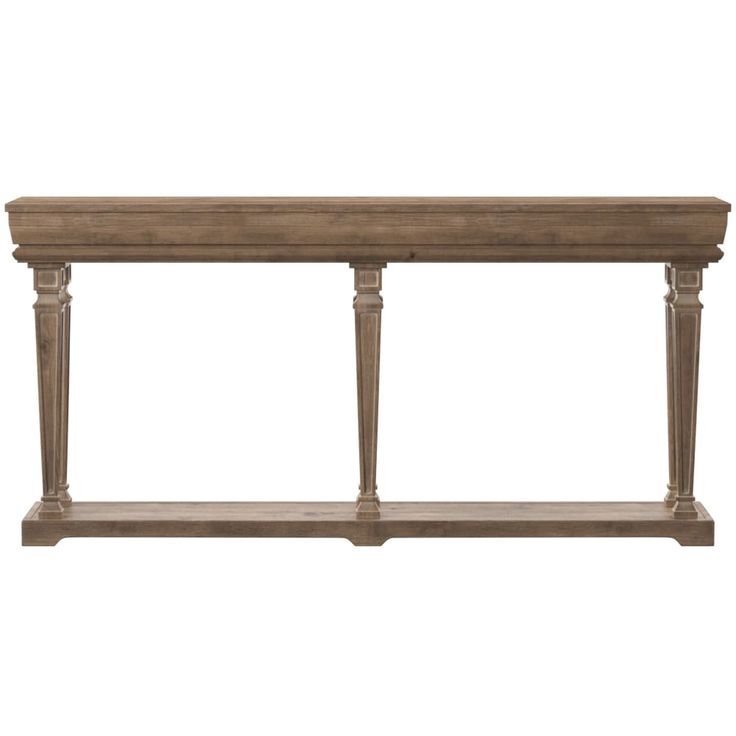
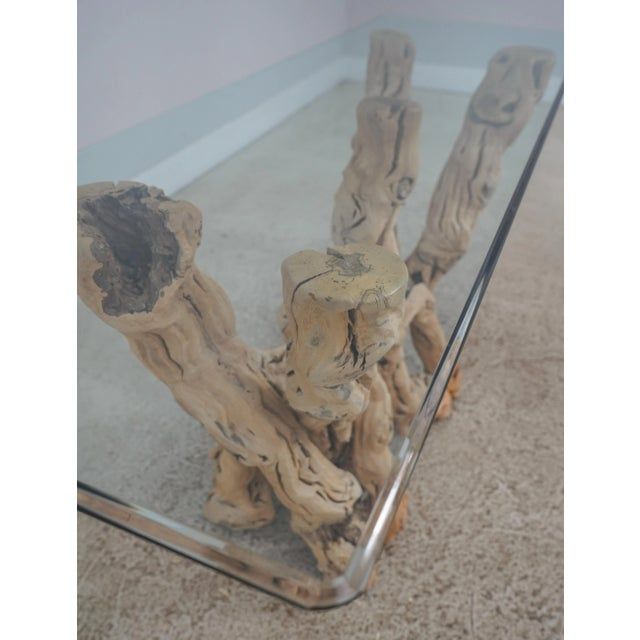
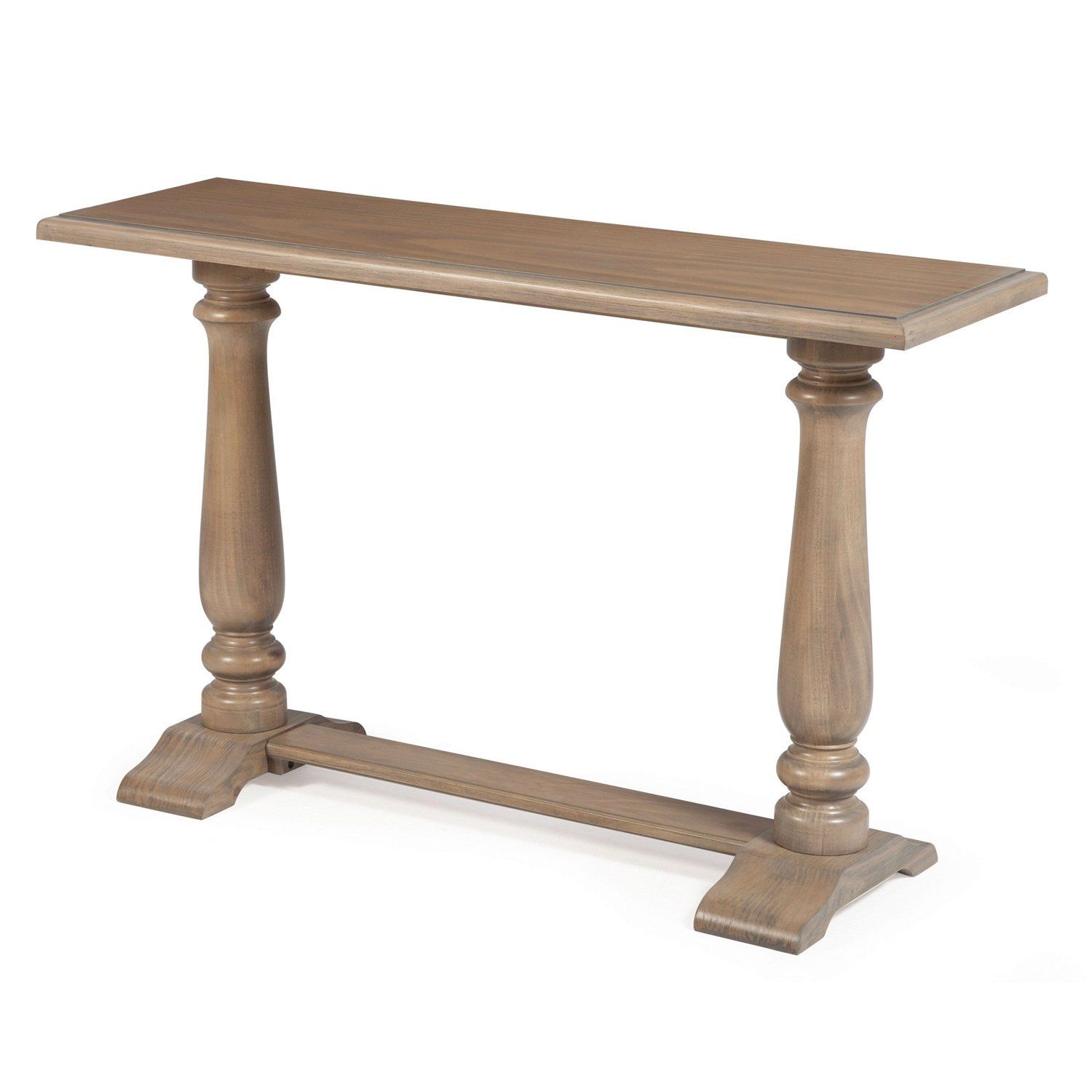
Every driftwood brown console table carries within it the tale of its journey—from the ocean’s edge to your living room. These beautiful pieces aren’t just furniture; they’re works of art created by skilled artisans who understand the delicate dance between nature and human creativity. What makes them truly special isn’t just their appearance, but the dedication and craftsmanship that goes into each individual piece.
When you first see a driftwood brown console table, you might think it’s simply a piece of furniture made from weathered wood. But there’s so much more happening beneath the surface. These tables represent centuries of woodworking traditions, combined with modern techniques and a deep respect for natural materials. The process of transforming raw driftwood into a functional and beautiful console table involves multiple steps, each requiring specific skills and attention to detail. It’s a craft that demands patience, precision, and an understanding of both wood and human needs.
The Origins of Driftwood Materials
Driftwood comes from many different sources, each contributing unique characteristics to the final product. Ocean driftwood, for instance, has been naturally weathered by salt water and waves, giving it a distinctive grayish-brown hue and smooth texture. River driftwood, on the other hand, tends to be more varied in color and often retains more of its original wood grain patterns.
Artisans often seek out driftwood that has been washed ashore for several years, as this material has had time to stabilize and lose much of its moisture content. The longer the driftwood has been exposed to natural elements, the more character it develops. This natural aging process creates beautiful variations in color and texture that cannot be replicated artificially.
Some craftsmen even travel to coastal areas specifically to source their materials, looking for pieces that have been naturally shaped by ocean currents and storms. These journeys often become part of the artisan’s story, connecting them to the very materials they work with.
Selecting and Preparing the Wood
Before any crafting begins, artisans must carefully examine each piece of driftwood they plan to use. This selection process is crucial because the quality of the final product depends heavily on the initial material.
Key factors include:
• Size and shape of the driftwood piece
• Natural strength and stability of the wood
• Color variations and overall aesthetic appeal
• Presence of any cracks or damage that might affect structural integrity
• Amount of natural weathering already present
Once selected, the wood undergoes extensive preparation. This includes cleaning off sand, salt, and debris that may have accumulated over time. Some pieces require soaking in water to remove salt content and prevent further deterioration. Others might need to be dried slowly in controlled environments to avoid cracking during the finishing process.
Many artisans prefer to work with driftwood that still contains some of its natural characteristics, such as knots or unusual shapes that add visual interest. The challenge lies in working with these irregularities rather than against them, using them as design features rather than flaws.
Design Considerations and Planning
Creating a driftwood brown console table isn’t just about using beautiful wood—it’s about understanding how to maximize the natural beauty while ensuring functionality. Each piece requires careful planning and often several iterations before the final design is settled upon.
Artisans consider multiple aspects during the design phase:
• How the natural curves and shapes of the driftwood can be highlighted
• What additional elements might complement the wood without overwhelming it
• How the table will function in various settings
• What size and proportions will work best for typical home spaces
• Whether the piece should be rustic, modern, or somewhere in between
The beauty of driftwood lies in its unpredictability. A piece might have natural curves that suggest one direction, but the artisan might decide to work with it in another way. This flexibility allows for creative interpretation while respecting the wood’s inherent qualities.
Many designers work closely with clients to understand their specific needs and preferences. The process becomes collaborative, with the artisan helping to guide choices while ensuring the final result honors both the wood and the intended use.
The Crafting Process
The actual construction of a driftwood brown console table involves several distinct stages that can take anywhere from several days to weeks depending on complexity.
First comes the structural work. The driftwood pieces are carefully shaped and joined together, often using traditional joinery methods that have been passed down through generations. These techniques ensure the table will be strong enough to support weight while maintaining its aesthetic appeal.
Next comes the sanding and smoothing process. This step is incredibly important because it reveals the true beauty of the wood. As artisans work through different grits of sandpaper, they gradually bring out the natural colors and textures that were hidden beneath layers of weathered surface.
The finishing stage is where the magic happens. Artisans apply various treatments to protect the wood while enhancing its natural characteristics. Some prefer to use natural oils or waxes that allow the wood to breathe while providing protection. Others might choose sealers that create a more durable finish suitable for high-traffic areas.
Throughout this entire process, the artisan constantly evaluates how each decision affects the final result. They might adjust their approach based on how the wood responds to different treatments or how certain elements interact with others.
Finishing Techniques and Treatments
The finishing process is where driftwood brown console tables truly come alive. It’s not just about making them look good—it’s about protecting the wood while enhancing its natural properties.
Traditional approaches often involve using products like linseed oil, tung oil, or beeswax. These natural substances penetrate deep into the wood fibers, bringing out rich colors and providing long-term protection. They also allow the wood to continue breathing, which is essential for maintaining its longevity.
Modern techniques might include using specialized wood finishes that offer enhanced durability while preserving the wood’s natural appearance. These products can provide resistance to water damage, scratches, and fading from sunlight.
Some artisans combine multiple finishing approaches. For example, they might start with a natural oil treatment to enhance the wood’s grain, then apply a light protective coating to ensure the table remains in excellent condition for years to come.
The timing of these treatments is crucial. Applying too much product at once can cause problems, while applying too little might not provide adequate protection. Skilled artisans know exactly when and how much to use based on their experience with similar materials.
Quality Control and Final Touches
Quality control is an ongoing process throughout the creation of a driftwood brown console table. It begins with the initial selection of materials and continues through every stage of production.
During the construction phase, artisans regularly check measurements and structural integrity. They examine joints, surfaces, and overall balance to ensure everything meets their standards. Any imperfections or issues are addressed immediately rather than waiting until completion.
The final inspection focuses on both form and function. Does the table sit level? Are all edges smooth and safe? Does it meet the client’s expectations? Are there any visible flaws in the finish?
Sometimes, the most important final touches are the smallest ones. A perfectly placed drawer handle, a precisely cut shelf, or a carefully chosen accent element can make all the difference in how the piece is received. These details often come from years of experience and an intuitive understanding of what makes a piece truly exceptional.
Many artisans also spend time thinking about how their finished piece will age over time. They consider what maintenance might be required and whether their choices will make the table easy to care for in the long run.
The journey from raw driftwood to a finished brown console table is filled with decisions, challenges, and moments of pure inspiration. Each table tells a unique story—not just about where it came from, but about the hands that shaped it and the vision of the person who commissioned it. Understanding this craftsmanship helps us appreciate not just the beauty of these pieces, but also the skill and dedication required to create them.
Whether you’re considering purchasing a driftwood brown console table or simply want to better understand the artistry behind it, recognizing the depth of work that goes into each piece adds a new layer of appreciation. These aren’t just decorative items—they’re expressions of human creativity working in harmony with nature’s gifts. The next time you see one of these tables, remember that it represents countless hours of careful work, thoughtful design, and genuine artistic passion.