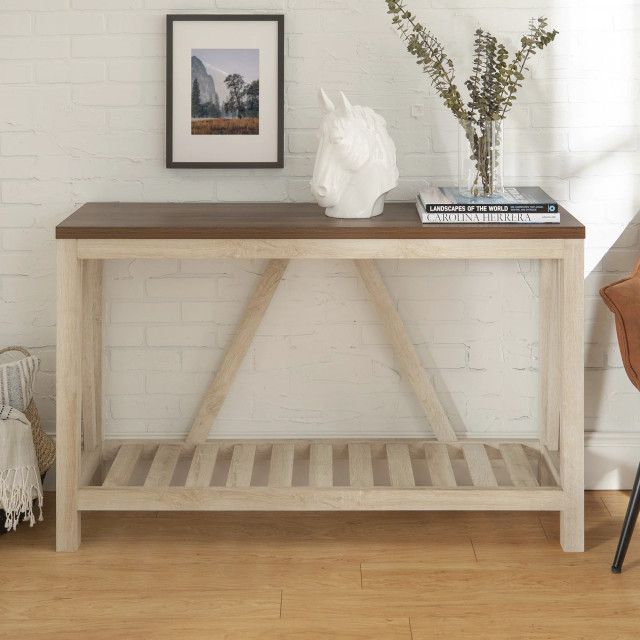
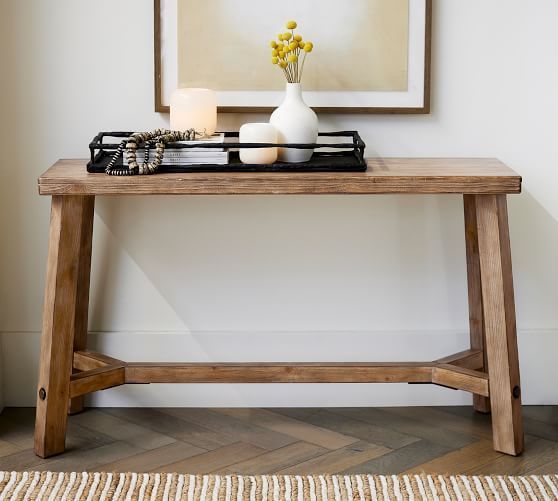
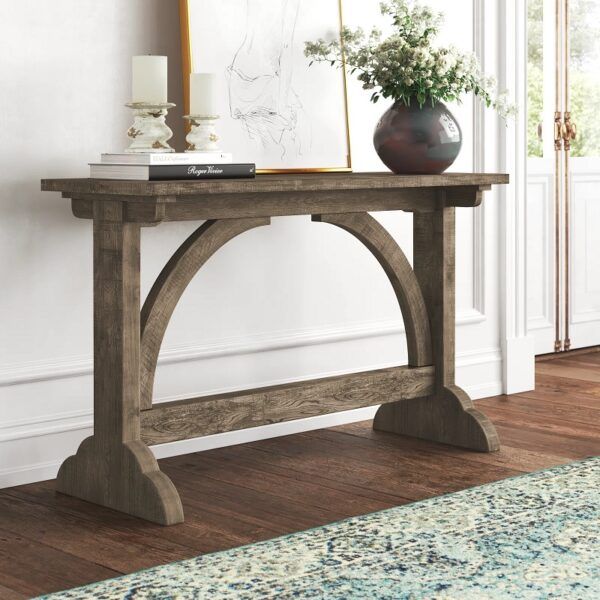
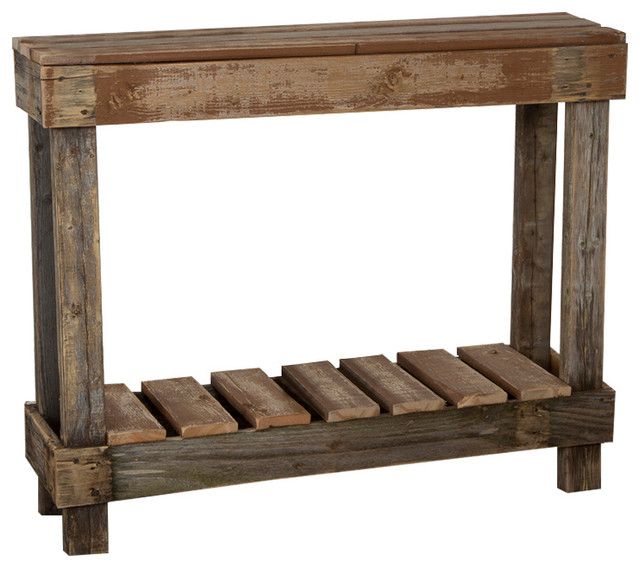
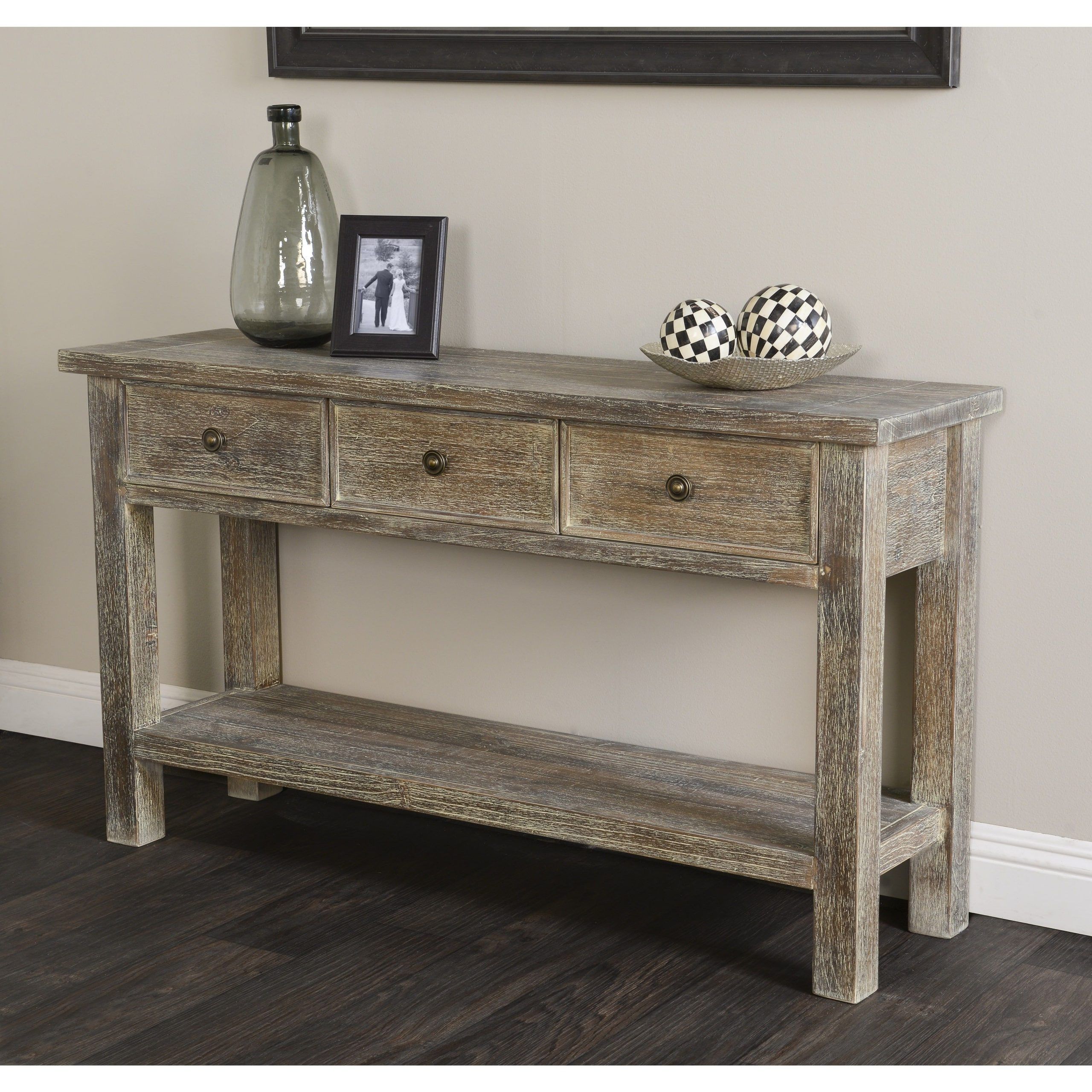
Picture this: You’re standing in your living room, eyes scanning the space for that missing piece that will tie everything together. Maybe it’s a console table that’s both functional and beautiful, one that holds your books, plants, and photos while adding character to the room. Enter the slatted bottom shelf console – that versatile piece that’s been quietly transforming homes across the country. But how do you choose the right one? What makes a good console stand out from the rest? Let’s explore.
When it comes to home furnishings, few pieces offer the same blend of function and form as a well-chosen console table. The slatted bottom shelf variety brings something special to the table – literally and figuratively. These consoles aren’t just about aesthetics; they’re about creating spaces that feel lived-in, organized, and uniquely yours. Whether you’re looking to display your favorite collection or simply need a surface for daily essentials, finding the right console can make all the difference. But with so many options available, it can feel overwhelming. Let’s break it down into manageable chunks so you can make an informed decision that feels right for your home.
Understanding the Basics of Slatted Console Design
Before diving into selection criteria, let’s talk about what makes a slatted console different. The slatted bottom refers to the distinctive design element where horizontal strips or slats create an open framework underneath the main surface. This isn’t just for show – it offers several practical advantages. These slats allow for better airflow, prevent dust accumulation, and give a sense of lightness to the piece. Think of it like having a window in your furniture. It creates visual breathing room while maintaining structural integrity. The slatted design also tends to make the console appear taller and more elegant than solid-bottom alternatives. Many people find themselves drawn to the clean lines and modern appeal of this style. It works beautifully in contemporary settings but can also adapt to traditional interiors when chosen carefully. The key is understanding that the slats serve both aesthetic and practical purposes.
Measuring Your Space and Determining Proper Scale
One of the most common mistakes people make is choosing a console that’s either too big or too small for their space. You want to think about proportion and balance. Measure the area where you plan to place it first. Consider the width of your wall space, the height of your ceiling, and the overall scale of the room. A console that’s too wide can overwhelm a small space, while one that’s too narrow might look lost in a large room. The golden rule? The console should be about two-thirds the width of the space it’s filling. For example, if you have a 6-foot-wide wall, aim for a console that’s around 4 feet wide. Also, consider the height – most slatted consoles range from 30 to 40 inches tall. But remember, some people prefer a taller piece for dramatic effect, while others lean toward something more intimate. The key is matching the proportions to your room’s personality.
Material Selection: Wood, Metal, and Mixed Options
The material of your console says a lot about your taste and lifestyle. Wood is probably the most popular choice, offering warmth and timeless appeal. Solid wood pieces tend to last longer but require more maintenance. They often feature natural grain patterns that tell a story. If you’re looking for something more contemporary, metal consoles bring industrial flair and durability. They’re great for modern spaces and often come with sleek finishes like brushed steel or black. Many designers now blend materials, using wood tops with metal frames, or combining different woods for visual interest. Consider how much maintenance you’re willing to put in versus how long you want the piece to last. Some woods age beautifully, developing rich patinas over time, while others maintain their appearance with regular care. Think about the lifestyle of your household – are you a family with children, or do you prefer a more formal setting?
Style Matching: Contemporary, Traditional, and Everything In Between
The beauty of slatted console tables lies in their versatility. They can work in almost any style, but you’ll want to pay attention to details that match your existing aesthetic. Contemporary designs often emphasize clean lines, minimal ornamentation, and geometric shapes. Look for consoles with simple slat arrangements and maybe a single, bold color or finish. Traditional styles typically feature more intricate details, such as carved edges or ornate hardware. The slats might be narrower and more numerous, creating a more delicate appearance. Modern farmhouse looks often incorporate rustic elements with clean slatted bottoms. They might use reclaimed wood or have a weathered finish that adds character. Don’t be afraid to mix and match – sometimes the best combinations happen when you blend elements from different styles. The key is ensuring that whatever you choose feels intentional rather than random.
Functionality Considerations: Storage, Display, and Daily Use
A console table is more than just a pretty face – it’s a functional part of your daily life. Think about what you’ll actually use it for. Do you need storage for books, magazines, or seasonal items? Some slatted consoles come with drawers or cabinets underneath, while others rely purely on open shelving. If you’re displaying items, consider the height and depth of the slatted areas. You want enough space to showcase your treasures without overcrowding them. Also, think about weight capacity – especially if you plan to put heavy items like vases or books on top. The slatted design can actually help distribute weight more evenly than solid surfaces. Consider how often you’ll use it. Is it a daily focal point or more of a seasonal piece? This affects everything from material choice to color selection. A high-use console needs to be both attractive and durable.
Color and Finish: Making the Right Visual Impact
The color and finish of your console can either anchor your space or make it feel disconnected. Light colors like white, beige, or natural wood tones tend to make spaces feel larger and brighter. They’re particularly effective in smaller rooms or spaces with limited natural light. Darker finishes like espresso or black create drama and sophistication. They work especially well in larger rooms where they can serve as a grounding element. Some people love the contrast of light tops with dark slats, or vice versa. Others prefer to keep it consistent throughout the piece. The finish also matters – matte finishes hide fingerprints better than glossy ones, which might be important if you have young children. Consider how the piece will interact with your lighting. Natural light changes throughout the day, so what looks great in the morning might appear different in evening light.
Budget and Quality: Finding Value Without Compromise
Console tables vary dramatically in price, from budget-friendly options to artisanal pieces that cost thousands. Setting a realistic budget helps narrow down your choices significantly. However, remember that quality matters. A poorly constructed piece might look good initially but could fall apart within a year. Look for solid construction, even if it means spending a bit more. Check the joints, the stability of the frame, and whether the slats are securely attached. Reputable brands often offer warranties, which can save you money in the long run. Don’t forget to factor in shipping costs, especially for larger pieces. Sometimes buying online can save money, but ensure you can return or exchange if needed. Consider the long-term value – a well-made console can last decades and become a family heirloom. The investment pays off in both practicality and aesthetics.
Practical Tips for Shopping and Installation
When shopping, take measurements with you and always check dimensions before purchasing. Many online retailers provide detailed specs, but nothing beats seeing the piece in person if possible. Read reviews carefully, paying attention to comments about build quality and assembly. Some consoles require assembly, while others arrive fully put together. Consider whether you’ll need help installing it – especially if it’s a heavy or tall piece. Don’t overlook the importance of matching your console with other furniture in the room. Think about how it will complement existing tables, chairs, and storage units. Once you’ve chosen your piece, plan its placement carefully. Consider traffic flow and ensure there’s enough space around it for easy access. The final touch is often adding the right accessories – perhaps some candles, books, or plants that enhance the overall look.
Choosing the perfect slatted bottom shelf console is ultimately about finding that balance between form and function that speaks to your personal style and lifestyle. It’s not just about picking something that looks good – it’s about selecting a piece that enhances your daily routine and reflects who you are. Whether you’re drawn to the classic elegance of wood, the sleek modernity of metal, or the cozy charm of mixed materials, there’s a console out there waiting to become part of your story. Remember to measure carefully, consider your needs, and trust your instincts. The right console doesn’t just fill a space – it creates a focal point that makes the whole room feel complete. Take your time with the process, and don’t rush into a decision. After all, this piece will be with you for years to come, so it’s worth getting right.