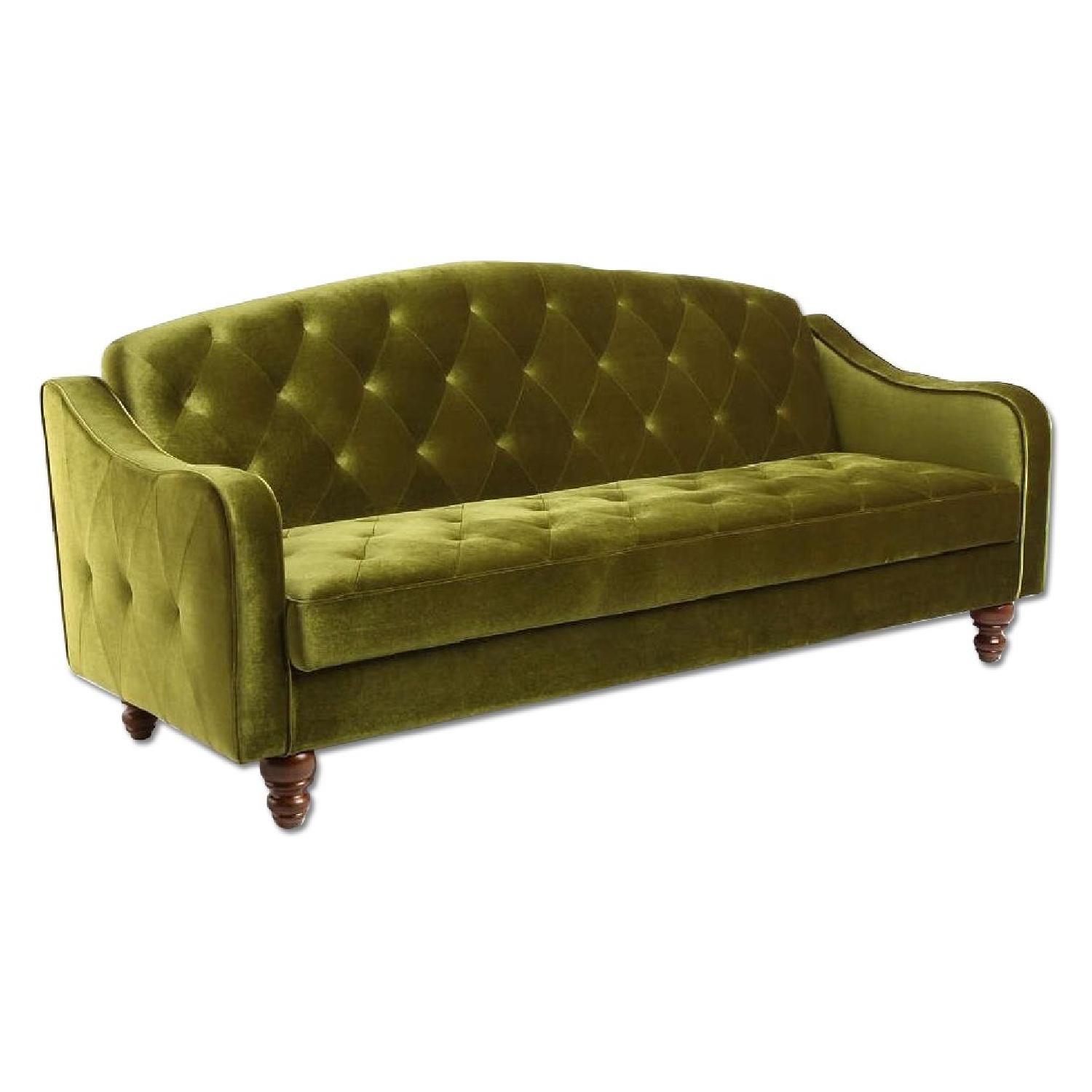
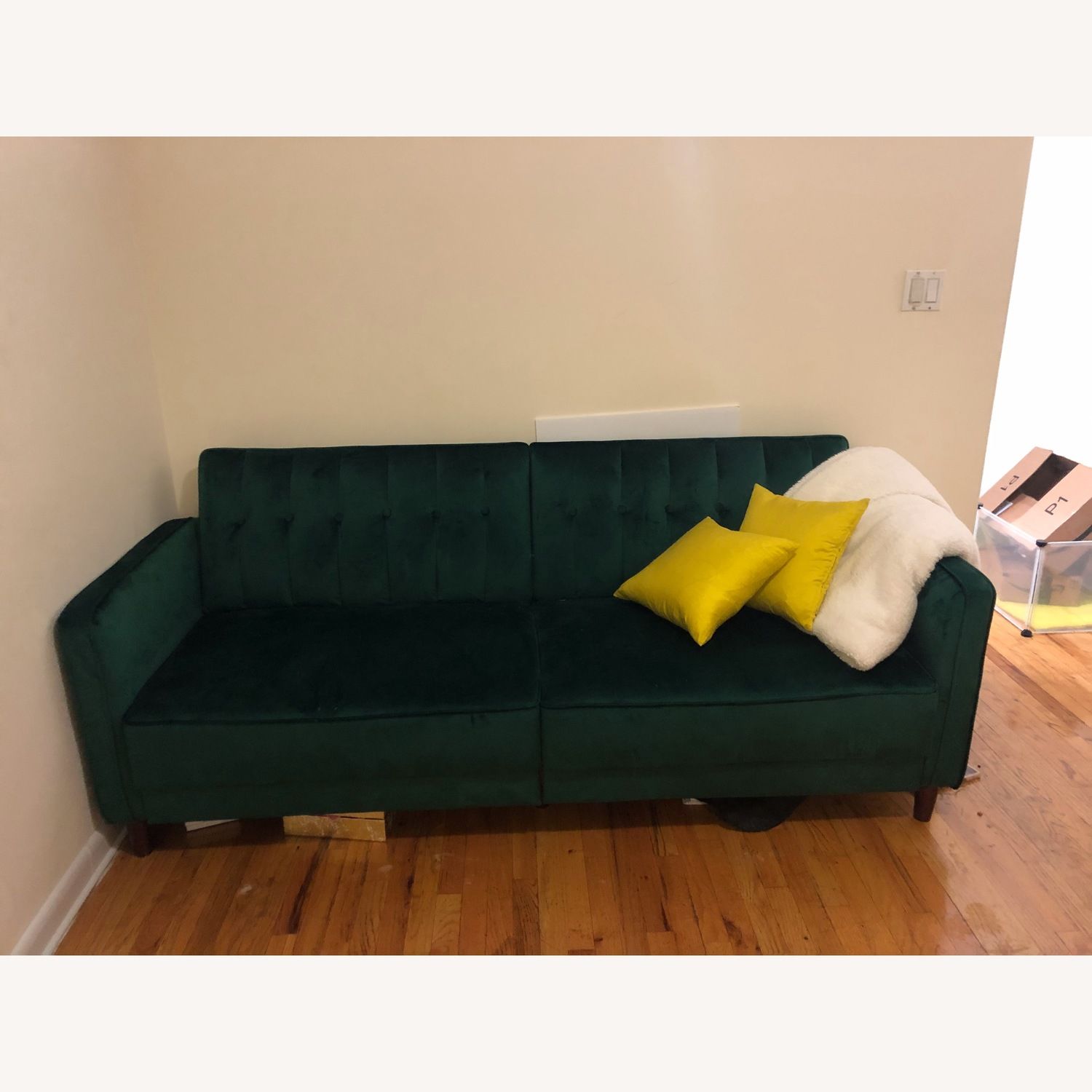
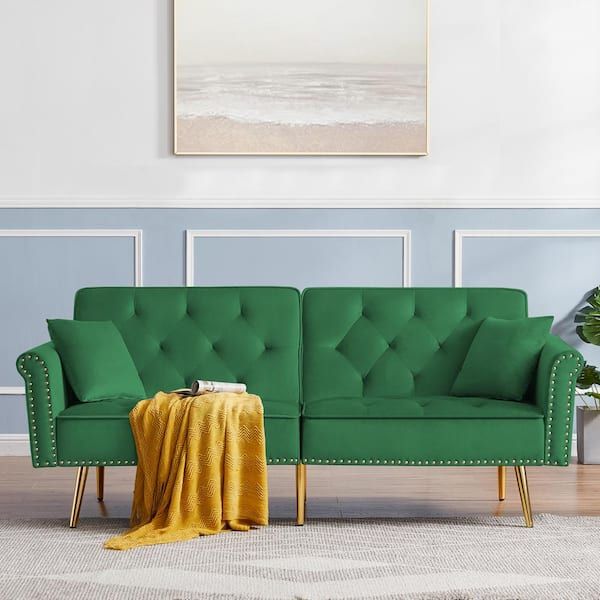
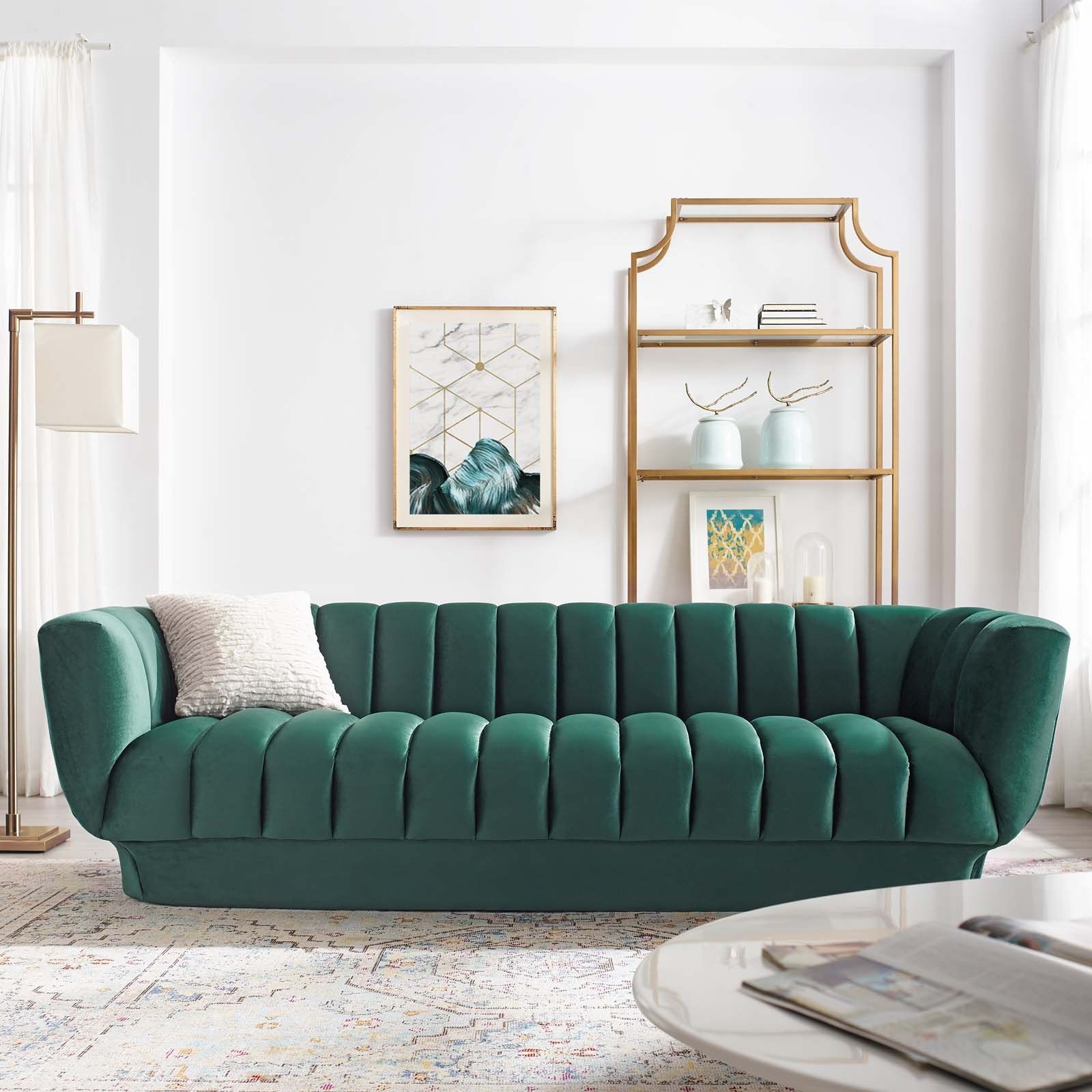
Imagine walking into a room where every piece of furniture seems to whisper stories of skilled artisans and timeless design principles. That’s exactly what happens when tufted upholstery graces your living space. It’s not just about adding texture or pattern – it’s about creating an atmosphere of refined comfort that speaks to both your aesthetic sensibilities and your need for genuine relaxation.
Tufted upholstery has been quietly revolutionizing how we think about comfort and style in our homes. It’s that subtle detail that makes a sofa feel like a cocoon, or a chair like a gentle embrace. This technique isn’t merely decorative – it’s a marriage of function and form that has stood the test of time. Whether you’re furnishing a new apartment or refreshing an existing space, understanding the nuances of tufted upholstery can elevate your entire approach to interior design. Think about it – how many times have you sat on something that felt both supportive and luxurious? That’s often the magic of well-executed tufting.
What Makes Tufted Upholstery Special
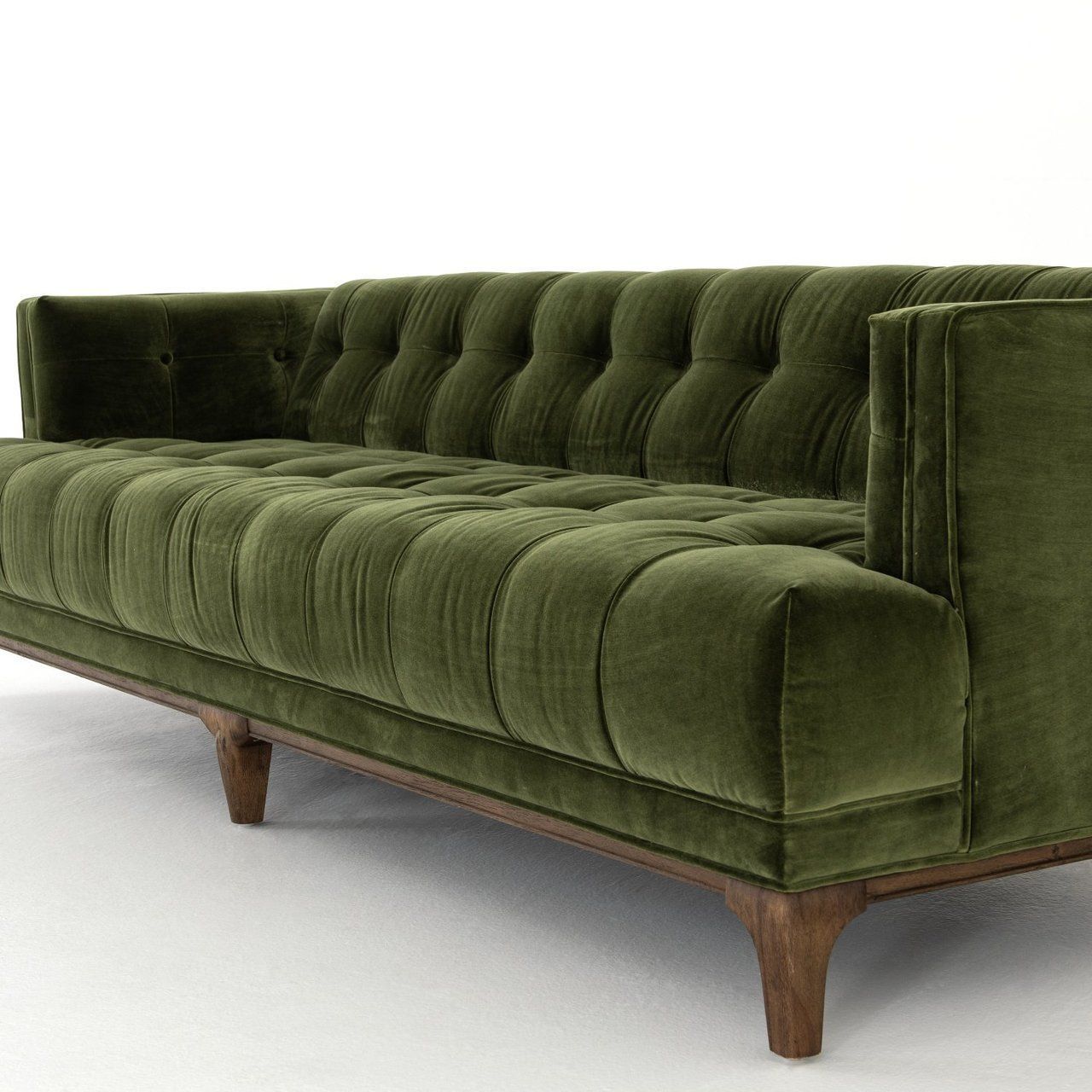
At its core, tufted upholstery is about creating dimension through carefully placed knots or buttons. These aren’t random placements though – they’re calculated to enhance both the visual appeal and the physical comfort of the piece. The process involves pulling fabric taut over padding and securing it with threads that create those distinctive tufts. It’s almost like sculpting with fabric. What sets tufted pieces apart is their ability to transform flat surfaces into dynamic, textured experiences.
The beauty lies in the craftsmanship involved. Each tuft must be perfectly tensioned to maintain its shape over time. Some pieces feature multiple rows of tufts, while others have a single prominent line that draws the eye. The contrast between the tufted areas and the smooth background creates visual interest that keeps the eye moving across the surface.
Consider a traditional tufted armchair in your living room. When you sit, the tufts provide gentle support along the back and arms, while the overall structure offers stability and comfort. This isn’t just about looks – it’s about creating furniture that feels good to be around.
Choosing the Right Fabric for Your Space
Fabric selection is crucial when working with tufted upholstery, because the material affects both durability and appearance. You want something that will hold up to daily use while maintaining its visual appeal. Natural fibers like linen and cotton work beautifully with tufted designs, offering breathability and a relaxed feel. These materials tend to age gracefully, developing character over time.
Wool is another excellent choice, particularly for tufted pieces that see frequent use. It’s naturally resistant to stains and provides excellent insulation, making it ideal for cooler climates. The texture of wool also enhances the tufted effect, giving the piece a rich, plush appearance.
Synthetic options offer practical advantages for busy households. They’re often more stain-resistant and easier to clean than natural fibers. However, they may lack some of the warmth and character that natural materials bring to tufted pieces.
When selecting fabric, consider the room’s lighting conditions. Light-colored fabrics will show wear more easily but can make smaller spaces feel brighter. Darker fabrics hide stains better but might make a room feel smaller.
A few things to keep in mind:
• Test fabric samples in your actual space under different lighting
• Consider how much use the piece will get before choosing
• Think about maintenance requirements for your lifestyle
Design Versatility Across Different Rooms
Tufted upholstery isn’t limited to living rooms – it works beautifully in bedrooms, dining areas, and even home offices. In fact, it’s one of those design elements that can tie together different spaces in a cohesive way. The secret lies in understanding how tufting adapts to various functions and aesthetics.
In bedrooms, tufted headboards create a focal point that feels both elegant and inviting. The tufts draw the eye upward, creating visual height that can make a room feel more spacious. They’re particularly effective in minimalist designs where clean lines meet soft textures.
Dining rooms benefit from tufted chairs because they offer both comfort and sophistication. The tufted backs provide support during long meals, while the visual interest adds personality to what could otherwise be a utilitarian space.
Home offices often need pieces that are both functional and calming. Tufted side chairs or reading nooks can provide the perfect balance of support and style. The texture helps break up the sometimes harsh lines of office furniture.
The key is matching the scale and style of the tufting to the room’s overall design. A large tufted sofa might overwhelm a small apartment, while tiny tufts might get lost in a grand living room.
Maintenance and Care Tips
Proper care extends the life of tufted upholstery significantly. The good news is that with basic maintenance, most tufted pieces can last decades. Regular cleaning prevents buildup that can damage both fabric and the underlying structure.
For routine upkeep, use a vacuum with a soft brush attachment to remove dust and debris. Pay special attention to the tufted areas where lint and pet hair tend to accumulate. A gentle brushing motion helps keep the tufts looking fresh.
Stain removal requires caution. Always test cleaning products on hidden areas first. For light stains, a mild soap solution works well. More stubborn spots might require professional cleaning.
Prevention is better than cure. Place coasters under drinks, use tablecloths for dining, and avoid sharp objects that could puncture the fabric.
Some maintenance tips to remember:
• Vacuum regularly but gently
• Address spills immediately
• Rotate cushions periodically to ensure even wear
• Professional cleaning every 12-18 months
• Protect from direct sunlight to prevent fading
Cost Considerations and Value Investment
Tufted upholstery comes with a price tag that reflects its craftsmanship and quality. However, it’s important to understand that you’re investing in longevity rather than just immediate satisfaction. The cost varies widely depending on several factors including materials, construction quality, and brand reputation.
Basic tufted pieces might start around $500, while high-end custom pieces can exceed $3000. The difference often lies in the quality of materials used, the complexity of the tufting pattern, and the skill of the craftspeople involved.
When considering the investment, think about how long you plan to keep the piece. A well-made tufted sofa can serve a family for generations, making the initial cost seem reasonable.
There are also budget-friendly options that still deliver good quality. Look for pieces made with quality synthetic fabrics or those with simpler tufting patterns. These can provide the visual benefits of tufting without the premium price tag.
Consider the total cost of ownership:
• Initial purchase price
• Maintenance costs over time
• Replacement costs if the piece fails
• Longevity factor
• Resale value potential
Modern Trends and Future Directions
Today’s tufted upholstery is evolving with contemporary design trends while maintaining its classic appeal. Current preferences lean toward cleaner lines and more subtle tufting patterns. Bold geometric tufts are making a comeback, offering a modern twist on traditional techniques.
Sustainability is becoming increasingly important in upholstery choices. Many manufacturers now offer eco-friendly options using recycled materials or natural dyes. These pieces maintain the beauty and functionality of traditional tufting while aligning with environmental values.
Technology is also playing a role. New fabric treatments offer enhanced stain resistance and easier cleaning. Some companies are experimenting with smart textiles that can monitor temperature or adjust firmness.
Color trends show a move toward neutral tones with occasional pops of color. Earth tones and muted pastels dominate, but bolder accents are appearing in statement pieces.
The future of tufted upholstery looks bright, with designers finding new ways to incorporate this classic technique into modern lifestyles. We’re seeing more modular pieces that allow for customization, and innovative approaches to mixing textures and materials.
Tufted upholstery represents more than just a design choice – it’s a commitment to quality, comfort, and lasting beauty. Whether you’re adding a tufted accent chair to your living room or planning a complete renovation, understanding this art form helps you make informed decisions that will serve you well. The key is recognizing that tufted pieces are investments in your daily comfort and your space’s aesthetic appeal. They’re the kind of furniture that gets better with age, developing a patina that tells the story of your life lived in that room.
So when you’re shopping for furniture, don’t overlook the subtle power of tufted upholstery. It’s that special touch that transforms a house into a home, making every moment of relaxation feel a little more luxurious. The next time you sit on a tufted piece, take a moment to appreciate the craftsmanship behind it – it’s more than just fabric and thread, it’s the result of thoughtful design and skilled execution.