We all want our homes to feel like a sanctuary – somewhere we can relax, work, and thrive. But how do you actually make that happen? It’s not just about pretty pictures or expensive furniture. It’s about creating a space that truly works for you, day in and day out. Think about it – when was the last time you walked into a room and felt like you were exactly where you needed to be? That’s what we’re aiming for.
Let’s face it – our homes are more than just walls and floors. They’re where we recharge, create, and connect with the people we love. But too often, we settle for spaces that look good on Instagram but don’t actually serve us well. What if we could have a place that’s both comfortable and functional? What if every corner of your home made life easier rather than harder? The truth is, it’s absolutely possible. We just need to approach it thoughtfully and with intention.
Understanding Your Daily Habits
Before you even think about rearranging furniture, take a step back and observe yourself. Where do you spend most of your time? When do you feel most productive? What activities make you happiest? These aren’t just idle questions. They’re the foundation of good home design. Consider this: someone who works from home might need a dedicated desk area, while a parent might prioritize easy access to toys and snacks. Pay attention to how you move through your space. Do you always reach for the same items? Do certain areas feel cramped or awkward? Understanding your habits helps you make choices that will actually improve your daily life. For instance, if you frequently cook dinner, having your stove within arm’s reach of your prep area makes a huge difference. You don’t need to be a designer to notice these things – just pay attention to what makes you feel frustrated versus relaxed.
Prioritizing Essential Spaces
Not every room needs to be perfect. Sometimes, it’s better to focus on the few areas that matter most to you. The kitchen, bedroom, and living room are usually top contenders. Start there. What do you want to accomplish in each space? A cozy reading nook in the living room? A clean, organized kitchen that makes meal prep fun? Maybe a bedroom that helps you sleep better. Once you know what you’re trying to achieve, you can start making decisions that support those goals. For example, if your main priority is comfort, choose soft textures and warm lighting. If functionality is key, invest in smart storage solutions and multi-purpose furniture. Remember, you’re not trying to make everything perfect. You’re trying to make the parts that matter most work better for you.
Smart Storage Solutions
This is where many people get tripped up. We buy stuff because it looks nice, but then we don’t know where to put it. This creates chaos and stress. Smart storage means planning ahead. Ask yourself: where do I need to find things quickly? What items do I use daily versus occasionally? How much space do I really need? For example, if you have a lot of books, consider built-in shelves that are easy to access. If you’re constantly looking for keys and wallets, a designated spot near the door with hooks or a tray can solve that problem instantly. Think about vertical space too. Tall cabinets, floating shelves, and under-bed storage can hold more without taking up floor space. The key is matching storage solutions to your actual needs, not just what looks good. When you know exactly where everything belongs, you save time and reduce stress. Plus, it keeps your home looking neat and organized.
Lighting That Works With Your Life
Lighting isn’t just about making your home bright. It’s about creating moods and supporting your activities. Natural light is wonderful, but it’s not always available when you need it. That’s why layering different types of lighting matters. Have task lighting for reading or working, ambient lighting for general illumination, and accent lighting for mood or decoration. For instance, a dimmable lamp in your bedroom gives you flexibility between bright light for getting ready and soft glow for winding down. In the kitchen, you might want bright overhead lights for cooking, but softer lighting over the dining table for meals. Don’t forget about the impact of color temperature too. Cool white light helps you stay alert, while warm light promotes relaxation. Experiment with different combinations until you find what works for your lifestyle. Sometimes a simple switch to LED bulbs can transform your space and your mood.
Comfort Through Texture and Color
The way things feel and look can dramatically affect how you experience your space. Textures add depth and warmth. Soft fabrics on chairs, a cozy throw blanket, or even a textured wall can make a room feel more inviting. Colors also play a huge role. Lighter colors make small spaces feel bigger, while deeper tones can create a sense of intimacy and coziness. But here’s something many people miss: consistency matters. If you have a bright, airy living room, adding a dark, heavy piece of furniture can make it feel off balance. On the flip side, if you have a darker space, using lighter colors can make it feel more open. Consider how different textures and colors make you feel. Does a rough wood table make you feel grounded? Does a soft fabric chair make you want to curl up? These subtle elements create emotional connections to your home. It’s not just about aesthetics – it’s about how your environment affects your wellbeing.
Multi-Purpose Furniture and Layouts
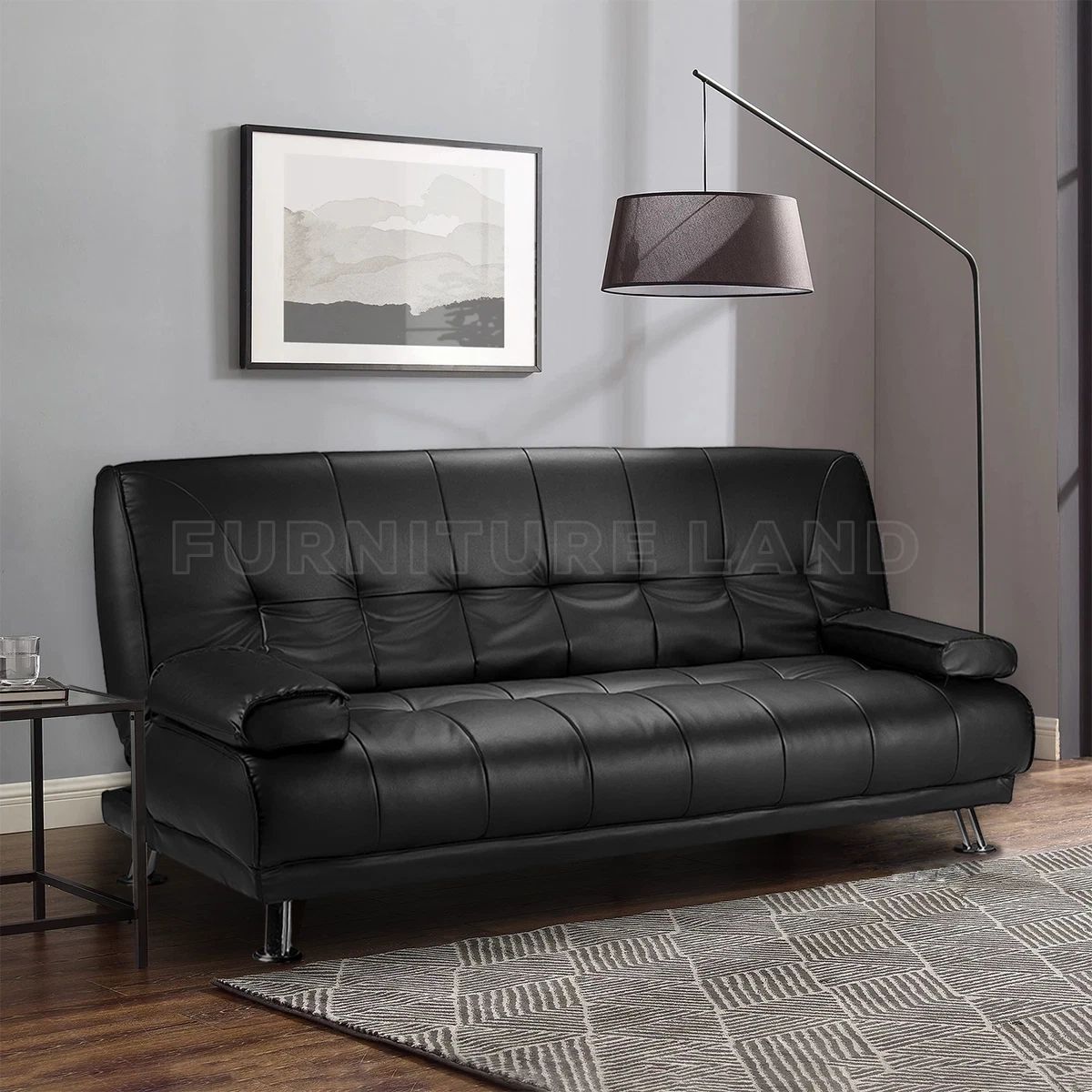
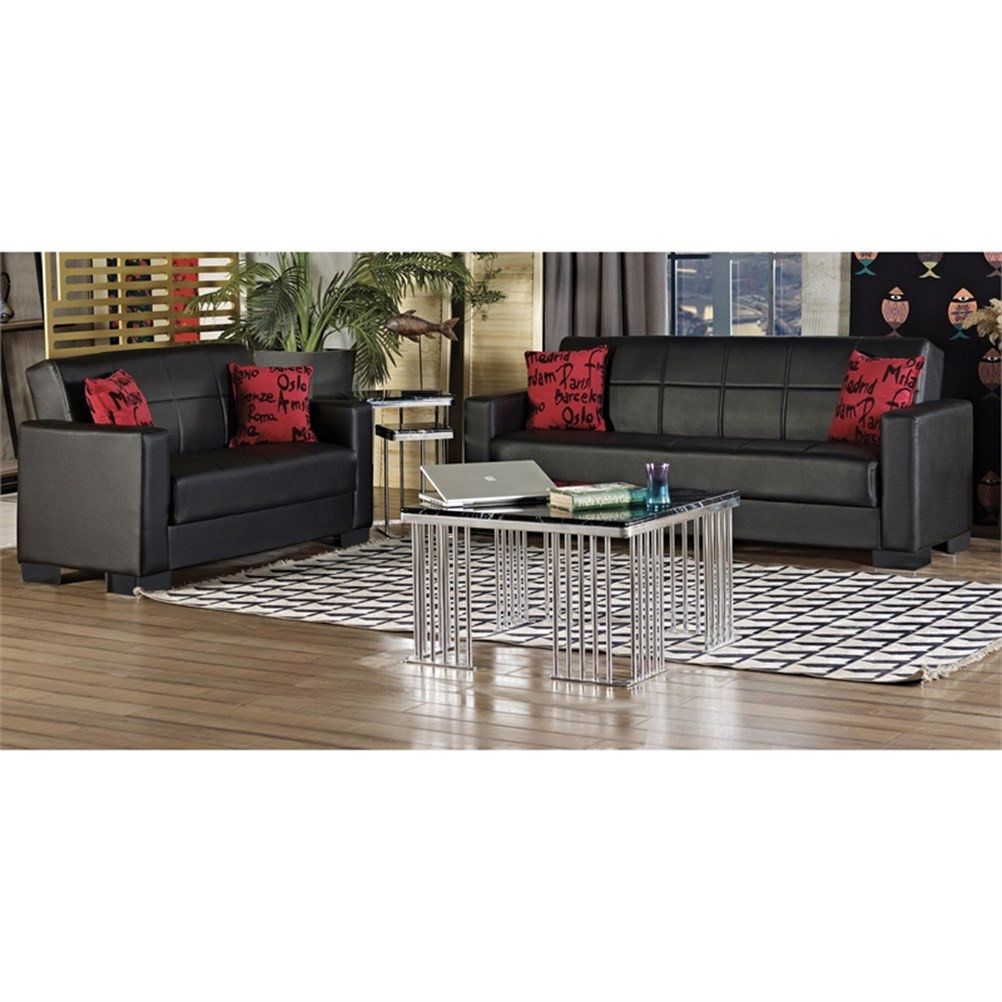
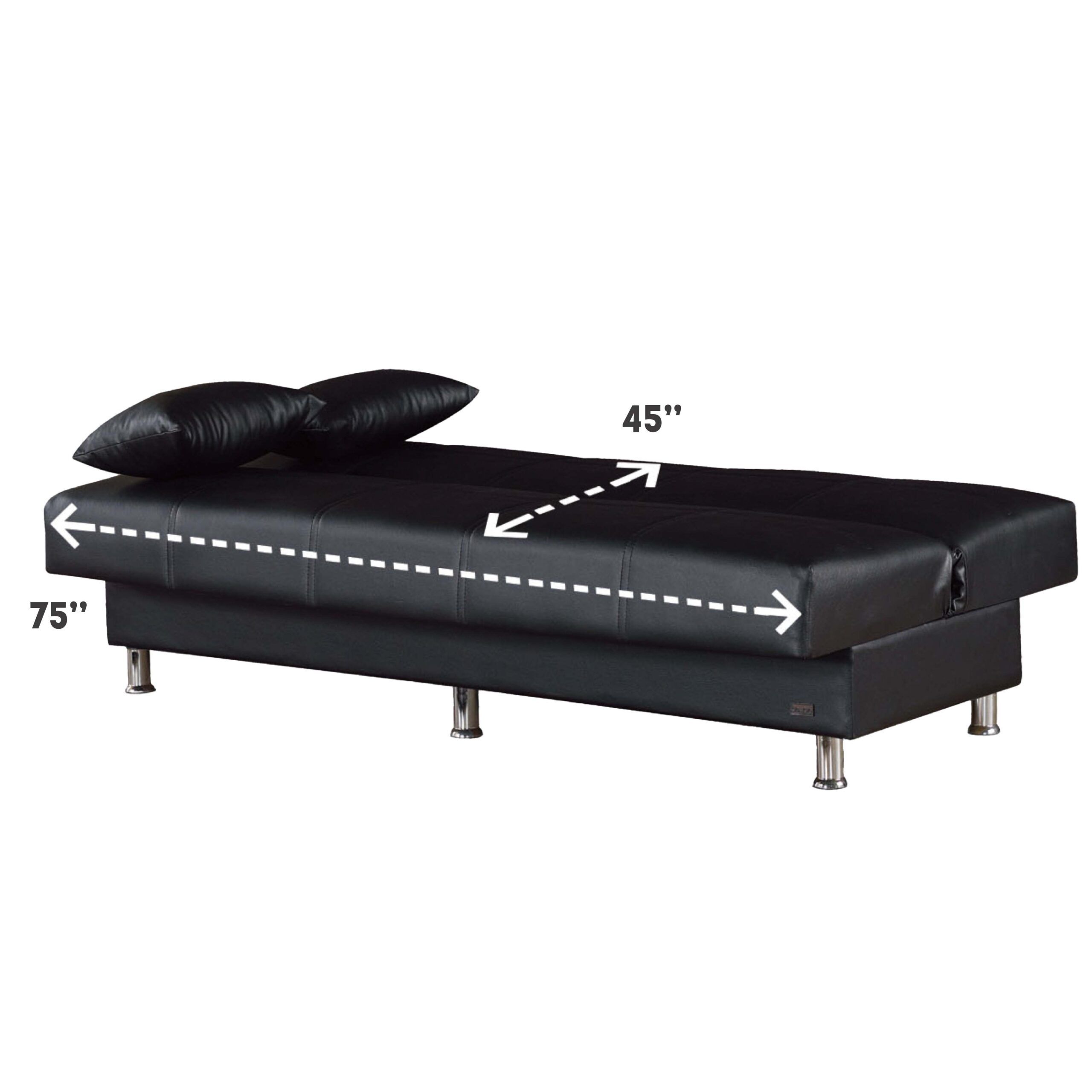
Space is often limited, especially in smaller homes. That’s where multi-purpose furniture shines. A coffee table that doubles as storage, a dining table that converts into a work surface, or a bench that provides seating and extra storage – these are game changers. The layout of your space also matters. Is there enough room to move around comfortably? Are there any dead zones that could be repurposed? Sometimes, simply rearranging existing furniture can make a huge difference. Try moving your sofa away from the wall to create a conversation area. Or, if you have a small dining area, consider a round table that allows more flexibility. The idea isn’t to overcrowd or overcomplicate. It’s to maximize what you already have. When furniture serves multiple purposes and rooms are designed with movement in mind, everything feels more fluid and less cramped.
Designing a home that balances comfort and functionality isn’t about perfection. It’s about making thoughtful choices that reflect how you live. When you start with your habits, prioritize your most important spaces, and build your setup around what actually works for you, you’re already on the right track. Remember, your home should feel like a reflection of your personality and lifestyle, not a showcase of trends. Small changes can lead to big improvements. Whether it’s adjusting your lighting, reorganizing your storage, or simply choosing the right texture, each decision matters. The best part? You don’t need to do it all at once. Start with one area, see how it feels, and build from there. Your ideal living space is closer than you think – and it’s already in your hands.