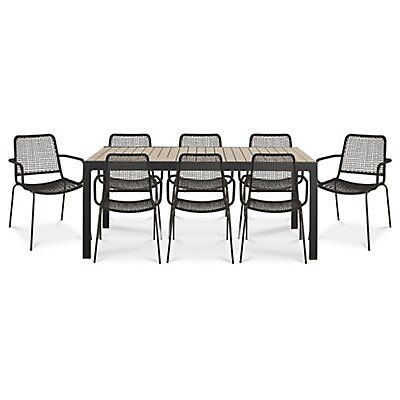
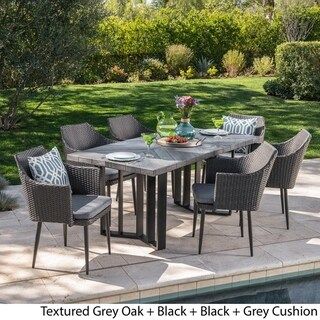
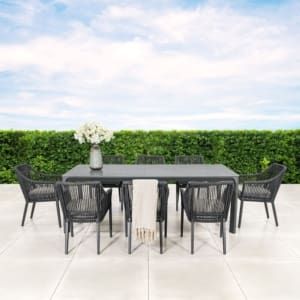
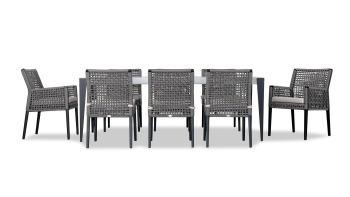
Picture this: You’re sitting in your living room, sipping coffee with family. Now imagine that same cozy spot, but now it’s outside, surrounded by trees and morning light. That’s exactly what happened to dining furniture over the past few decades. What started as simple indoor seating has become something entirely different – outdoor dining that feels just as comfortable as your favorite chair.
Outdoor dining furniture has come a long way from the basic wooden chairs and tables that once graced backyards. It’s evolved into a sophisticated blend of comfort, durability, and style that makes people want to stay outside longer. Think about it – when was the last time you found yourself saying ‘I could stay out here all day’? That’s the magic these modern pieces have created. We’re talking about furniture that doesn’t just sit outside, but actually embraces the elements while maintaining its beauty and function. This transformation isn’t just about looks though – it’s about how our lifestyles changed and how we began to value outdoor time more than ever before.
The Early Days: Simple Beginnings
Back in the 1960s and 70s, outdoor dining was pretty basic. People used what they had – often repurposing indoor furniture or buying cheap plastic sets. These weren’t built to last. They were thrown together quickly, made for temporary use, and definitely not meant to handle rain or sun. Picture a family gathering where everyone sits on mismatched chairs that creak and wobble. Or a patio set that’s so flimsy it requires constant repair. Those early pieces were more about functionality than comfort.
The furniture was usually made of materials that couldn’t handle weather changes. Metal rusted quickly, wood warped, and plastic cracked under UV exposure. It wasn’t unusual to see people storing their outdoor sets indoors during winter months. The concept of year-round outdoor dining didn’t really exist yet. People were still figuring out if they wanted to spend time outside at all. When they did, it was usually brief – maybe a quick lunch or evening drink.
These early designs showed little understanding of how outdoor environments would impact furniture. They treated outdoor spaces like they were indoor spaces, just moved outside. It was a case of "we’ll use whatever we have" rather than "we’ll design specifically for this purpose.
The Shift Happens: Designing for Weather
By the 1980s and 90s, things started changing. Designers began to understand that outdoor furniture needed to be stronger, more resilient, and actually designed for the elements. This was the era when people started thinking bigger about their outdoor spaces. They weren’t just using them for quick meals anymore – they were creating entire rooms outside. The furniture had to match this new vision.
This period saw the introduction of materials that could handle sun, rain, and temperature changes. Aluminum became popular because it didn’t rust. Teak wood gained favor for its natural resistance to weather. Even synthetic materials like polyethylene began appearing in outdoor collections. The focus shifted from "this might work outside" to "this is designed for outdoor use."
It was also around this time that people started building permanent outdoor kitchens and dining areas. This required furniture that could handle the elements without looking worn or broken. Designers began incorporating features like water-resistant cushions, UV-stable fabrics, and weatherproof finishes. The idea of "outdoor living" really took off during this period. Suddenly, people were planning their weekends around outdoor meals rather than just squeezing them in between indoor activities.
Comfort Takes Center Stage
The 2000s brought a revolution in comfort. Furniture designers realized that people wanted to spend more time outdoors, not just eat outside. They wanted to relax, entertain, and socialize in their outdoor spaces. This meant furniture had to be more comfortable than ever before.
Think about how different today’s outdoor dining sets feel compared to those from decades ago. Modern pieces feature cushioned seats, adjustable components, and ergonomic designs. You can find outdoor chairs that feel just like indoor ones, complete with soft padding and supportive backs. The difference is remarkable – people actually want to sit in them for hours.
This shift also brought more variety in design. Outdoor furniture went from basic functional pieces to stylish statements. You could find pieces that matched your indoor decor or complemented your garden aesthetic. The idea that outdoor furniture had to look rough or basic was gone. Now, people could have elegant dining sets that looked good in both indoor and outdoor settings.
The comfort factor also influenced how people arranged their outdoor spaces. Instead of just having a table and chairs, people began creating complete outdoor rooms with seating areas, dining sections, and even small lounging zones. This made outdoor dining feel less like a chore and more like a lifestyle choice.
Materials Revolution: New Possibilities
The last decade has seen incredible material innovations that have truly transformed outdoor dining furniture. We’re no longer limited to traditional woods and metals. Today’s designers experiment with everything from recycled plastics to composite materials that mimic natural textures.
One of the most exciting developments is the rise of synthetic materials that look and feel like natural wood but require no maintenance. These "wood-like" composites resist rot, insects, and fading while maintaining the warmth and beauty of real timber. People can enjoy the look of traditional wood without the upkeep.
Another breakthrough came with fabric technology. Outdoor cushions now use materials that are waterproof, stain-resistant, and fade-proof. These fabrics can handle spills, rain, and sun without deteriorating. Some even have antimicrobial properties that prevent mold and mildew growth. This means furniture stays looking fresh and clean even after extended outdoor use.
The environmental aspect has also become important. Many manufacturers now use sustainable materials and processes. Recycled aluminum, reclaimed wood, and eco-friendly fabrics are becoming standard rather than special features. This shows how the industry has matured to consider not just performance but also responsibility.
Smart Features and Technology Integration
Modern outdoor dining furniture isn’t just about materials anymore – it’s about smart features that enhance the outdoor experience. You can find tables with built-in charging ports, integrated lighting, and even heating elements. These aren’t just fancy extras – they’re practical additions that make outdoor dining more convenient and enjoyable.
Some sets now include Bluetooth speakers that blend seamlessly with the design. Others feature adjustable height settings to accommodate different users or activities. The integration of technology hasn’t made furniture less beautiful, but rather enhanced its functionality. It’s about making the outdoor experience better without sacrificing aesthetics.
Storage solutions have also improved dramatically. Furniture now comes with hidden compartments for utensils, napkins, and small items. Some pieces even fold down for easy storage when not in use. This is particularly important for people with smaller outdoor spaces or those who live in apartments.
The trend toward multifunctional furniture is growing. A single piece might serve as a dining table, a side table, or even a lounge area depending on how it’s configured. This flexibility makes outdoor dining more adaptable to different situations and preferences.
Cultural Impact and Lifestyle Changes
The evolution of outdoor dining furniture reflects larger cultural shifts. People have become more conscious about spending time outdoors, whether for health reasons, social connection, or simply enjoying nature. This change in lifestyle has driven demand for better outdoor furniture.
We’ve also seen the influence of social media on outdoor design choices. Instagram-worthy outdoor spaces have become important to many people. This has pushed designers to create pieces that are both functional and photogenic. The result is furniture that looks great in photos but also works well in real life.
The pandemic especially accelerated this trend. With more people staying home, outdoor spaces became essential. Families needed places to eat together, friends wanted to gather safely, and individuals craved fresh air and sunshine. This created a massive demand for quality outdoor dining furniture that could handle regular use and varied conditions.
Outdoor dining has also become more inclusive. Modern furniture considers accessibility needs, with options for people with mobility challenges. This includes features like appropriate seat heights, easy-to-clean surfaces, and sturdy construction that provides confidence for all users. The furniture industry has grown more thoughtful about designing for diverse needs.
The journey from indoor dining to terrace comfort represents more than just furniture evolution – it’s a reflection of how we’ve redefined our relationship with outdoor spaces. What started as simple functional pieces has transformed into sophisticated, comfortable, and stylish solutions that enhance our daily lives. Today’s outdoor dining furniture doesn’t just survive the elements – it thrives in them. It’s become a bridge between indoor comfort and outdoor freedom, making us want to extend our time outside. Whether you’re hosting dinner parties or enjoying quiet breakfasts, the right outdoor dining setup can turn any space into a place you’ll want to spend time in. The future will likely bring even more innovation, but the core principle remains the same: bringing the best of indoor comfort to outdoor living. So next time you’re setting up an outdoor meal, remember that you’re not just using furniture – you’re participating in a story that spans decades of design evolution. It’s furniture that understands the importance of both comfort and connection.