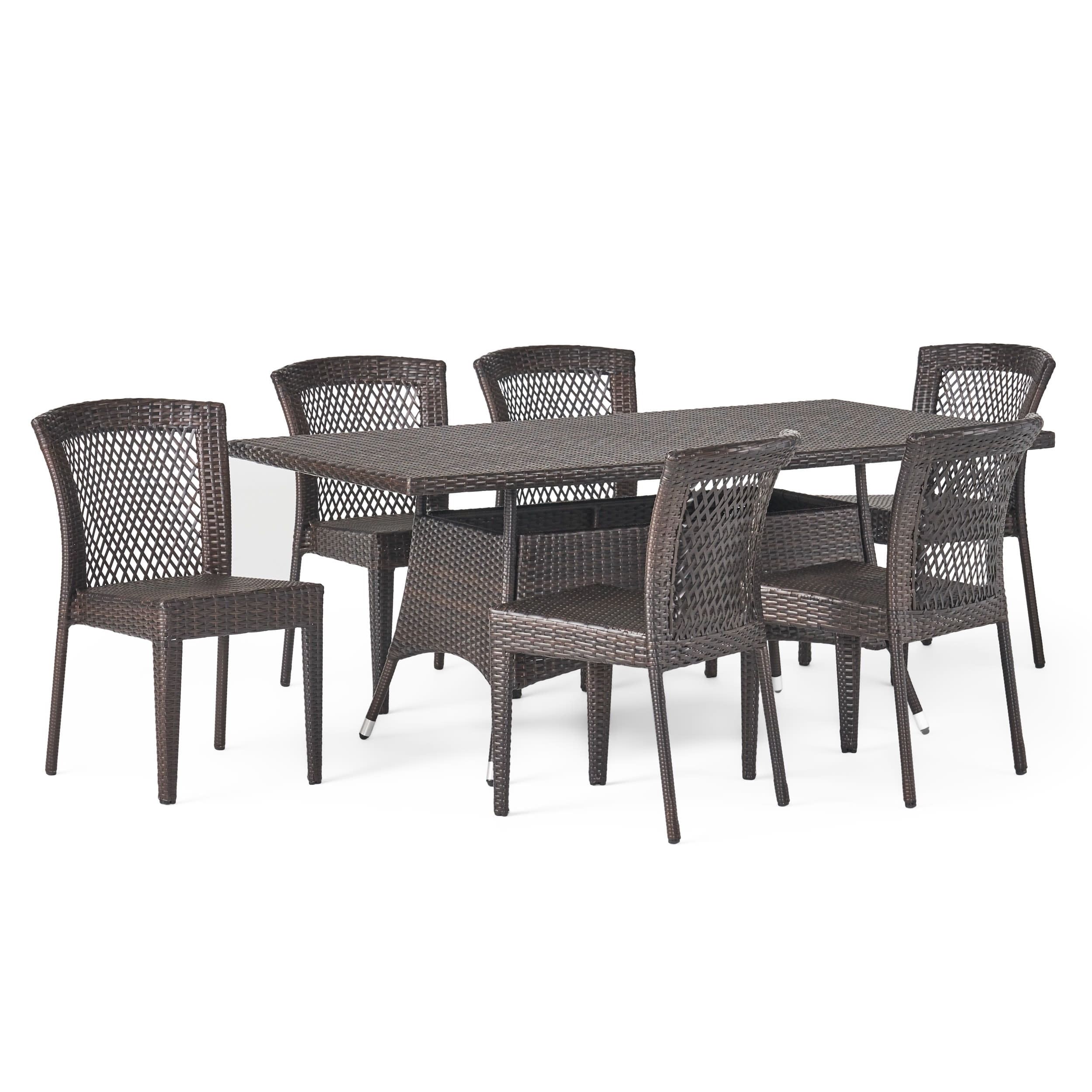
Picture this: you’re sitting on a weathered wooden bench in your backyard, feeling the gentle breeze and watching the sunset. This simple moment connects us to centuries of thoughtful design. Outdoor furniture isn’t just about comfort and style – it tells the story of how we’ve learned to live with nature rather than against it.
Outdoor furniture has come a long way since our ancestors first needed somewhere to sit while enjoying the great outdoors. Think back to those early days when people gathered around fires, sharing stories and meals under open skies. Today, we have sophisticated designs that blend seamlessly with modern architecture and landscape planning. The journey from basic seating to elaborate outdoor living spaces reveals fascinating insights into human culture, technology, and our relationship with nature.
Ancient Foundations: When Design Met Function
The earliest outdoor furniture was pure necessity. Ancient civilizations crafted seating from readily available materials like stone, wood, and woven grasses. These weren’t just chairs and benches – they were symbols of social status and community gathering places. In ancient Egypt, carved stone seats adorned pharaohs’ gardens. Romans created elaborate stone benches that became essential elements of their public spaces.
What’s remarkable is how even these primitive designs showed an understanding of ergonomics. The curves and angles were often inspired by natural forms, suggesting our ancestors had an intuitive grasp of what felt right and comfortable. These early pieces were built to last, using techniques passed down through generations.
The transition from purely functional to decorative began slowly. As societies grew more complex, furniture started reflecting wealth and taste. But even then, durability remained paramount. A chair that couldn’t withstand weather or heavy use wasn’t truly useful.
The Victorian Era: Ornamentation and Comfort
When the Victorian era arrived, outdoor furniture took on new significance. This period saw furniture become both more ornate and more accessible. The Industrial Revolution meant mass production could finally bring beautiful designs to middle-class homes. Victorian outdoor pieces featured intricate carvings, elaborate patterns, and rich fabrics.
Think of the iconic Victorian garden chairs with their carved wooden arms and padded seats. These weren’t just for show – they represented a shift toward leisure and refined living. People began spending more time outdoors, appreciating the beauty of nature.
But there was also practical innovation during this time. New materials like cast iron allowed for more detailed designs while maintaining structural integrity. Garden sets became complete collections, with matching chairs, tables, and sidepieces. This was when the concept of coordinated outdoor living really took root.
The Victorian approach to outdoor furniture was about creating an experience. It wasn’t just about sitting – it was about making the outdoors feel like an extension of the home.
Art Deco and Mid-Century Modern: Clean Lines and Bold Statements
The mid-1900s brought dramatic changes to outdoor furniture design. Art Deco influenced the look with geometric patterns and streamlined shapes. Meanwhile, the mid-century modern movement embraced clean lines, natural materials, and functionality.
This era introduced us to the idea that outdoor furniture could be both beautiful and practical. Designers began experimenting with new materials like aluminum, steel, and synthetic fabrics. These materials were lighter, more durable, and better suited to outdoor conditions.
Consider the iconic Eames lounge chair adapted for outdoor use. Or the sleek aluminum furniture that emerged from Scandinavian designers. These pieces broke away from traditional wood and wicker, opening new possibilities for design. The emphasis shifted toward simplicity and purpose.
The mid-century modern aesthetic was revolutionary because it made outdoor living feel accessible to everyone. It wasn’t just for wealthy estates anymore – it was for families looking to enjoy their yards without sacrificing style. This period laid the groundwork for today’s casual outdoor living culture.
The Rise of Sustainability: Eco-Friendly Materials and Mindful Design
Today’s outdoor furniture designers face unique challenges and opportunities. Climate change and environmental concerns have pushed manufacturers to think differently about materials and processes. Sustainable design isn’t just trendy – it’s necessary.
Modern outdoor furniture makers are turning to recycled materials, reclaimed wood, and eco-friendly treatments. Bamboo, which grows rapidly and requires minimal resources, has become popular for its strength and natural beauty. Recycled plastic offers durability without harming the environment.
The focus has shifted from quantity to quality. People want pieces that will last decades rather than just a few seasons. This means investing in well-made furniture that can handle weather extremes and still look good.
There’s also a growing appreciation for local craftsmanship. Designers are working with regional artisans who understand the specific climate conditions of their areas. This creates furniture that’s perfectly suited to local environments while supporting local economies.
Contemporary Trends: Smart Integration and Personalization
Modern outdoor furniture is getting smarter. Technology integration is becoming more common, though it’s done tastefully. We’re seeing built-in charging ports, LED lighting, and even smart temperature control features.
But perhaps more importantly, contemporary design emphasizes personalization. People want furniture that reflects their lifestyle and personality. Modular systems allow for custom arrangements, while customizable colors and materials let owners make pieces uniquely theirs.
The trend toward multifunctional furniture continues. A single piece might serve as seating, storage, or even a dining surface. This flexibility is especially important in urban settings where space is limited.
Designers are also paying attention to accessibility. Outdoor furniture now considers people of all ages and abilities. Ramps, adjustable heights, and easy-to-clean surfaces make outdoor spaces welcoming for everyone.
Future Directions: Innovation and Adaptation
Looking ahead, outdoor furniture design shows exciting potential. Biophilic design principles are gaining traction, bringing nature directly into furniture design. Plants integrated into seating, natural textures, and earth tones are becoming more common.
Smart materials that respond to environmental conditions are being developed. Imagine furniture that changes color based on temperature or adjusts its shape for maximum comfort.
Sustainability will continue evolving. New bio-based materials and manufacturing processes promise to reduce environmental impact further. Circular economy principles mean furniture designed to be easily repaired, upgraded, or recycled.
Perhaps most exciting is the growing recognition that outdoor furniture is part of larger wellness concepts. Designers are considering how furniture affects mental health and social interaction. The goal isn’t just to provide seating, but to create spaces that promote wellbeing.
The evolution of outdoor furniture design represents more than just changing trends – it reflects how we’ve learned to embrace the outdoors. From simple stone seats to smart, sustainable pieces, each era has contributed something valuable to our outdoor living experience.
What strikes me most is how furniture design mirrors our changing relationship with nature. We’ve moved from seeing the outdoors as separate from our homes to treating it as an extension of our living spaces. This evolution continues today, with designers thinking about everything from environmental impact to emotional wellbeing.
Whether you’re choosing a vintage-inspired garden set or a high-tech modular system, every piece tells a story about how we want to live. As we move forward, the best outdoor furniture will be that which balances tradition with innovation, comfort with sustainability, and function with beauty. The future of outdoor living looks bright – and it’s more exciting than ever before.