Picture this: You’ve invested in beautiful patio furniture, maybe even splurged on something fancy. Then comes the first storm, the summer heat, or those pesky UV rays. What happens next? Do you get a replacement chair in six months, or does your investment last decades? We’re diving deep into how different outdoor dining materials hold up over time.
Outdoor dining sets are more than just furniture – they’re the foundation of countless summer meals, holiday gatherings, and quiet evening conversations. But when you’re planning your next patio upgrade, one question keeps popping up: how long will this stuff actually last? Is aluminum really the champion of durability, or do other materials surprise us with their resilience? Let’s take a look at what happens when we pit aluminum against the competition in real-world conditions.
The Aluminum Advantage: Rustproof and Resilient
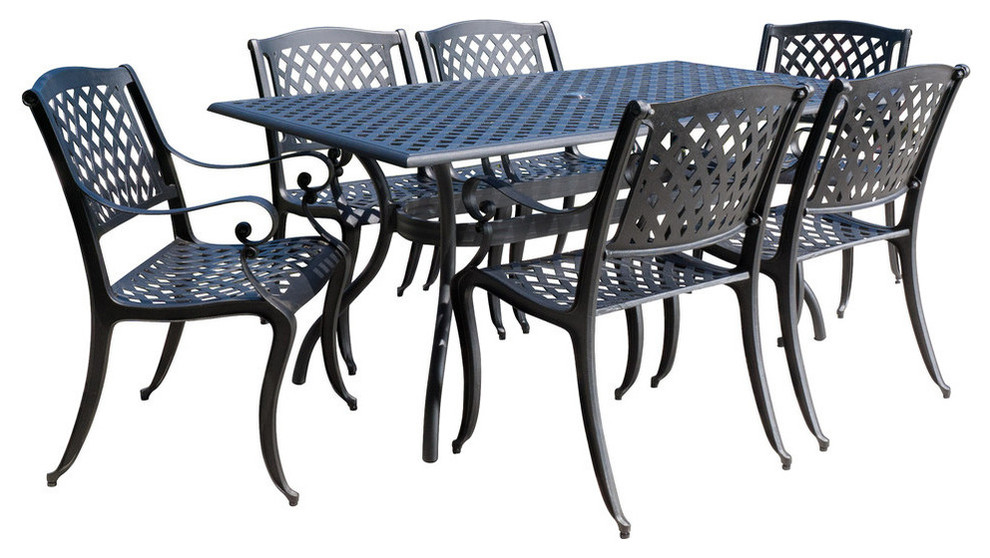
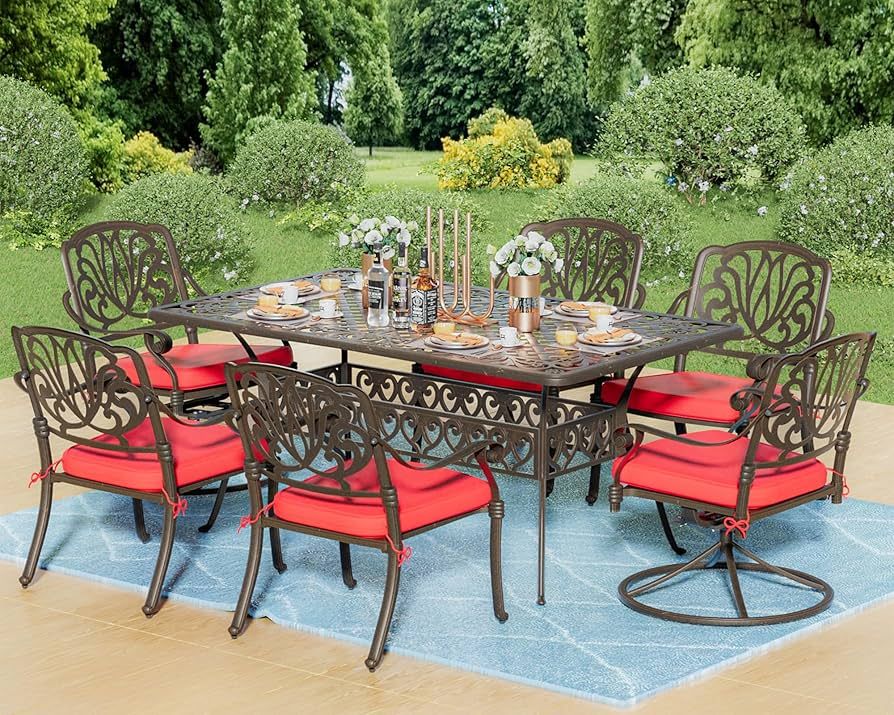
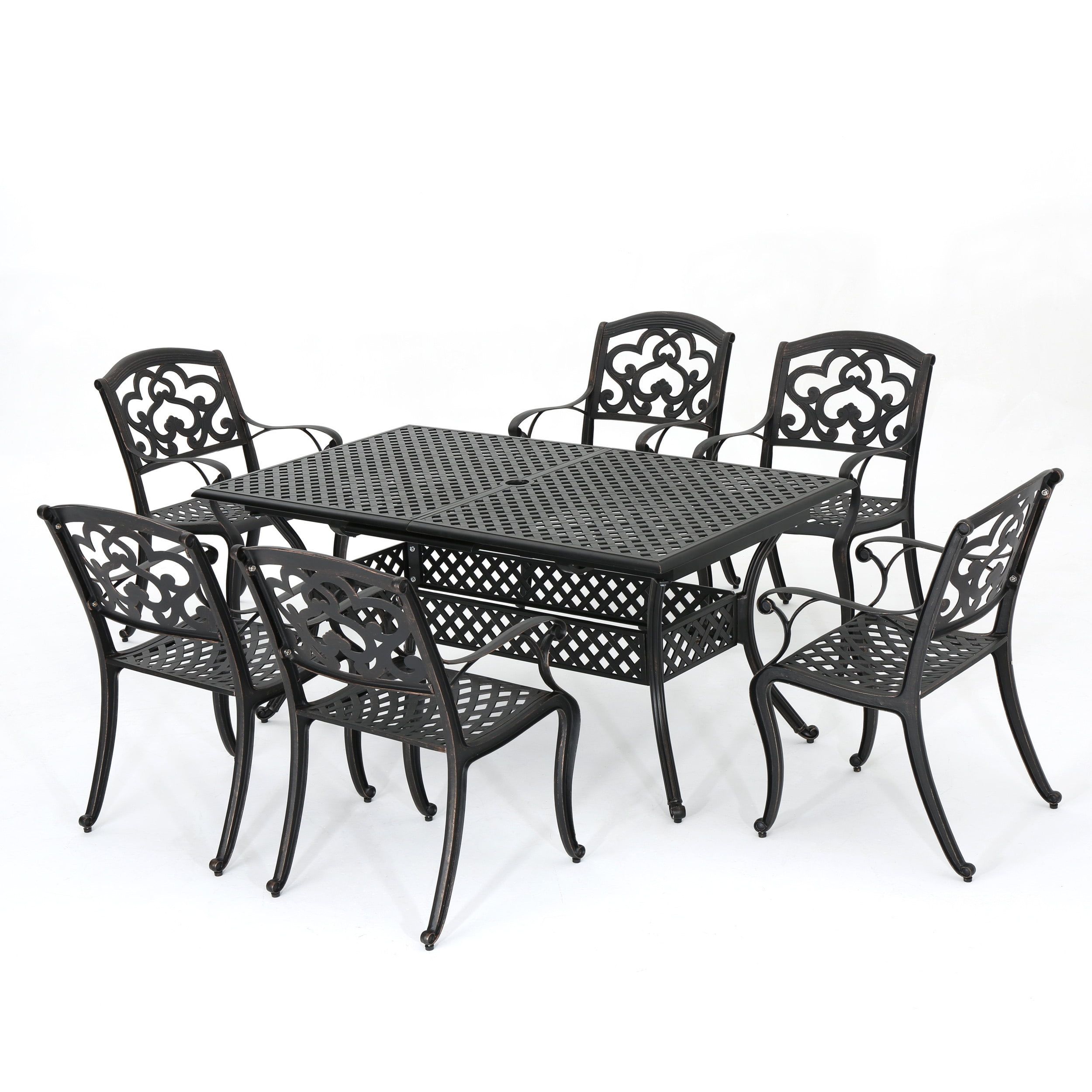
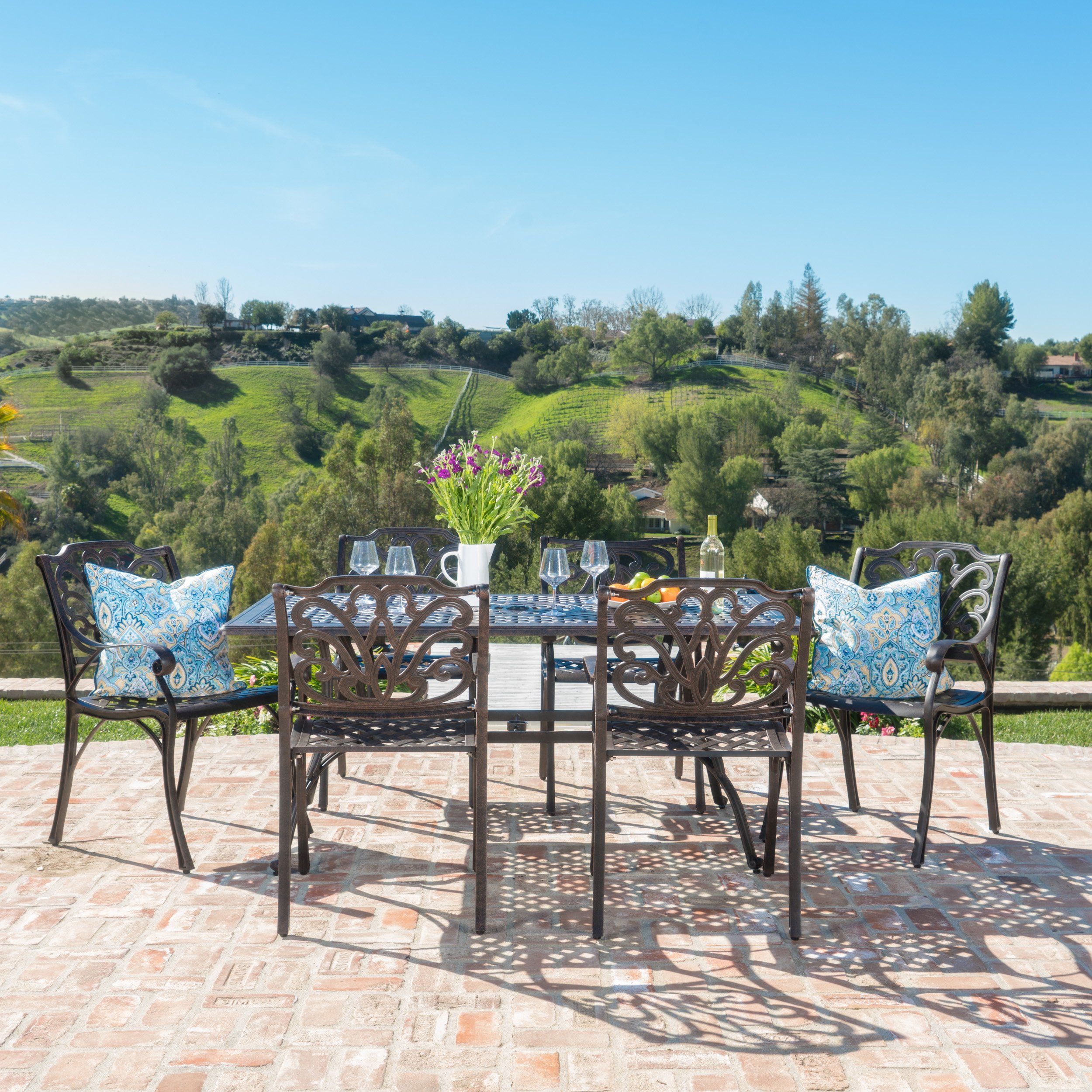
Aluminum stands out in the outdoor furniture game because it simply won’t rust like steel or iron. That’s right – no more worrying about those unsightly brown spots or weakening frames. Aluminum naturally forms a protective oxide layer when exposed to air and moisture, which helps prevent further corrosion. This means your aluminum dining set could potentially last 20-30 years with proper care.
But here’s something interesting – while aluminum is resistant to rust, it’s not immune to all weather effects. It can still fade over time, especially if it’s not properly treated or coated. The good news is that modern aluminum furniture often includes UV-resistant finishes that help maintain its appearance. Plus, aluminum is incredibly lightweight, making it easy to move around when seasons change or you want to rearrange your space.
Think about it this way: if you’ve got a wooden table that needs annual sealing and re-staining, aluminum might be your answer for less maintenance work.
Wood: The Classic Choice with Its Own Challenges
Wood has been the go-to material for outdoor dining for generations. There’s something timeless about the warmth and natural beauty of teak, cedar, or pine. But let’s talk reality here. Wood is vulnerable to moisture, insects, and temperature changes.
Teak is often considered the gold standard among woods for outdoor use, thanks to its natural oils that resist water damage. However, even teak requires regular maintenance – typically annual cleaning and oiling. Without this upkeep, you’ll see warping, cracking, and fading within a few years.
Cedar and pine are more budget-friendly options, but they’ll need more frequent attention. They can swell and shrink with humidity changes, leading to gaps in joints and structural issues. On average, well-maintained wooden outdoor dining sets last 10-15 years before needing significant repairs or replacement.
The appeal of wood is undeniable, but the maintenance burden can be higher than many people expect.
Plastic: The Low-Maintenance Option
Plastic outdoor dining sets have exploded in popularity, mostly because they require minimal upkeep. They’re affordable, come in vibrant colors, and don’t need special treatments or sealers. Many plastic sets are made from recycled materials, which appeals to environmentally conscious buyers.
However, plastic isn’t the sturdiest option. It can become brittle over time, especially in extreme temperatures. UV exposure causes most plastics to fade quickly, turning from bright colors to a dingy grayish-white. Some plastic chairs may crack or break after a few years of regular use.
The longevity of plastic outdoor dining depends heavily on quality. Cheaper options might only last 5-7 years, while higher-end plastic sets can reach 10-15 years with proper care. If you’re looking for something that’s going to stay put and look good for years, plastic might not be your best bet.
Steel: Strength But Not Always Durability
Steel outdoor dining sets offer impressive strength and stability. They can handle heavy use and don’t warp like some other materials. But here’s the catch: steel is prone to rust when exposed to moisture and oxygen.
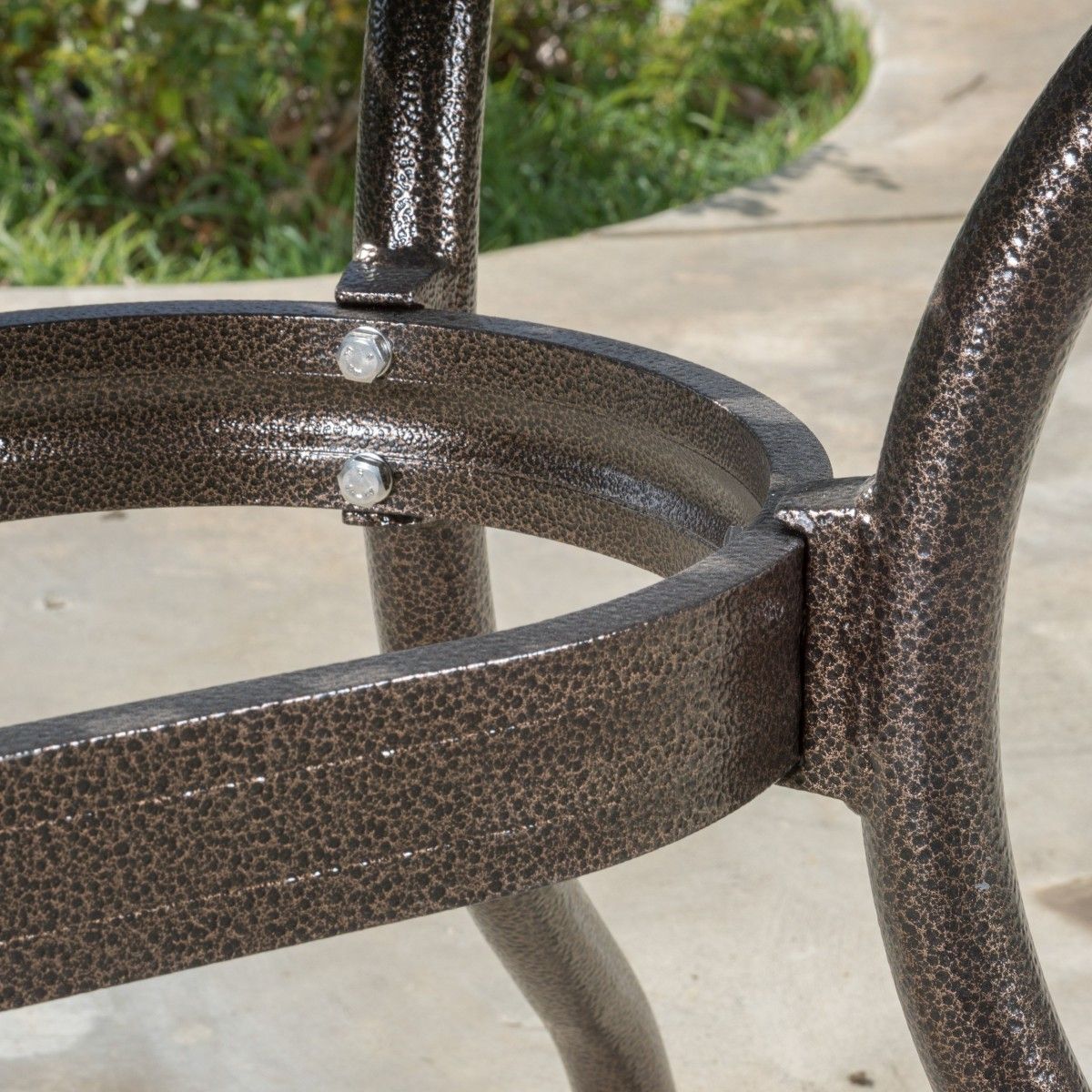
To combat rust, steel furniture usually gets a protective coating or galvanization process. Even then, rust spots can appear over time, especially in areas where the coating wears off. These spots can spread and weaken the structure if not addressed promptly.
Steel furniture tends to be heavier than aluminum or plastic, which can make moving it around difficult. It also conducts heat and cold, so it can become uncomfortably hot in summer or icy in winter. Most steel dining sets last 10-20 years if properly maintained and protected from moisture.
For those who prioritize strength over longevity, steel can work, but it demands more attention than other materials.
Composite Materials: The New Hybrid Option
Composite materials combine the benefits of multiple substances to create something stronger than the sum of its parts. These often blend wood fibers with plastic polymers or other synthetic materials.
Composite outdoor dining sets are designed to mimic the look of wood while offering better resistance to moisture and insects. They don’t require staining or sealing like traditional wood, and they’re less likely to warp or crack. Many composites also resist fading better than standard plastics.
However, composite materials aren’t perfect either. They can still be affected by extreme weather conditions, and some lower-quality options may show signs of wear faster than expected. The price point is typically higher than basic plastic but lower than premium wood or aluminum.
A typical composite dining set lasts 15-25 years with reasonable care, making it a solid middle-ground choice for those wanting low maintenance with good longevity.
Real-World Testing: What People Actually Experience
Let’s talk about what happens in real life, not just theory. Survey data shows that most people who own outdoor dining furniture use it regularly throughout the year. Here’s what we’ve learned from actual user experiences:
• Aluminum sets are consistently rated highest for long-term durability by users who’ve had them for more than 10 years
• Wooden sets tend to be replaced after 8-12 years, with many owners reporting ongoing maintenance hassles
• Plastic sets often fail within 5-7 years, particularly in areas with intense sun exposure
• Steel sets typically last 10-15 years, but only if owners take steps to prevent rust
• Composite materials show promise but vary significantly based on brand and construction quality
One homeowner shared how their aluminum dining set has lasted 18 years with just a few touch-ups. Another mentioned how their cedar table started splitting after just 6 years. These stories show that material choice matters, but so does usage and care.
So which outdoor dining material wins the longevity contest? Aluminum emerges as the clear winner for most people seeking a balance between durability, low maintenance, and reasonable cost. While wood offers classic beauty, it requires ongoing care that many don’t want to deal with. Plastic provides convenience but lacks long-term strength. Steel delivers power but struggles with rust. Composite materials offer a compromise, though they come with their own limitations.
The truth is, every material has its place. If you’re after maximum lifespan with minimal fuss, aluminum is hard to beat. But if you’re willing to invest time in maintenance for a more traditional look, wood might still be worth considering. The key is matching your lifestyle to your choice. What matters most to you – the appearance, the ease of care, or the number of years you want your furniture to last? That’s what should guide your decision. After all, your outdoor dining experience should enhance your life, not complicate it.