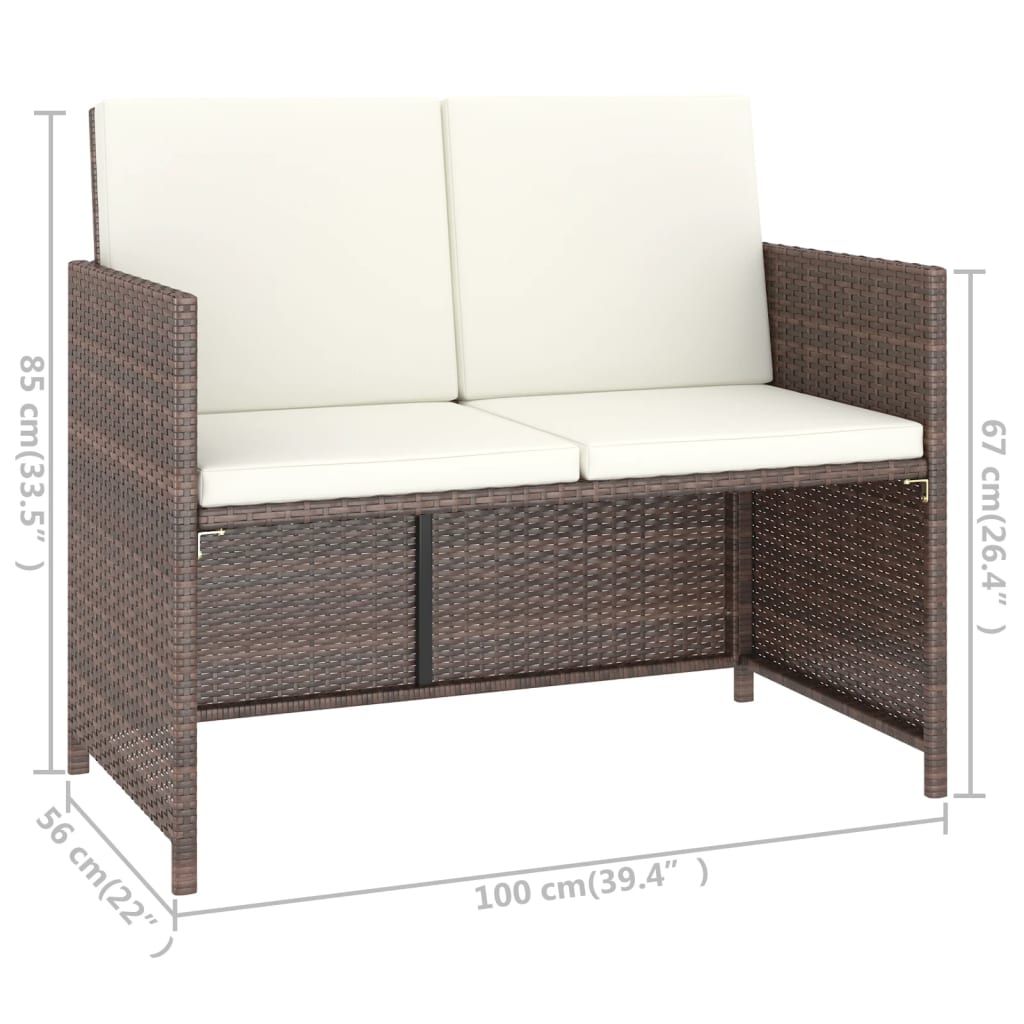
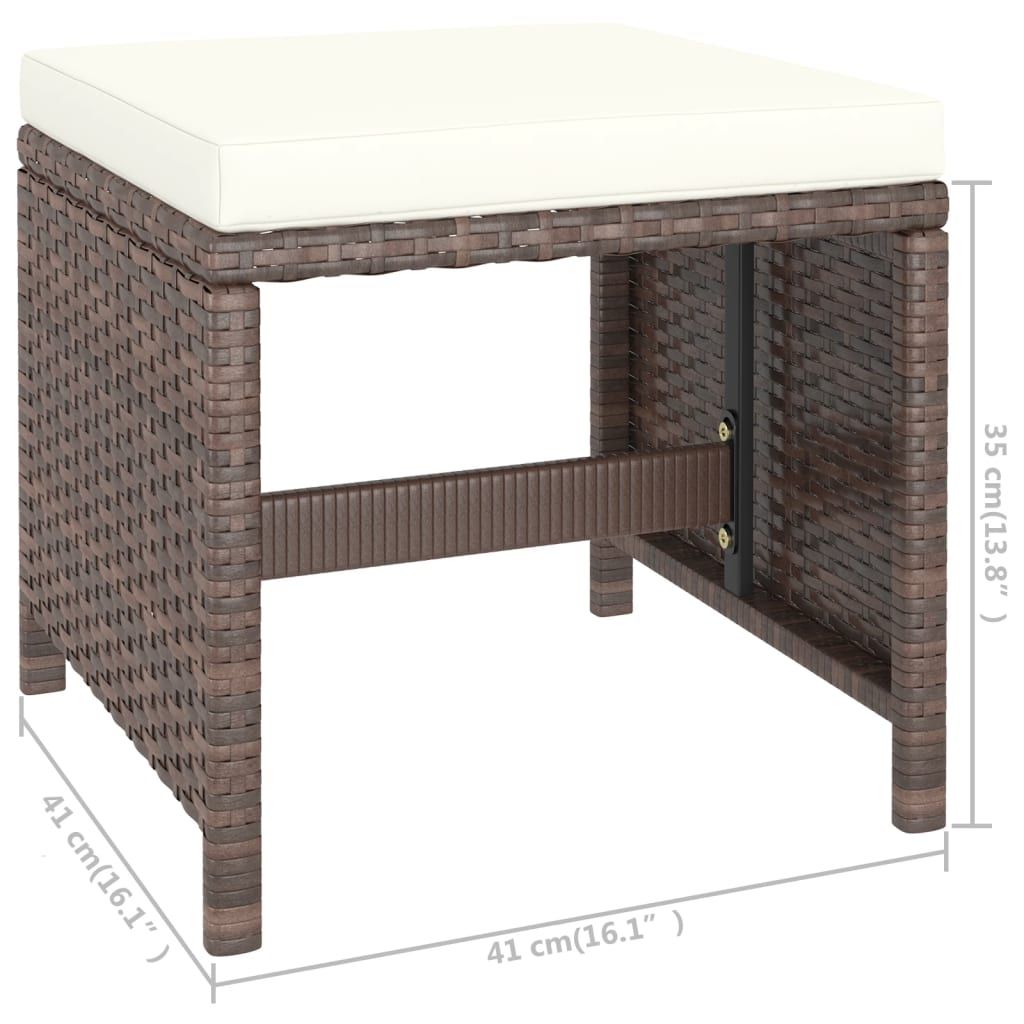
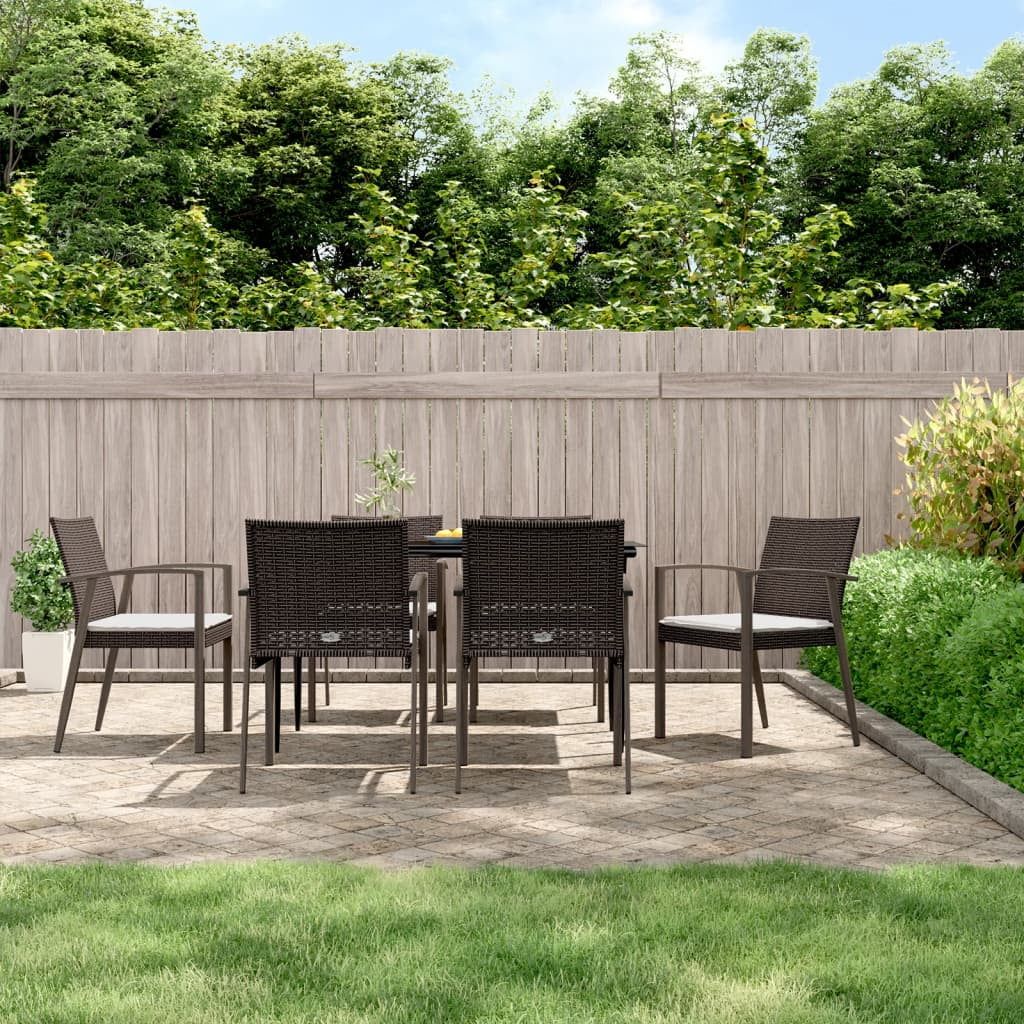
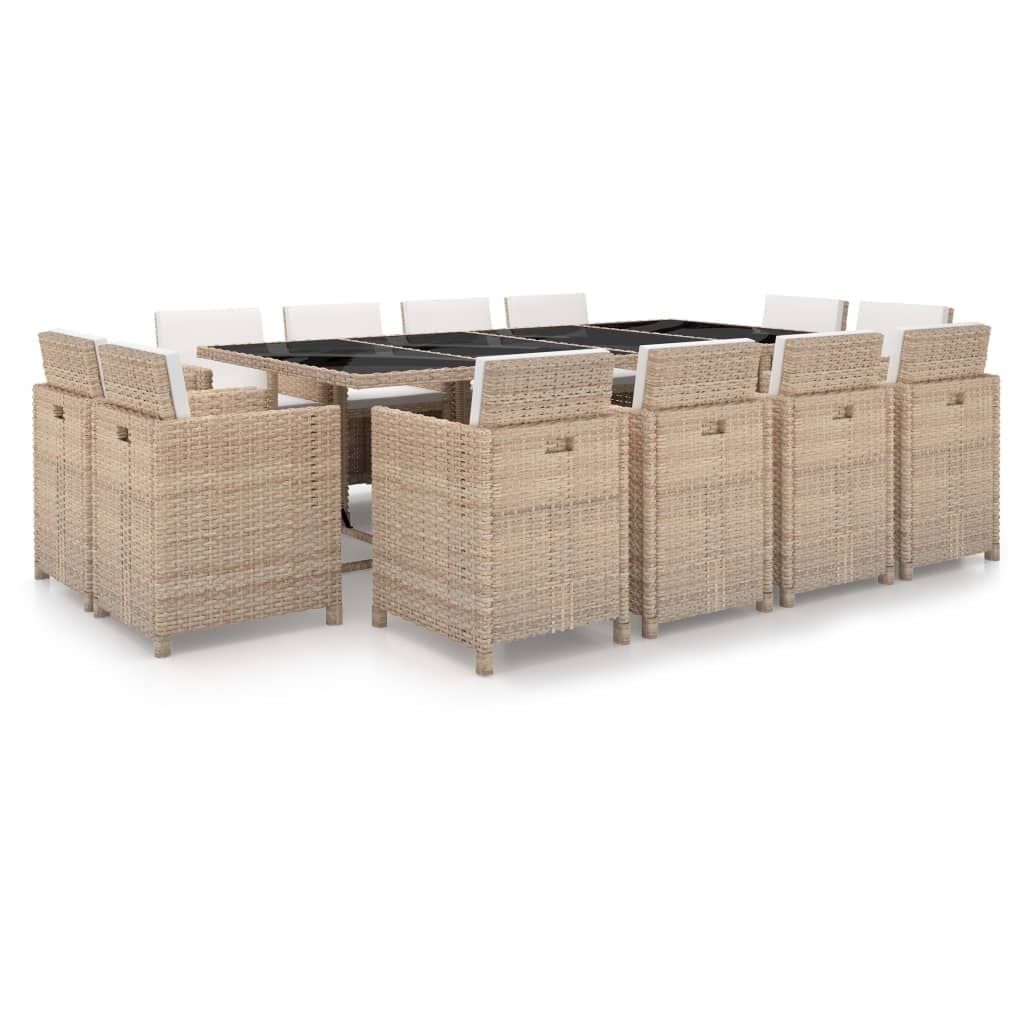
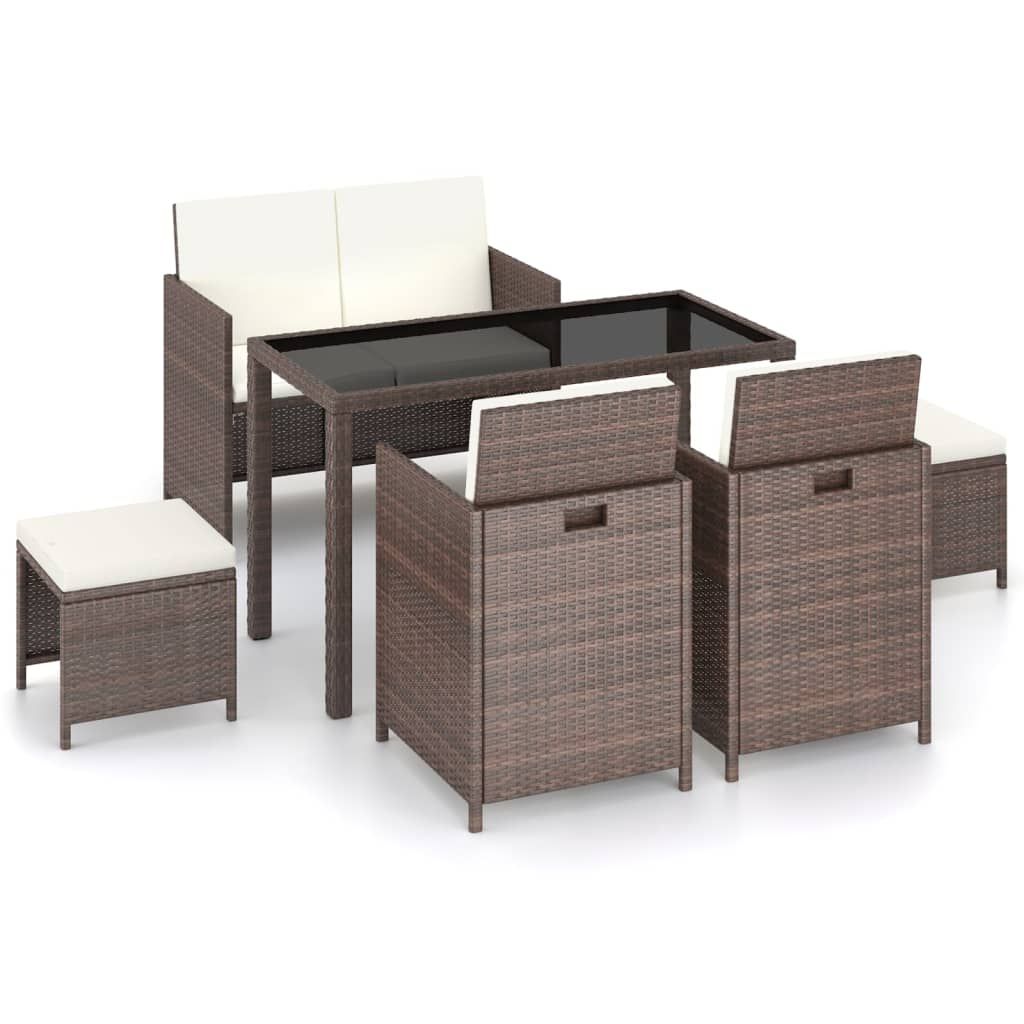
Picture this: you’ve finally invested in beautiful poly rattan outdoor furniture for your patio or garden. You’re excited to entertain guests, enjoy morning coffee, and relax in comfort. But then you wonder – how long will it really last? What does it take to keep it looking fresh year after year? These questions aren’t just theoretical. They’re the same ones countless homeowners ask when they decide to bring the elegance of rattan indoors and out.
When we think about outdoor furniture, the first thing that comes to mind is often weathered wood or rusted metal. But poly rattan has changed everything. This synthetic marvel combines the aesthetic appeal of traditional rattan with incredible resilience against the elements. It’s not just about looks though – understanding how to care for it properly means you’ll get maximum value from your investment. The secret isn’t just in buying quality pieces, but in knowing how to protect them from the daily wear and tear they face.
What Makes Poly Rattan So Durable?
Poly rattan, also known as synthetic rattan or PE rattan, is made from high-density polyethylene (HDPE) resin. Think of it as plastic that’s been specially engineered to mimic the look and feel of natural rattan. This material stands up incredibly well to sun exposure, moisture, and temperature changes that would destroy regular outdoor materials.
The magic happens at the molecular level. HDPE creates a tight molecular structure that resists UV degradation better than most plastics. That’s why your poly rattan furniture won’t fade like old fabric or warp like wood. It’s like giving your furniture a protective shield that keeps it looking brand new.
Real-world tests show that quality poly rattan can handle 20+ years of outdoor exposure without significant deterioration. When you compare this to traditional wicker that might only last 5-7 years, the longevity difference is striking. The key lies in choosing the right grade of material and understanding its limitations.
Factors That Impact Longevity
Several factors determine how long your poly rattan furniture will last:
• Quality of materials used
• Manufacturing process and finish
• Exposure to harsh weather conditions
• Regular maintenance routine
• Usage patterns and weight distribution
Let’s talk about quality. Not all poly rattan is created equal. Some manufacturers use recycled materials or cheaper resins that break down faster. High-quality pieces typically use virgin HDPE, which gives them superior strength and color retention. You can often tell the difference by feeling the material – premium pieces have a smoother texture and more consistent coloring.
Weather exposure plays a major role too. If your furniture sits under direct sunlight all day, it will experience more stress than if it’s shaded during peak hours. Similarly, areas with salt air near oceans or heavy snowfall regions require extra attention. The key insight here is that no material is completely immune to environmental stressors, but proper selection makes all the difference.
Essential Maintenance Practices
Taking care of your poly rattan furniture doesn’t require a full-time gardener or expensive treatments. Here are the simple practices that make all the difference:
• Regular cleaning with mild soap and water
• Checking for loose or damaged components
• Proper storage during extreme weather
• Addressing stains immediately
• Annual inspection for signs of wear
The beauty of poly rattan is that it’s forgiving. Unlike wood that needs sealing or metal that rusts, it simply requires occasional cleaning. A quick rinse with a garden hose every few weeks keeps it looking fresh. For deeper cleaning, mix gentle dish soap with water and use a soft brush to remove dirt buildup.
Some people worry about fading, but modern poly rattan is designed to resist color changes. However, if you notice any discoloration, it’s usually a sign of accumulated grime rather than actual material breakdown. Quick cleaning prevents this issue entirely.
One common mistake is leaving furniture uncovered during winter months. While the material itself handles cold well, covering it protects against debris and helps maintain its appearance.
Seasonal Care Considerations
Each season brings unique challenges for outdoor furniture care:
Spring: Clean and inspect thoroughly before bringing furniture outdoors
Summer: Monitor for heat damage and UV effects
Fall: Prepare for winter storage or protection
Winter: Protect from freezing temperatures and ice damage
Spring cleaning should be thorough. Remove any debris that accumulated over winter, check for cracks or weak spots, and clean everything properly. This sets the foundation for another good year.
During summer, pay attention to how direct sunlight affects different colors. Darker shades tend to absorb more heat and may show slight warping if left in intense sun too long. Lighter colors reflect better and generally hold up better in hot climates.
Fall brings the decision time for storage. If you live in a region with harsh winters, storing furniture indoors is ideal. Otherwise, using covers and keeping it away from standing water helps maintain condition.
Winter care focuses on protecting against freeze-thaw cycles that can cause expansion and contraction issues. Even though poly rattan handles cold well, physical protection prevents accidental damage from ice or falling branches.
Common Problems and Solutions
Despite its durability, poly rattan furniture can develop issues over time. Here are the most frequent problems and how to address them:
• Color fading from prolonged sun exposure
• Staining from spills or bird droppings
• Loose or broken connections between components
• Accumulation of mold or mildew
• Cracking or splitting in extreme conditions
Color fading is often misunderstood. Many people assume it’s permanent, but it’s usually just surface discoloration from UV exposure. This can often be reversed with gentle cleaning or specialized restoration products. The key is prevention through proper positioning and regular maintenance.
Stains are easily managed with prompt action. Spills should be cleaned within minutes to prevent penetration. Bird droppings, while messy, are rarely permanent if removed quickly. A simple solution of mild soap and water usually resolves the issue.
Loose connections happen most often with chairs or seating that see heavy use. Regular checks and tightening of screws or joints prevent small issues from becoming major problems. Most furniture comes with repair kits or spare parts, making these fixes straightforward.
Mold and mildew are concerns mainly in humid environments or areas with poor drainage. Regular cleaning and ensuring proper ventilation prevent these issues. If they do appear, a mixture of bleach and water can effectively treat affected areas.
Cost-Benefit Analysis of Quality Investment
When considering poly rattan furniture, it’s worth examining the long-term value proposition:
• Initial purchase price vs. replacement costs
• Time investment in maintenance
• Durability compared to alternatives
• Resale value and longevity
Quality poly rattan furniture may cost more upfront, but it often pays for itself through reduced replacement frequency. A set of dining chairs that cost $500 might need replacing every 5 years with lower-grade materials. In contrast, high-quality pieces could last 20+ years with proper care.
Consider the time factor too. Wood furniture requires annual sealing and treatment. Metal pieces need rust prevention and painting. Poly rattan requires minimal ongoing effort compared to these alternatives. The time saved on maintenance can be redirected toward enjoying your outdoor space.
Resale value is another important factor. Well-maintained poly rattan furniture holds its value much better than traditional alternatives. Buyers appreciate the low maintenance and long lifespan, making it a smart investment for both current enjoyment and future resale.
The numbers speak for themselves. Over a 20-year period, a $1,000 investment in quality poly rattan furniture costs roughly $50 per year, while inferior alternatives might cost $150-200 annually in replacements and repairs.
Poly rattan outdoor furniture represents a smart choice for anyone wanting durable, attractive outdoor living spaces without the hassle of constant maintenance. The key to maximizing its potential lies in understanding what makes it special and treating it with the care it deserves. Whether you’re setting up your first outdoor dining area or upgrading existing furniture, remember that this material was designed to be a long-term investment in your lifestyle.
Don’t let the fear of maintenance stop you from enjoying the benefits of poly rattan. With basic care and attention, these pieces will provide years of reliable service. They’re not just furniture – they’re a commitment to creating lasting outdoor experiences that you and your family can enjoy together for decades. The investment in quality and proper care ensures that your poly rattan furniture becomes a cornerstone of your outdoor living rather than a temporary solution.