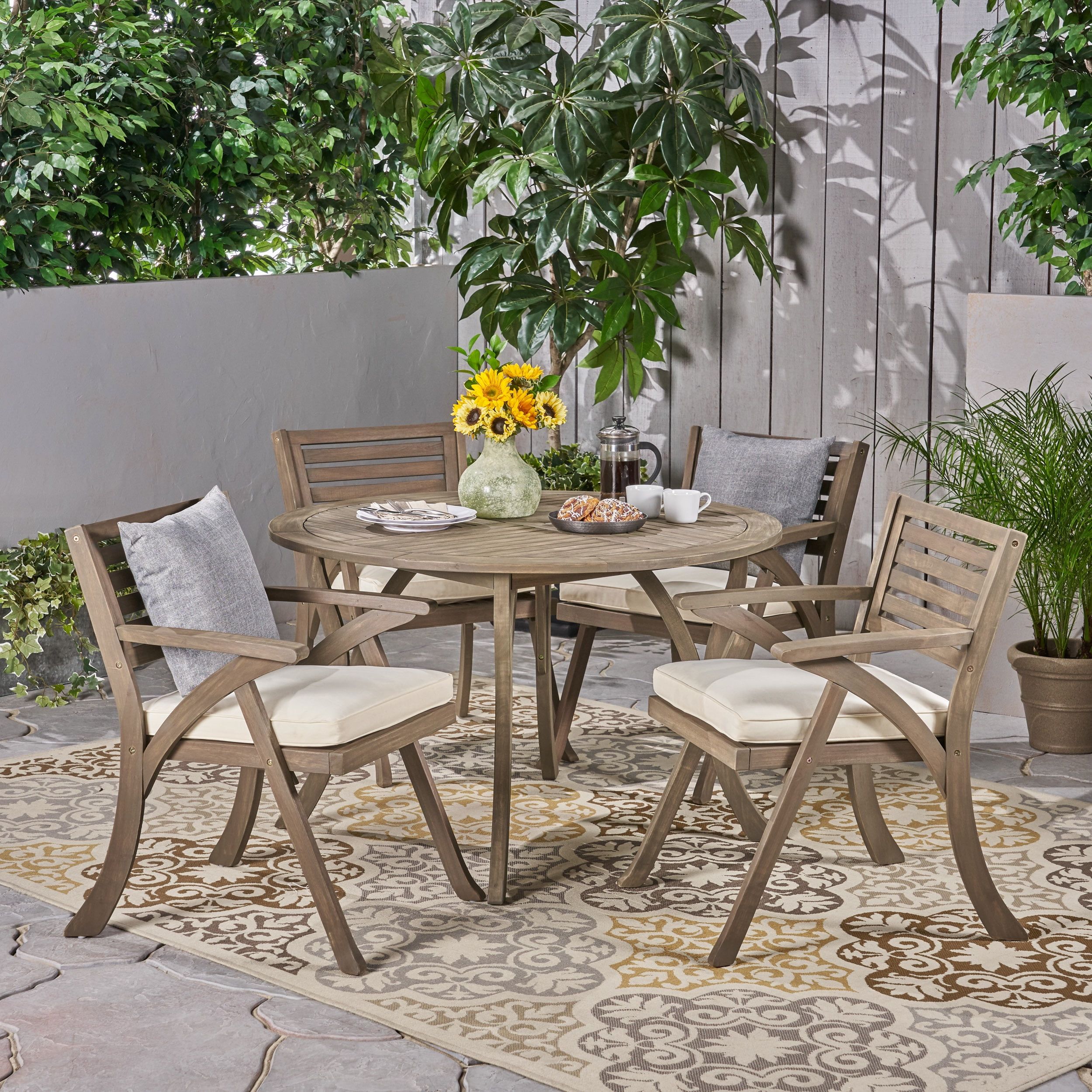
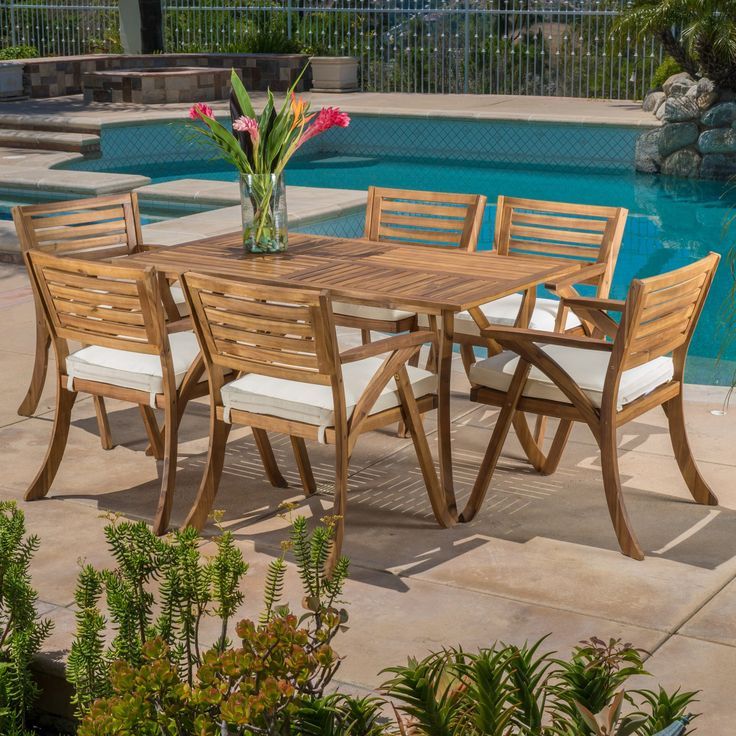
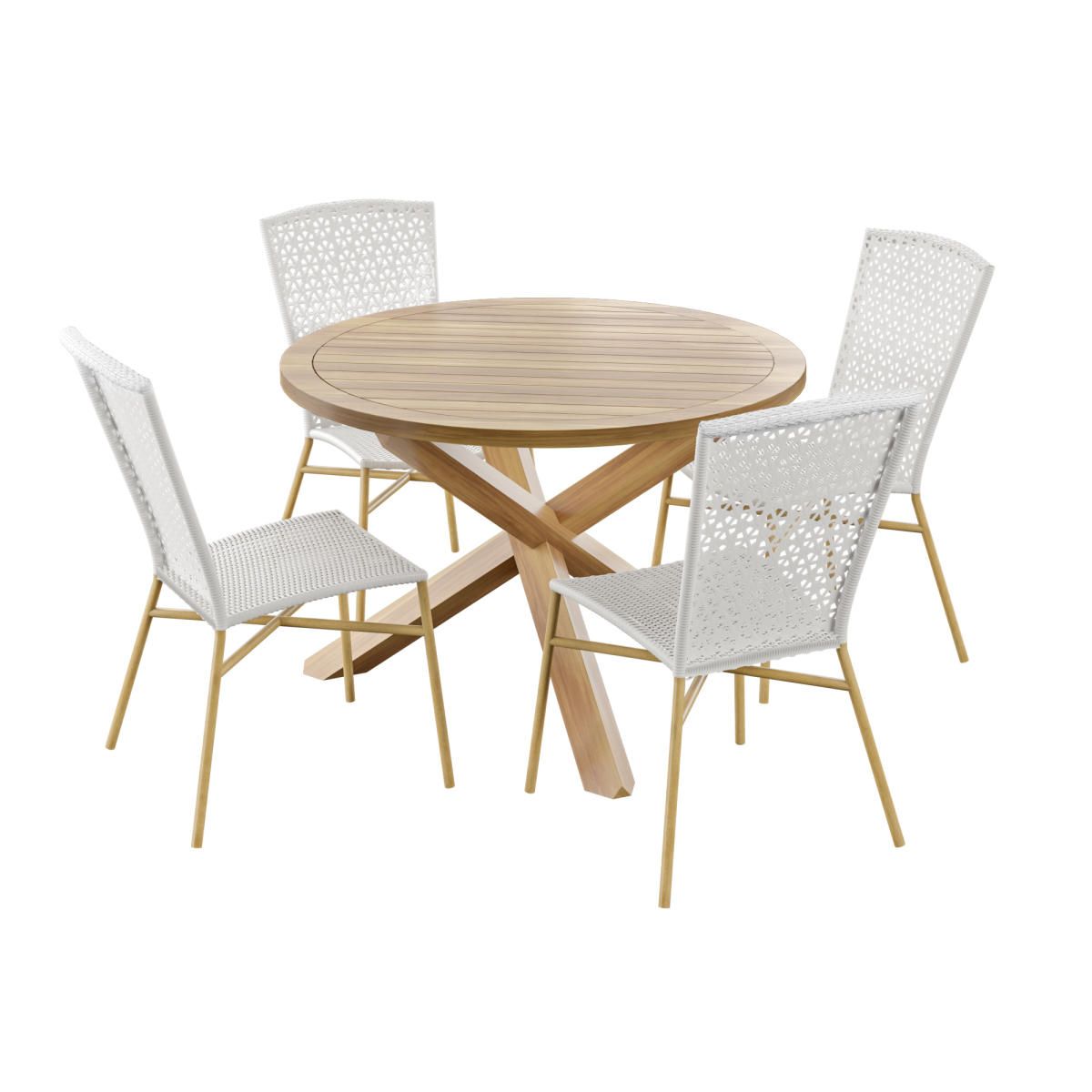
There’s something deeply satisfying about stepping outside and feeling the warmth of natural wood beneath your feet, or seeing the gentle grain patterns of timber catching the sunlight. The right outdoor space can feel like a cozy extension of your home, and when you incorporate natural wood elements thoughtfully, it creates a seamless connection between indoors and out. Whether you’re building from scratch or refreshing an existing area, understanding how to work with wood aesthetics can transform your outdoor environment into a truly special place.
Outdoor living spaces have evolved far beyond simple patios or decks. Today’s homeowners want their outdoor areas to feel like natural extensions of their homes, places where they can relax, entertain, and reconnect with nature. Wood, with its timeless appeal and organic beauty, stands out as one of the most versatile and beloved materials for achieving this effect. From rustic cabins to modern minimalist designs, natural wood brings warmth and character that synthetic alternatives simply cannot match. But designing with wood isn’t just about picking a pretty shade – it’s about understanding how different types of timber interact with light, weather, and lifestyle needs.
Choosing the Right Wood Types for Outdoor Spaces
Not all woods are created equal when it comes to outdoor applications. Some varieties naturally resist rot, insects, and weather damage better than others, making them ideal choices for long-term outdoor projects. Cedar, teak, and redwood are often praised for their natural durability, while pressure-treated lumber offers cost-effective solutions for those on a budget. Pine and fir might seem attractive due to their affordability, but they require more maintenance and won’t last as long outdoors. Consider the climate in your area too – tropical hardwoods may thrive in humid conditions, while softer woods might struggle in harsh winters. The grain pattern, color variations, and overall texture of each wood type will also influence how it looks in your specific setting. For instance, the rich, dark tones of mahogany can add sophistication to a formal backyard, while the lighter, more casual appearance of pine works well in casual, family-oriented spaces.
Understanding Wood Grain and Natural Patterns
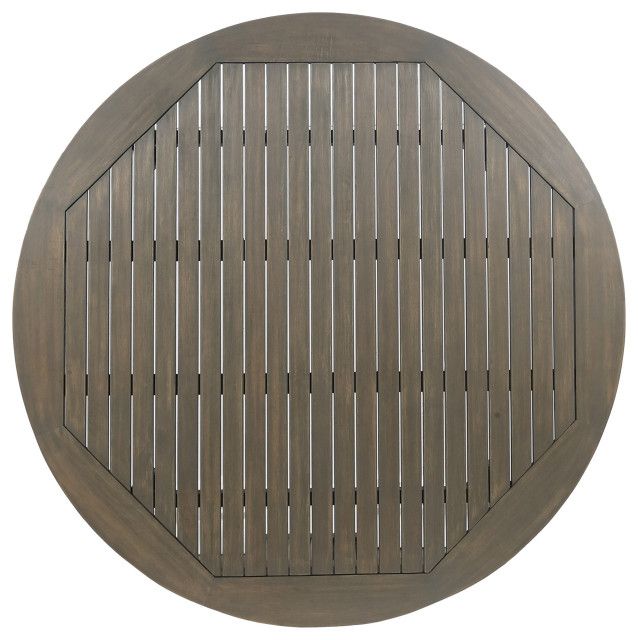
One of the most captivating aspects of using natural wood is how each piece tells its own story through grain patterns and natural characteristics. These unique features aren’t flaws to be hidden – they’re assets that add personality and charm to any outdoor space. The way light plays across different grain directions can dramatically change how a wooden deck or fence appears throughout the day. Some woods display straight, uniform grain patterns that create a clean, contemporary look, while others showcase wild, swirling patterns that feel more organic and rustic. When selecting materials, consider how these natural patterns will complement or contrast with other design elements. For example, a smooth, even-grained deck board might pair beautifully with the rough, textured bark of a nearby tree, creating visual balance and interest. Don’t overlook the importance of wood color variations either – some woods will lighten over time, while others deepen, creating a dynamic evolution of your outdoor space.
Weather Resistance and Longevity Planning
Outdoor wood projects face constant challenges from sun, rain, wind, and temperature fluctuations. Understanding how different woods respond to these elements is crucial for planning a long-lasting design. Some woods naturally contain oils and tannins that provide protection against decay and insect damage. Teak, for instance, contains silica that makes it highly resistant to moisture and insects, while cedar’s natural oils help repel bugs and prevent rot. However, even the most durable woods benefit from proper maintenance and treatment. Regular cleaning, sealing, and staining can extend their life significantly. Think about the maintenance you’re willing to commit to – a cedar fence might require annual treatment, while a properly maintained teak deck could last decades with minimal upkeep. Consider your lifestyle and how much time you want to invest in maintaining your outdoor wood features.
Integrating Wood With Other Materials
The magic happens when wood works harmoniously with other materials in your outdoor space. Combining wood with stone, concrete, metal, or plants can create stunning visual effects and functional benefits. For example, pairing wooden decking with stone pavers can offer both comfort and durability, while metal accents can add industrial flair to a rustic wood design. The contrast between warm wood tones and cool stone or concrete creates visual interest that keeps the eye moving around the space. Using wood alongside plants adds another dimension of natural beauty – consider wooden planters that complement your main structure, or wood accents that frame garden beds. This approach helps create layers of texture and interest, preventing any single material from dominating the entire space. Think about how each element contributes to the overall mood and function of your outdoor area.
Practical Design Tips for Maximum Impact
Designing with wood successfully requires balancing aesthetics with practicality. Start with a clear vision of what you want to achieve – do you want a formal entertaining area, a casual relaxation spot, or a multi-functional space? Once you know your purpose, choose wood elements that support that function. For example, if you plan to host frequent gatherings, consider larger, more substantial wooden furniture pieces that can handle heavy use. If you’re focusing on relaxation, smaller, more intimate wooden elements like benches or side tables might be more appropriate. Don’t forget about safety considerations – ensure that any wooden structures meet local building codes and that surfaces are properly finished to prevent splinters or injuries. Consider how wood will age over time – some people love the weathered look that develops naturally, while others prefer to maintain a fresh appearance. Plan accordingly and select materials that align with your desired aesthetic evolution.
Maintenance and Care for Long-Term Beauty
Regular care is essential for keeping wood looking its best for years to come. This doesn’t mean a major commitment – simple monthly checks and seasonal treatments can preserve the beauty and integrity of your outdoor wood features. Clean surfaces regularly with mild soap and water to remove dirt, debris, and mildew that can accumulate. Check for signs of damage like cracks, splits, or insect activity early, before problems worsen. Apply protective treatments according to manufacturer recommendations, typically every two to three years depending on exposure and wood type. Sand lightly if needed to smooth rough spots or remove surface discoloration. Keep an eye on areas where wood meets metal or concrete, as these junctions can collect moisture and cause problems. Remember that some weathering is normal and even desirable – the gentle graying of cedar or the deepening of teak adds character rather than detracting from beauty.
Designing outdoor living spaces with natural wood aesthetics isn’t just about choosing pretty materials – it’s about creating environments that feel alive and connected to the natural world. When you thoughtfully select wood types, consider how they’ll age and interact with their surroundings, and plan for ongoing maintenance, you’re investing in spaces that will bring joy for years to come. The key is embracing wood’s natural characteristics rather than fighting against them. Let the grain patterns tell their stories, allow the colors to evolve gracefully, and remember that imperfections often become the most charming details. Whether you’re building a new deck, refreshing an old patio, or simply adding a few wooden accents to your existing space, these principles will guide you toward outdoor areas that feel both beautiful and enduring. The result is a space that invites you to linger, connect with nature, and appreciate the simple pleasure of spending time surrounded by authentic, natural materials.