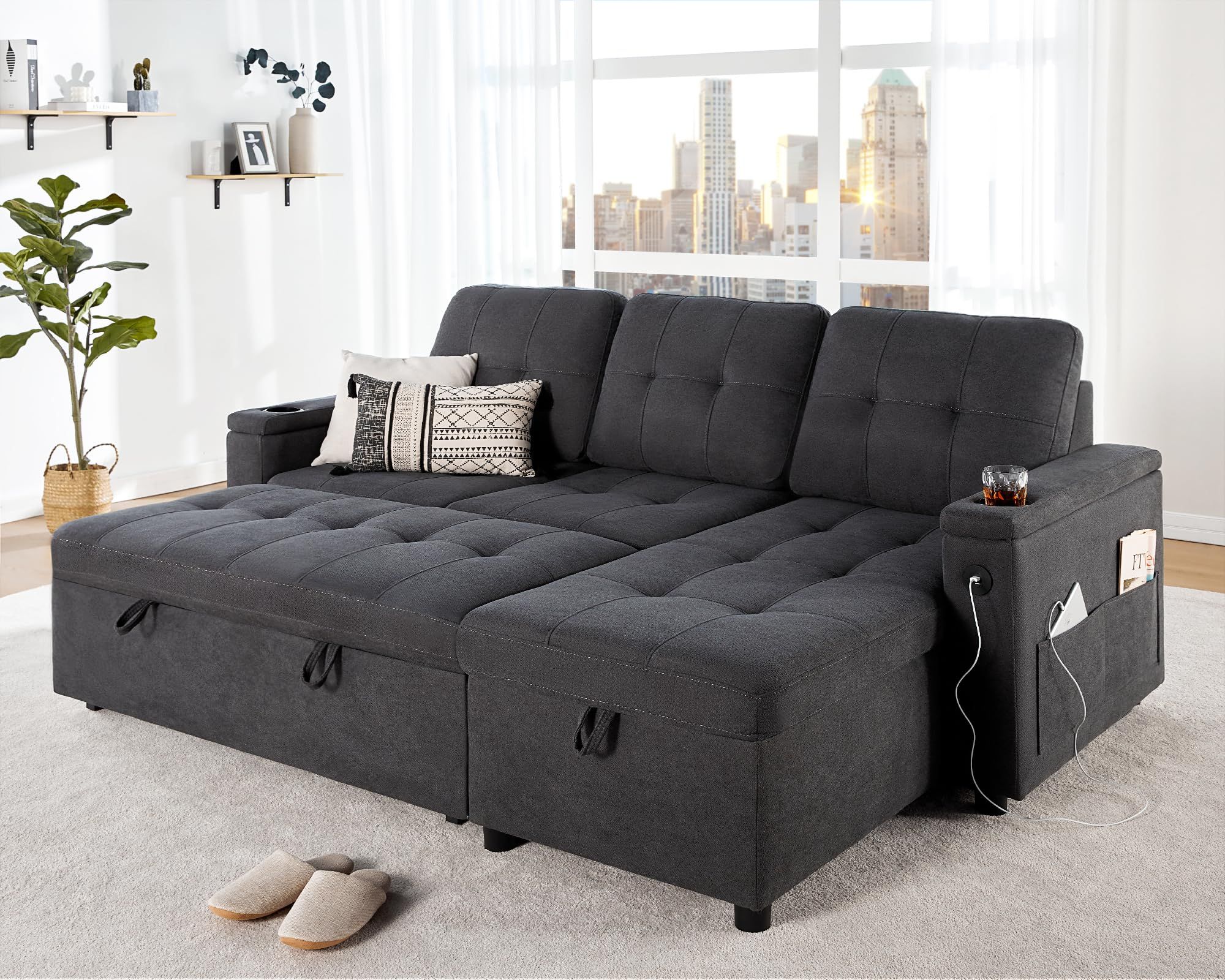
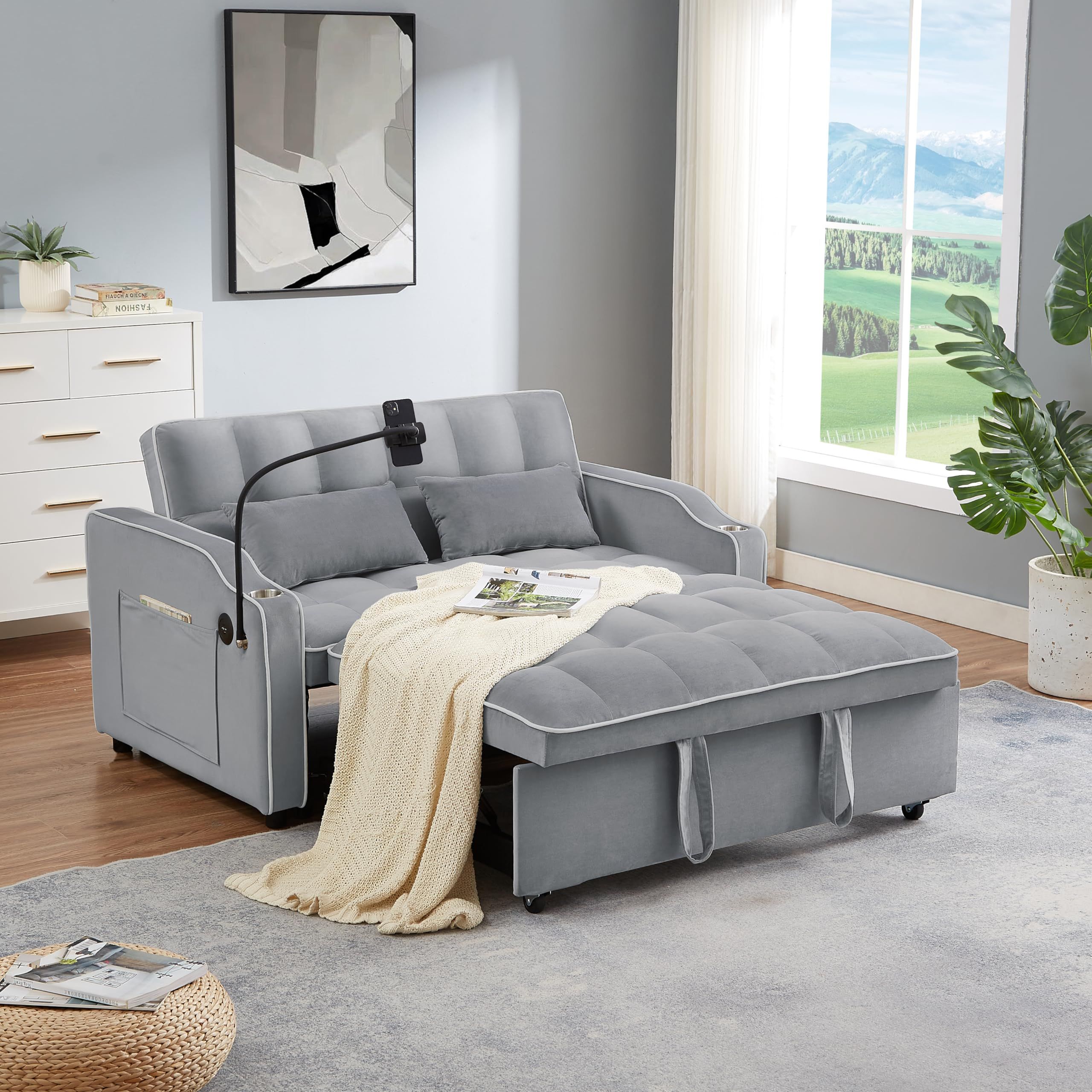
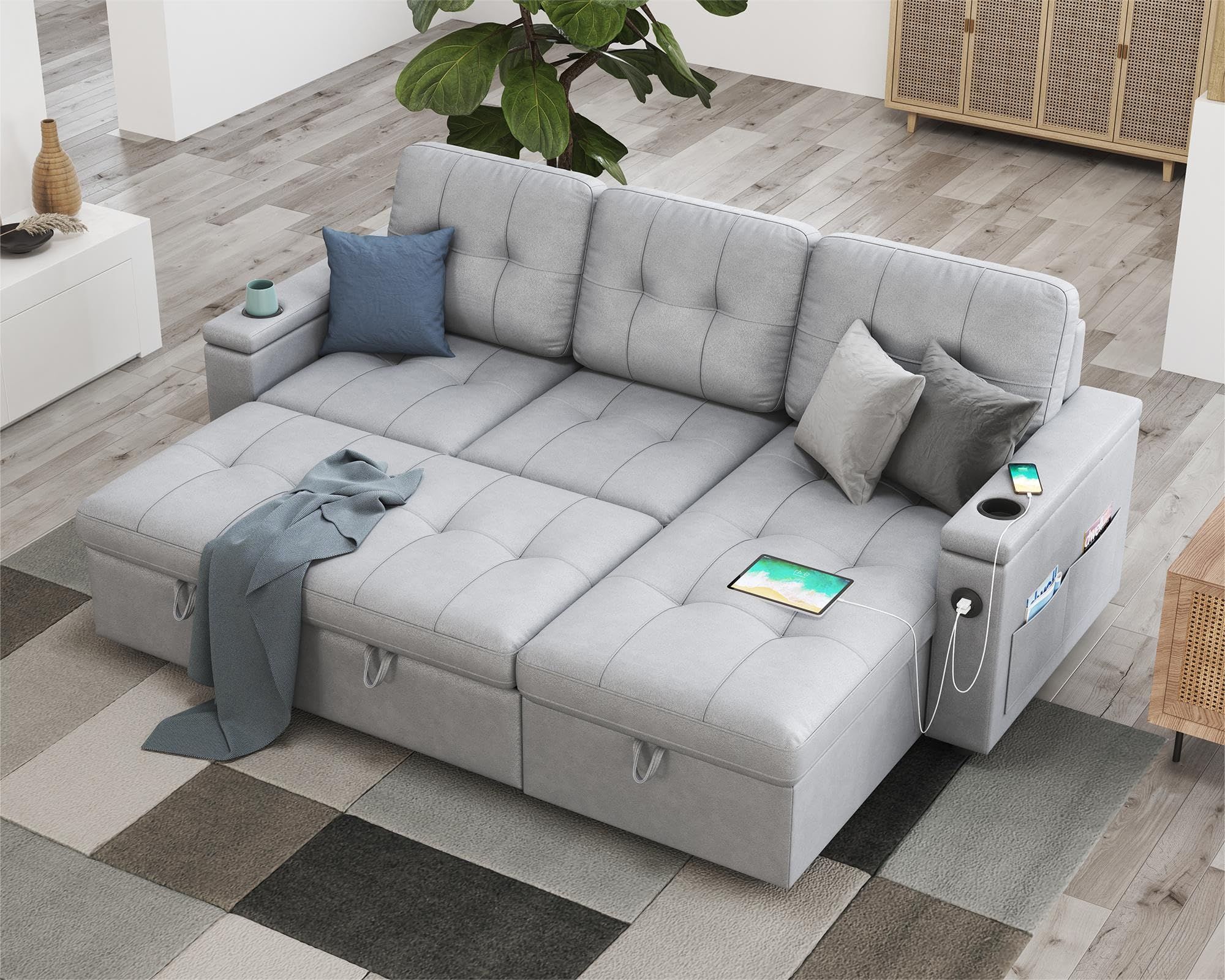
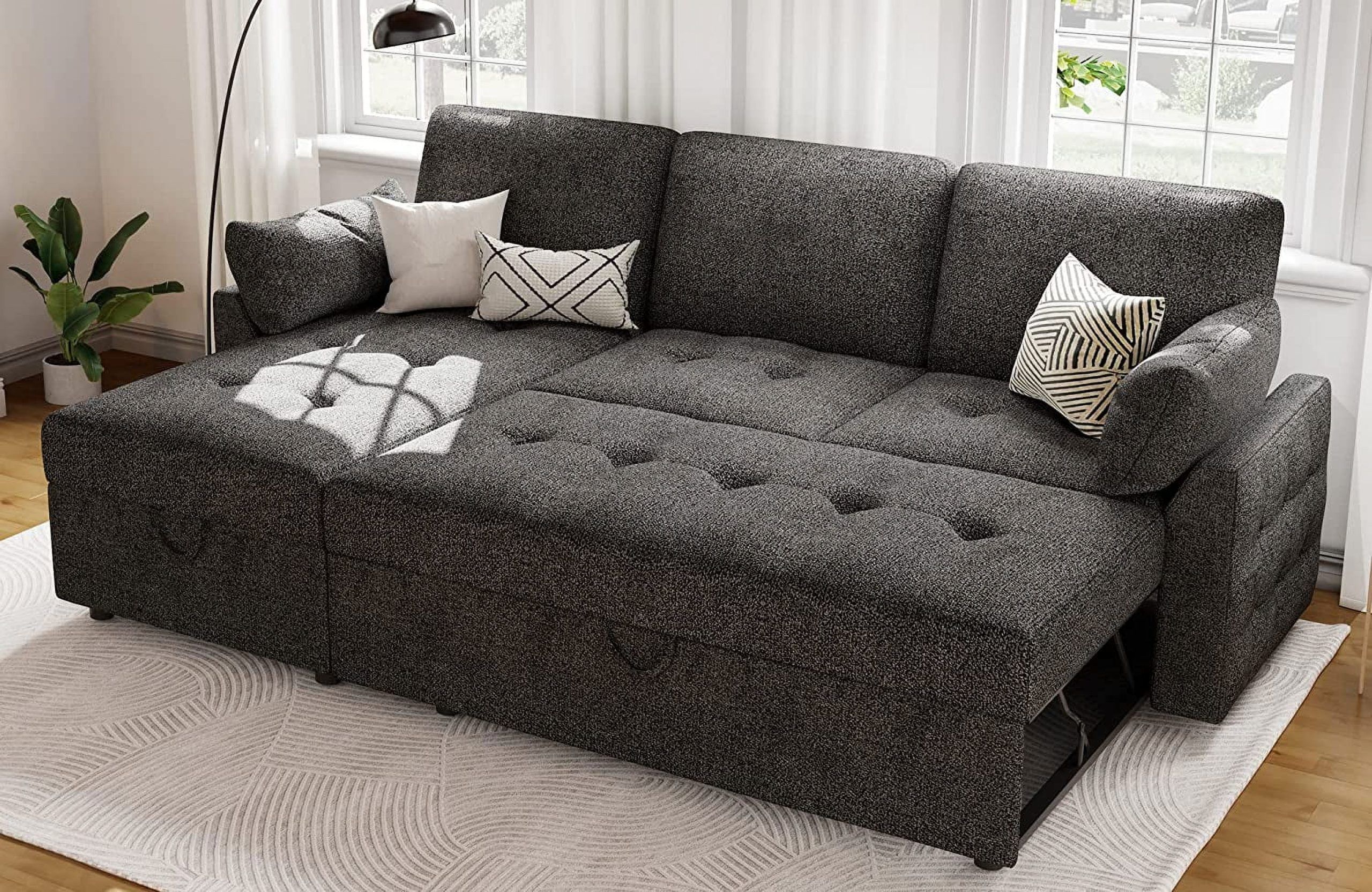
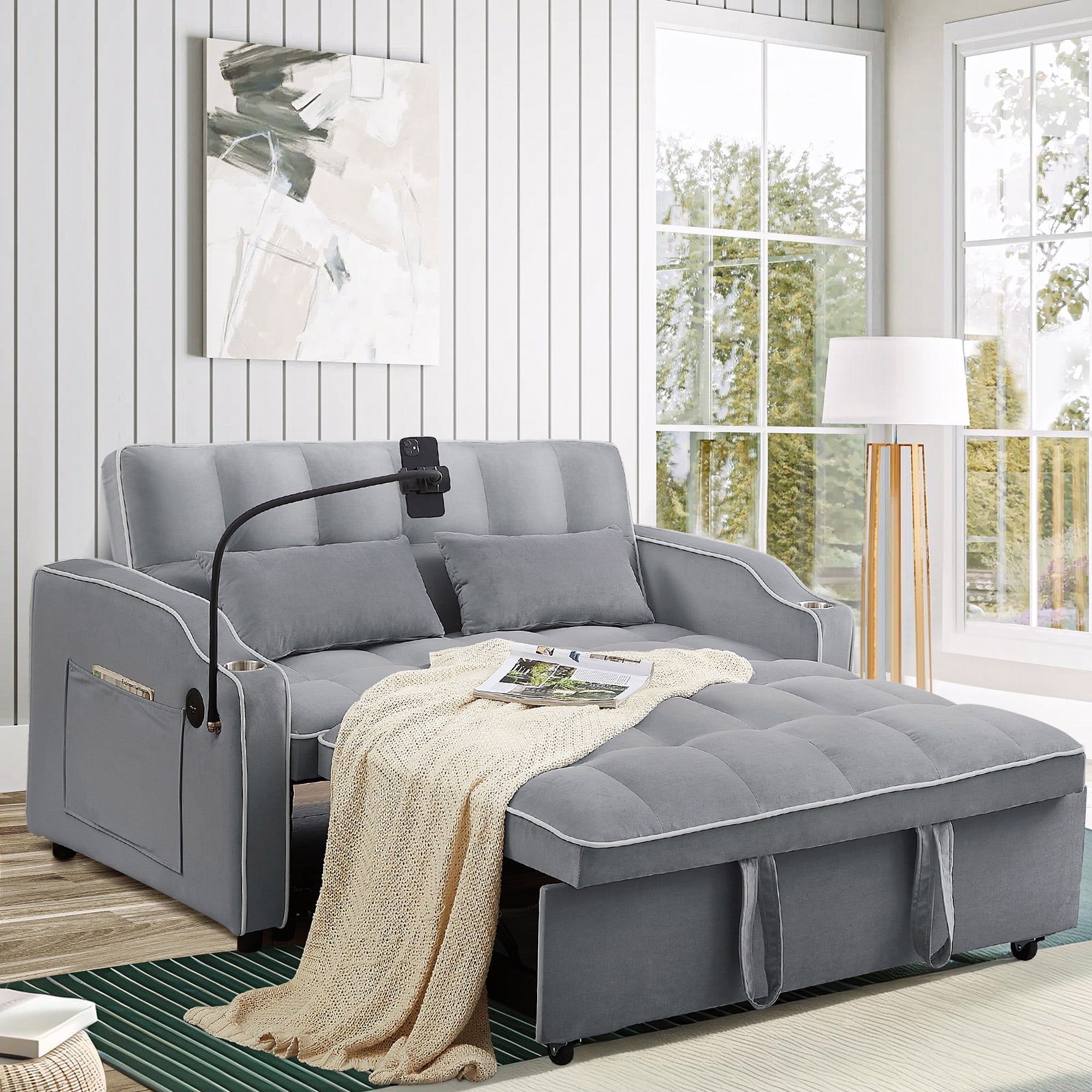
Imagine walking into a room where your couch remembers your favorite TV show, your table adjusts to your preferred height, and your chair automatically massages your back after a long day. This isn’t science fiction anymore. The furniture industry is experiencing a dramatic shift as technology seamlessly integrates into our most basic household items. What started as simple electric outlets has evolved into sophisticated systems that respond to our needs, adapt to our habits, and enhance our daily routines.
We live in an age where our phones know our schedules better than we do, where smart thermostats learn our temperature preferences, and where our homes seem to anticipate our needs. But what happens when that same intelligence moves beyond walls and into the very furniture we sit on, lie on, and interact with every single day? The answer lies in the growing field of smart furniture solutions – where traditional craftsmanship meets cutting-edge innovation. It’s not just about adding lights or speakers to your existing pieces. This is about reimagining how we interact with our physical environment, making our furniture more responsive, adaptable, and helpful than ever before. Think about it – how many times have you wished your desk could adjust to your posture, or your bed could monitor your sleep quality? These aren’t just random thoughts; they’re the exact problems that today’s smart furniture aims to solve.
What Makes Furniture Smart?
Smart furniture isn’t just about having a few electronic components attached to it. It’s about creating furniture that can sense, respond, and even learn from its environment and users. The integration of sensors, microprocessors, and connectivity features transforms ordinary pieces into intelligent companions. Let’s break down what makes furniture truly smart.
• Sensors and Feedback Systems: Modern smart furniture often includes pressure sensors, motion detectors, and even biometric sensors. A smart sofa might detect how you’re sitting and suggest posture adjustments, while a smart bed could track your heart rate and breathing patterns during sleep.
• Connectivity Features: These pieces can connect to your home network, smartphone apps, or even other smart devices in your house. Your smart chair might sync with your fitness tracker to provide personalized wellness recommendations based on your activity levels.
• Adaptive Capabilities: The furniture can change based on your needs. A smart dining table might adjust its height for different activities, or a smart desk could automatically set itself to optimal working height based on time of day or user preference.
• Learning Algorithms: Over time, smart furniture learns your habits and preferences. A smart armchair might remember that you prefer to watch movies with the lights dimmed and automatically adjust your lighting system when you settle in.
These elements work together to create furniture that doesn’t just sit in your home – it actively participates in making your life easier, more comfortable, and more efficient.
Smart Seating Solutions
Let’s start with one of the most common pieces of furniture we interact with daily: seating. The humble chair and sofa have undergone a remarkable transformation. Companies are now embedding technology directly into seating solutions to create experiences that go far beyond comfort.
Massage and Wellness Features: Many modern chairs incorporate massage functions that can be controlled via smartphone apps. These aren’t just basic vibrations – they feature multiple massage modes, intensity controls, and even heat therapy. Some high-end models can even analyze your muscle tension and provide targeted massage sessions.
Ergonomic Adjustments: Smart chairs now offer automatic posture correction and adjustable support systems. They can detect when you’re slouching and gently remind you to straighten up. Some even integrate with health monitoring devices to provide feedback on your spinal alignment and overall posture.
Comfort Monitoring: Advanced seating solutions can track your sitting duration and suggest movement breaks. They might even send gentle vibrations to encourage you to stand up and stretch, helping combat the negative effects of prolonged sitting.
Consider the example of a smart office chair that monitors your back health over months. It can alert you when you’ve been in one position too long, recommend specific stretches, and even sync with your calendar to suggest breaks during particularly busy periods. This kind of integration between furniture and personal wellness is becoming increasingly common.
Intelligent Storage and Organization
Storage furniture has also embraced technological advancement in ways that make organizing our lives more intuitive. The days of guessing where things go are fading fast.
Smart Shelving Systems: These aren’t just shelves with built-in lights. Modern smart shelving can track inventory levels, send alerts when items are running low, and even suggest storage solutions based on usage patterns. Imagine a smart pantry shelf that notifies you when you’re running out of milk or suggests organizing your spices by frequency of use.
Automated Storage Solutions: Some companies have created smart storage units that can automatically adjust their internal configuration. A smart wardrobe might organize clothes by season, weather conditions, or even outfit combinations you’re planning for upcoming events.
Security Integration: Smart storage furniture often includes security features like locks that can be controlled remotely, or sensors that alert you if something is removed without authorization. This is especially useful for valuable items stored in home offices or entertainment areas.
Climate Control: High-end smart storage solutions can regulate temperature and humidity to protect sensitive items like electronics, books, or collectibles. These systems often include monitoring capabilities that send alerts if conditions fall outside safe ranges.
One real-world example shows a smart bookshelf that uses RFID tags to track which books are borrowed or returned, sending notifications to family members when items are missing. The system can also suggest similar books based on reading history, making library management both efficient and enjoyable.
Tech-Enhanced Workspaces
The modern workspace has evolved dramatically, especially with remote work becoming more prevalent. Smart furniture designed for work environments addresses issues of ergonomics, productivity, and comfort in innovative ways.
Adjustable Workstations: Standing desks have become mainstream, but smart versions take it further. They can automatically adjust to your preferred height throughout the day, track your standing and sitting time, and even provide gentle reminders to switch positions. Some models integrate with productivity apps to suggest breaks based on your work schedule.
Integrated Technology Hubs: Workspaces now feature furniture that incorporates charging stations, cable management, and even built-in displays. These pieces serve as central hubs for all your digital needs while maintaining clean aesthetics.
Environmental Controls: Smart work furniture can influence the surrounding environment. Desks might include air purification systems, while chairs could have built-in fans or heating elements that respond to room temperature changes.
Collaboration Features: In shared workspaces, furniture can facilitate collaboration through built-in screens, wireless presentation capabilities, and even sound dampening features that create focused work zones.
A notable example involves a company that developed a smart conference table that can project presentations onto its surface, control room lighting based on meeting type, and automatically record discussions. The table also features integrated speaker systems that adjust volume based on room size and occupancy.
Sleep and Rest Enhancement
Our bedrooms are perhaps where we spend the most time in a state of rest and recovery, making them prime candidates for smart technology integration. The focus here is on improving sleep quality, comfort, and overall wellness.
Smart Mattresses: These aren’t just firm or soft – they’re responsive to your body weight, temperature, and sleeping position. Some mattresses can monitor your sleep cycles and adjust firmness to prevent tossing and turning. They might even detect when you’re in deep sleep and avoid making adjustments that could disrupt your rest.
Bedside Integration: Smart beds often include bedside tables with built-in charging ports, LED lighting that mimics natural daylight, and even sleep tracking capabilities. Some can gradually brighten your room to simulate sunrise, helping you wake up more naturally.
Temperature Regulation: Advanced sleep furniture can maintain optimal room temperature throughout the night. They might include cooling systems that activate when your body temperature rises during REM sleep, or heating elements that keep you warm during cold nights.
Health Monitoring: Some smart beds can monitor heart rate, breathing patterns, and movement during sleep. This data can be analyzed to provide insights about sleep quality and potential health issues.
An interesting case study involved a smart mattress that detected sleep apnea episodes and automatically adjusted its firmness to help maintain open airways. The system also sent alerts to caregivers and medical professionals, potentially preventing serious health complications.
Challenges and Considerations
While the benefits of smart furniture are clear, there are several challenges that consumers and manufacturers must navigate. Understanding these obstacles helps set realistic expectations and guides informed decision-making.
Privacy and Security Concerns: The most significant issue with smart furniture is data privacy. Devices that monitor your habits, sleep patterns, and even your movements generate vast amounts of personal data. Ensuring this information is protected and used ethically is crucial.
Cost Considerations: Smart furniture typically costs significantly more than traditional pieces. The added functionality comes with a premium price tag that may not be accessible to everyone.
Reliability and Maintenance: Electronic components in furniture add complexity that can lead to breakdowns. When these systems fail, repairs can be expensive and challenging. Additionally, software updates are necessary to maintain functionality.
Compatibility Issues: Different smart furniture systems may not work well together, creating fragmented ecosystems that limit their full potential. Standardization across platforms remains a challenge.
Durability and Longevity: The lifespan of smart furniture depends not just on the physical materials but also on the technology inside. As technology evolves rapidly, older smart furniture may quickly become obsolete.
Despite these challenges, the market continues to grow as manufacturers address these concerns. For instance, some companies now offer robust cybersecurity measures and data protection protocols to reassure customers about privacy. Others are developing modular systems that allow easy upgrades rather than complete replacements.
The integration of technology into everyday furniture represents more than just a trend – it’s a fundamental shift in how we interact with our physical spaces. From our seats and storage solutions to our workstations and sleeping areas, smart furniture is creating more personalized, efficient, and comfortable living environments. While there are legitimate concerns about privacy, cost, and reliability, the potential benefits are substantial. These innovations don’t just make our lives easier; they help us live healthier, more productive lives.
As we continue to embrace digital transformation in all aspects of life, our furniture is evolving to match our technological expectations. The future holds even more exciting possibilities – imagine furniture that adapts to our moods, responds to our emotions, or even predicts our needs before we’re aware of them. The line between furniture and technology is blurring, and the results are creating more human-centered living spaces than ever before. Whether you’re considering upgrading your current furniture or planning a new space, understanding these smart solutions can help you make choices that enhance your lifestyle rather than complicate it. The question isn’t whether smart furniture will become mainstream – it’s how quickly we’ll adopt these innovations and what new possibilities they’ll unlock for our daily lives.