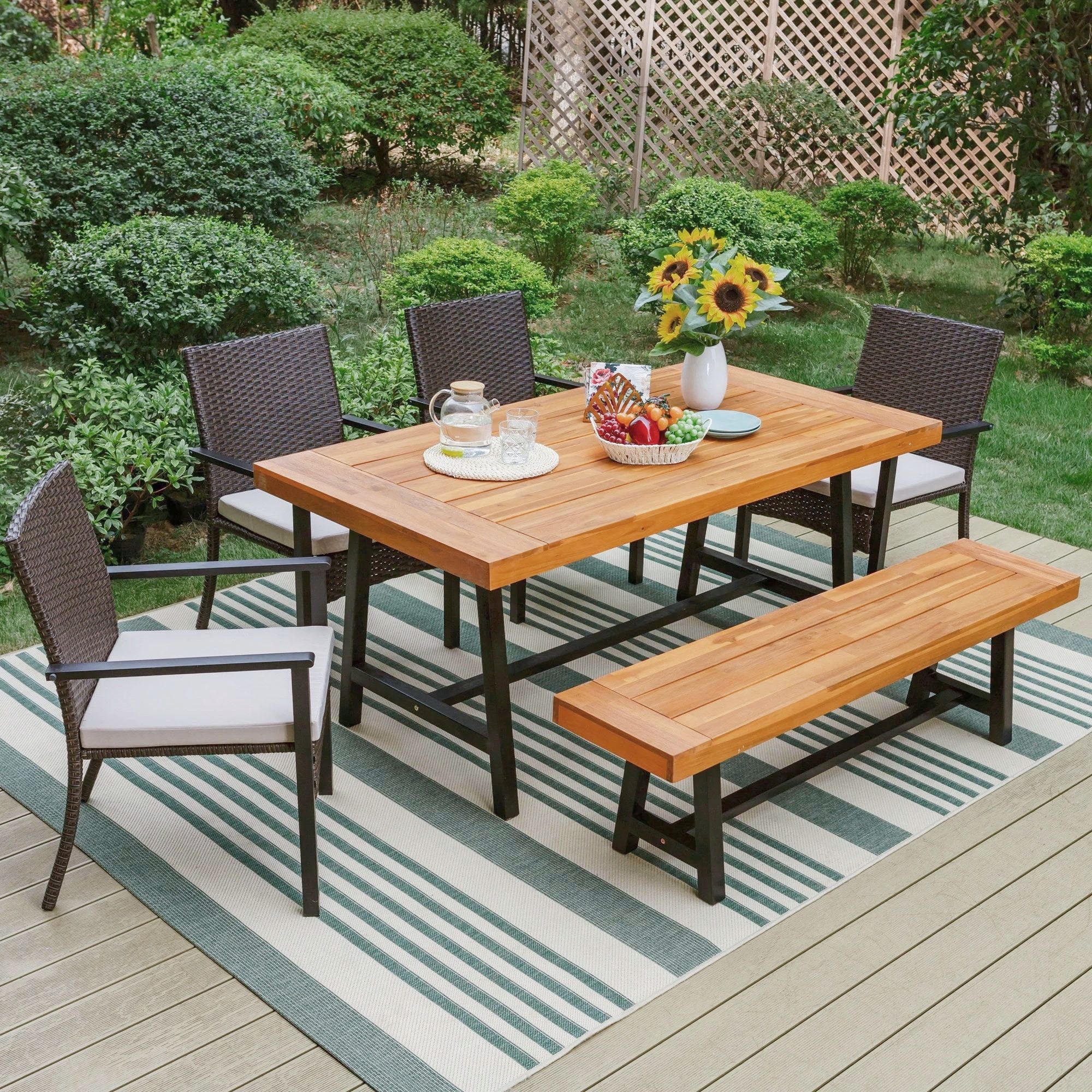
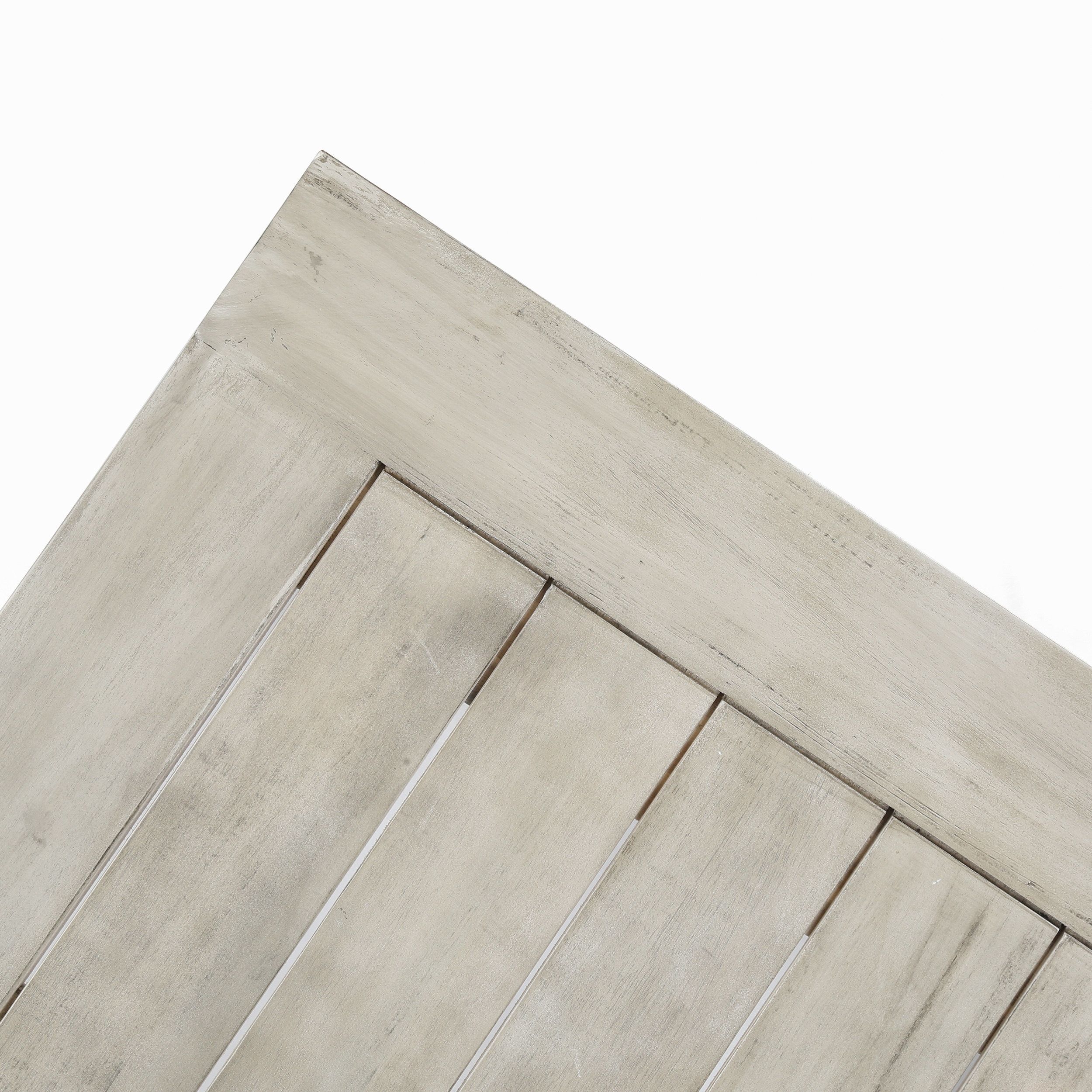
Picture this: a warm afternoon sun casting gentle shadows across your patio, the soft rustle of wicker chairs in the breeze, and the rich, golden tones of acacia wood catching the light. This isn’t just a dream scenario – it’s a reality waiting to happen when you choose the right combination of these two materials. They’ve been dancing together on patios for decades, creating that perfect balance between comfort and durability.
When it comes to outdoor furniture, few combinations have stood the test of time quite like wicker and acacia. These materials bring something special to any patio setup – they’re both naturally beautiful and incredibly practical. But not all wicker-acacia pairings work equally well. Some combinations feel like they belong together while others just don’t quite click. The secret lies in understanding what makes these materials complement each other so perfectly, and how to choose the right mix for your specific outdoor space.
Understanding Wicker and Acacia Properties
Wicker and acacia might seem like they come from completely different worlds, but they actually share some surprising qualities. Wicker is essentially woven material, often made from rattan, willow, or synthetic fibers. It brings flexibility, breathability, and that classic cottage-chic look we all love. Acacia wood, on the other hand, is known for its strength, durability, and natural resistance to weather. It’s got that warm, honey-colored grain that ages beautifully.
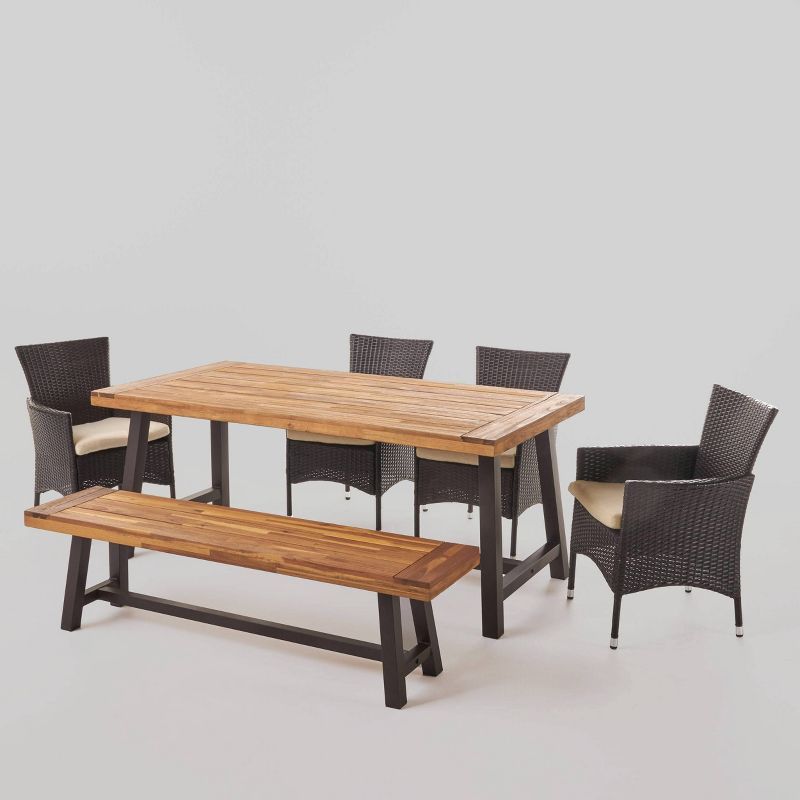
The magic happens when you combine these two materials. Wicker provides the comfortable seating surfaces and the visual texture, while acacia adds structure and sturdiness. Together, they create a harmonious balance that works well in various climates and settings. The natural contrast between the smooth, woven texture of wicker and the rustic, grainy surface of acacia creates visual interest that never gets old.
Climate Considerations for Your Combination
Not every wicker-acacia pairing will thrive in every environment. If you live somewhere with intense heat and humidity, you’ll want to focus on materials that handle moisture well. Synthetic wickers tend to perform better than natural ones in these conditions. For those of you in areas with harsh winters, look for acacia wood that’s been properly treated or sealed. The right combination can withstand everything from summer storms to winter frost.
Think about your local weather patterns and how they might affect your furniture choice. Do you get heavy rainfall? Are there extreme temperature changes? These factors will influence whether you go with natural or synthetic wicker, and what type of acacia treatment you need. Some people prefer to keep their outdoor spaces looking fresh year-round, while others embrace the weathered, aged appearance that comes with time.
Style and Aesthetic Compatibility
The visual appeal of your patio is just as important as its functionality. When choosing wicker and acacia combinations, consider how they’ll fit into your overall design scheme. Modern minimalist spaces might benefit from clean lines and neutral colors, while traditional gardens could handle more ornate wicker patterns and richer wood tones.
A few things to think about:
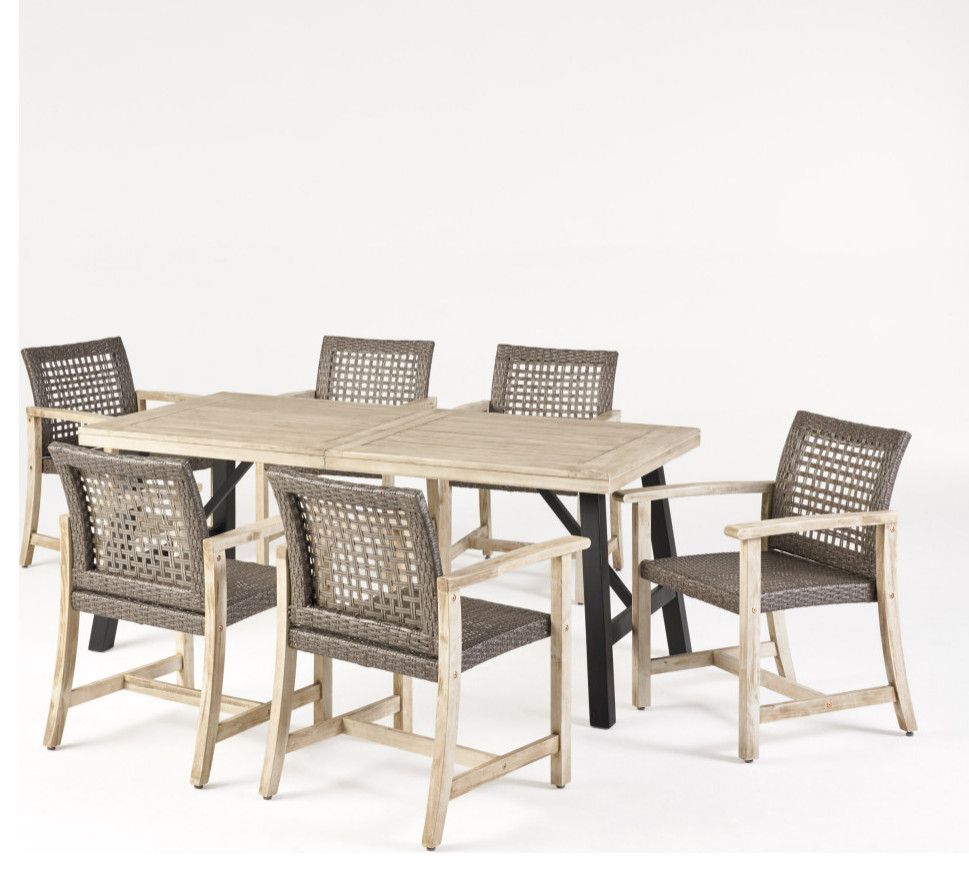
• Natural wicker with light acacia wood creates a bright, airy feel
• Darker wicker paired with rich brown acacia gives a more substantial, grounded look
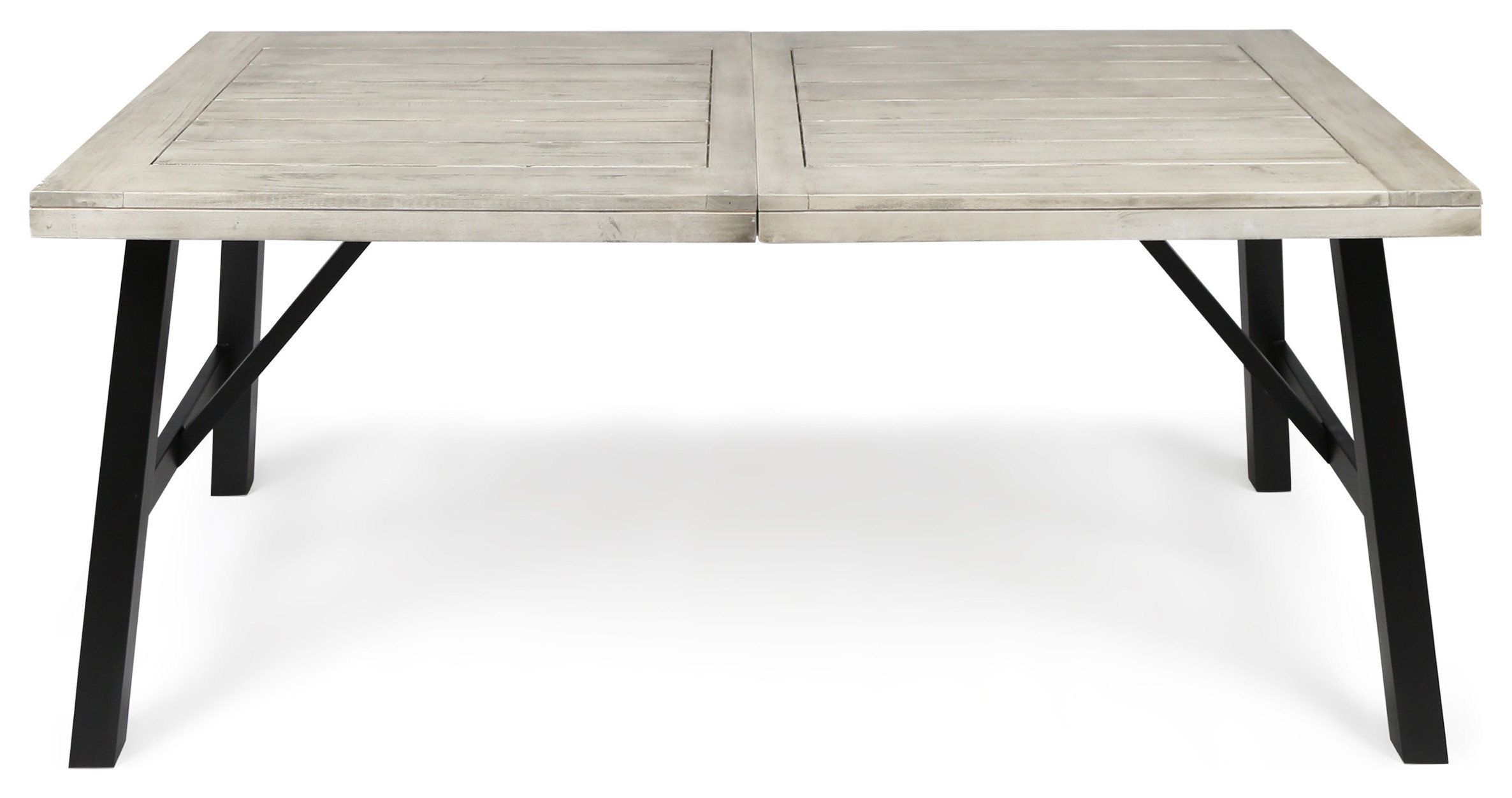
• Light-colored acacia with contrasting wicker adds visual pop
• Textured wicker against smooth acacia creates interesting contrasts
Some people love the vintage charm of weathered wicker with aged acacia, while others prefer crisp, new looks. The key is matching your personal style with the materials that best express it.
Durability and Longevity Factors
No one wants to replace their patio furniture every few months, so durability matters a lot. The right wicker-acacia combination can last for years with proper care. Natural wicker tends to be more susceptible to wear and tear, especially if it’s exposed to direct sunlight for extended periods. Synthetic wicker, however, holds up much better under harsh conditions.
Acacia wood is naturally resistant to insects and decay, which makes it an excellent choice for outdoor furniture. However, it still benefits from periodic maintenance like cleaning and resealing. The combination of these two materials means you’re getting the best of both worlds – the weather resistance of acacia and the comfort of wicker.
Consider how much maintenance you’re willing to put into your patio furniture. Some combinations require more attention than others, but the payoff in terms of longevity and appearance is usually worth it.
Budget Considerations and Value
Furniture costs vary widely, and the price difference between different wicker-acacia combinations can be significant. You might find yourself wondering whether to go with basic materials or invest in higher-end options. Generally speaking, the more premium wicker and acacia combinations offer better longevity and aesthetic appeal.
Keep in mind that a slightly higher investment upfront often pays off in reduced replacement costs over time. Higher-quality synthetic wicker typically lasts longer than cheaper alternatives, and properly treated acacia wood will maintain its beauty and structural integrity better than untreated options. It’s worth considering what you want to achieve with your patio furniture and how much you’re willing to spend on that vision.
Maintenance Tips for Your Combined Set
Even the most carefully chosen wicker-acacia combinations need some TLC to stay looking great. Regular maintenance prevents small problems from becoming big ones. Here are some simple steps to keep your combo looking fresh:
• Clean wicker regularly with mild soap and water
• Check acacia wood for signs of weathering or damage
• Apply protective treatments as recommended by manufacturers
• Store cushions or covers during harsh weather periods
• Inspect joints and connections periodically
The good news is that both materials are relatively easy to care for compared to many other outdoor furniture options. With a little attention and regular cleaning, your wicker-acacia combination can remain a centerpiece of your outdoor space for years to come.
Choosing the right wicker and acacia combination for your patio isn’t just about picking pretty things to look at – it’s about creating a functional, beautiful outdoor space that stands the test of time. When you consider climate, style, durability, and budget, you’ll find that the perfect pairing exists out there waiting for you. Whether you’re drawn to the natural beauty of weathered materials or prefer crisp, fresh looks, there’s a wicker-acacia combination that will suit your needs. The key is taking the time to think about what matters most to you, then finding materials that deliver on those priorities. Your patio deserves nothing less than the right blend of comfort, style, and substance, and with these considerations in mind, you’re well on your way to creating that perfect outdoor sanctuary.