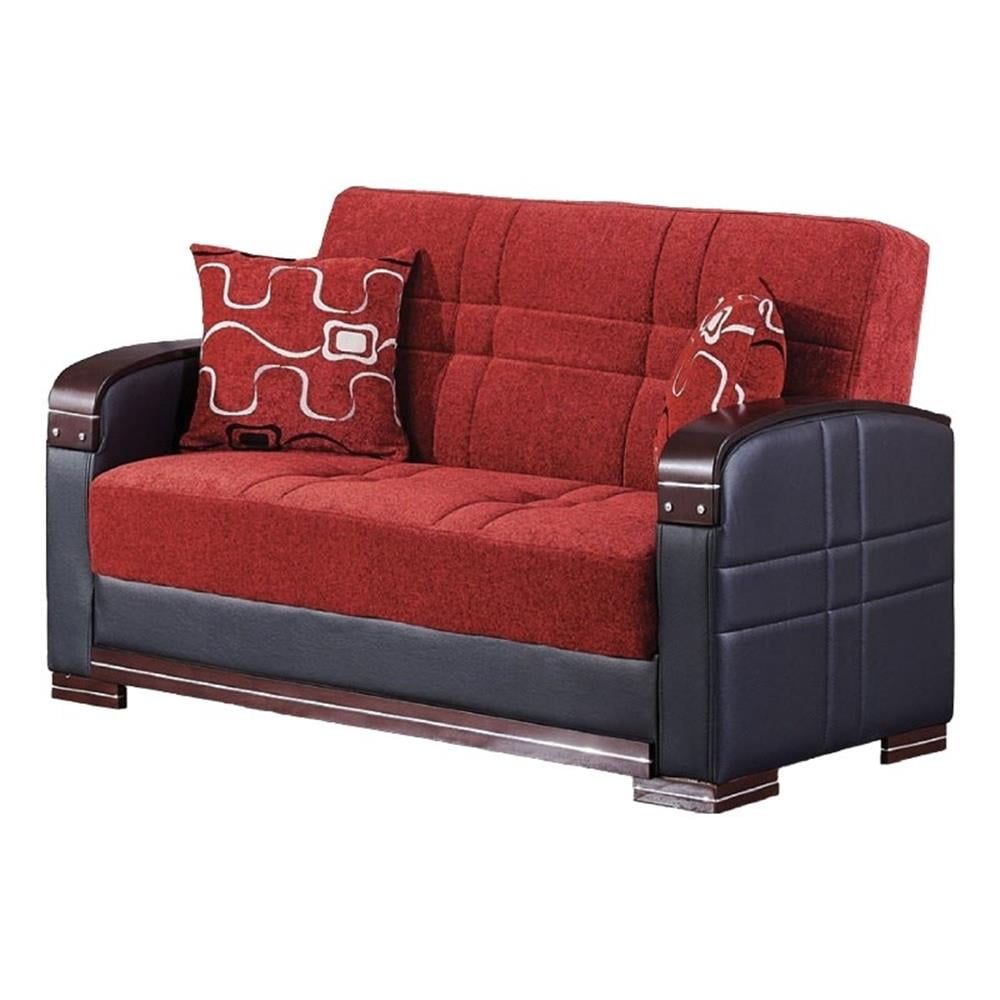
Imagine walking into a room where every piece of furniture serves multiple purposes. Where your dining table becomes a workspace, your sofa transforms into a guest bed, and your storage unit adapts to whatever you need today. This isn’t just a dream anymore – it’s becoming reality for millions of people around the world.
In our fast-paced world, the way we live and work is constantly evolving. The modern home faces new challenges: smaller living spaces, changing family dynamics, and shifting lifestyle needs. Traditional furniture often falls short when it comes to meeting these diverse demands. Enter convertible furniture – a revolutionary approach to interior design that’s reshaping how we think about space utilization and functionality. These clever solutions aren’t just about saving space; they’re about maximizing potential while maintaining aesthetic appeal. Whether you’re dealing with a cramped studio apartment or trying to accommodate guests in a compact home, convertible furniture offers practical answers that don’t compromise style.
The Rise of Flexible Living Spaces
The concept of flexible living spaces isn’t new, but it’s experiencing a renaissance. As urbanization accelerates and housing costs rise, people are discovering that adaptability in their homes is essential. The traditional approach of having fixed rooms with single functions is giving way to dynamic environments that can transform based on daily needs.
Consider the typical American household. A study found that over 60% of families now live in homes where space is at a premium. This shift has forced homeowners to reconsider how they use their available square footage. What was once considered a luxury – furniture that could serve multiple purposes – is now a necessity.
The trend toward flexible living spaces has been driven by several factors. Remote work has blurred the lines between home office and living room. Multi-generational households require spaces that can accommodate both privacy and togetherness. Even simple lifestyle changes like cooking more at home or hosting friends regularly demand versatile solutions.
Key Types of Convertible Furniture
Convertible furniture comes in many forms, each designed to address specific challenges in modern living:
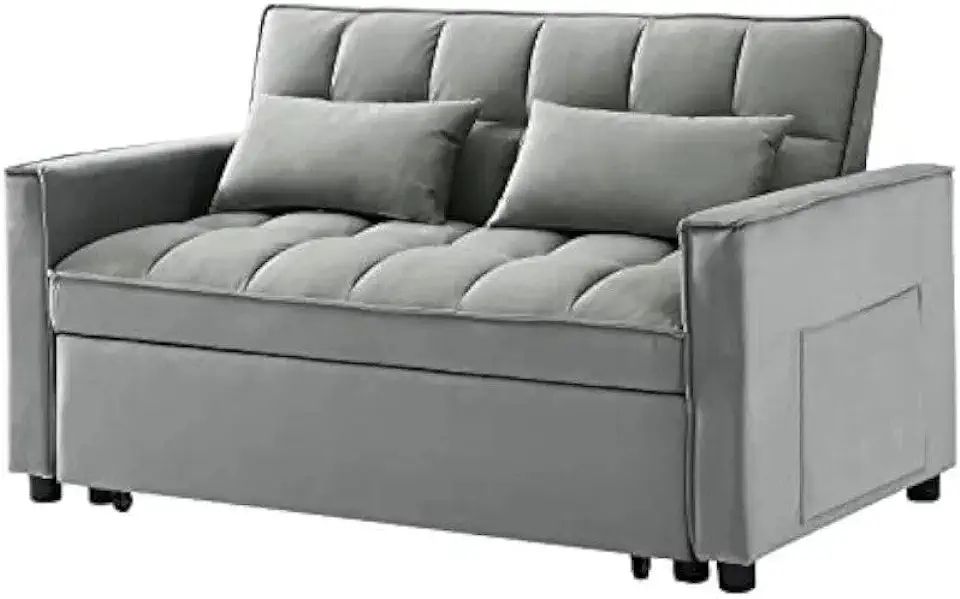
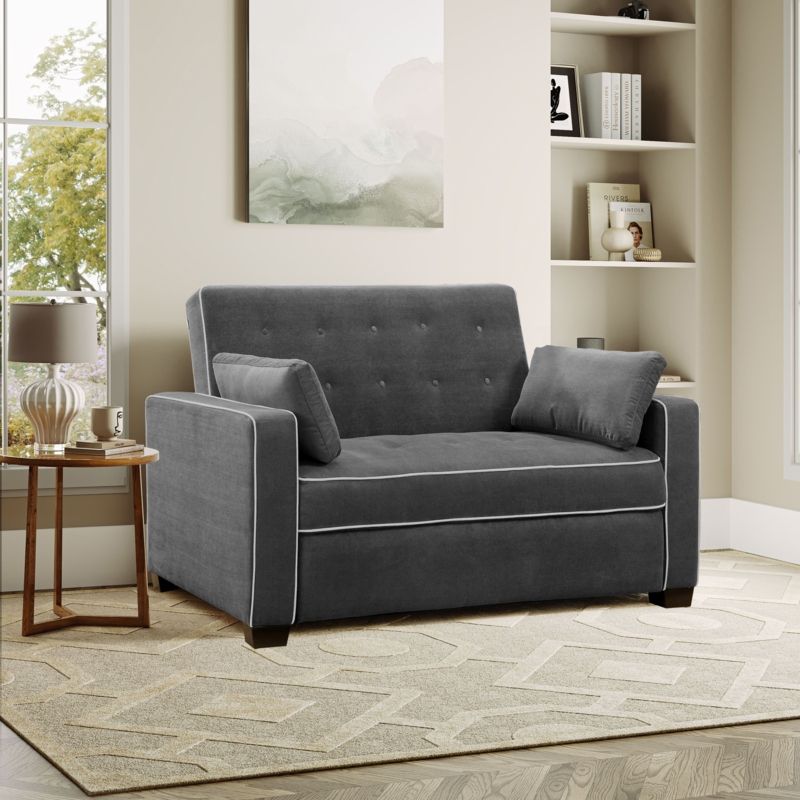
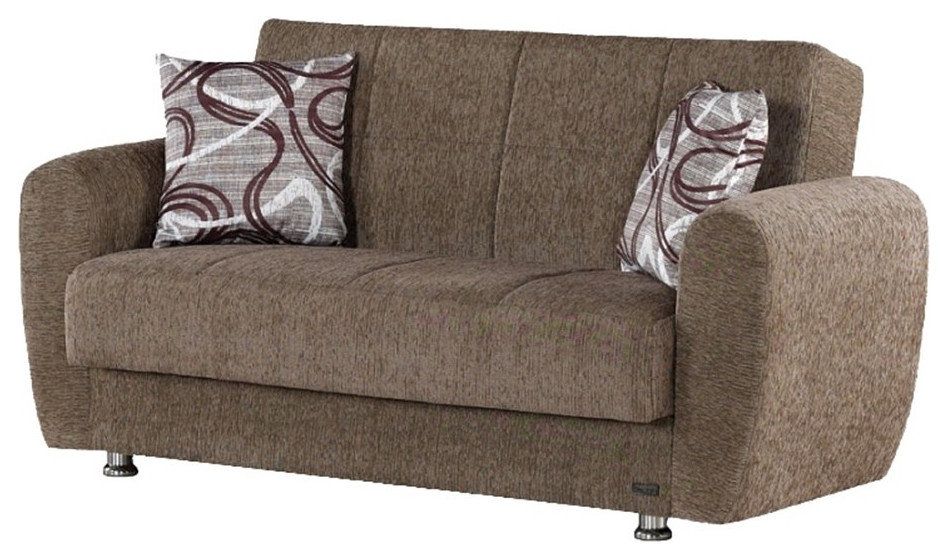
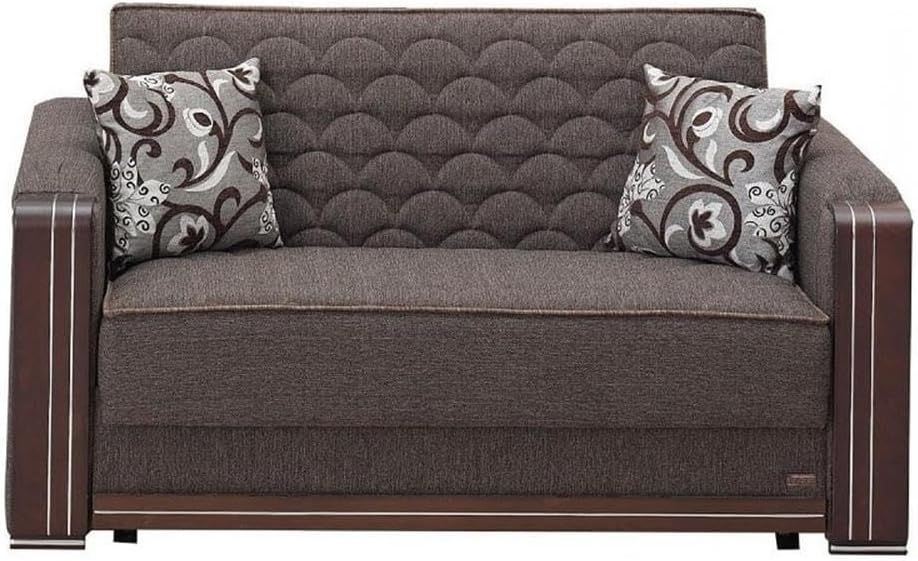
• Multi-functional seating: Sofas that convert into beds, benches that double as storage, and chairs that transform into workstations
• Adjustable storage solutions: Cabinets that become shelves, drawers that expand into tables, and wardrobes that serve as room dividers
• Space-saving dining options: Tables that fold flat, extendable surfaces that save space when not in use, and nesting designs that stack efficiently
• Bedroom transformations: Murphy beds that fold up during the day, storage under beds that maximize vertical space, and convertible daybeds that serve as seating
These pieces often incorporate innovative mechanisms like hidden hinges, sliding panels, and clever engineering that makes them both functional and visually appealing. The best convertible furniture doesn’t look like it’s trying too hard to be multi-purpose – it simply works seamlessly within the overall design scheme.
Benefits Beyond Just Space Saving
While saving physical space is certainly a major advantage, convertible furniture offers benefits that extend far beyond mere square footage optimization. Think about the emotional impact of having a home that responds to your changing needs. When your living room can instantly become a guest bedroom, you’re not just solving a practical problem – you’re creating opportunities for connection and community.
The psychological benefits are significant. People feel more in control of their environment when they can easily adjust their space. This sense of agency translates into reduced stress and increased satisfaction with their living situation. For young professionals, the ability to have a dedicated workspace in a small apartment without sacrificing social areas creates a more balanced lifestyle.
Financially, convertible furniture represents smart investment. Instead of buying multiple separate pieces, one well-designed convertible item can replace several traditional items. This means less clutter, lower maintenance costs, and more money available for other priorities. Many people find that investing in quality convertible furniture pays dividends in terms of convenience and reduced future purchases.
Design Considerations and Aesthetics
One common misconception about convertible furniture is that it must look utilitarian or unfinished. Nothing could be further from the truth. Modern convertible furniture designers have mastered the art of blending functionality with beauty. The key lies in understanding how to integrate these dual purposes without compromising visual appeal.
Consider the design elements that make convertible furniture successful. Clean lines work better than ornate details because they don’t distract from the primary function. Neutral color palettes allow these pieces to blend seamlessly with existing decor while still serving their purpose. Materials matter too – wood, metal, and textiles can all be used effectively in convertible designs when chosen carefully.
The challenge for designers is creating pieces that look good whether they’re in their primary form or transformed state. This requires deep consideration of proportions, balance, and visual weight. A dining table that converts to a work surface needs to maintain its elegant profile even when extended. Similarly, a sofa bed must look inviting as seating and comfortable as a bed.
Many successful convertible furniture pieces feature subtle design cues that hint at their dual nature. These might include hidden compartments that reveal themselves, clever joint placements, or integrated hardware that serves both structural and aesthetic purposes.
Practical Implementation Tips
When incorporating convertible furniture into your home, start with careful planning. Measure your space thoroughly before making any purchases. Consider the flow of traffic and how you actually use your rooms. Don’t just think about what you want to accomplish – also consider what you’ll need to do regularly.
Begin with the most critical areas of your home. If you have a small living room, perhaps a sofa bed or convertible dining table would provide the most immediate benefit. For bedrooms, a Murphy bed or storage bed can dramatically increase usable space. Kitchen areas might benefit from fold-down tables or wall-mounted workspaces.
Quality matters enormously. Cheap convertible furniture often fails quickly or looks unprofessional. Invest in pieces from reputable manufacturers who understand the mechanics involved. Read reviews carefully and look for warranties that cover the moving parts.
Don’t forget about maintenance. Some convertible pieces require regular care to keep their mechanisms working smoothly. Check that hinges, slides, and locks are properly maintained. Keep a small toolkit handy for minor adjustments.
Finally, consider your lifestyle and future plans. If you’re expecting a baby or planning to host more frequent gatherings, choose pieces that will accommodate those changes. The right convertible furniture should grow with you rather than constrain your evolving needs.
Future Trends and Innovations
The convertible furniture market is rapidly evolving, driven by technological advances and changing consumer expectations. Smart technology integration represents one exciting frontier. Imagine a coffee table that can automatically adjust its height based on who’s using it, or a desk that can detect when you’re working and automatically adjust lighting and temperature.
Sustainability is another growing trend. Many manufacturers are focusing on durable materials and modular designs that allow components to be replaced rather than entire pieces discarded. This approach extends product life and reduces environmental impact.
Modular systems are becoming increasingly popular. These allow homeowners to customize their furniture solutions over time. You might start with a basic convertible sofa and later add modules that create additional seating or storage. This flexibility allows for gradual investment and adaptation to changing needs.
The future also holds promise for more sophisticated automation. We’re already seeing furniture that can be controlled via smartphone apps, adjusting to different users or times of day. While this technology is still developing, it represents the next step in making living spaces truly responsive to our needs.
Convertible furniture represents more than just a clever solution to space constraints – it’s a fundamental shift in how we think about home design and daily living. These innovative pieces offer practical advantages that extend far beyond simple space-saving. They provide emotional benefits, financial savings, and opportunities for creative expression in ways that traditional furniture never could.
The key to success lies in thoughtful selection and implementation. Choose pieces that align with your actual lifestyle rather than hypothetical scenarios. Quality matters tremendously, as does understanding how these items will fit into your existing design scheme. Most importantly, embrace the philosophy that your home should be responsive to your needs rather than rigidly fixed in its purpose.
As we continue to navigate changing living conditions and evolving lifestyles, convertible furniture will undoubtedly play an increasingly important role. It’s not just about fitting more into less space – it’s about creating homes that support the way we actually live, work, and connect with others. The future of adaptable living spaces looks bright, and the furniture we choose today will shape the homes we inhabit tomorrow.