Picture this: you’re stepping outside after a long day, the sun casting gentle shadows across your backyard, and instead of feeling like you’re leaving the house behind, you’re entering a completely different realm. This isn’t just wishful thinking – it’s entirely achievable when you approach outdoor design with purpose and creativity. Today, we’re diving deep into crafting outdoor spaces that seamlessly blend form and function, creating areas where you’ll actually want to spend time.
Outdoor living has evolved far beyond simple patio furniture and basic grills. Today’s homeowners demand more from their outdoor spaces – they want areas that serve multiple purposes while looking effortlessly stylish. Whether you have a sprawling estate or a modest city apartment balcony, the principles remain the same. You’re not just extending your home outdoors; you’re creating new rooms that complement your indoor lifestyle. Think about it – how many times have you found yourself saying ‘I wish I could just step outside and relax’ rather than ‘I wish I could just go inside’? That’s exactly what good outdoor design achieves. It makes the outside feel like the most natural place to be.
Understanding Your Outdoor Needs and Lifestyle
Before you even think about furniture placement or plant selection, you need to know what you actually want to do with your outdoor space. Is it primarily for entertaining guests? A quiet spot for morning coffee? A place for kids to play? Or maybe a combination of all three? These answers will shape everything else you do. Consider the number of people who will use the space regularly, their ages, and their preferences. Do they prefer casual gatherings or formal dinner parties? What’s their relationship with technology? Some people love outdoor fire pits and built-in grills, while others might prioritize shade structures and comfortable seating arrangements.
Let’s talk about a real example: Sarah lives in a small urban apartment and has a tiny balcony. She works from home and needs a space to decompress. Her solution? A compact dining set that folds away during the day, a small reading nook with a chair and table, and a few potted plants. Her space serves multiple purposes without overwhelming her limited area. The key is understanding that function drives form, not the other way around. What does your daily routine look like? How does your family use space? Answering these questions honestly will save you from expensive mistakes later.
Essential Elements for Modern Outdoor Functionality
Functionality isn’t just about having enough seating or a grill – it’s about creating zones within your outdoor space that serve distinct purposes. You can have a dining zone, a relaxation area, and even a workspace if you’re lucky enough to have the space. Each area should have its own character and purpose.
Consider these core elements:
• Lighting: Proper lighting creates ambiance and extends usability into evening hours. String lights, lanterns, and recessed lighting can transform a space from merely functional to magical.
• Storage Solutions: Outdoor storage isn’t just about hiding clutter. It’s about maintaining clean, organized spaces that feel intentional rather than chaotic. Built-in benches with storage underneath or modular shelving units work beautifully.
• Weather Protection: A well-designed outdoor space accounts for weather. Canopies, pergolas, and even awnings provide necessary shelter while adding architectural interest.
• Multi-Purpose Furniture: Think about how furniture can serve more than one function. A coffee table that doubles as a storage unit, or a bench that can seat four people and hold garden tools.
The smartest outdoor designers understand that every element should contribute to the overall experience. For instance, if you’re planning a space for cooking and entertaining, consider installing a pizza oven that doubles as a gathering point. The functionality becomes part of the design story.
Styling Without Sacrificing Durability
Here’s where many people get tripped up – they want beautiful things but forget that outdoor furniture and decor must withstand the elements. That gorgeous wicker chair might look perfect, but it’ll rot within months if it’s not properly treated or maintained.
Start with materials that are naturally weather-resistant:
• Teak wood: Though expensive, it’s incredibly durable and develops a beautiful silver patina over time.
• Aluminum and stainless steel: These metals resist rust and corrosion, making them excellent choices for outdoor settings.
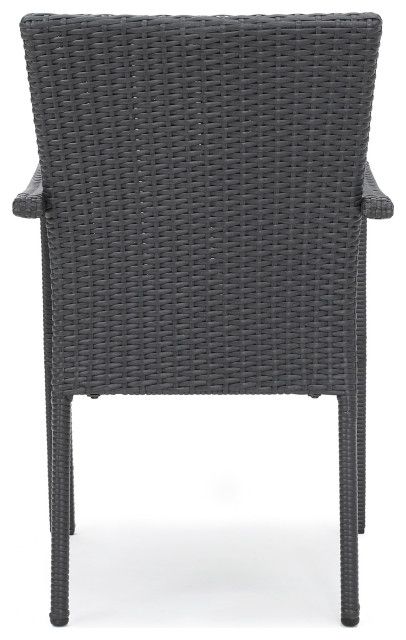
• Synthetic wicker: A great alternative to natural wicker that maintains its appearance year-round.
• Resin and plastic: Modern synthetic materials offer the look of traditional materials without the maintenance issues.
When it comes to textiles, choose fabrics that are specifically designed for outdoor use. Sunbrella fabric is a favorite among designers because it resists fading, water, and mildew. Don’t overlook the importance of cushions and throws – they add comfort and style, but they need to be easy to clean and maintain.
Think of your outdoor space like a room in your house. You wouldn’t put delicate silk curtains in a bathroom, would you? Similarly, you shouldn’t use fragile materials in high-traffic outdoor areas. The right materials will last longer and look better over time.
Planting for Impact and Practicality
Plants aren’t just decorative – they’re essential components of outdoor design that affect everything from privacy to temperature control. A well-planned landscape can create natural boundaries, provide shade, and even improve air quality. But it’s not just about throwing in some flowers and calling it a day.
Consider these planting strategies:
• Layering: Use plants of varying heights to create depth and visual interest. Tall trees for structure, medium shrubs for texture, and groundcovers for filling gaps.
• Seasonal Interest: Choose plants that bloom at different times to ensure your space looks beautiful year-round. Spring bulbs, summer perennials, fall foliage, and winter evergreens.
• Practical Plants: Think about edibles too. Herbs like basil, rosemary, and thyme can be both useful and attractive. Small fruit trees can provide both beauty and harvest.
• Maintenance Level: Don’t underestimate the time commitment required for plants. A lush garden requires regular watering, pruning, and care. If you’re not ready for that level of commitment, opt for low-maintenance options like succulents or drought-tolerant native plants.
A common mistake is choosing plants based solely on their appearance without considering their practical needs. A stunning plant that requires constant attention might end up becoming a chore rather than a joy. Take time to research what plants will thrive in your specific climate and soil conditions. Your future self will thank you for making informed choices.
Creating Zones That Work Together
One of the biggest challenges in outdoor design is creating distinct areas that still feel connected. You don’t want separate rooms that feel disconnected – you want zones that flow naturally from one to another.
Here’s how to approach zone creation:
• Define Boundaries: Use elements like hardscaping, plantings, or different flooring materials to separate areas visually. A stone pathway can lead from your kitchen to your dining area, creating a clear path between zones.
• Consistent Materials: While each zone might have its own personality, using similar materials throughout helps tie everything together. If you use brick for your patio, consider incorporating it into pathways or garden beds.
• Scale Matters: Every element should be proportionate to the space. A massive dining table in a small space will feel overwhelming, while a tiny table in a large area will look lost.
• Flow and Movement: Plan how people will move through the space. There should be clear pathways, and zones should encourage natural movement patterns.
Let’s say you’re designing a space for both intimate dinners and larger gatherings. You might create a central dining area with a large table, surrounded by a seating area that can accommodate more people. The key is flexibility – the same space should be able to adapt to different needs and occasions. Sometimes, a simple change in furniture arrangement can transform the entire feel of an outdoor area.
Technology Integration Without Compromise
Modern outdoor spaces often include technology that wasn’t available even a decade ago. Smart lighting systems, outdoor speakers, and even wireless charging stations can enhance the outdoor experience. But here’s the thing – technology should enhance rather than dominate your space.
Key considerations for tech integration:
• Power Outlets: Plan ahead for electrical needs. You’ll want outlets near seating areas, dining spots, and entertainment zones. Hidden wiring can make everything look cleaner.
• Smart Controls: Smart lighting and irrigation systems can save time and energy. Consider programmable systems that adjust based on time of day or weather conditions.
• Audio Systems: Outdoor speakers can create atmosphere without being obtrusive. Wireless options make installation easier and less invasive.
• Privacy and Security: Modern outdoor spaces often include security cameras, smart locks, and automated lighting systems to enhance safety and convenience.
The secret to successful tech integration is subtlety. You don’t want to see wires everywhere or feel like you’re in a high-tech laboratory. The technology should work seamlessly in the background, enhancing your experience without drawing attention to itself. For example, hidden LED strips under a deck can provide ambient lighting that’s both functional and beautiful. It’s the kind of detail that makes a space feel truly thought-out.
Budget-Friendly Approaches to Outdoor Transformation
You don’t need to break the bank to create an amazing outdoor space. Many of the best designs come from creative thinking and strategic spending.
Consider these budget-conscious approaches:
• DIY Projects: Simple projects like building a raised garden bed, painting old furniture, or creating a DIY fire pit can make a big impact.
• Repurposing Existing Items: Look at what you already have and see if it can be reimagined for outdoor use. Old wooden crates can become planters, and a vintage trunk can serve as a coffee table.
• Strategic Purchasing: Buy high-quality items that will last, but shop sales, clearance sections, and outlet stores for smaller items.
• Gradual Implementation: You don’t have to complete everything at once. Start with one area or one major element, then add to it over time.
• Local Resources: Visit local nurseries, hardware stores, and even garage sales for unique finds and materials that are often more affordable than online purchases.
Many people find that their first outdoor project costs less than they expected, especially when they focus on the most important elements first. Perhaps you start with a simple seating area and a few plants, then gradually add lighting or a small dining table. The key is starting somewhere and building momentum. Sometimes, the most beautiful spaces begin with a single idea and grow from there.
Maintenance Strategies for Long-Term Enjoyment
The best outdoor spaces require ongoing care, but they shouldn’t feel like a chore. The key is developing a system that makes maintenance manageable and even enjoyable.
Here are effective maintenance strategies:
• Seasonal Cleaning: Establish a routine for cleaning surfaces, checking furniture, and preparing plants for seasonal changes.
• Regular Inspections: Check for wear on furniture, damage to structures, and signs of pests or weather-related issues.
• Simple Repairs: Keep basic tools and supplies on hand for quick fixes. A few drops of wood preservative can extend the life of outdoor furniture.
• Plant Care: Develop a schedule for watering, fertilizing, and pruning. Consider setting reminders on your phone or calendar.
• Storage Solutions: When seasons change, proper storage can prevent damage to furniture and decor.
Think of maintenance as part of the experience, not just a burden. Regular touch-ups can keep your space looking fresh and inviting. For instance, changing out cushions seasonally or moving plants to different locations can give your space a fresh feel. The goal isn’t perfection – it’s consistency and care that shows in the overall look and feel of your outdoor environment.
Designing an outdoor space that’s both functional and stylish isn’t about following trends or buying expensive furniture. It’s about understanding what you need from your outdoor environment and creating a space that supports your lifestyle. Whether you’re working with a large backyard or a small balcony, the principles remain the same. Start by identifying your needs, choose materials that will stand the test of time, and create zones that feel intentional rather than forced.
The best outdoor spaces are those that reflect your personality and support your daily routines. They’re places where you actually want to spend time, not just pass through. So take a moment to walk through your current outdoor space and ask yourself: does this space feel like it was designed for me? If not, now is the perfect time to start making changes. Remember, the most beautiful outdoor spaces aren’t necessarily the most expensive ones – they’re the ones that make you feel like you’re truly living outside rather than just existing in an outdoor area. Your next outdoor adventure starts with the decisions you make today.