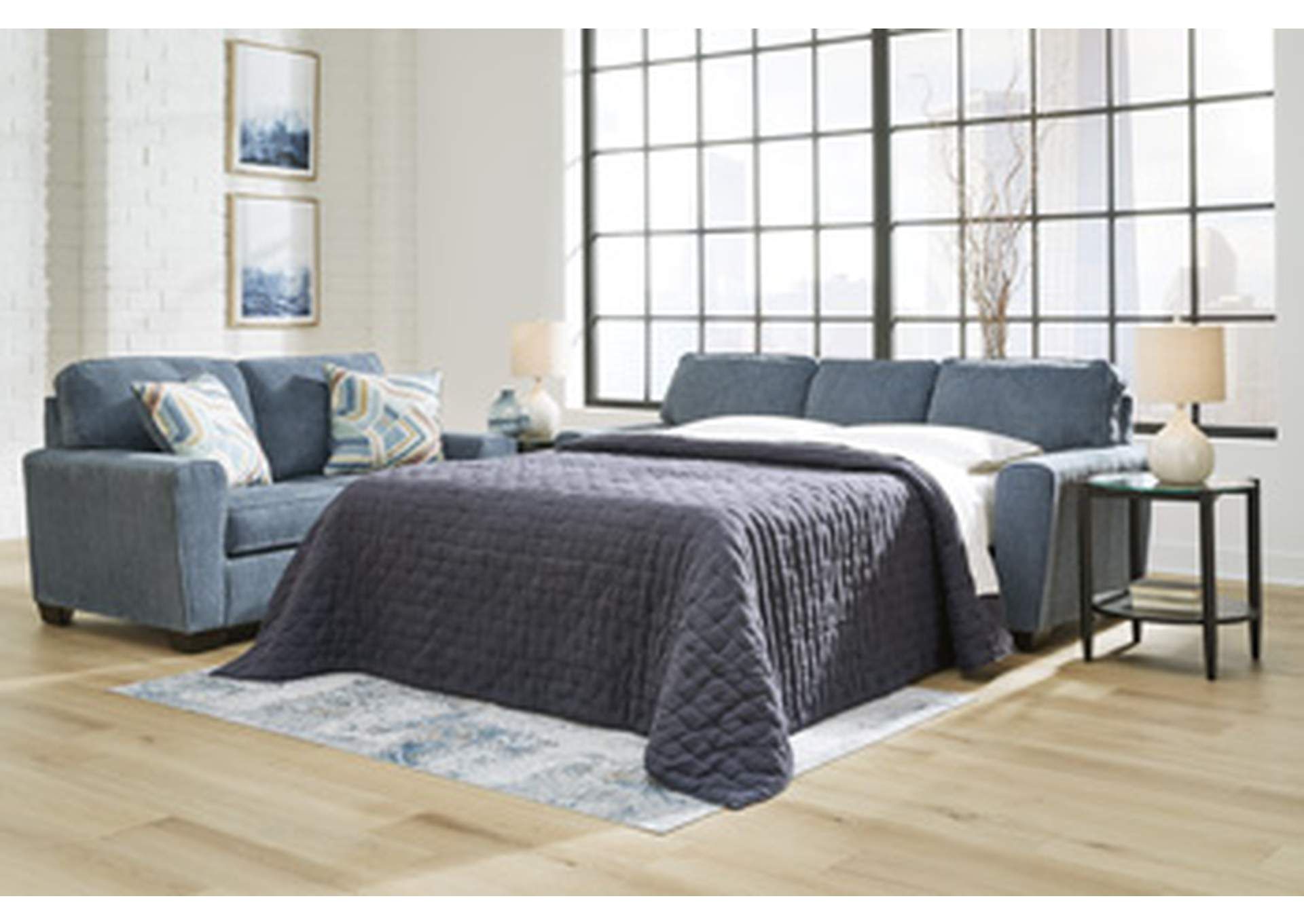
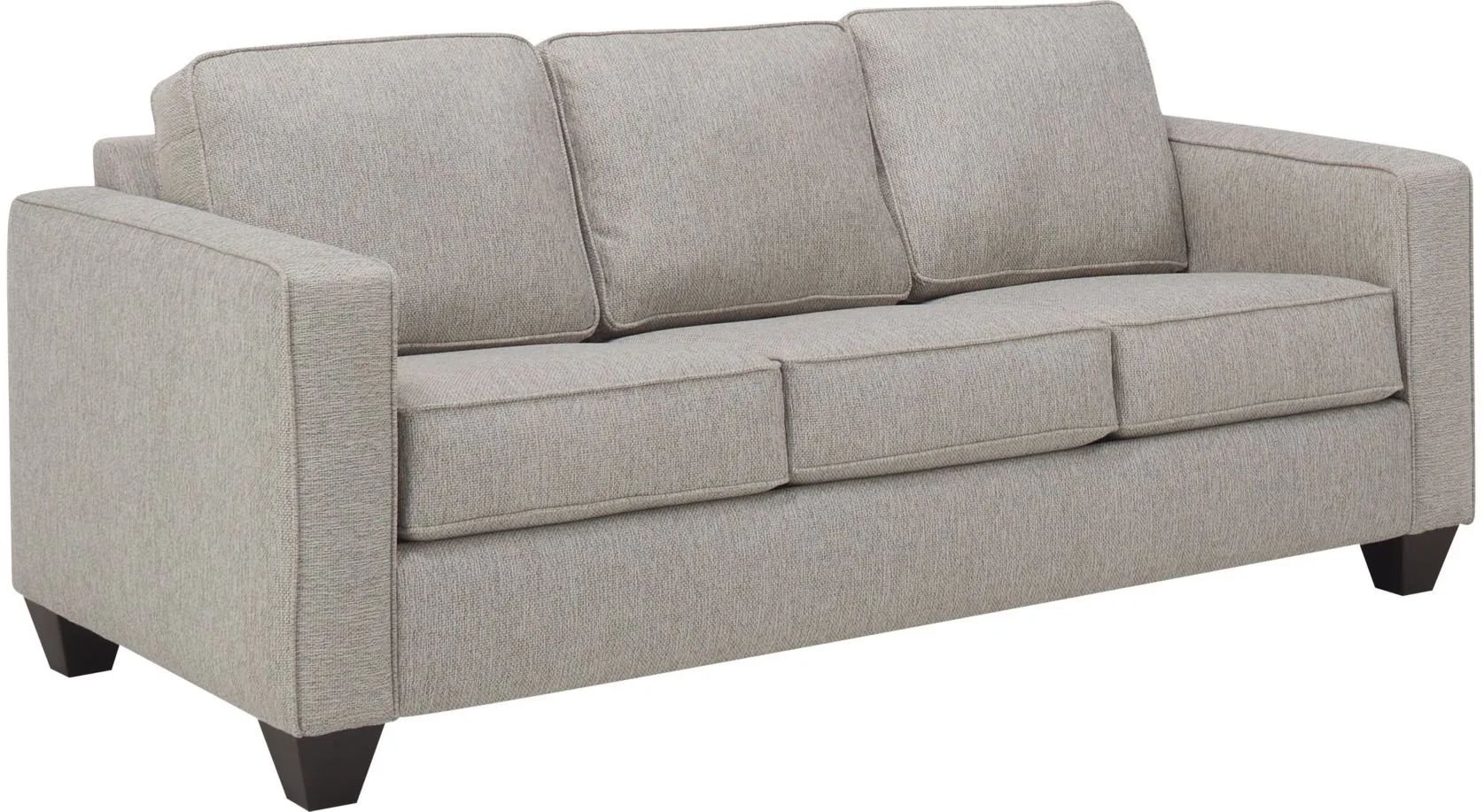
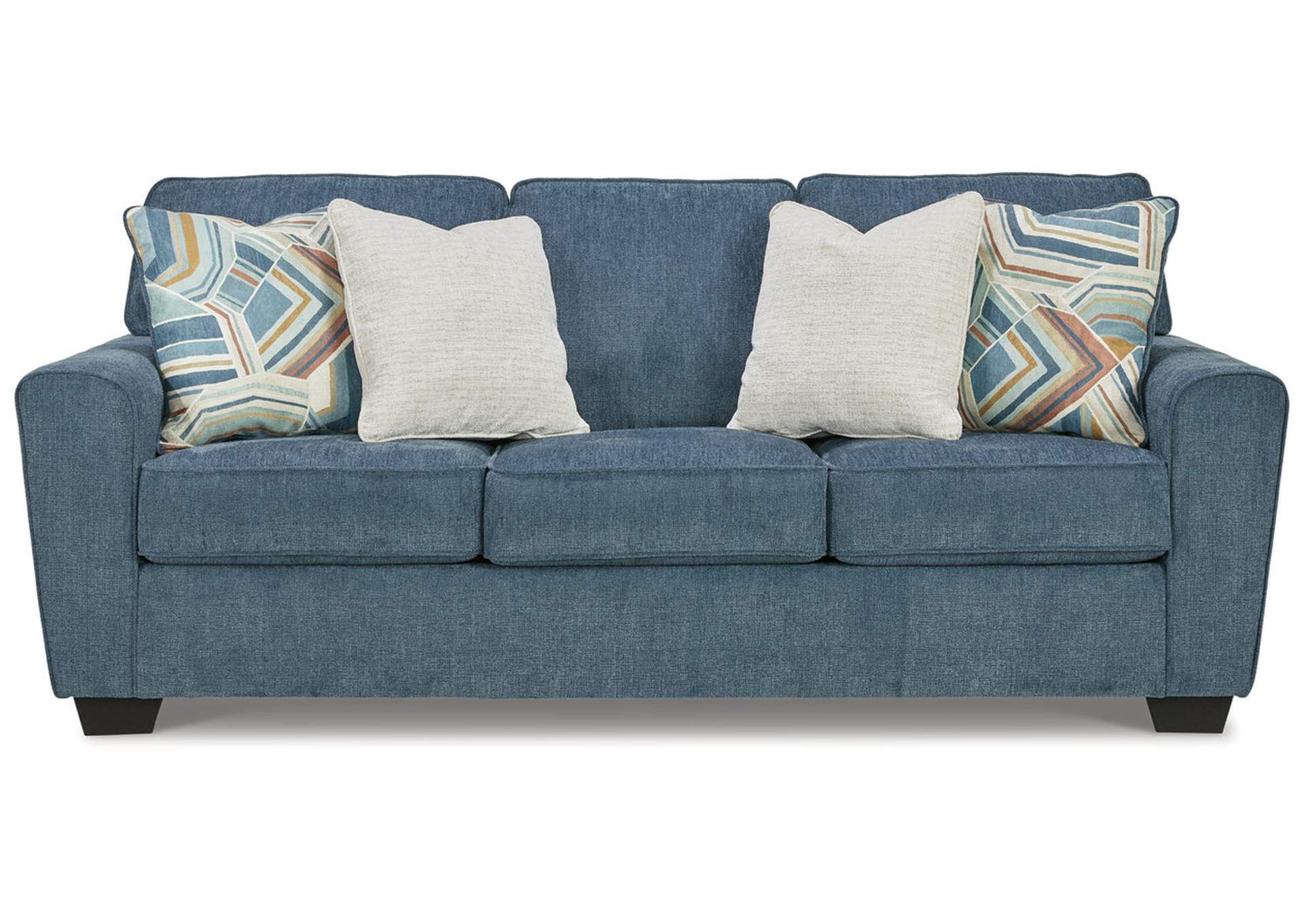
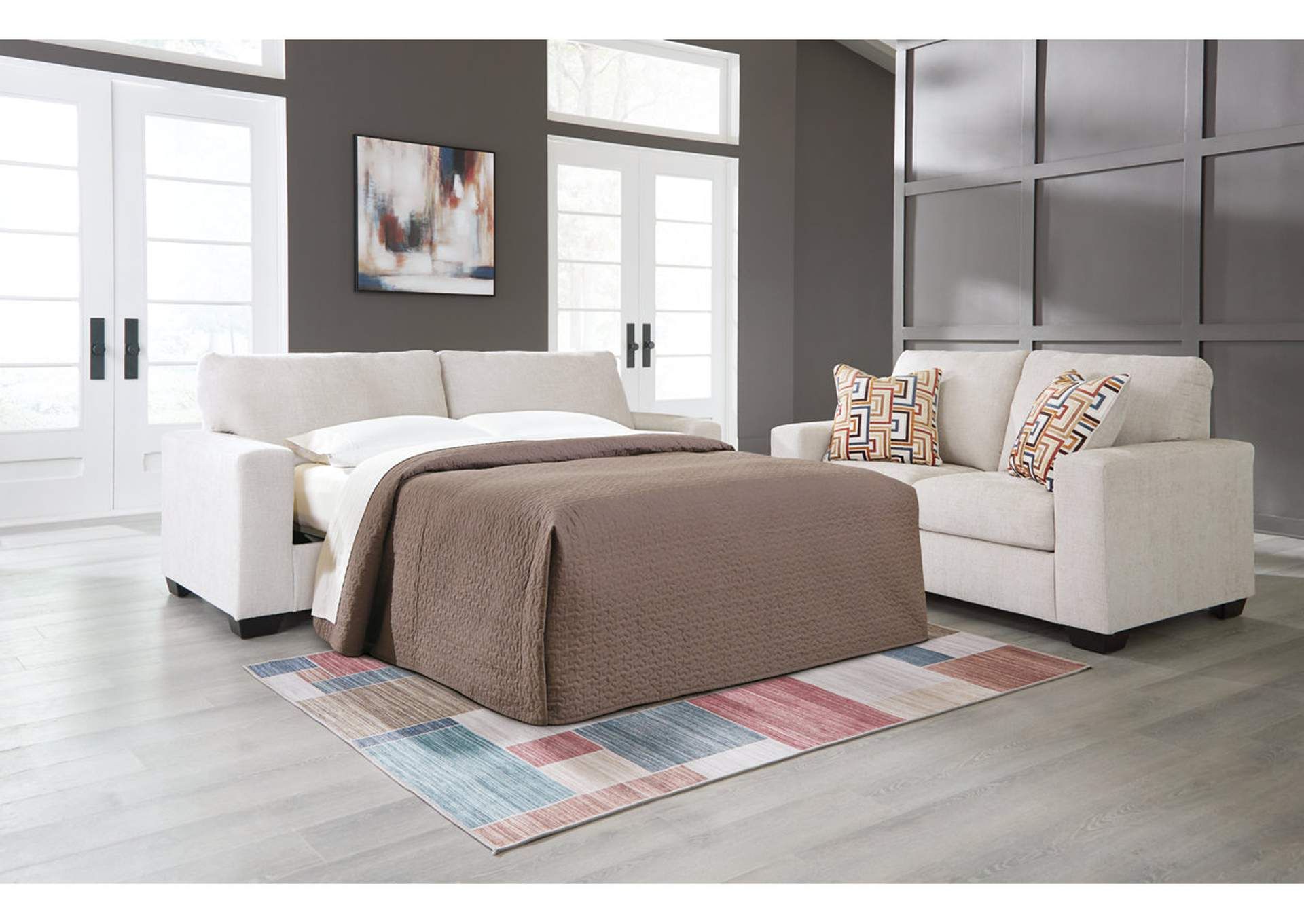
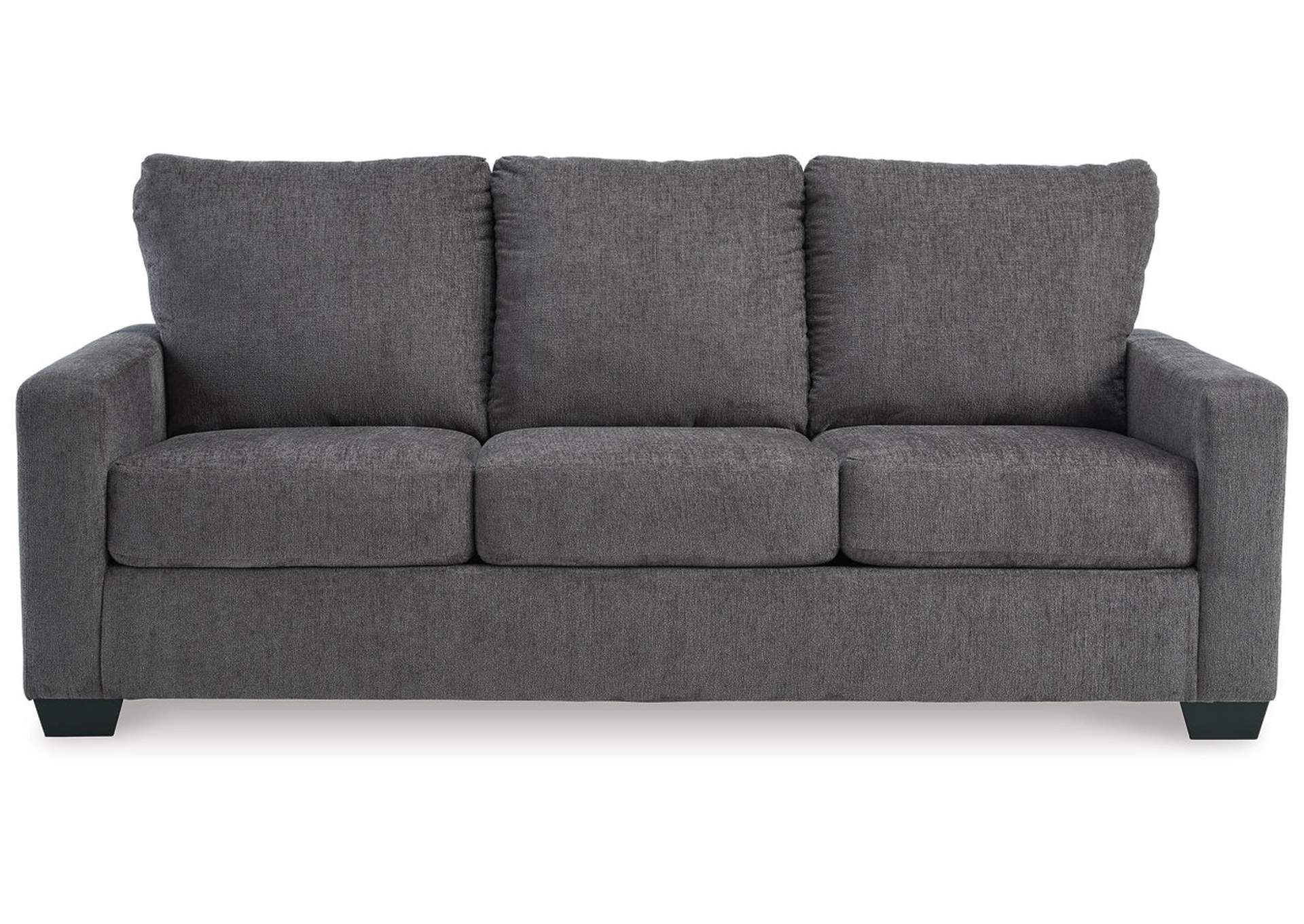
Picture this: a cozy, comfortable piece of furniture that can transform from a regular sofa into a guest bed with just a few simple steps. That’s exactly what the Lowell Queen Sleeper Sofa has been doing for decades. But how did we get here? How did this once simple bedroom item become such a beloved piece of modern home decor? Let’s take a journey through time to uncover the fascinating story behind this versatile furniture.
When you think about sleeper sofas, many people immediately picture something bulky, uncomfortable, or outdated. But the Lowell Queen Sleeper Sofa tells a different story. It’s not just about functionality – it’s about evolution. Over the decades, this piece has transformed from a basic utility item into a stylish centerpiece that brings families together. Whether you’re hosting guests or relaxing after a long day, the Lowell Queen has been there, adapting to changing tastes, needs, and lifestyles. This isn’t just about furniture – it’s about how we live, work, and connect with each other in our homes.
The Early Days: Foundation and Simplicity
In the 1950s and 1960s, furniture was all about function and durability. The Lowell Queen began its journey as a straightforward piece designed to serve one main purpose: provide sleeping space when needed. These early models were built with heavy wood frames and basic upholstery. They looked like traditional sofas but with a hidden compartment underneath that could accommodate a mattress. The design philosophy was simple – make something that worked reliably without unnecessary frills.
What made these early versions special wasn’t their elegance, but their practicality. Families often had limited space, especially in urban areas where homes were smaller. The idea of having a piece of furniture that could double as both seating and sleeping space was revolutionary. People didn’t have to choose between comfort and space – they could have both.
These first-generation Lowells were typically made with basic fabrics like cotton or vinyl. The colors were conservative – browns, grays, and muted tones that matched most home decors. The focus was purely on the sofa’s ability to convert into a bed. No fancy features, no extra storage, just reliable performance.
The 70s and 80s: Adding Comfort and Style
As we moved into the 1970s, things started getting more interesting. The Lowell Queen began incorporating new materials and designs that made them more appealing to consumers. During this time, manufacturers started experimenting with different fabrics, including velvets and leathers that added luxury to the basic structure. The overall look became more polished, with curved lines and softer edges replacing the harsher shapes of earlier models.
One major development during this era was the introduction of better spring systems. Instead of relying solely on basic wooden frames, newer models featured improved internal mechanisms that made the conversion process smoother. People could now open and close the sofa with less effort, and the resulting bed felt more stable and supportive.
The color palette also expanded dramatically. Where once everything was beige or brown, now you could find Lowells in bright oranges, deep blues, and even patterned fabrics. This was the beginning of the sofa becoming more than just a functional item – it was starting to reflect personal taste and style preferences. Families began choosing pieces that matched their personalities rather than just their practical needs.
The 90s Revolution: Modernization and Innovation
The 1990s brought a wave of innovation to the sleeper sofa market. The Lowell Queen was no exception. During this decade, manufacturers began focusing heavily on improving the user experience. New technologies were introduced that made the conversion process faster, quieter, and more seamless.
One of the biggest breakthroughs was the development of improved mattress technology. These weren’t just beds anymore – they were designed to be comfortable for actual overnight guests. Memory foam and advanced padding techniques meant that people could actually sleep well on the converted sofa. The idea that a sleeper sofa was just a temporary solution for guests completely disappeared.
Design-wise, this period saw a move toward more contemporary styles. Sleek lines replaced the bulkier shapes of previous decades. The low-profile look became popular, making the sofas fit better in modern living spaces. Some models even incorporated hidden storage compartments for blankets, pillows, and other essentials.
The 90s also marked the beginning of customization options. Consumers could choose from various fabric types, colors, and even different frame materials. This allowed people to match their Lowells with existing furniture and décor, making them feel like a natural part of their home rather than an afterthought.
2000s: The Rise of Multi-Purpose Furniture
By the 2000s, the concept of multi-purpose furniture had really taken off. The Lowell Queen was perfectly positioned to benefit from this trend. As people’s lives became more complex, they needed furniture that could adapt to multiple situations. The sleeper sofa became more than just a place to sit and sleep – it became a flexible solution for small apartments, home offices, and entertainment areas.
This decade saw the introduction of more sophisticated mechanisms. The way the sofa converted from sitting to sleeping position became more refined. Some models featured easy-release buttons, while others included smooth gliding mechanisms that made the transition almost effortless. The whole experience went from a chore to a pleasure.
Comfort standards also rose significantly. The mattresses were now designed specifically for the sleeper sofa format. They had to be thin enough to fit within the sofa’s structure but thick enough to provide adequate support. Many models came with adjustable firmness settings, allowing users to customize their sleeping experience.
The aesthetic appeal also grew. Designers started creating Lowells that looked more like high-end furniture pieces than simple functional items. The craftsmanship improved dramatically, with attention paid to details like button tufting, decorative trim, and premium materials. These weren’t just sleeper sofas anymore – they were statement pieces.
2010s: Technology Integration and Smart Features
The 2010s brought a technological revolution to furniture design. The Lowell Queen took advantage of these advancements in unexpected ways. While the core function remained the same, the integration of smart features made these sofas more user-friendly than ever before.
Some models began featuring LED lighting inside the sofa frame. This wasn’t just for decoration – it served practical purposes like illuminating the space when someone needed to get up during the night or helping locate items stored in the sofa’s compartments.
The rise of social media also influenced design choices. People wanted furniture that looked good in photos, which led to more visually striking models with bold colors, unique patterns, and eye-catching shapes. The Lowell Queen became a trendy piece that people displayed proudly in their living rooms.
Another significant change was the emphasis on sustainability. Eco-friendly materials became more common, with manufacturers using recycled fabrics and sustainable wood sources. This reflected changing consumer values and environmental awareness.
The size and scale of Lowells also evolved. While they maintained their classic proportions, some manufacturers began offering larger versions that could accommodate more people or serve as primary seating options rather than just guest furniture.
2020s: Wellness and Lifestyle Integration
The current decade has brought a new perspective to how we think about furniture and wellness. The Lowell Queen has adapted beautifully to this shift. Today’s models consider not just comfort, but also health factors like posture, sleep quality, and overall well-being.
Modern Lowells incorporate ergonomic principles that make them suitable for extended use. The seating positions are designed to reduce back strain, while the sleeping surfaces provide proper spinal alignment. Many models now feature adjustable headrests and lumbar support, turning the sofa into a wellness tool as much as a furniture piece.
The pandemic also played a role in reshaping expectations. With more people working from home and spending extended periods indoors, furniture needed to be more versatile and durable. The Lowell Queen’s ability to serve multiple functions made it particularly valuable during these times.
Today’s models also emphasize flexibility in lifestyle choices. They can be easily reconfigured to suit different needs – from casual family gatherings to formal entertaining. The modern Lowell Queen isn’t just a piece of furniture; it’s a lifestyle enabler that adapts to how people want to live.
Looking back at the evolution of the Lowell Queen Sleeper Sofa, it’s clear that this piece of furniture has been more than just a practical solution for sleeping arrangements. It’s been a reflection of changing times, shifting lifestyles, and evolving design philosophies. From its humble beginnings as a simple functional item to its current status as a stylish, multifunctional piece, the Lowell Queen has consistently adapted to meet people’s needs.
What’s remarkable is how it’s managed to stay relevant across so many decades while maintaining its core purpose. Whether you’re looking for a guest bed, a family gathering spot, or a quiet place to relax, the Lowell Queen continues to offer solutions that feel both familiar and fresh. As we continue to navigate new challenges and opportunities in how we live and work, the Lowell Queen will undoubtedly continue evolving, proving that great design is timeless, and that sometimes the best innovations come from making something better than it was before.
So next time you settle into a Lowell Queen, remember that you’re not just enjoying a comfortable piece of furniture – you’re participating in a legacy of thoughtful design that spans generations.