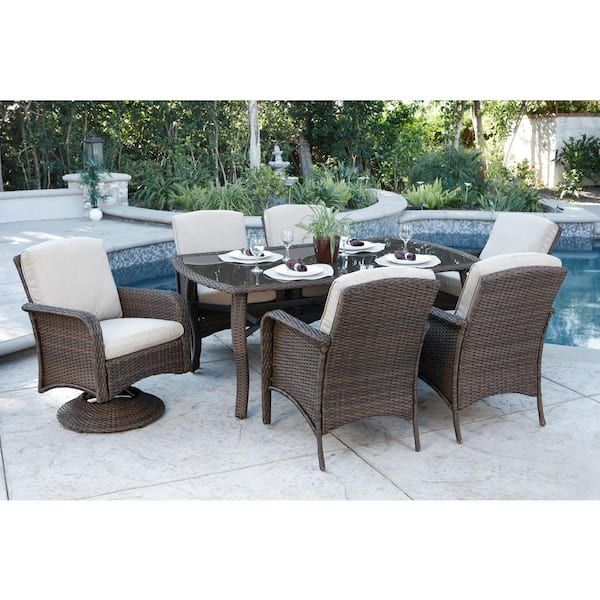
Gardens aren’t just about pretty flowers and greenery anymore. They’ve become the heart of our outdoor living spaces, where we relax, entertain, and find peace. But making a garden truly comfortable and stylish requires more than just planting pretty plants. It’s about creating an environment that feels like a natural extension of your home – a place where you want to spend time, whether it’s sipping morning coffee or hosting dinner parties under the stars.
When you think about your ideal outdoor space, what comes to mind? Maybe it’s a cozy seating area surrounded by fragrant blooms, or perhaps a sun-drenched spot perfect for reading. The truth is, gardens have evolved far beyond simple planters and pathways. Today’s garden settings are designed to be functional, beautiful, and deeply personal. They’re places where comfort meets aesthetics, where every element serves both form and function. This isn’t just about making your garden look good – it’s about crafting a space that truly works for you, where you can unwind, entertain, and enjoy the outdoors regardless of weather or season.
Understanding Your Garden’s Natural Flow
Every garden has its own personality, shaped by sunlight patterns, soil conditions, and the natural contours of your land. Before adding any furniture or decorative elements, take some time to walk through your space at different times of day. Notice where the morning sun hits, where shadows fall, and how the wind moves through different areas. This understanding becomes your foundation for thoughtful design. Consider how people naturally move through your garden. Are there established paths that lead from one area to another? These pathways often become the backbone of your outdoor room layout.
The key is to let your garden’s natural character guide your choices rather than forcing everything into a rigid plan. For instance, if you have a large tree that provides excellent shade, consider building your seating area around it. You might even add a pergola or canopy to enhance that shaded zone, creating a perfect retreat during hot summer afternoons. The goal isn’t to fight nature, but to work with it.
Choosing the Right Seating and Furniture
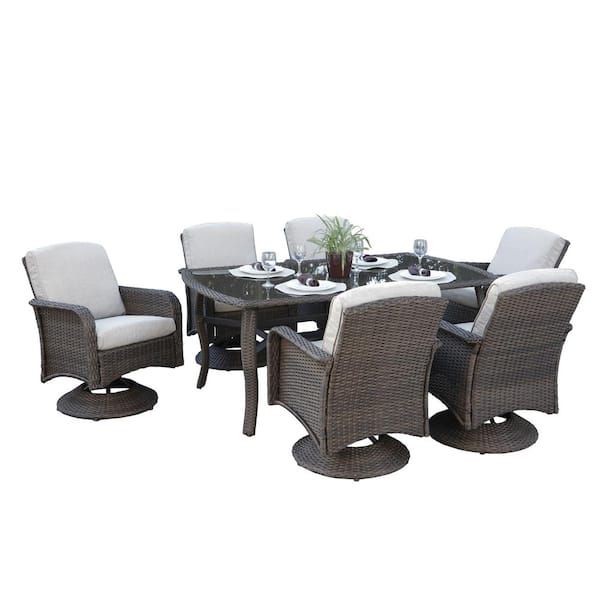
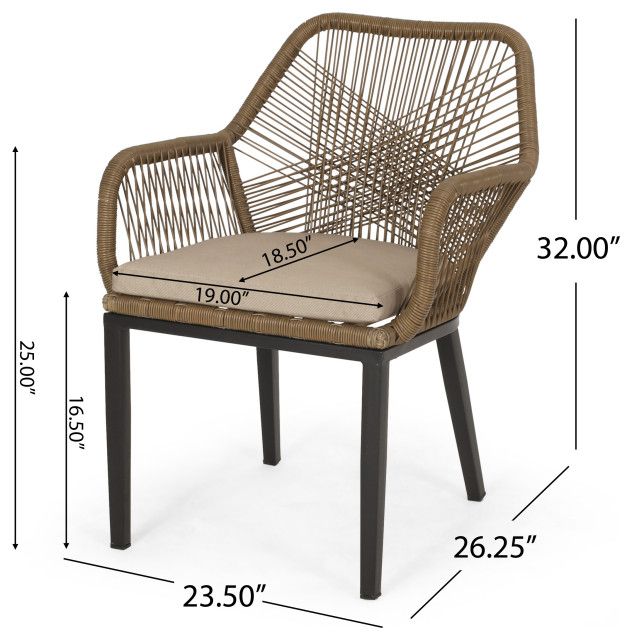
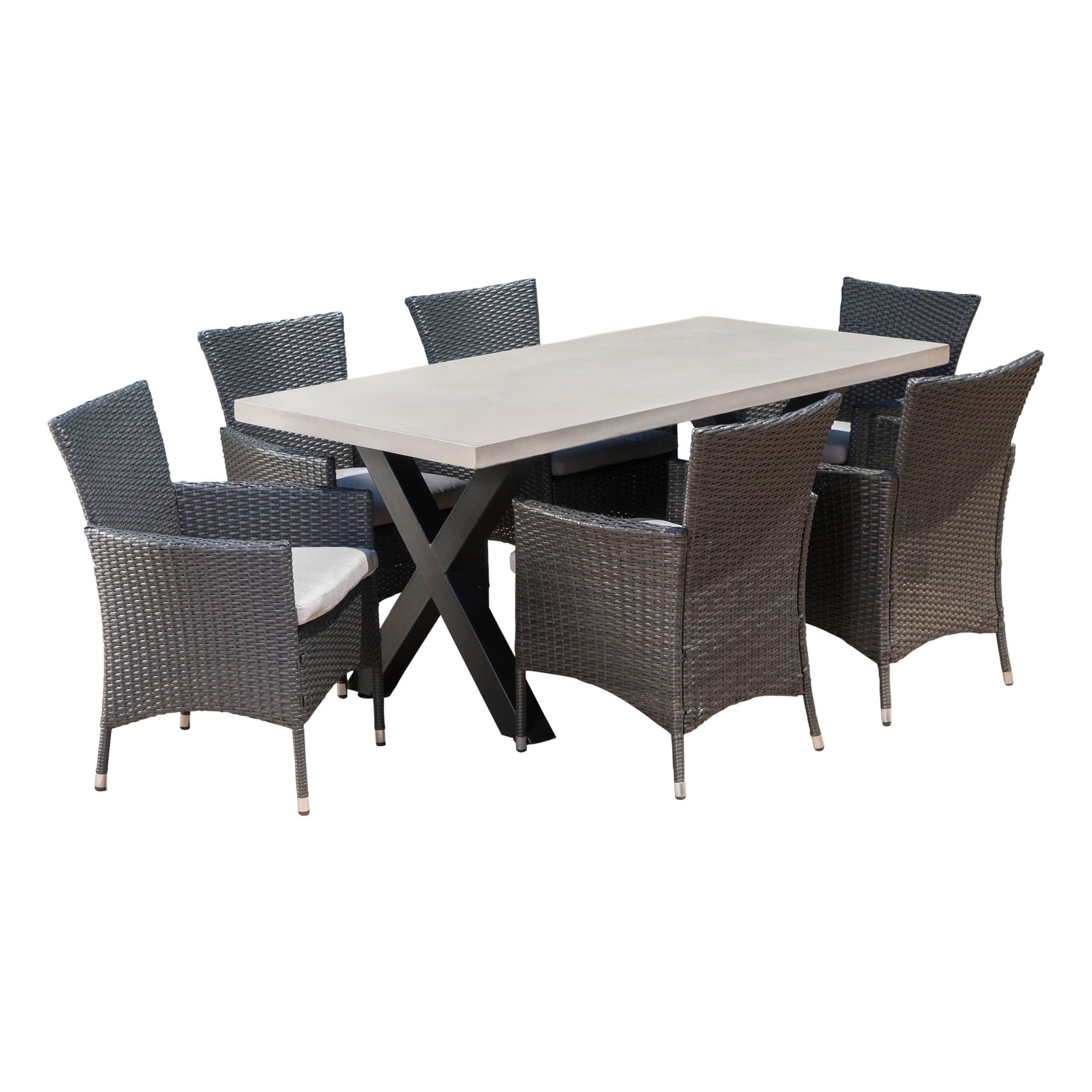
Comfortable seating is the cornerstone of any great garden setting. You’ll want to select pieces that not only look good but can handle outdoor conditions too. Look for materials like weather-resistant wicker, teak wood, or aluminum frames that won’t rust or warp in the elements. Don’t forget about cushions – they’re essential for comfort and can completely transform the look and feel of your space.
Consider your lifestyle when choosing furniture. If you love entertaining, invest in a conversation area with multiple chairs and maybe a small side table. For quiet moments, a single lounge chair or a small bistro set might be perfect. Remember that less can often be more in outdoor spaces. Too much furniture can make an area feel cramped and cluttered.
Pro tip: Add some variety to your seating options. Mix different heights and shapes to create visual interest. A low bench, a tall chair, and a comfortable armchair can all work together to create a dynamic seating arrangement that feels both relaxed and intentional.
Lighting That Sets the Mood
Lighting can completely change your garden’s atmosphere and usability. Good outdoor lighting goes beyond just turning on a few lights – it’s about creating layers of illumination that serve different purposes. Start with ambient lighting that provides general illumination for safety and navigation. This might include path lights along walkways or larger fixtures near seating areas.
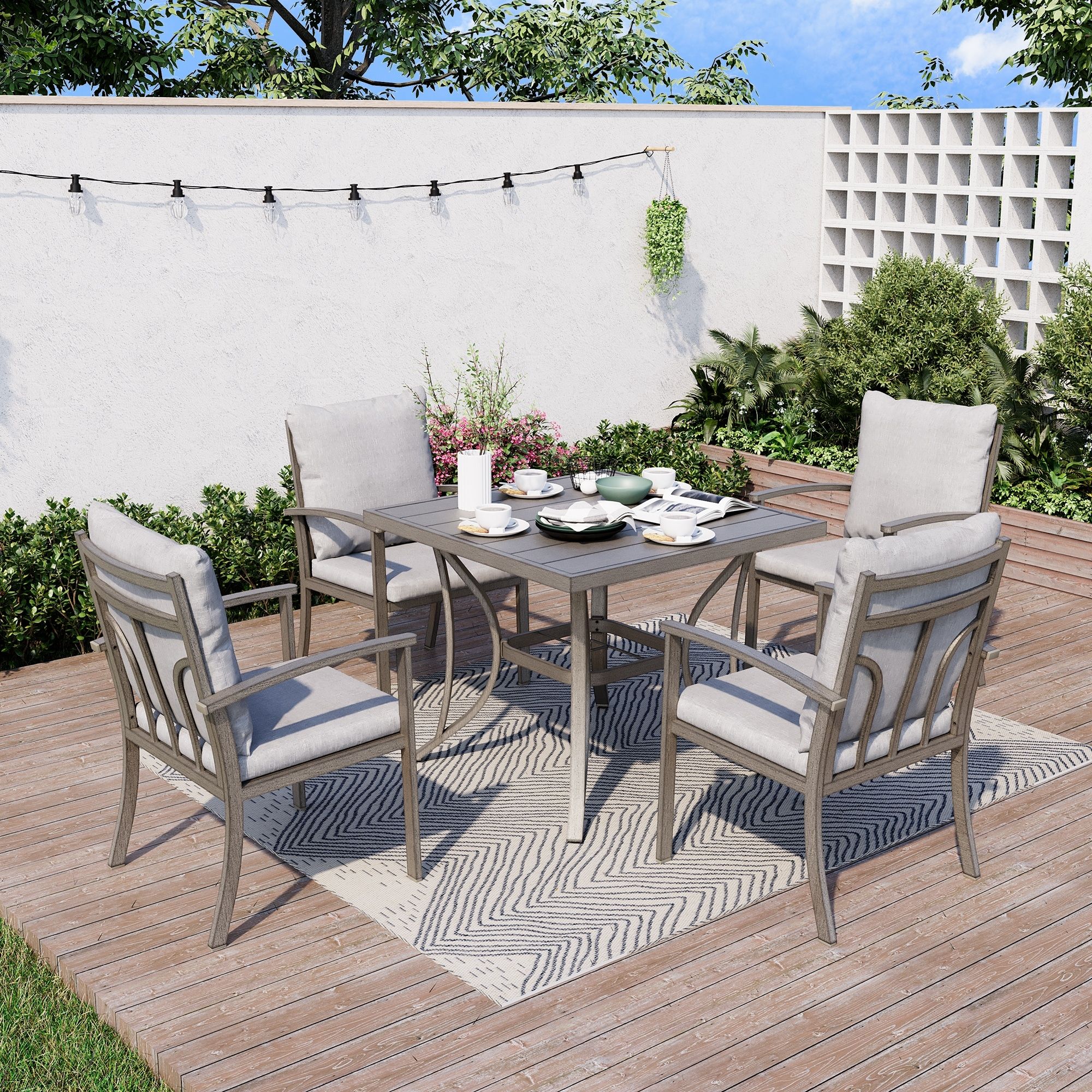
Then add accent lighting to highlight special features like artwork, trees, or architectural elements. String lights can create a magical atmosphere for evening gatherings, while lanterns or candles provide intimate, soft light for romantic dinners.
Think about what you want to accomplish with your garden after dark. Do you want it to be a space for entertaining guests? Or do you prefer a quieter, more contemplative environment? Your lighting choices should support those goals. For example, if you love hosting barbecues, you’ll want bright, focused lighting over your cooking area, while your dining zone might benefit from softer, warmer light.
Also consider the practical aspects of lighting. Solar-powered options are convenient and eco-friendly, especially for accent lighting along pathways. But for main areas, you might want to connect lights to your electrical system for more reliable performance.
Incorporating Plants Strategically
Plants are more than just decoration – they’re the living elements that define your garden’s character and comfort. When selecting plants, consider more than just their appearance. Think about how they’ll perform in your specific climate and soil conditions, and how they’ll change throughout the seasons.
A well-designed garden includes plants that offer year-round interest. Choose a mix of perennials that return each spring, annuals for seasonal color bursts, and evergreens for structure and privacy. Consider the mature size of plants before placing them, so you don’t end up with overcrowded spaces that require constant pruning.
One effective approach is to group plants by their water and light requirements. Put drought-tolerant plants in sunny spots, and moisture-loving varieties where they’ll get adequate water. This creates a more sustainable garden that’s easier to maintain.
Don’t overlook the importance of texture and height variation. Taller plants can provide screening, while ground covers soften hard edges and create a more natural look. Adding herbs to your garden isn’t just practical for cooking – it also brings wonderful scents and textures that enhance the overall experience.
Creating Functional Zones Within Your Space
Even small gardens can benefit from having distinct zones for different activities. This approach helps you make the most of limited space while creating a sense of organization and purpose. Think about how you actually use your outdoor space and design areas accordingly.
A dining zone might include a table and chairs, possibly with a canopy or umbrella for shade. An entertainment area could feature a fire pit or outdoor kitchen, while a relaxation zone might have comfortable seating and perhaps a small water feature. Each zone should have its own character but still feel connected to the whole garden.
Consider using plants or hardscaping elements like raised beds or patios to define these different areas. This creates a sense of separation without feeling cut off. For instance, a row of ornamental grasses can softly separate a dining area from a seating area, while a small stone pathway can guide visitors between different zones.
Remember that functionality and beauty don’t have to be mutually exclusive. A fire pit can serve as both a focal point and a gathering place, while a well-planned herb garden can be both practical and visually appealing.
Adding Personal Touches and Accessories
The final elements that make a garden truly special are the personal touches that reflect your unique style and interests. These aren’t necessarily expensive items, but they create that sense of ‘this is mine’ in your outdoor space.
Artwork, whether it’s sculptures, wall hangings, or even repurposed items like vintage signs, can add personality and draw attention to certain areas. Water features, from small fountains to larger ponds, bring movement and sound that can make a garden feel more alive and peaceful.
Outdoor rugs can define seating areas and add color and texture to otherwise plain concrete or stone surfaces. They also make the space feel more inviting and lived-in. Consider weatherproof options that can handle the elements, and choose patterns or colors that complement your overall design scheme.
Don’t forget about practical accessories like storage solutions, outdoor lighting controls, and even comfortable footwear for walking barefoot on grass. These small details often make the biggest difference in how comfortable and enjoyable your garden feels.
Creating a garden that balances comfort and style isn’t about following trends or spending a fortune on designer pieces. It’s about understanding your space, your lifestyle, and what makes you feel happy and relaxed outdoors. Whether you have a sprawling backyard or a tiny balcony, the principles remain the same: thoughtful planning, quality materials, and personal touches that make the space uniquely yours.
Remember, gardens evolve over time. What starts as a simple seating area can grow into a complex outdoor room with multiple functions. The key is to start with what you know you need and want, then let the space develop naturally as you discover new uses for your outdoor area. With careful attention to comfort, style, and functionality, your garden can become the most treasured part of your home – a place where you truly want to spend time, regardless of the season or weather outside. After all, the best gardens are those that feel like a natural extension of your indoor life, seamlessly blending the beauty of nature with the comfort of home.