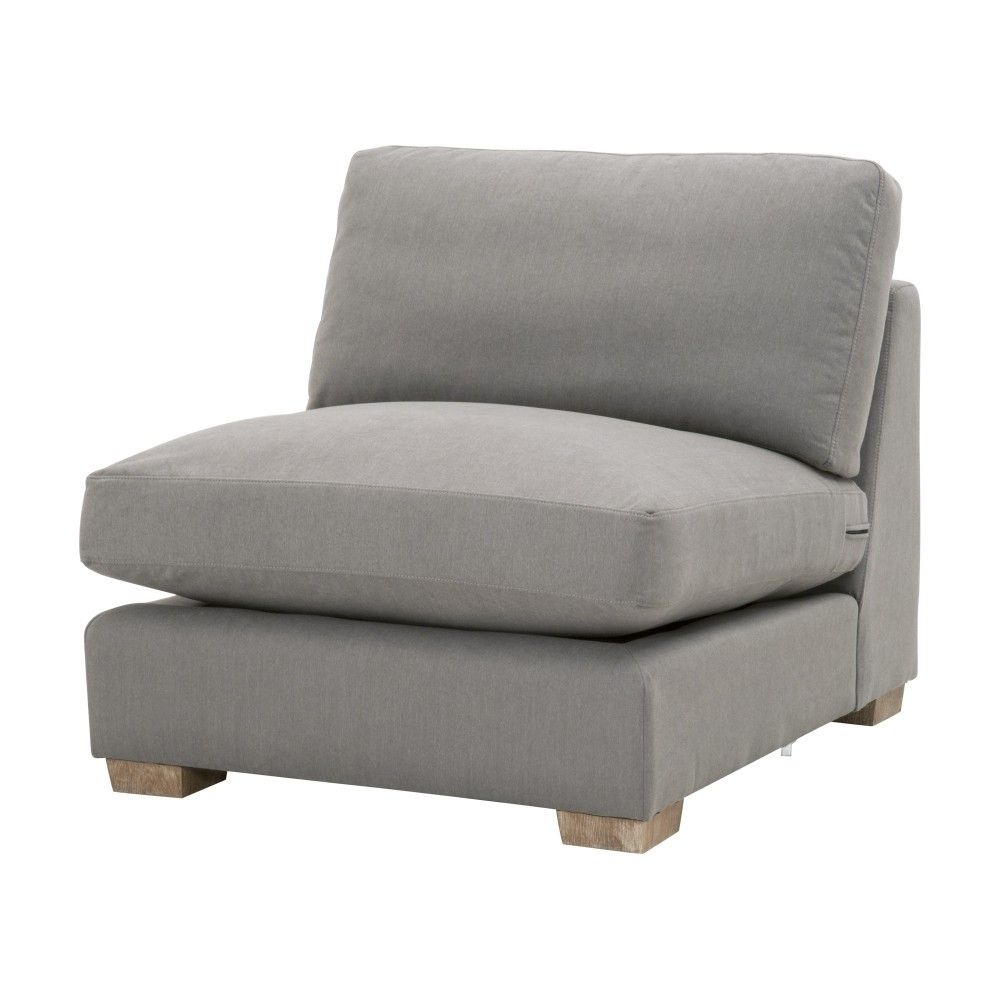
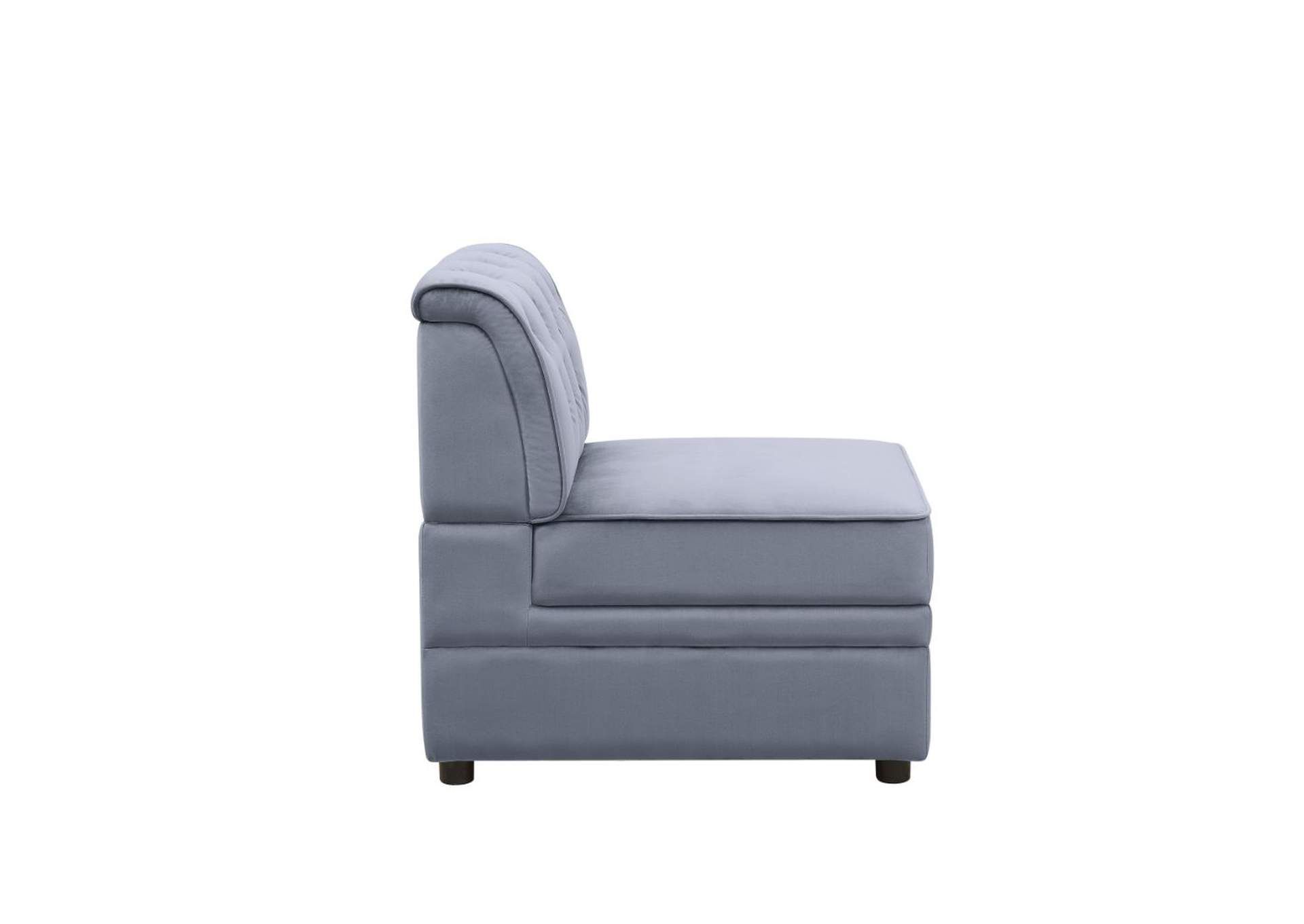
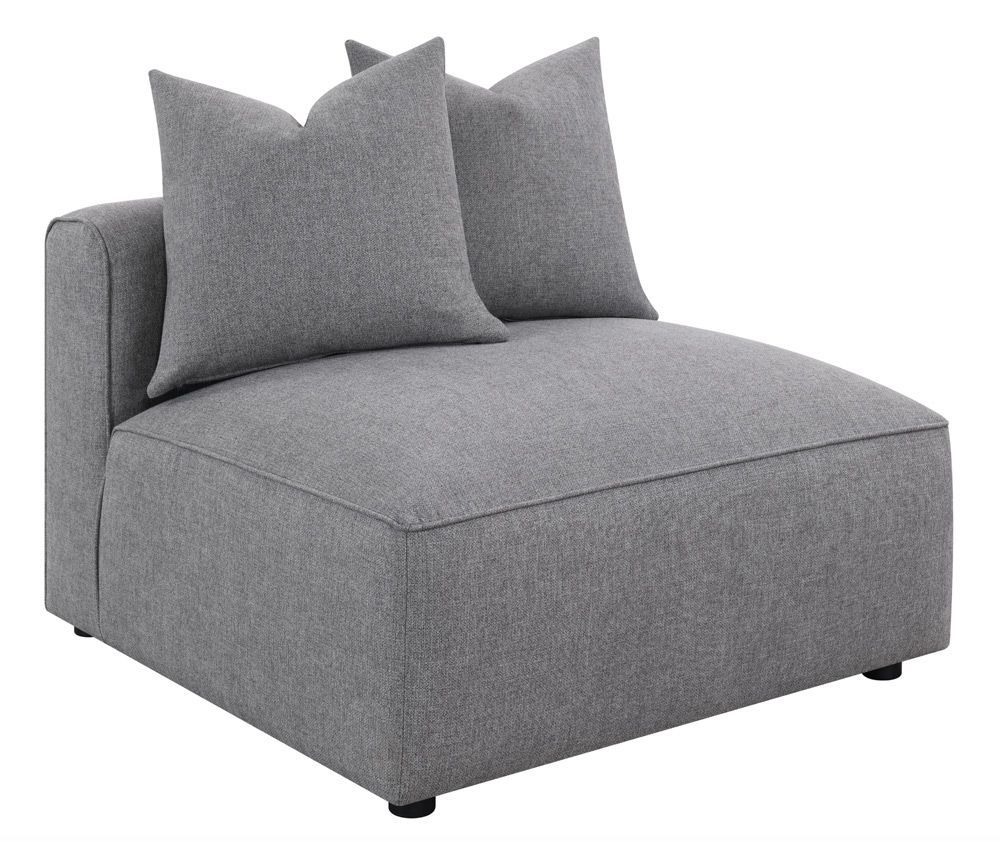
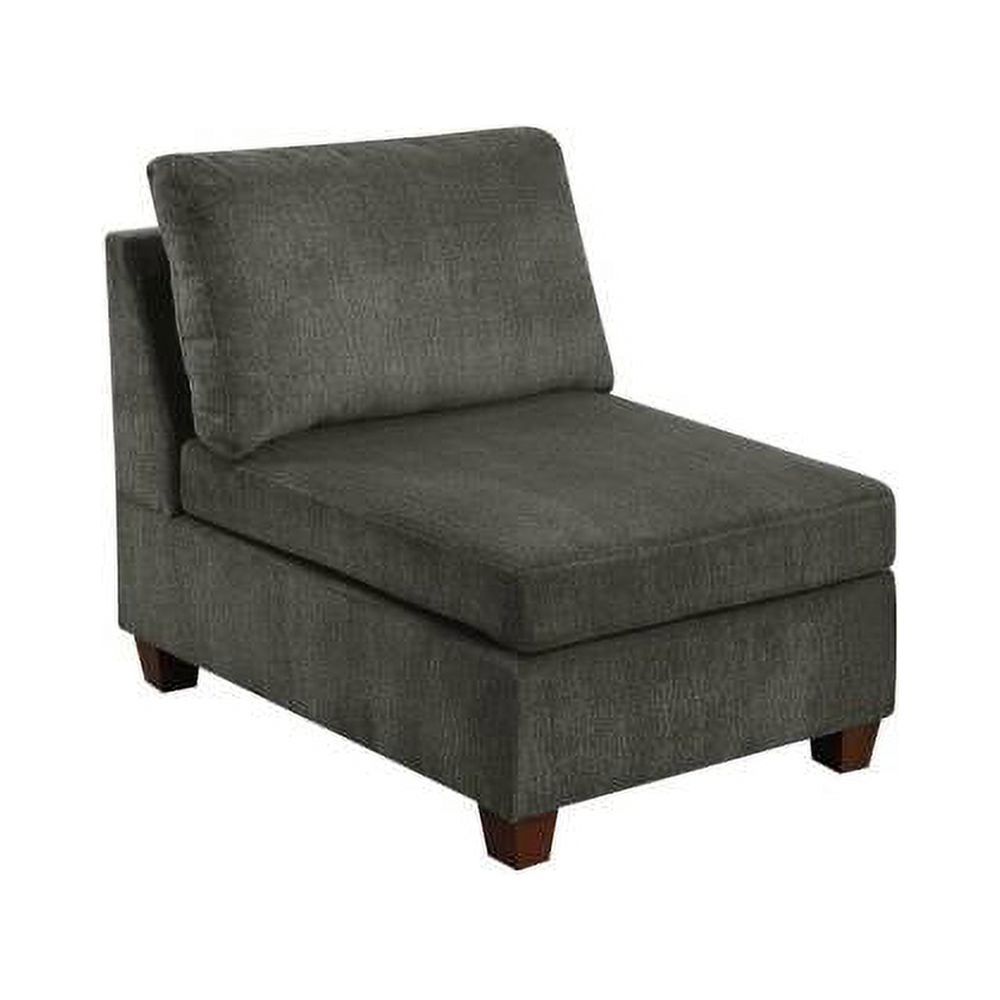
In a world where our lives constantly shift and evolve, the furniture we surround ourselves with needs to keep pace. Enter Belen Kox, whose groundbreaking approach to contemporary seating shows us how adaptability isn’t just a feature—it’s the foundation of truly meaningful design. Her work challenges us to rethink what seating can be, transforming rigid pieces into dynamic solutions that grow with our lifestyles.
Imagine walking into a room where every chair, sofa, and bench seems to breathe with life. Not because it’s new or flashy, but because it understands something fundamental about how we live now. This is the world Belen Kox has created through her innovative approach to seating design. Her philosophy isn’t about creating static furniture that sits in one position forever. Instead, she focuses on crafting pieces that respond to our changing needs, our evolving habits, and our shifting environments. It’s a radical departure from traditional furniture thinking, yet somehow feels completely natural when you experience it. What if your seating could adjust not just physically, but emotionally? That’s exactly what Kox has mastered.
Designing for Life’s Unpredictability
Belen Kox doesn’t just design chairs and sofas. She designs solutions for the chaos of modern living. Her seating pieces aren’t built to last forever in one form—they’re designed to transform over time. Think about how many times you’ve found yourself rearranging furniture, trying to make space for a new baby, or adapting to a home office setup. Traditional seating often forces you to choose between comfort and flexibility. Kox’s approach eliminates that dilemma entirely.
Her designs incorporate elements like modular components, adjustable features, and multi-functional capabilities. A single piece might serve as a dining chair, a reading nook, or even a small workspace. The key insight here is that adaptability isn’t just about physical changes—it’s about designing for the mental flexibility we all need. When furniture can shift with our moods and circumstances, it becomes part of our daily story rather than just a backdrop to it.
Consider how often we find ourselves needing different types of support throughout the day. Morning coffee requires one kind of seating, afternoon work demands another, and evening relaxation calls for yet another configuration. Kox’s designs anticipate these shifts, creating furniture that doesn’t just accommodate these transitions but actively enhances them.
The Science Behind Flexible Forms
What makes Kox’s approach so compelling isn’t just its aesthetic appeal—it’s the underlying science of human movement and posture. She studies how people actually sit, move, and interact with their environment. This research informs everything from the angles of armrests to the flexibility of back support systems.
Modern lifestyles have changed dramatically. We’re no longer sitting at desks all day—we’re working from couches, eating meals while standing, and multitasking in ways that would have been unimaginable decades ago. Kox’s designs respond to these realities by incorporating ergonomic principles that support natural body movements. Her seating pieces often feature adjustable lumbar support, customizable seat depth, and articulating backrests that can change position based on activity.
The materials she chooses play a crucial role too. She experiments with flexible fabrics, adaptive foam systems, and innovative structural elements that allow for both stability and transformation. These aren’t just trendy choices—they represent careful consideration of how materials behave under different conditions and pressures. The result is furniture that adapts not just to our bodies, but to our expectations and needs.
Creating Spaces That Evolve
One of the most fascinating aspects of Kox’s work is how she thinks about entire spaces rather than individual pieces. Her seating designs are part of larger ecosystems that can evolve with family growth, lifestyle changes, or simply new priorities. A child’s room designed with Kox’s principles can easily transition into a teenager’s study area and eventually become a young adult’s creative workspace.
This approach has particular relevance for urban living, where space is at a premium. In smaller apartments or shared living situations, the ability to repurpose furniture becomes essential. Kox’s modular systems allow users to reconfigure seating arrangements quickly and easily, turning a small dining area into a conversation space or a sleeping area into a home office.
She also considers social dynamics in her designs. How do people interact with each other when seating arrangements change? Can a single piece facilitate both intimate conversations and group discussions? These questions drive much of her design process. The goal isn’t just to make furniture look good—it’s to make it function as a catalyst for better human connection and interaction.
The Emotional Impact of Adaptive Design
Perhaps what sets Kox apart most is her understanding of how furniture affects our emotional well-being. We spend so much time in our seats—whether at work, at home, or on the go—that the quality of that seating can significantly impact our mood and productivity. Her designs recognize this and work to enhance rather than diminish our emotional state.
Flexible seating allows people to create their optimal environment for any given moment. Someone might feel energized by a high-back chair during a brainstorming session, but relaxed in a low-profile sofa during a quiet evening. The ability to make these adjustments consciously creates a sense of control and ownership over one’s environment. This psychological benefit alone makes adaptive design incredibly valuable.
Kox also considers how seating can reflect personal identity and growth. As people develop and change, they want their surroundings to reflect those transformations. Her furniture provides a canvas for personal evolution, offering the same core structure while allowing for different expressions and configurations over time. This isn’t just about utility—it’s about creating a relationship between person and object that deepens over time.
Practical Applications in Daily Life
The beauty of Kox’s approach lies in its practicality. You don’t need to be a designer or have a large budget to benefit from adaptable seating. Many of her concepts translate beautifully into everyday scenarios:
• Home offices that can easily transform from workspaces to family gathering areas
• Living rooms that adapt to accommodate guests, children, or quiet reading time
• Small spaces that maximize functionality through multi-purpose seating
• Workplaces that encourage movement and collaboration through flexible furniture
Her designs often incorporate simple mechanisms that allow for easy adjustment without requiring technical knowledge. A few quick moves can completely change how a piece functions, making adaptation feel natural rather than forced.
The cost-benefit analysis is particularly compelling. While some might expect adaptive furniture to be expensive, Kox’s focus on longevity and versatility often makes it a better investment than traditional alternatives. A single adaptable piece can fulfill multiple roles over time, reducing the need for multiple separate purchases. This economic advantage pairs nicely with environmental consciousness, as fewer replacements mean less waste and consumption.
Looking Forward: The Future of Adaptive Seating
As we continue moving toward more flexible work arrangements and changing social norms, Kox’s approach becomes increasingly relevant. The pandemic accelerated trends toward hybrid work and remote learning, which means people are spending more time in various environments throughout the day. Seating that can seamlessly transition between home, office, and public spaces will become essential.
Her influence is already being felt across the industry. Other designers are adopting similar principles of modularity and adaptability, recognizing that customers increasingly value furniture that can grow with them. The concept of ‘lifestyle furniture’ is gaining traction, where pieces are designed to match the dynamic nature of modern living rather than fit rigid categories.
Technology integration represents another frontier for adaptive seating. Smart sensors, automated adjustments, and connectivity features could take Kox’s approach even further. Imagine seating that automatically adjusts to your posture and provides gentle reminders to stand or move. While these technologies are still emerging, the foundational principles of adaptability that Kox champions provide a solid framework for future innovations.
The broader message is clear: furniture shouldn’t be a static element in our lives. It should be a responsive partner in our journey through different stages of existence. Kox’s work shows us that thoughtful design can create furniture that evolves with us, rather than simply existing in fixed forms.
Belen Kox’s approach to contemporary seating offers more than just new furniture—it provides a new way of thinking about our relationship with the objects around us. Her emphasis on adaptability transforms seating from passive furniture into active participants in our daily experiences. When we consider how much time we spend seated, it becomes clear that investing in adaptable, thoughtful design makes sense on multiple levels.
Whether you’re redesigning your home office, planning a new apartment, or simply looking to upgrade your seating options, Kox’s principles offer valuable guidance. Her work reminds us that great design isn’t about creating perfect static forms—it’s about crafting solutions that can bend, stretch, and reshape to meet the ever-changing demands of human life. In a world that’s constantly shifting, that kind of flexibility isn’t just useful. It’s essential. The question isn’t whether we need adaptable seating anymore—it’s how we can embrace this evolution to make our spaces more responsive to who we are today and who we might become tomorrow.