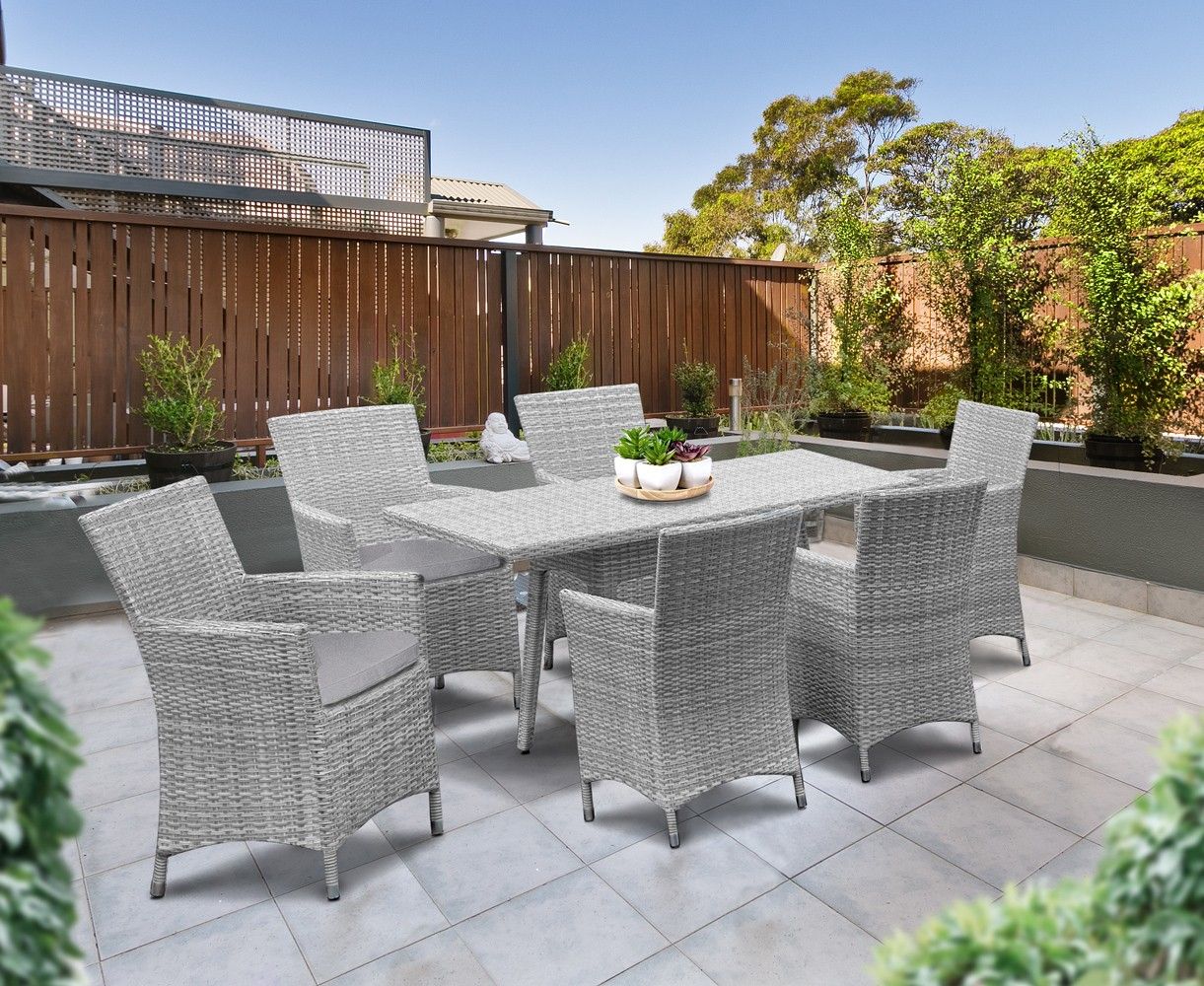
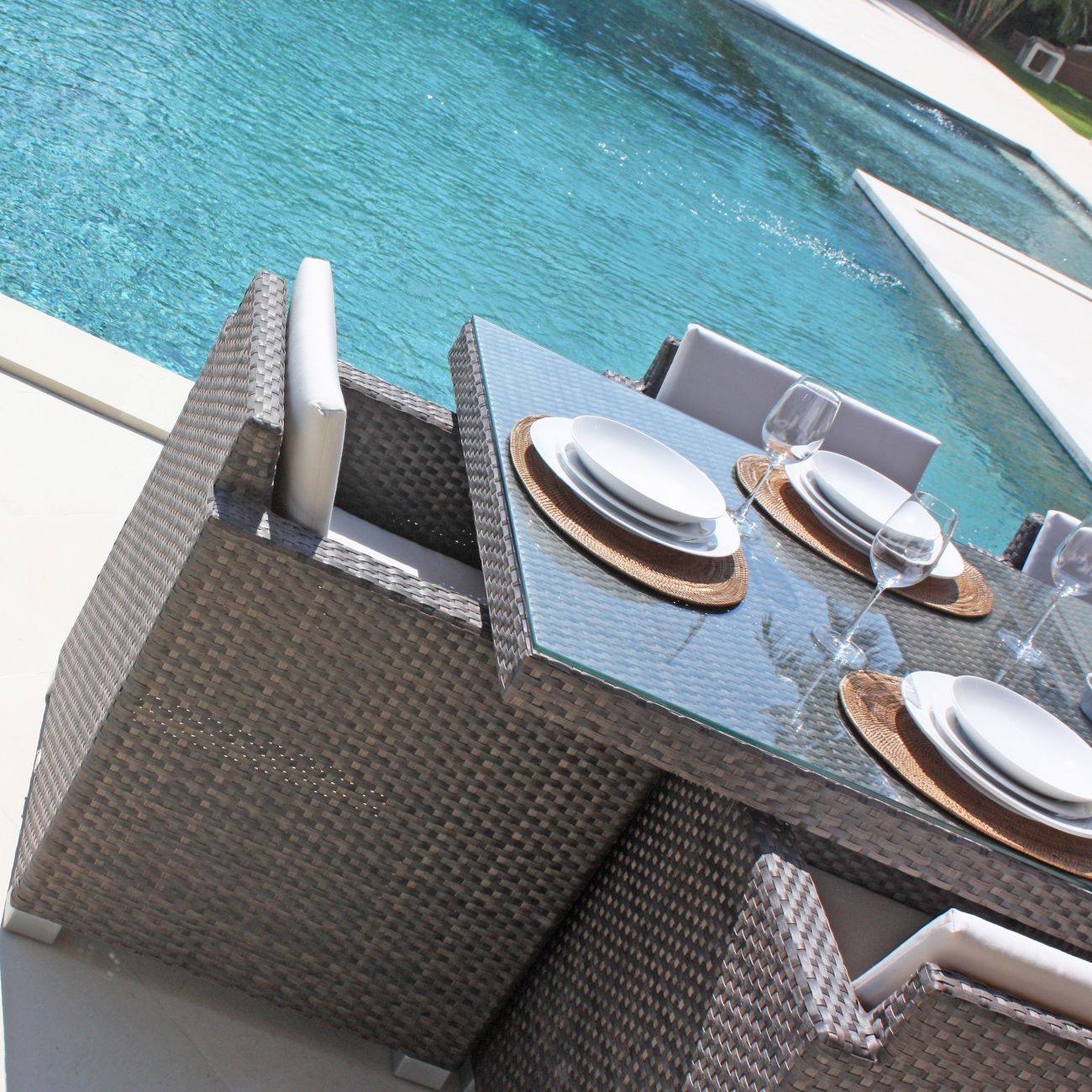
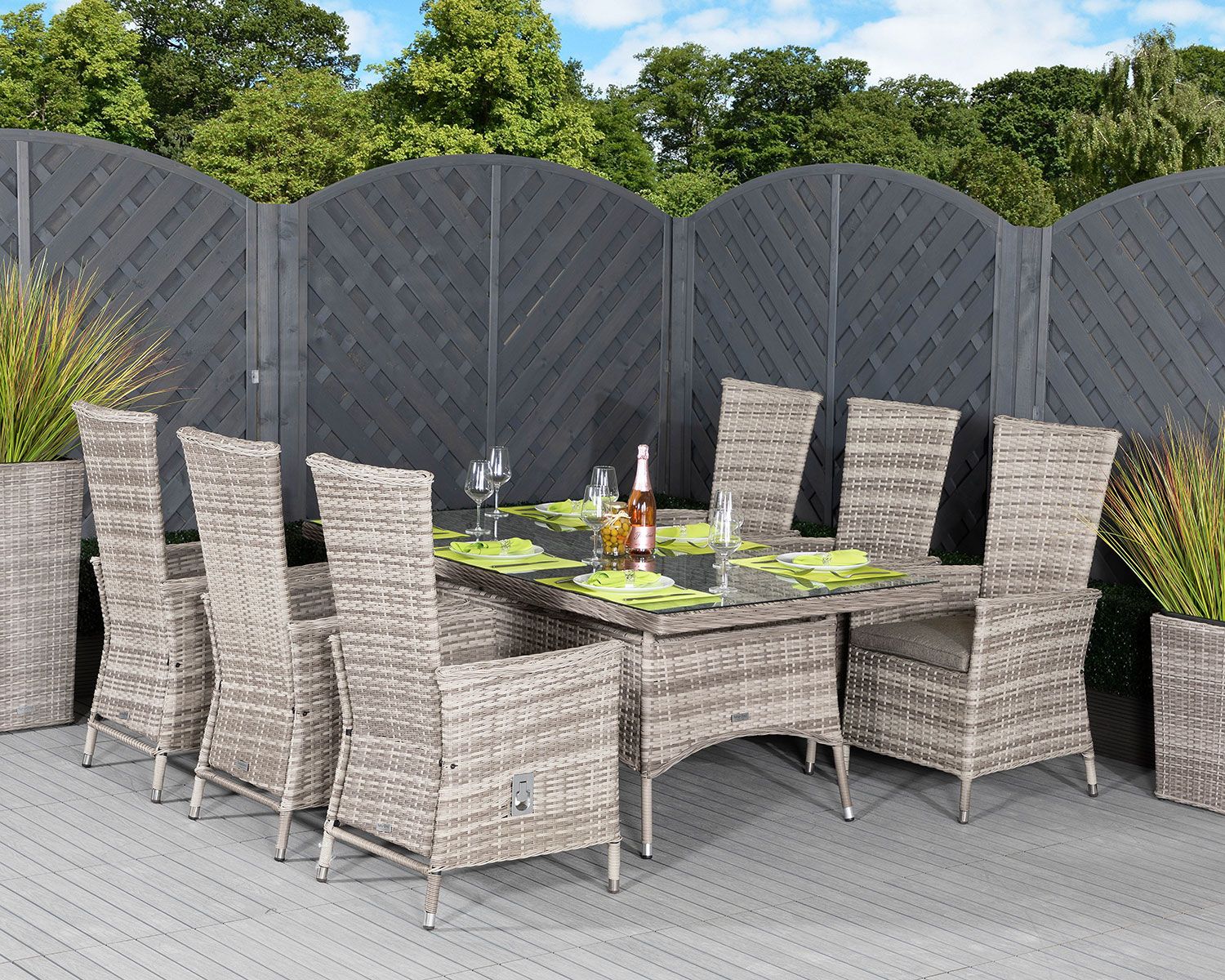
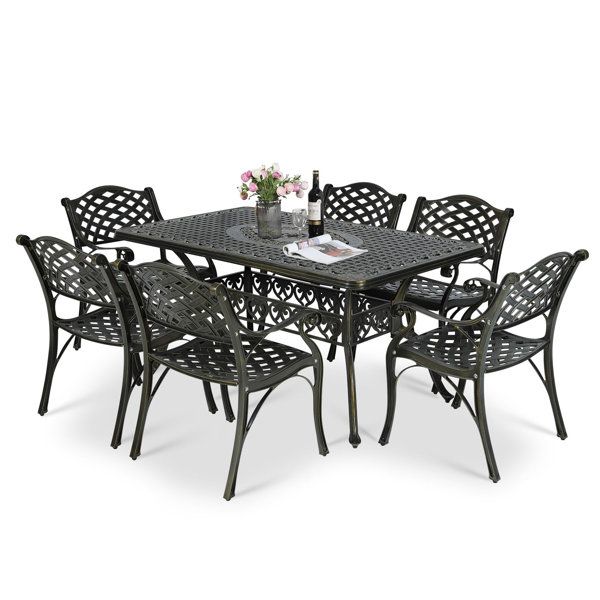
There’s something magical about wicker armchairs that makes them the perfect centerpiece for any comfortable seating arrangement. They blend timeless elegance with practical comfort, creating spaces where people naturally want to linger. Whether you’re designing a living room, garden area, or cozy reading nook, wicker chairs offer that special touch that transforms good seating into great experiences.
When it comes to creating inviting seating areas, few pieces have the versatility and charm of wicker armchairs. These timeless furnishings don’t just sit in a room – they become the heart of social interactions, quiet contemplation, and casual conversations. What makes wicker so special isn’t just its aesthetic appeal, but how it adapts to different spaces and functions. From the bustling energy of a family room to the serene atmosphere of a garden patio, wicker armchairs provide that crucial element of comfort that makes people want to stay longer. The right arrangement can turn a simple gathering into a memorable experience.
Understanding Wicker Chair Characteristics
Wicker armchairs come in many forms, each with unique properties that affect how they fit into different settings. The material itself – whether natural rattan, synthetic fibers, or woven bamboo – impacts both durability and comfort. Natural wicker tends to be more breathable, making it ideal for warmer climates, while synthetic options often offer better resistance to weather and wear. The weave pattern also matters significantly. Tighter weaves provide more support and structure, whereas looser weaves offer greater flexibility and comfort. Consider the chair’s height, armrest design, and overall silhouette when planning your arrangement. A well-designed wicker chair should feel like a gentle embrace rather than a rigid structure. For example, a chair with curved arms and soft padding will create a more welcoming feeling than one with sharp edges and hard surfaces.
The Psychology of Seating Layouts
People naturally gravitate toward seating arrangements that encourage conversation and connection. When you place wicker armchairs strategically, you’re not just arranging furniture – you’re creating an environment that supports human interaction. Think about the classic triangle formation, where three chairs form a circle or semi-circle. This setup promotes eye contact and easy communication between all participants. The angle of the chairs matters too. Facing slightly inward creates intimacy, while facing outward invites openness. Consider how people move around the space and where they’ll naturally gather. A good rule of thumb is to leave enough room for people to slide in and out comfortably without bumping into others. Remember, seating arrangements should feel effortless, not forced. The most successful layouts allow people to find their preferred spot without effort, creating that sense of belonging that makes a space truly comfortable.
Spatial Planning Essentials
Before placing any wicker armchairs, think about the room’s purpose and flow. Start by identifying focal points – perhaps a fireplace, window view, or entertainment center – and arrange chairs to enhance these features. Measure the available space carefully, accounting for traffic paths and furniture movement. A general guideline is to allow at least 36 inches of clearance around each seating area. When dealing with multiple chairs, consider mixing heights and shapes to create visual interest. A tall wicker chair next to a shorter one can add dimension to your arrangement. Don’t forget about practical elements like electrical outlets and lighting. You might want to position chairs near a lamp or table light for reading comfort. Sometimes, the most effective layout uses fewer chairs strategically placed rather than spreading many chairs across a large area. Less can often be more when creating comfortable zones.
Comfort Factors Beyond Seating
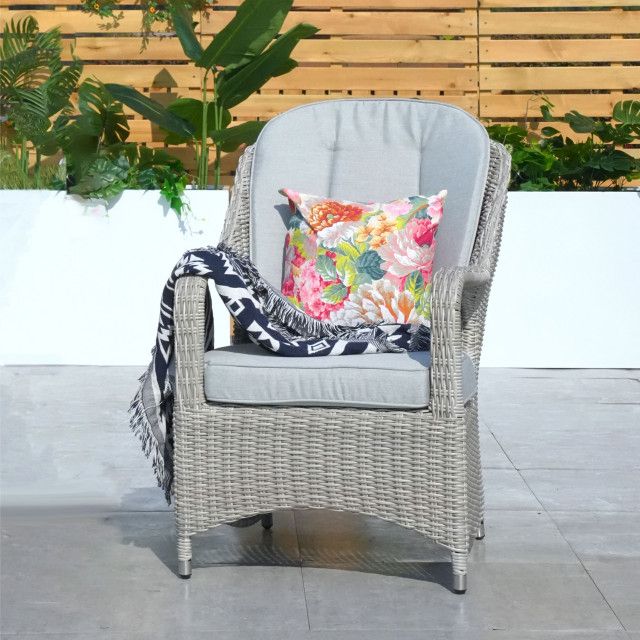
True comfort extends beyond the chair itself. Consider how the entire seating zone feels to users. Temperature plays a significant role – wicker chairs in direct sunlight can become uncomfortably hot, while those in shaded areas may feel cool. The surrounding environment matters enormously. Adding soft throw pillows, blankets, or even a small side table nearby can dramatically improve comfort levels. The surface texture of the floor beneath chairs also affects comfort. Hard floors might benefit from area rugs that soften footsteps and provide warmth underfoot. Lighting choices can make or break a seating area. Soft, ambient lighting works best for relaxation, while brighter lights suit functional areas. Remember to account for seasonal changes – what works in summer might not work in winter. A wicker chair arrangement that adapts to changing conditions will serve you better over time.
Mixing and Matching Chair Styles
One of the greatest strengths of wicker armchairs is their ability to complement each other beautifully. You don’t need identical chairs to create harmony – in fact, variety often enhances visual appeal. Try pairing a classic wicker chair with a modern design, or mixing natural and dyed wicker pieces. The key is maintaining consistent proportions and scale. A large, ornate wicker chair shouldn’t be paired with tiny, delicate ones unless that’s the intentional effect. Color coordination helps tie everything together. Choose a dominant color palette and select complementary shades for accent pieces. For instance, if you have brown wicker chairs, consider adding cushions in cream or soft green tones. The goal is to create balance rather than uniformity. Sometimes, contrast works better than sameness. A white wicker chair against dark wood furniture can create a striking visual that draws attention and adds character to the space.
Practical Tips for Long-Term Comfort
Creating lasting comfort requires thoughtful consideration of daily use and maintenance needs. Wicker chairs should be positioned where they’ll receive minimal wear from foot traffic or accidental bumps. Regular cleaning and maintenance prevent deterioration and keep the chairs looking fresh. Consider the weight capacity and stability of chairs, especially in high-traffic areas. A chair that sways or feels unstable will quickly become uncomfortable and potentially unsafe. Think about accessibility – ensure there’s adequate legroom for people of different sizes. Test the arrangement yourself by sitting in various positions to see how it feels. Pay attention to how the chairs interact with other furniture pieces. If a chair consistently gets bumped or moved, it might be in the wrong location. Finally, remember that comfortable seating arrangements evolve over time. Be prepared to adjust the layout as your needs change or as new furniture arrives.
Designing comfortable seating arrangements with wicker armchairs is both an art and a science. It combines understanding of materials, human behavior, and spatial awareness to create environments where people want to spend time. The magic happens when you consider not just how chairs look, but how they feel and function within a larger space. A well-planned arrangement of wicker chairs can transform any area into a welcoming retreat that encourages conversation, relaxation, and connection. Remember that comfort is personal – what works for one person might not work for another. The best seating arrangements are those that accommodate different preferences and needs while maintaining a cohesive aesthetic. With thoughtful planning and attention to detail, your wicker armchair arrangements will become the highlight of your home, providing comfort and joy for years to come.