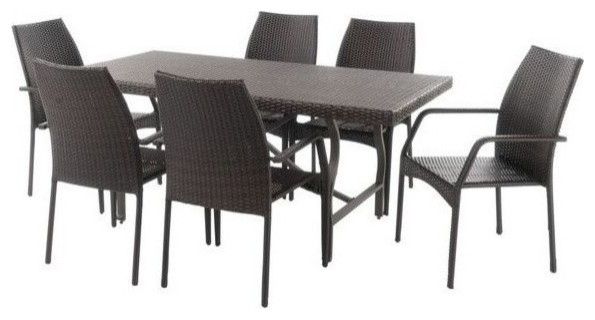
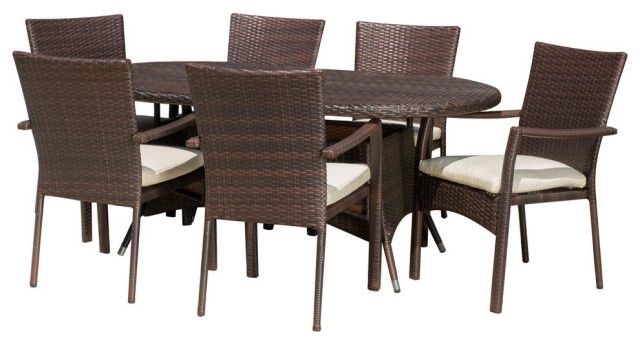
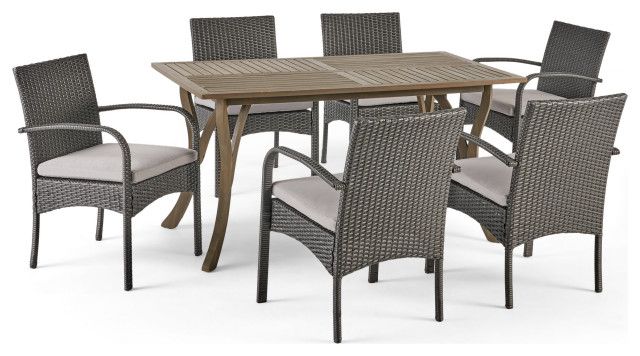
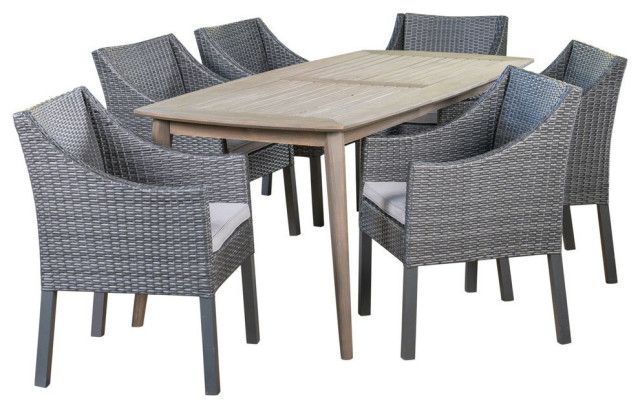
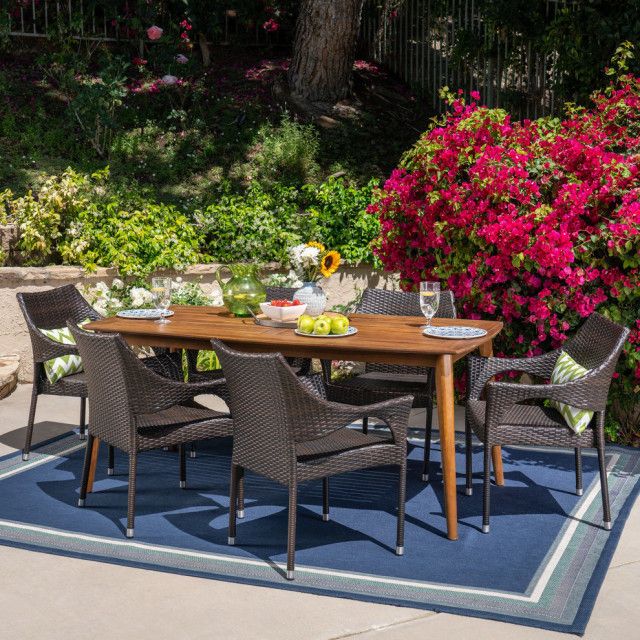
Picture this: you’re relaxing on your patio with a good book, the sun warming your skin, and a gentle breeze rustling through trees. That’s the magic of quality outdoor furniture. It’s not just about looking good – it’s about creating spaces where you actually want to spend time. But how do you pick the right pieces that will last? Let’s explore what makes outdoor furniture truly special.
When it comes to outdoor furniture, we often think of it as just another room addition. But really, it’s about crafting a space that invites you to linger. Whether you have a sprawling backyard or just a small balcony, the right outdoor pieces can transform your area into a place of comfort and connection. The key lies in understanding what makes furniture truly suitable for the elements. What seems like a simple chair or table might hold the secrets to a better outdoor lifestyle. So let’s dive into the essentials that separate good outdoor furniture from great outdoor furniture.
Understanding Material Durability
Material matters more than you might think when selecting outdoor furniture. Think about how different materials handle weather conditions. Aluminum, for instance, resists rust and corrosion beautifully. It’s lightweight and maintains its shape even after years of exposure. On the other hand, teak wood naturally repels water and insects, making it a favorite among those seeking long-term investment pieces. Wicker made from synthetic fibers holds up better against UV rays than traditional rattan. You might wonder why some pieces cost more – it’s often because they’re built with materials designed to last. A well-made aluminum set might cost more upfront, but it could save you money over time compared to cheaper alternatives that need frequent replacement. The durability factor isn’t just about surviving rain and sun – it’s about maintaining comfort and appearance through seasons. Consider your local climate when choosing materials. Coastal areas need more rust-resistant options, while arid regions might favor wood treatments that protect against drying out.
Weather Resistance and Protection
Outdoor furniture faces constant challenges from nature’s elements. Rain, sun, wind, and temperature changes all impact how long your pieces will last. Water damage can warp wood or cause metal to rust. UV rays fade colors and weaken materials. Extreme temperatures can crack plastic or make metal uncomfortable to touch. That’s why checking weather resistance ratings is smart. Look for furniture treated with protective coatings or made from inherently weather-resistant materials. Some manufacturers offer warranties specifically for outdoor use. These aren’t just marketing claims – they reflect actual testing. For example, marine-grade materials are designed to withstand saltwater exposure. If you live near the ocean, investing in these materials makes sense. Even inland, consider how much direct sunlight your furniture gets. South-facing patios get more intense heat and UV exposure. You might need additional protection or choose lighter colors that reflect rather than absorb heat. The right furniture should feel solid and secure, not wobbly or unstable in wind.
Comfort and Ergonomics
A beautiful piece that’s uncomfortable isn’t really useful. Comfort goes beyond just cushioning. It’s about how furniture supports your body and allows you to relax naturally. Back support matters – especially if you plan to spend hours reading or napping. Seat height should match your dining table or lounge area. Too high or too low creates awkward postures. Consider the angle of backrests. A slight recline encourages relaxation, while upright positions work better for conversation. Cushions should be supportive yet soft enough to make sitting enjoyable. Test pieces before buying when possible. If you can’t try them in person, look for detailed photos showing seating angles. The right furniture should feel like a comfortable extension of your indoor living space. It shouldn’t feel foreign or uncomfortable just because it’s outside. Think about how you actually use your outdoor space. Do you want to eat there? Sit and talk? Nap? Choose pieces that support those activities. Sometimes the most practical choice isn’t the most flashy one. A simple, well-designed chair might serve you better than an ornate piece that’s hard to clean.
Maintenance and Longevity
Quality outdoor furniture requires less maintenance than cheaper alternatives, but it still needs care. This isn’t just about cleaning – it’s about understanding how to preserve your investment. Regular cleaning removes dirt and grime that can damage surfaces over time. Some materials need periodic treatment to maintain their appearance and strength. Aluminum frames might need occasional polishing to prevent tarnishing. Wood furniture benefits from annual sealing or staining. Cushions require regular washing or spot cleaning. The key is establishing a routine that fits your lifestyle. You might not have time for weekly deep cleans, but monthly light maintenance keeps things in good shape. Consider storage solutions for harsh winters or extended periods of non-use. Many people find that furniture covers or storage containers extend life significantly. Some items are designed to be left outside year-round, while others benefit from being stored during extreme weather. The most important thing is knowing your furniture’s needs and following through consistently. A little effort now prevents bigger problems later.
Design and Style Integration
Outdoor furniture should blend with your home’s overall aesthetic. It’s not about matching exactly, but creating visual harmony. Consider the architectural style of your house and garden design. Modern homes might pair well with sleek, minimalist outdoor pieces. Traditional homes often benefit from more ornate designs. The colors should complement rather than clash with your existing palette. Earth tones often work well in natural settings. Brighter colors can add energy to simpler spaces. Scale matters too. A large, imposing piece might overwhelm a small deck. Small spaces need proportionate furniture that doesn’t feel cramped. Don’t forget about accessories. Pillows, throws, and plants can tie everything together. These small touches make a big difference in how cohesive your outdoor space feels. You might be surprised how much personality a few carefully chosen accessories can add. The goal is creating a seamless transition between indoor and outdoor living spaces. Your furniture should make you want to stay outside longer, not feel like you’re just passing through.
Budget Considerations and Value
Outdoor furniture prices vary widely, and it’s easy to get caught up in the cheapest option. But remember, you’re investing in something that will be used regularly and exposed to the elements. Quality pieces often cost more initially, but they typically last longer and require fewer replacements. Think about how often you’ll use the furniture. If you entertain frequently, investing in durable pieces makes sense. For occasional use, you might opt for more affordable options. However, avoid the cheapest items that seem like they might not last. They often end up being more expensive in the long run due to repairs or replacements. Set a realistic budget and stick to it. Consider what features matter most to you. Perhaps comfort is priority one, or maybe durability. Prioritizing helps you make better choices within your means. Some retailers offer financing options for larger purchases. This can spread costs over time while still getting quality pieces. Remember that outdoor furniture is a long-term investment. It’s worth spending a bit more on pieces that will give you years of enjoyment. Don’t let price be the only factor – consider what you’ll actually get for your money.
Choosing quality outdoor furniture is really about creating a space where you want to be. It’s not just about aesthetics or durability – it’s about designing an environment that supports your lifestyle and brings joy to everyday moments. When you invest thoughtfully in outdoor pieces, you’re investing in the quality of your time outside. Whether you’re planning a complete outdoor renovation or just adding a couple of chairs, remember that the right furniture should enhance your experience rather than complicate it. Take your time with the process, consider your specific needs, and don’t be afraid to ask questions. The result will be a space that genuinely invites you to relax, connect, and enjoy the outdoors. After all, the best outdoor furniture is the kind that makes you want to return again and again.