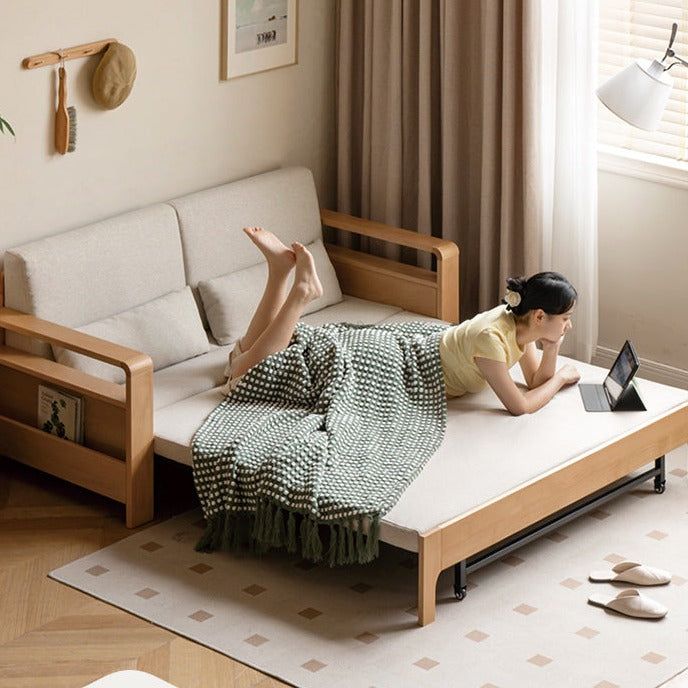
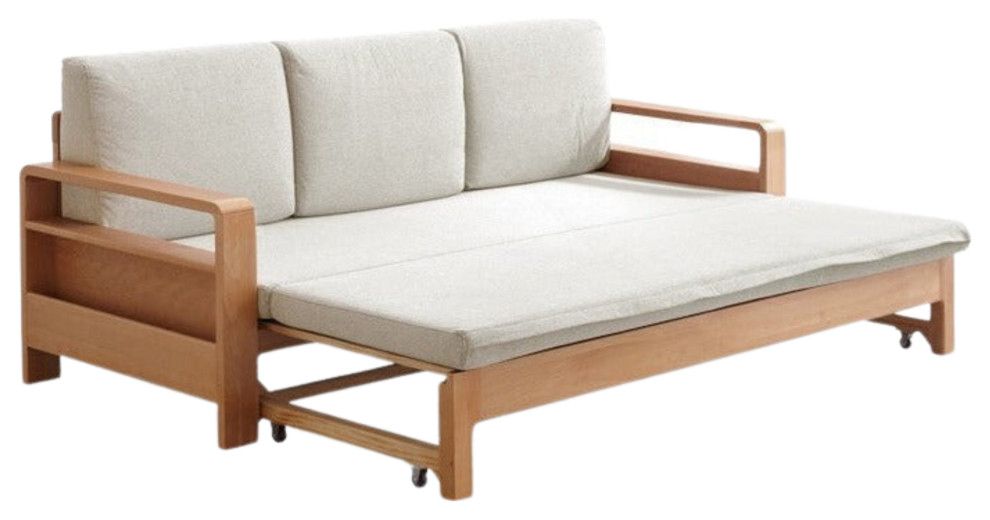
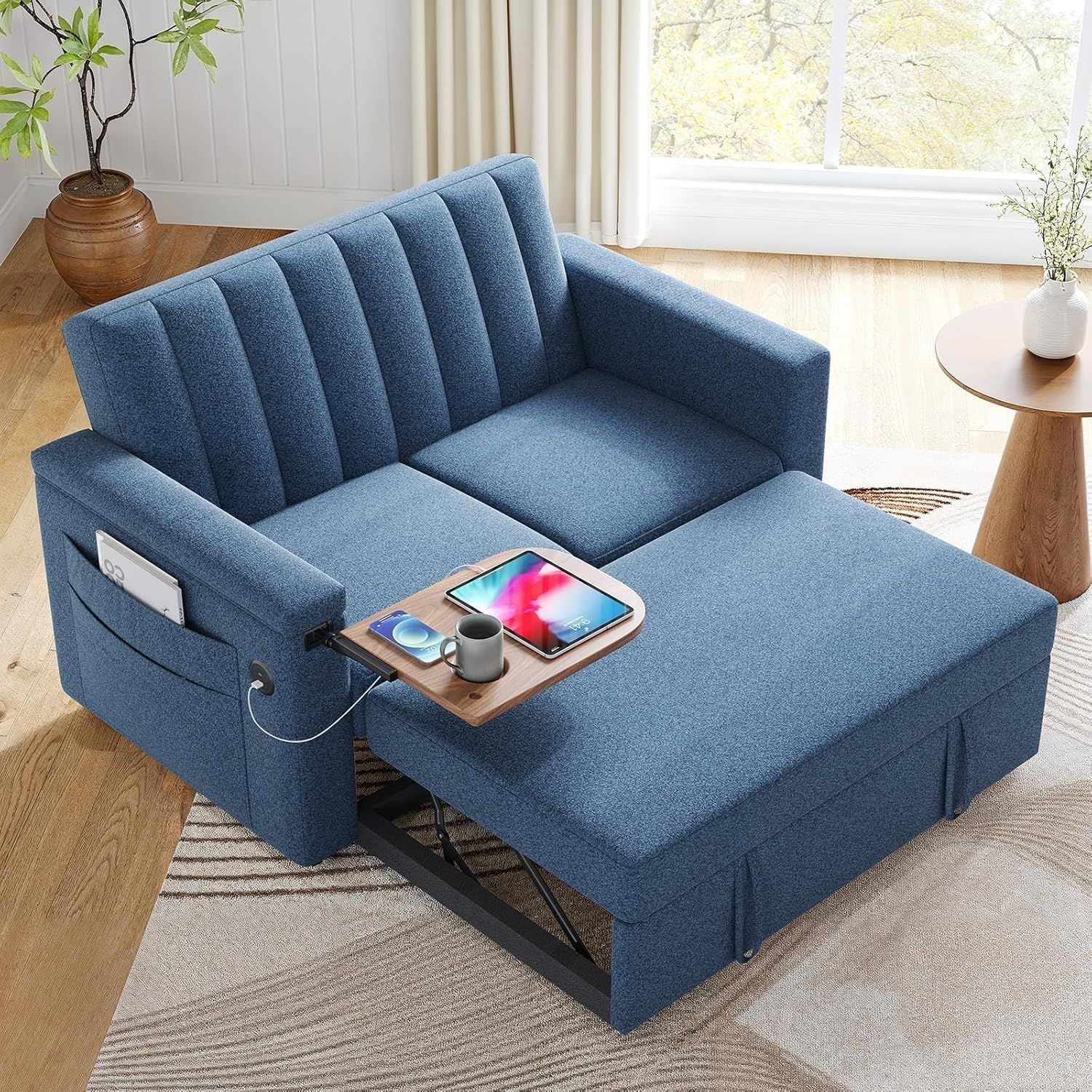
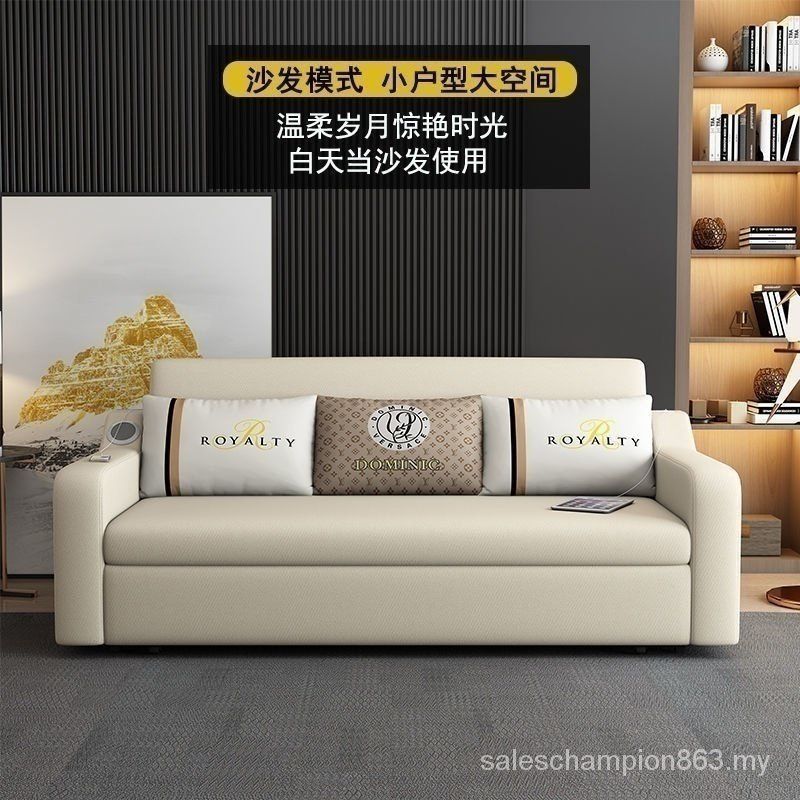
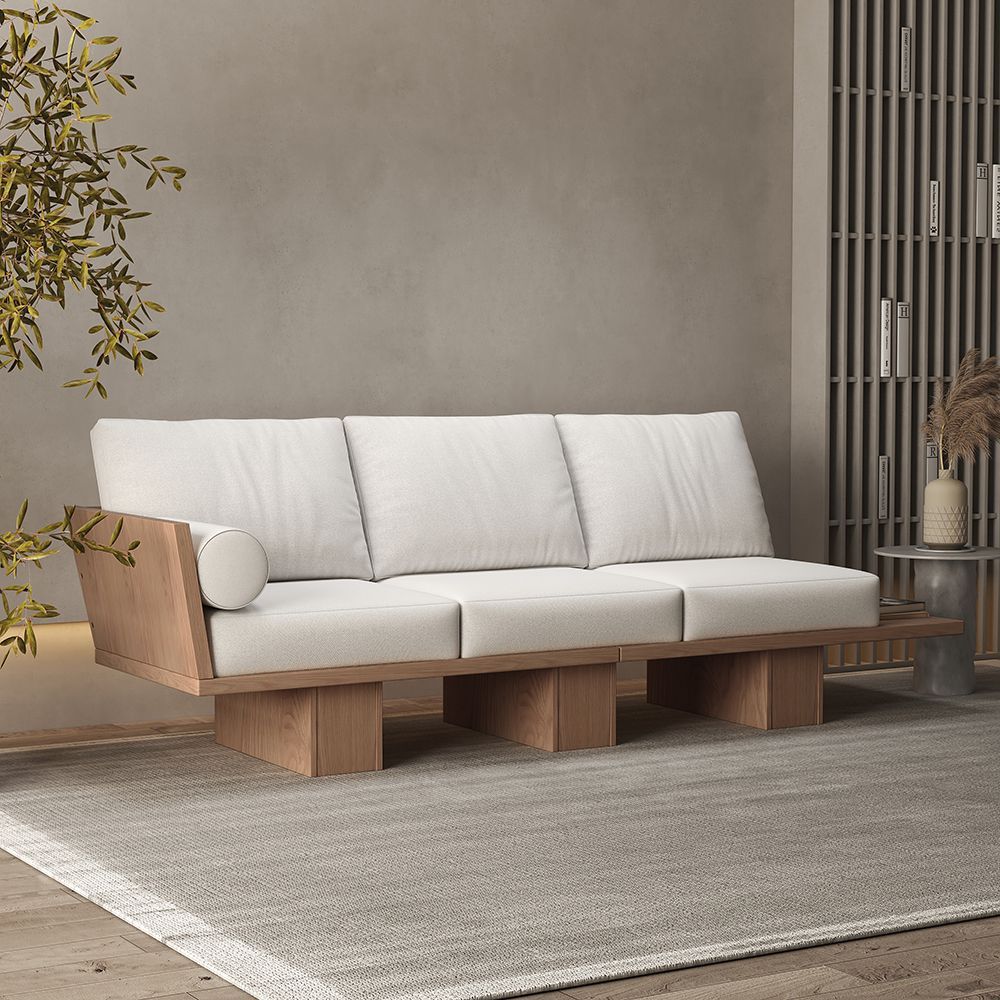
Imagine walking into a home where every piece of furniture seems to know exactly what you need. Where the sofa rearranges itself to fit your family’s growing needs, and the dining table transforms from intimate dinner setting to bustling party space. This isn’t fantasy – it’s the reality that modular furniture brings to modern living. These clever systems don’t just save space; they save lives by creating environments that truly work for you.
In today’s fast-paced world, our homes need to do more than just provide shelter. They must adapt, evolve, and support the changing dynamics of our daily lives. Whether you’re a young professional juggling work-from-home demands, a growing family with kids who need different spaces at different times, or someone who loves hosting gatherings, the way we arrange our furniture matters more than ever. Enter modular furniture systems – flexible solutions that offer unprecedented comfort and functionality. These aren’t just fancy trends; they represent a fundamental shift in how we think about domestic spaces. What if your living room could become a home office, or your dining area could expand to accommodate guests? That’s the magic these systems bring to everyday life.
What Makes Modular Furniture Different?
Modular furniture isn’t just about pieces that fit together – it’s about systems designed with flexibility at their core. Think of it like building blocks, but instead of plastic bricks, you have carefully crafted components that can be reconfigured endlessly. The beauty lies in the simplicity of the concept: basic units that can be combined, separated, and rearranged to meet your exact needs.
Unlike traditional furniture that comes in fixed sizes and configurations, modular systems offer infinite possibilities. A simple bench can transform into a room divider, a seating arrangement can become a workspace, and storage units can be moved around the house as your needs change. The key is understanding that these aren’t just individual pieces – they’re part of a larger ecosystem.
Consider how many times you’ve wanted to rearrange your living room only to find that your coffee table is too big to move, or your bookshelf is permanently stuck in one spot. Modular furniture eliminates these frustrations by offering components that can be easily repositioned. It’s not just about convenience; it’s about giving you control over your environment. You’re no longer limited by the constraints of pre-made furniture – you’re designing your space as you go.
The Psychology of Comfort in Modular Design
Comfort isn’t just about soft cushions and warm lighting – it’s deeply connected to how we feel when we’re surrounded by spaces that make sense to us. When furniture moves with your lifestyle rather than against it, you feel more relaxed, more in control, and more at home. This psychological aspect is often overlooked in traditional furniture design.
Research shows that people who live in adaptable spaces report higher levels of satisfaction and lower stress. The ability to change your environment quickly gives you a sense of agency and ownership over your personal space. When you can easily transform your dining area into a work zone, or when you can adjust your bedroom setup for different moods, you’re not just rearranging furniture – you’re creating a better relationship with your home.
The modular approach also supports what psychologists call ‘environmental psychology’ – the idea that our physical surroundings significantly impact our mental well-being. By having furniture that adapts to your changing needs, you’re essentially creating a living space that understands you. It’s like having a conversation with your home, where both parties are constantly adjusting to make things better for everyone involved. This kind of responsive design creates a more harmonious living experience.
Practical Benefits for Real Families
Let’s talk about the real-world advantages that make modular furniture systems worth considering:
• Space efficiency: In smaller apartments or homes, every square foot counts. Modular systems maximize your available space by allowing you to build exactly what you need, when you need it.
• Cost-effectiveness: Rather than buying multiple separate pieces, you invest in a system that grows with your family. When your children outgrow their play area, you simply reconfigure existing pieces instead of purchasing new ones.
• Durability: Because modular components are typically built to last, and because you can replace only worn pieces rather than entire sets, these systems offer better value over time.
• Flexibility for lifestyle changes: Whether you’re expecting a baby, working from home, or planning for aging in place, modular furniture allows you to adapt your space without major renovations.
• Easy maintenance: Individual components can be cleaned, replaced, or updated separately, keeping your entire system looking fresh without requiring complete replacements.
Consider a family with two young children. They might start with a small modular sofa and a few storage cubes. As their children grow, they can add more seating modules, extend their dining table, or create dedicated spaces for different activities. The system doesn’t just survive their changing needs – it thrives with them.
Key Features That Define Quality Systems
Not all modular furniture is created equal. Some systems are more thoughtful than others when it comes to usability and long-term satisfaction. Here are the essential elements that distinguish truly effective modular systems:
Interlocking mechanisms: The connections between pieces should be secure yet easy to use. You shouldn’t need special tools to reconfigure your furniture regularly.
Consistent design language: All components should share visual elements that make them feel like part of the same system. This includes color schemes, materials, and styling details.
Versatility in configuration options: The best systems offer multiple ways to arrange components, not just one or two standard layouts.
Quality materials: Since these pieces see frequent movement and use, they need to be built to withstand regular reconfiguration.
Scalability: Good modular systems allow you to start small and add components over time as your needs grow.
Think about it this way: if your modular system feels clunky or difficult to use, it defeats the purpose entirely. The best systems feel intuitive – almost like second nature once you get used to them. They’re designed with real people in mind, not just theoretical designers. When you can quickly rearrange your living room for a movie night or convert your kitchen into a work station, you’re experiencing the true power of quality modular design.
Design Considerations for Maximum Comfort
Creating truly comfortable living environments requires more than just functional furniture. It involves thoughtful consideration of how people actually use space and what makes them feel good. Here’s how to approach modular furniture with comfort in mind:
Start with your daily routines. What activities happen most often in your space? How many people typically use it at once? Understanding these patterns helps determine what kind of modular configuration will work best for you.
Consider the flow of movement within your space. Modular furniture should enhance, not impede, how you naturally move through your home. A modular dining system that creates bottlenecks or forces people to navigate around awkward angles defeats its purpose.
Think about scale and proportion. Smaller modular pieces can create intimacy, while larger configurations can make a statement. The key is ensuring that whatever you choose feels right for your body and your lifestyle.
Don’t overlook the importance of soft elements. While modular furniture focuses on structure, comfort comes from the right combination of hard surfaces and soft touches. Adding cushions, throws, and textiles to your modular setup can dramatically improve both aesthetics and comfort.
Finally, consider how your space will age. Will the modular system still feel fresh and functional ten years from now? Good modular designs anticipate future needs and can be easily updated with new components or accessories.
Making the Transition Smoothly
Moving from traditional furniture to modular systems doesn’t have to be overwhelming. Here’s how to make the transition work for you:
Start small: Begin with one modular component – perhaps a modular sofa or a simple shelving unit. This lets you experience the benefits without committing fully to a complete overhaul.
Plan your space first: Before buying anything, sketch out how you want to use each area. This helps you understand what components you’ll need and how they should work together.
Choose wisely: Look for systems with good reviews and clear instructions. Test how easy it is to reconfigure pieces before purchasing. Some systems are more intuitive than others.
Be patient with the learning curve: Like any new skill, getting comfortable with modular furniture takes practice. Don’t expect to master it overnight.
Budget thoughtfully: Modular systems can be more expensive upfront, but they often pay for themselves over time through reduced replacement costs and increased functionality. Consider the long-term value rather than just immediate price tags.
Many people find that once they’ve experienced the freedom that modular furniture provides, they never look back. It’s not just about furniture – it’s about reclaiming control over your living space. The initial investment pays off in the countless hours saved from constantly rearranging and the peace of mind that comes from knowing your home can adapt to whatever life throws at you.
Modular furniture systems represent more than just a design trend – they embody a fundamental shift toward living spaces that truly serve us. They give us the freedom to create environments that match our changing needs, whether that means accommodating a growing family, adapting to remote work, or simply making our homes feel more comfortable and personal. The comfort these systems provide goes beyond physical ease; it’s about mental ease, about feeling like your home responds to you rather than the other way around.
As we continue to live more dynamic lives, the ability to transform our spaces quickly and easily becomes increasingly valuable. Modular furniture offers that flexibility without sacrificing style or quality. It’s not about choosing between form and function – it’s about finding the perfect balance where both work together seamlessly.
The future of home design is clearly moving toward systems that adapt to our lifestyles rather than forcing us to conform to rigid layouts. Modular furniture is leading this charge, proving that comfort and flexibility aren’t mutually exclusive. When you invest in a quality modular system, you’re investing in a better relationship with your home – one that grows, changes, and evolves with you, always providing that perfect balance of comfort and capability.