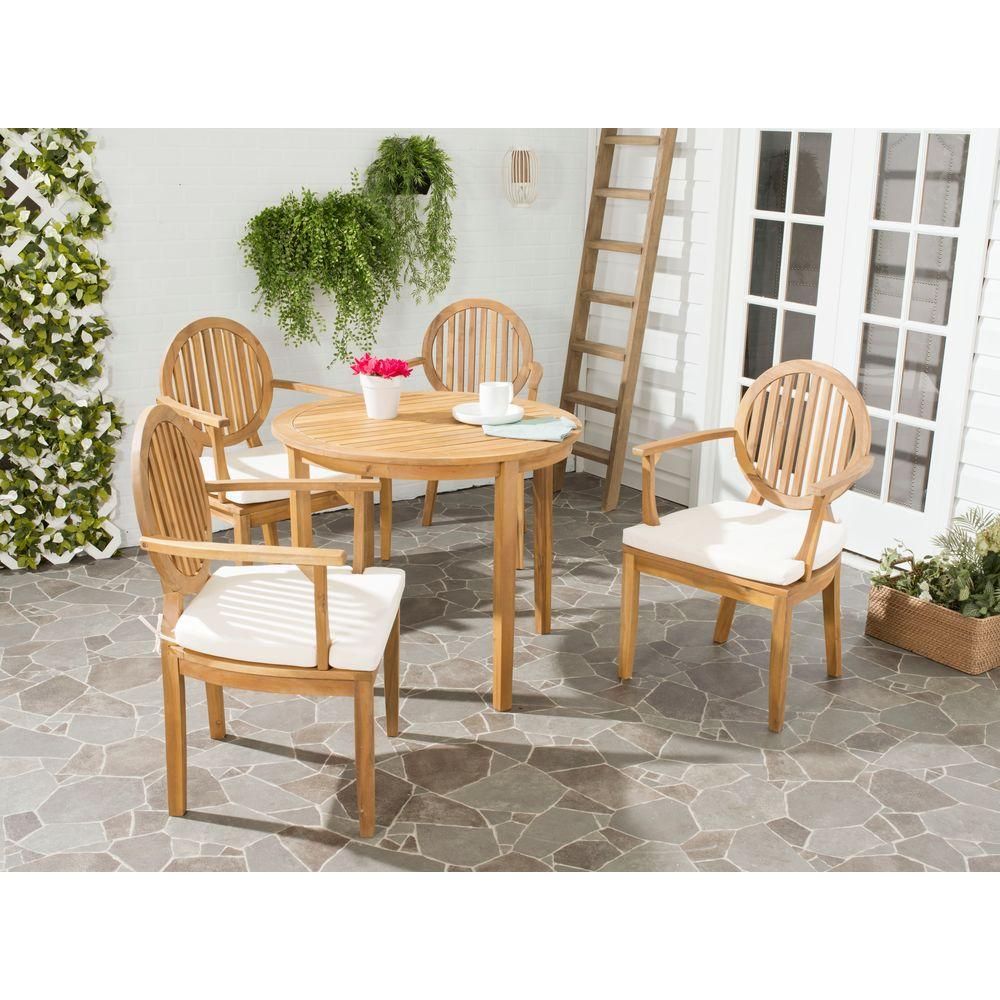
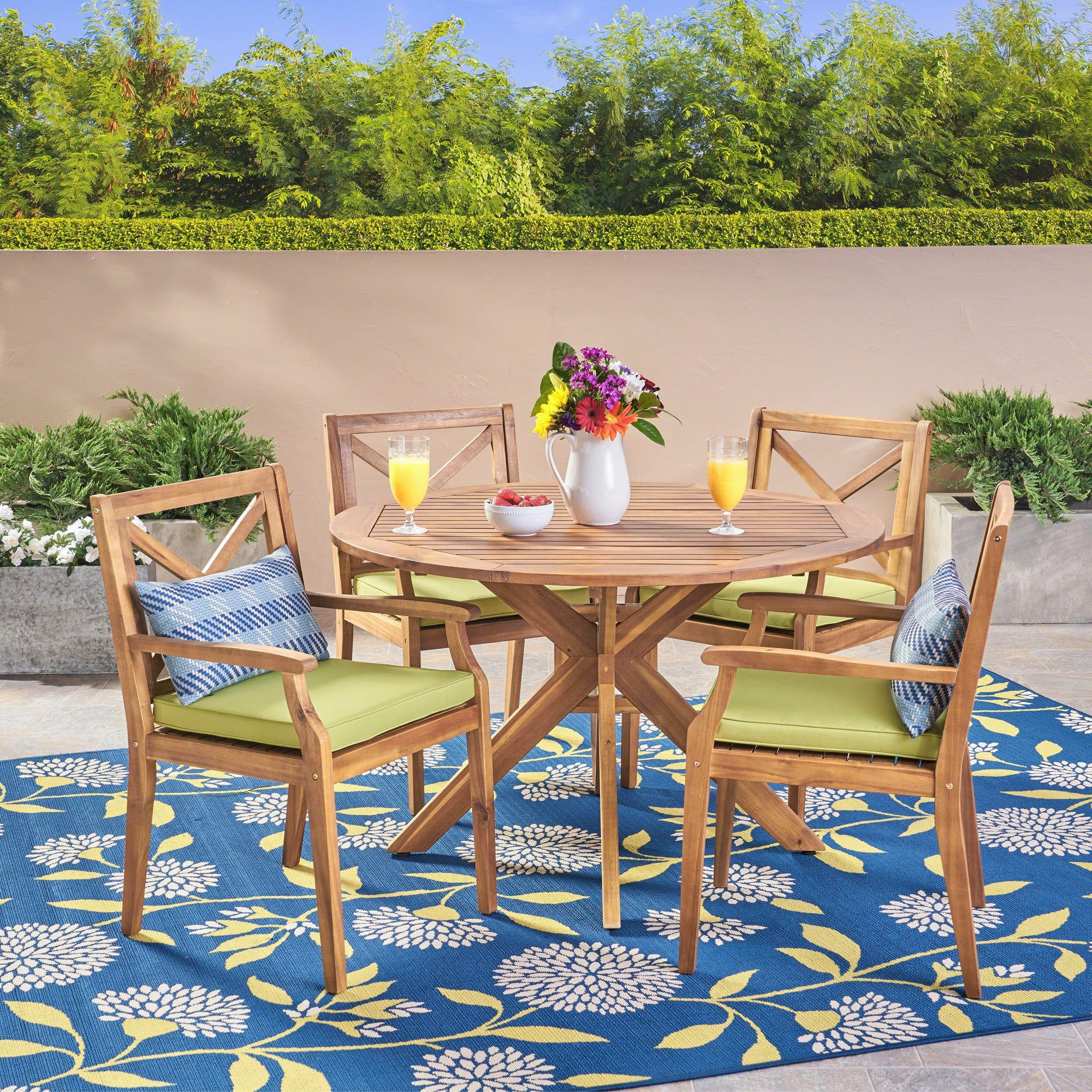
Teak furniture has been gracing homes and gardens for centuries, and for good reason. This remarkable wood possesses properties that make it exceptionally suited for year-round use, whether indoors or out. But with so many options available, how do you distinguish between quality pieces and those that will disappoint? The secret lies in understanding what makes genuine teak special and recognizing the telltale signs of craftsmanship that ensure longevity.
When it comes to outdoor furniture, few materials command the respect and admiration that teak does. This tropical hardwood has earned its reputation not just for beauty, but for durability that spans decades. But before you invest in that dream teak dining set or cozy lounge chairs, there’s more to consider than just the wood’s appearance. The reality is that not all teak is created equal, and the difference between a piece that will serve you faithfully for years versus one that fades quickly can be subtle yet significant. What separates the wheat from the chaff when it comes to choosing quality teak furniture?
Understanding Teak’s Natural Properties
Teak contains high levels of silica and oils that make it incredibly resistant to moisture, insects, and decay. These natural compounds act like a protective shield, allowing teak to withstand harsh weather conditions without warping or splitting. Unlike many woods that require extensive treatment, teak’s inherent qualities mean it can handle rain, sun, and temperature changes with minimal maintenance. The wood’s tight grain structure also contributes to its strength and stability, making it ideal for furniture that sees regular use. When you hold a genuine teak piece, you’ll notice its smooth texture and rich golden-brown color that deepens over time. This natural aging process adds character rather than detracting from the piece’s appeal. The oil content in teak also means it doesn’t require frequent sealing or staining, unlike other hardwoods that need annual treatments to maintain their appearance.
Identifying Genuine Teak vs. Substitutes
Not every piece labeled as ‘teak’ is actually made from the real thing. Many manufacturers use cheaper alternatives like ipe or bamboo, or even pressure-treated lumber, to mimic teak’s look while cutting costs. Genuine teak furniture should have a distinctive golden hue that develops naturally over time. Look for the characteristic tight grain pattern and feel the smooth surface texture. Real teak often has small holes or knots that are part of its natural character rather than flaws. Be wary of pieces that appear too perfect or overly uniform in color. A simple test involves running your finger along the wood’s surface – genuine teak feels smooth and slightly oily due to its natural oils. You might also notice a slight sweet smell when handling new teak pieces. Quality teak furniture will often have a certificate of authenticity or documentation showing its source. If the price seems suspiciously low for what appears to be solid teak construction, it’s worth investigating further. Remember, the best teak furniture is usually priced higher because of its superior quality and longevity.
The Importance of Proper Construction Techniques
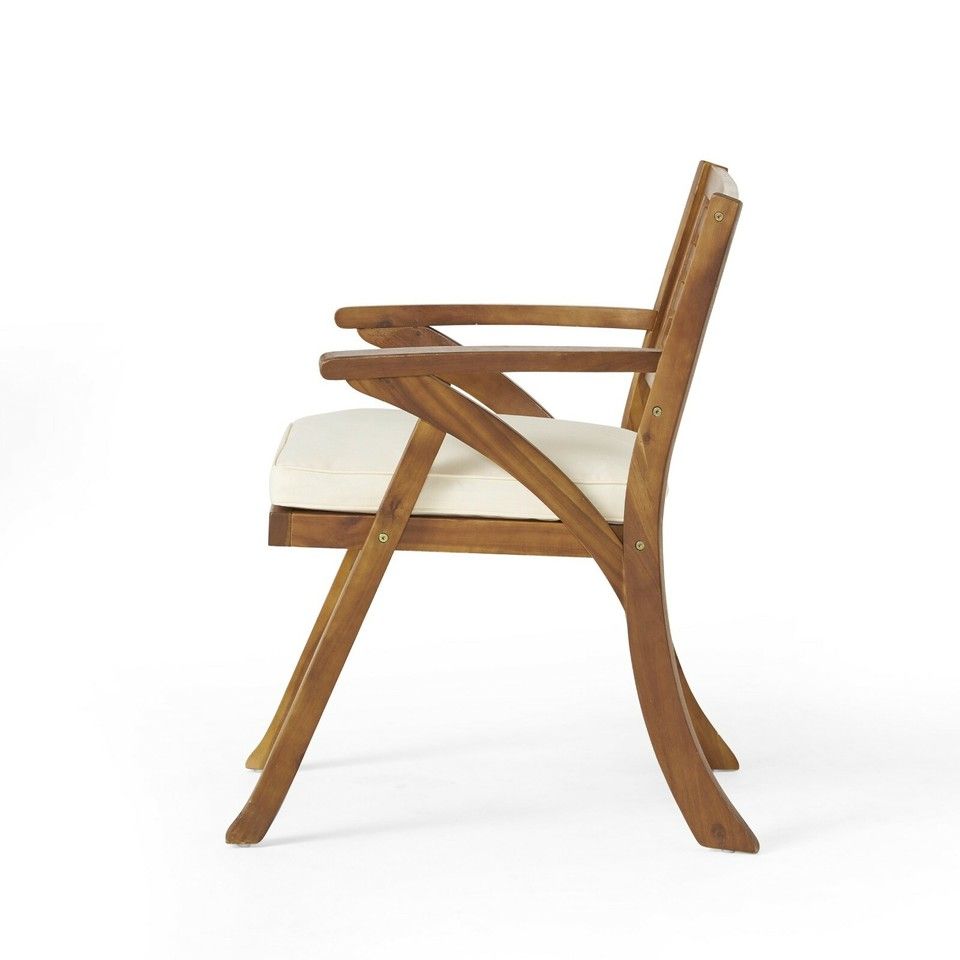
Even the finest teak can fail if it’s poorly constructed. Quality teak furniture relies heavily on joinery methods that ensure strength and stability over time. Look for furniture that uses mortise and tenon joints, which create strong connections that won’t loosen with age. Avoid pieces that rely solely on screws or glue, especially in stress-bearing areas. The craftsmanship should be evident in how pieces fit together seamlessly. Good teak furniture often features hand-finished details that show attention to detail. Check that the furniture sits level and stable on all surfaces. The hardware used should complement the wood’s natural beauty rather than clash with it. Quality pieces typically use stainless steel or brass fittings that won’t rust or corrode over time. Pay attention to how the wood grains flow through the piece – they should be consistent and natural-looking rather than forced or artificial. The overall design should balance aesthetics with practicality, ensuring that the furniture not only looks good but also functions well under daily use.
Seasonal Considerations for Year-Round Use
While teak is designed to handle all weather conditions, proper care during different seasons can extend its life even further. During winter months, protect teak furniture from prolonged exposure to freezing temperatures and excessive moisture. Even though teak is freeze-resistant, water trapped in crevices can cause issues. In spring, clean your teak furniture thoroughly to remove any accumulated dirt or debris from winter storage. Summer brings intense UV rays that can fade any wood, but teak’s natural oils provide excellent protection. Fall is the perfect time to inspect your teak pieces for any signs of wear or damage. Regular cleaning with mild soap and water helps maintain the wood’s appearance. Some people prefer to apply a light coat of teak oil annually to enhance the wood’s natural luster. However, avoid heavy treatments that can build up and create an unnatural finish. Consider using furniture covers during extended periods of non-use to protect against dust and environmental elements. The key is maintaining the wood’s natural state rather than trying to alter it completely.
Maintenance Tips for Longevity
Proper maintenance is crucial for keeping teak furniture looking beautiful for decades. Regular cleaning with a soft cloth and mild soap solution removes dirt and debris that accumulate over time. For deeper cleaning, use a soft-bristled brush to reach between the wood grains. Avoid harsh chemicals or abrasive cleaners that can damage the wood’s natural oils. The wood’s natural patina is actually a sign of healthy aging rather than deterioration. If you notice any splinters or rough spots, gently sand them smooth with fine-grit sandpaper. Address any minor scratches or dents promptly to prevent them from worsening. Teak furniture doesn’t require frequent refinishing, but occasional light sanding can restore its smooth appearance. Applying a thin layer of teak oil every few years helps maintain the wood’s luster and protects against moisture. Store teak furniture properly during extreme weather conditions to prevent unnecessary stress on the wood. Simple steps like wiping down pieces after use and keeping them covered when not in use can significantly extend their lifespan.
Making Smart Purchasing Decisions
Buying quality teak furniture requires research and patience. Start by visiting reputable retailers or manufacturers known for their craftsmanship and quality control. Read customer reviews and ask about warranty policies before making a purchase. Consider buying directly from manufacturers when possible, as this often ensures better quality control and support. Take time to examine each piece carefully, checking for consistent color, proper joinery, and overall construction quality. Don’t rush into decisions based on first impressions alone. Quality teak furniture often comes with a higher upfront cost, but it represents a sound investment that pays dividends over many years. Compare prices across different retailers, but remember that extremely low prices may indicate poor quality materials or workmanship. Look for pieces that offer both aesthetic appeal and practical functionality. Consider the size and scale of the furniture in relation to your space. Quality teak furniture should feel substantial and well-balanced in hand, indicating solid construction. Finally, think about your lifestyle and how the furniture will be used daily to ensure you’re making the right choice for your needs.
Selecting quality teak furniture isn’t just about finding something that looks good – it’s about investing in pieces that will bring joy and functionality to your home for generations. The key lies in understanding what makes genuine teak special and recognizing the craftsmanship that separates quality pieces from those that will disappoint. Whether you’re setting up a new outdoor dining area or refreshing your indoor spaces, taking the time to choose wisely will pay off in the long run. Remember that the best teak furniture combines natural beauty with exceptional durability, creating pieces that age gracefully rather than fade away. With proper care and attention, quality teak furniture becomes a treasured part of your home’s story, telling tales of craftsmanship and lasting beauty that extend far beyond the initial purchase. The investment you make today in quality teak furniture is an investment in years of reliable service and enjoyment.