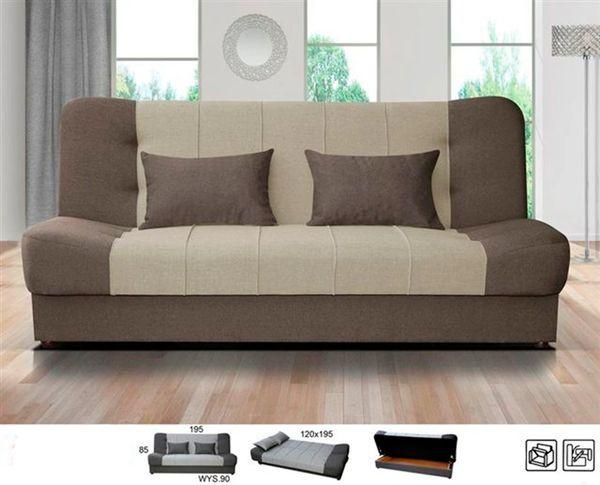
Imagine walking into a room where your furniture adapts to your needs instantly. Where a coffee table transforms into a workspace, or where a sofa becomes a bed with the touch of a button. This isn’t science fiction anymore – it’s happening right now in homes around the world.
We’ve all been there. You’re trying to fit a new piece of furniture in a space that feels too small, or you’re struggling to find the perfect spot for something that could serve multiple purposes. The modern home faces a constant battle between limited space and unlimited needs. But what if we told you that furniture is evolving beyond its traditional role? What if your couch could become a dining table, or your desk could fold away when you’re done working? These aren’t just dreams anymore – they’re realities shaping how we live every day.
The Rise of Multi-Functional Design
Think about it – most of us have furniture that sits unused for months at a time. A dining table that only gets used during holidays, or a guest chair that collects dust in the corner. Multi-functional design addresses this waste head-on. These innovations don’t just save space; they transform entire room dynamics. Consider a storage ottoman that doubles as a coffee table, or a bookshelf that converts into a room divider. The magic happens when designers realize that furniture doesn’t have to be static. It can morph, adapt, and serve various roles seamlessly. This evolution makes the most of every square foot while maintaining aesthetic appeal. Modern consumers are increasingly drawn to pieces that offer flexibility without compromising style.
Smart Technology Integration
The line between furniture and technology is blurring faster than ever. Smart furniture incorporates sensors, motors, and connectivity features that respond to user needs automatically. Picture a bed that adjusts its firmness based on your sleeping habits, or a desk that automatically changes height to suit your work preferences. These aren’t futuristic concepts – they’re available today. The integration works through simple smartphone apps or even voice commands. Some pieces come with built-in charging stations, LED lighting, or even built-in speakers. What makes this particularly exciting is that the technology is becoming more affordable and accessible. No longer do you need to sacrifice functionality for aesthetics. Today’s smart furniture manages to be both beautiful and highly functional.
Space-Saving Solutions for Urban Living
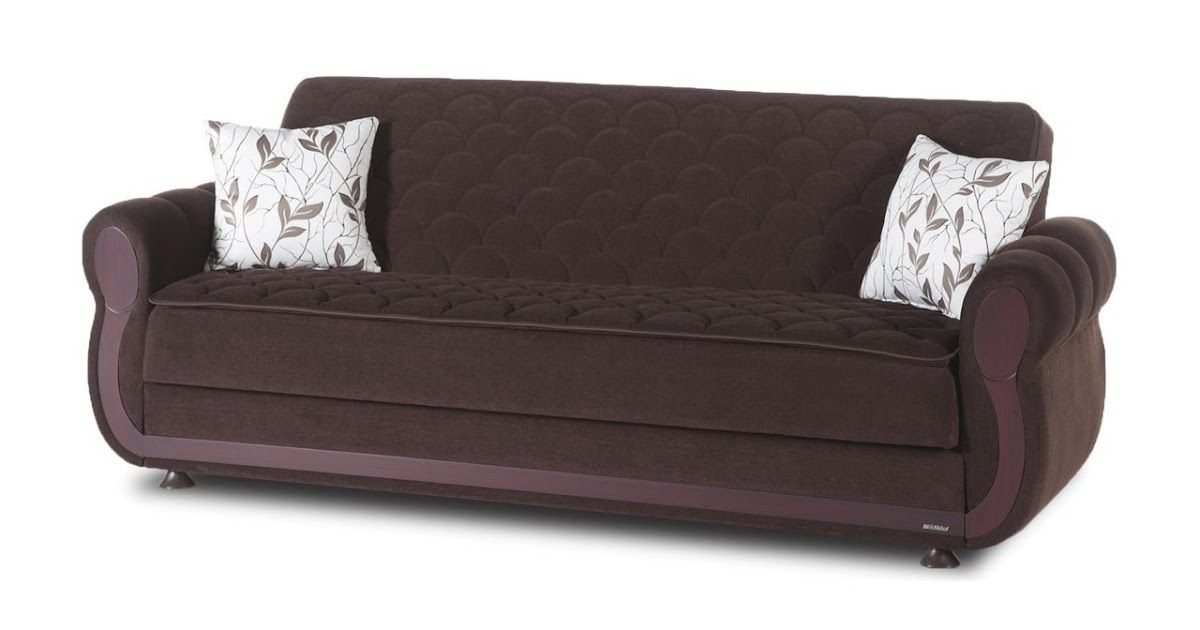
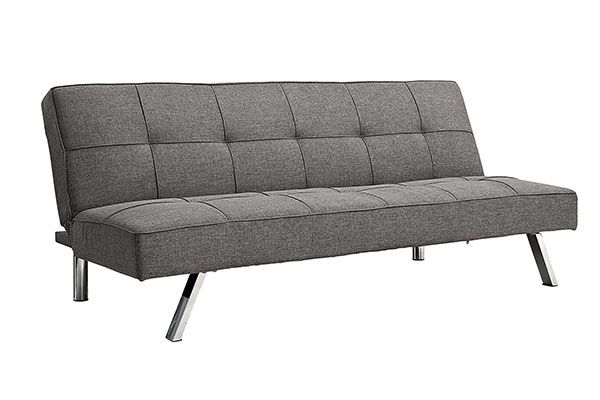
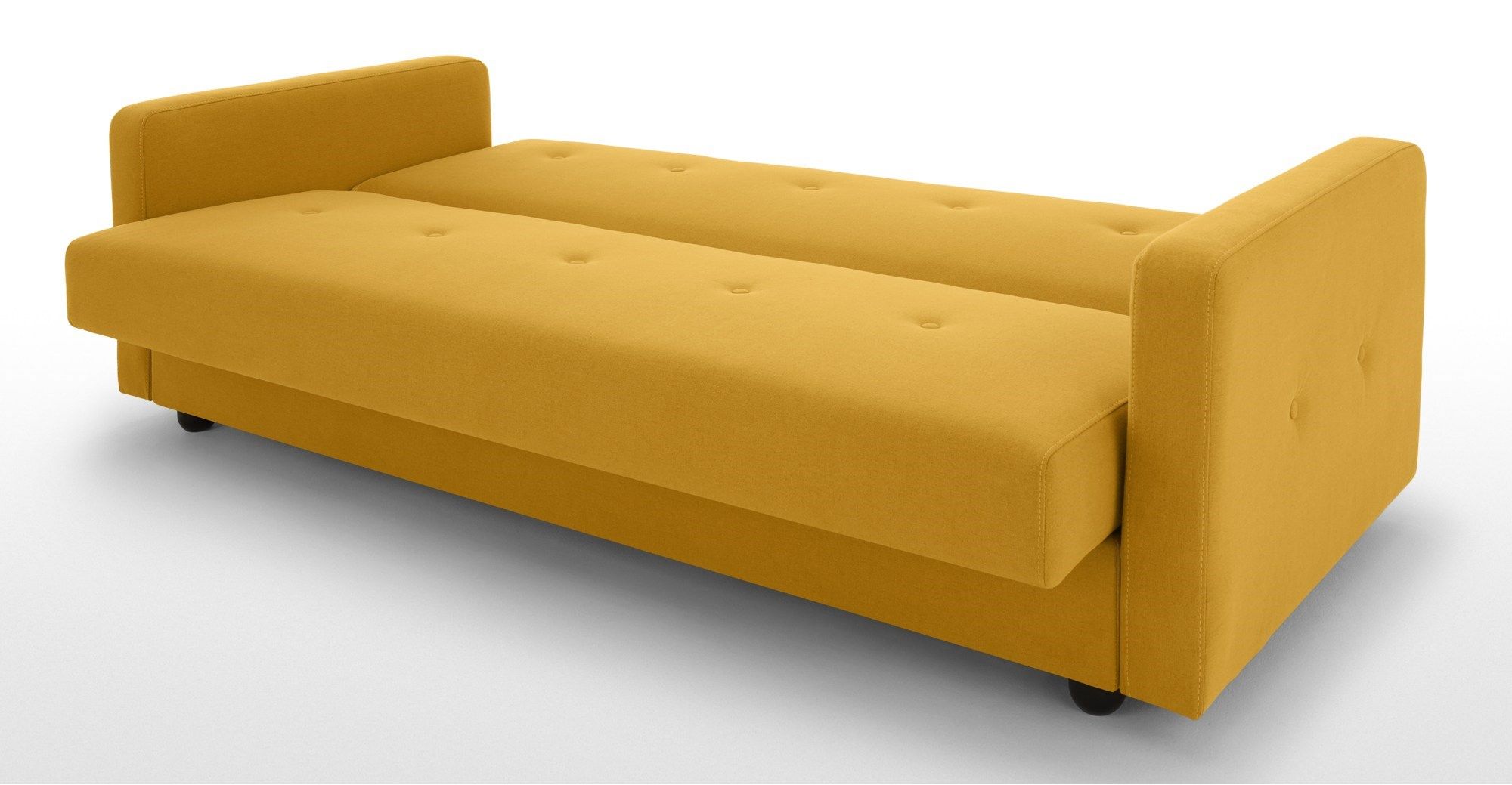
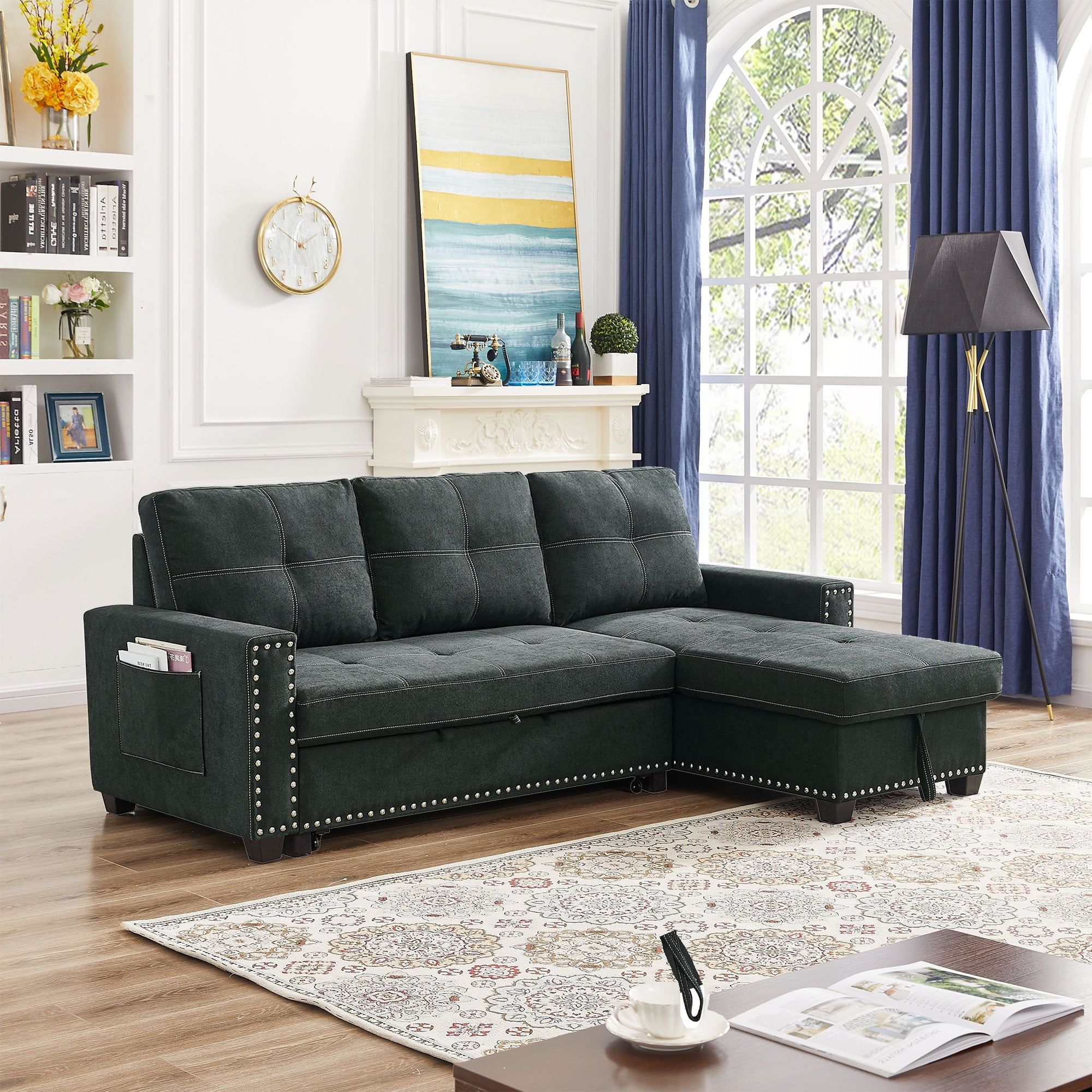
City dwellers face unique challenges when it comes to housing. Small apartments mean smaller spaces, and smaller spaces mean bigger problems. This is where versatile furniture shines brightest. Murphy beds that fold up against walls, nesting tables that stack neatly, and convertible sofas that serve double duty as guest beds. These solutions are designed specifically for urban environments where every inch matters. They represent a fundamental shift in how we think about living spaces. Instead of having to choose between comfort and practicality, residents can enjoy both. The key is finding furniture that maximizes utility without sacrificing comfort. Many of these innovations come from designers who live in cramped spaces themselves, understanding exactly what people need in their daily lives.
Health and Ergonomic Benefits
Versatile furniture isn’t just about saving space – it’s also about improving health and well-being. Adjustable desks that let you alternate between sitting and standing throughout the day help combat the negative effects of prolonged sitting. Ergonomic chairs that support proper posture can reduce back pain significantly. Some furniture even includes features that encourage movement and better body positioning. For families with children, convertible furniture often means more comfortable spaces for play and learning. The health benefits extend beyond physical comfort to mental wellness. When people feel comfortable in their environment, they’re more likely to be productive and happy. This connection between furniture and health is becoming more important as people spend more time at home.
Economic Advantages and Value
Buying one piece of furniture that does three jobs is often more cost-effective than purchasing three separate items. This economic advantage becomes even more apparent when considering the longevity of quality versatile furniture. Rather than buying multiple items that may get damaged or worn out over time, investing in a few high-quality multi-purpose pieces can provide better long-term value. The upfront cost might seem higher, but when you factor in the reduced need for additional purchases, the savings add up quickly. Plus, versatile furniture tends to hold its value better in resale situations because of its practical appeal. People are increasingly recognizing that good design pays off in the long run, especially when it reduces clutter and increases functionality.
Environmental Impact and Sustainability
The environmental benefits of versatile furniture are often overlooked but incredibly significant. When fewer pieces of furniture are needed to fulfill multiple functions, the overall environmental impact decreases. Less manufacturing means fewer resources consumed and less waste generated. Many innovative pieces are made from sustainable materials like reclaimed wood or recycled metals. The reduction in the number of items people purchase also means less packaging waste and reduced transportation emissions. Some companies are taking this further by designing furniture that can be easily disassembled and repurposed. This circular approach to furniture design helps reduce the carbon footprint of our homes while still meeting our functional needs.
Versatile furniture innovation represents more than just a trend – it’s a fundamental shift in how we approach home living. As our lives become increasingly dynamic and our spaces more constrained, the ability to adapt furniture to changing needs becomes invaluable. From smart technology integration to space-saving solutions, these innovations address real-world challenges that affect millions of people daily. The future of furniture isn’t about looking pretty – it’s about serving people better, more efficiently, and more sustainably. Whether you’re navigating a tiny apartment or managing a busy family schedule, versatile furniture offers solutions that make daily life simpler and more enjoyable. The transformation is already happening in homes everywhere, and it’s changing how we think about comfort, functionality, and space management. What started as clever design solutions is now reshaping entire lifestyles, proving that sometimes the best innovations come from simply asking ‘what if?