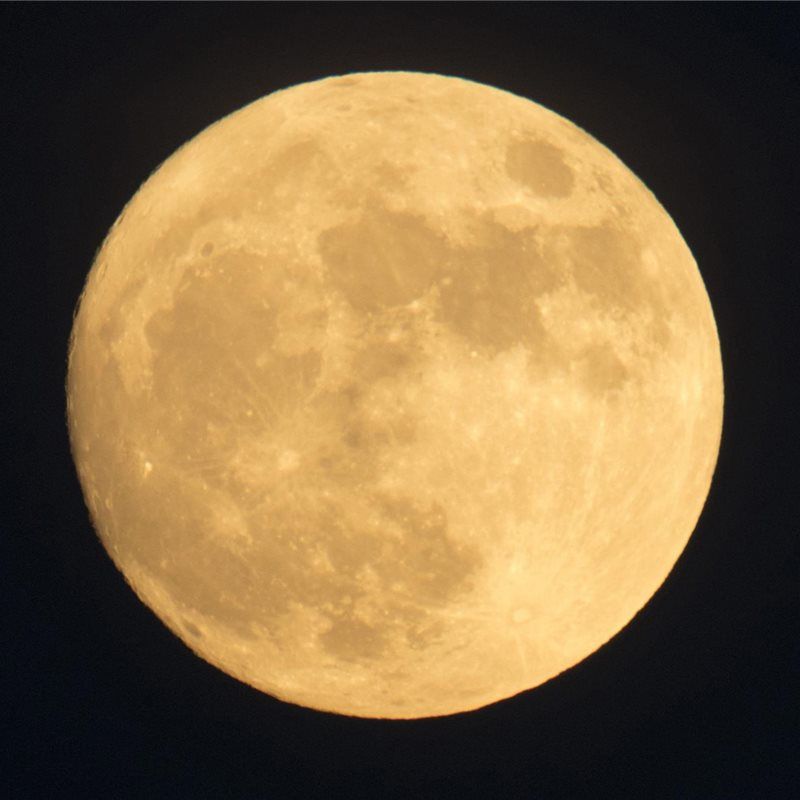
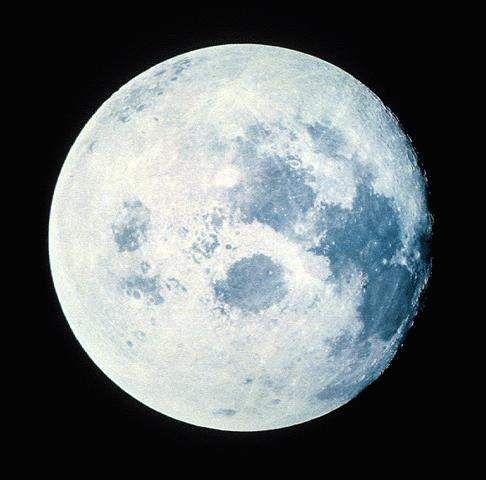
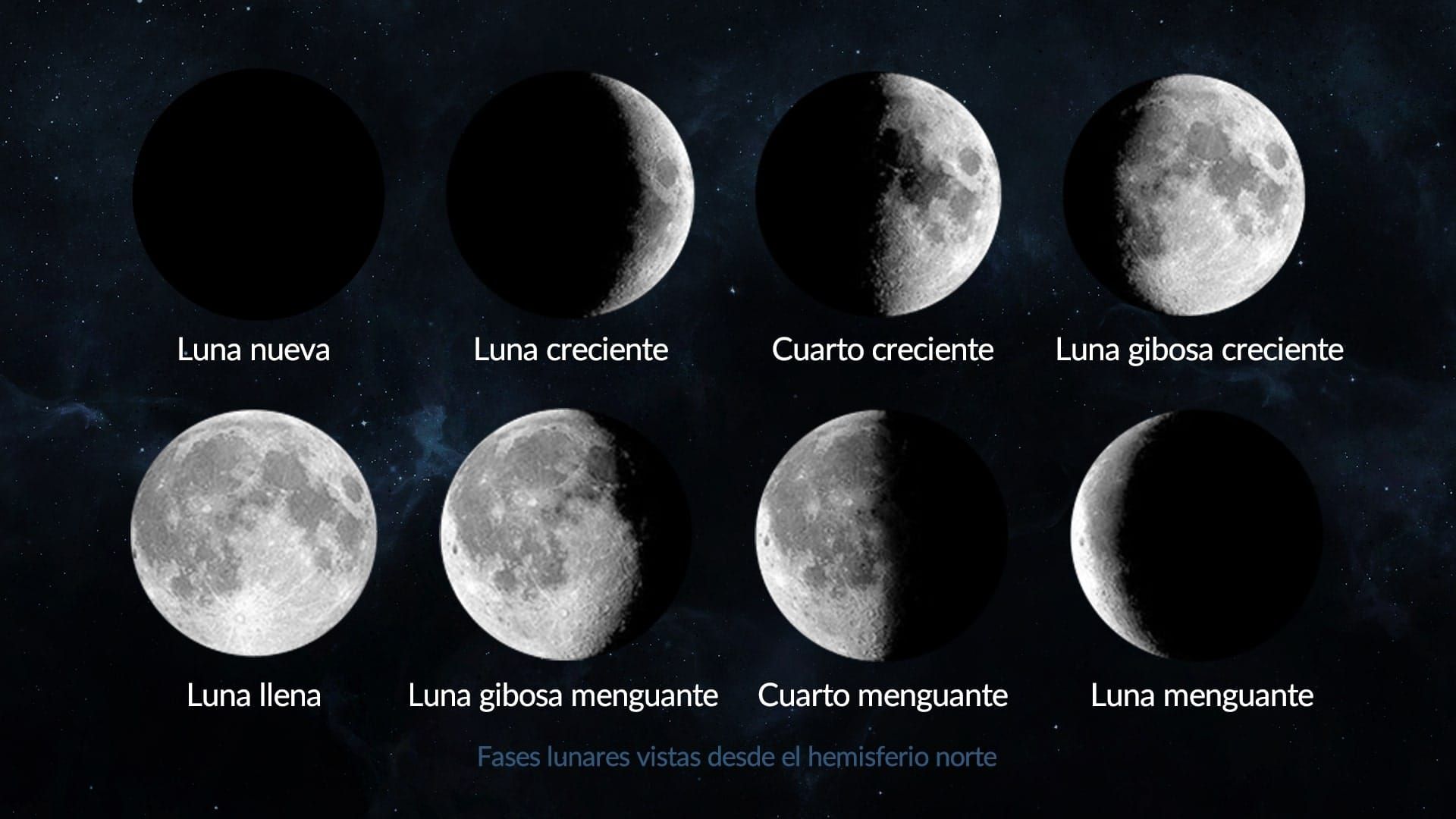
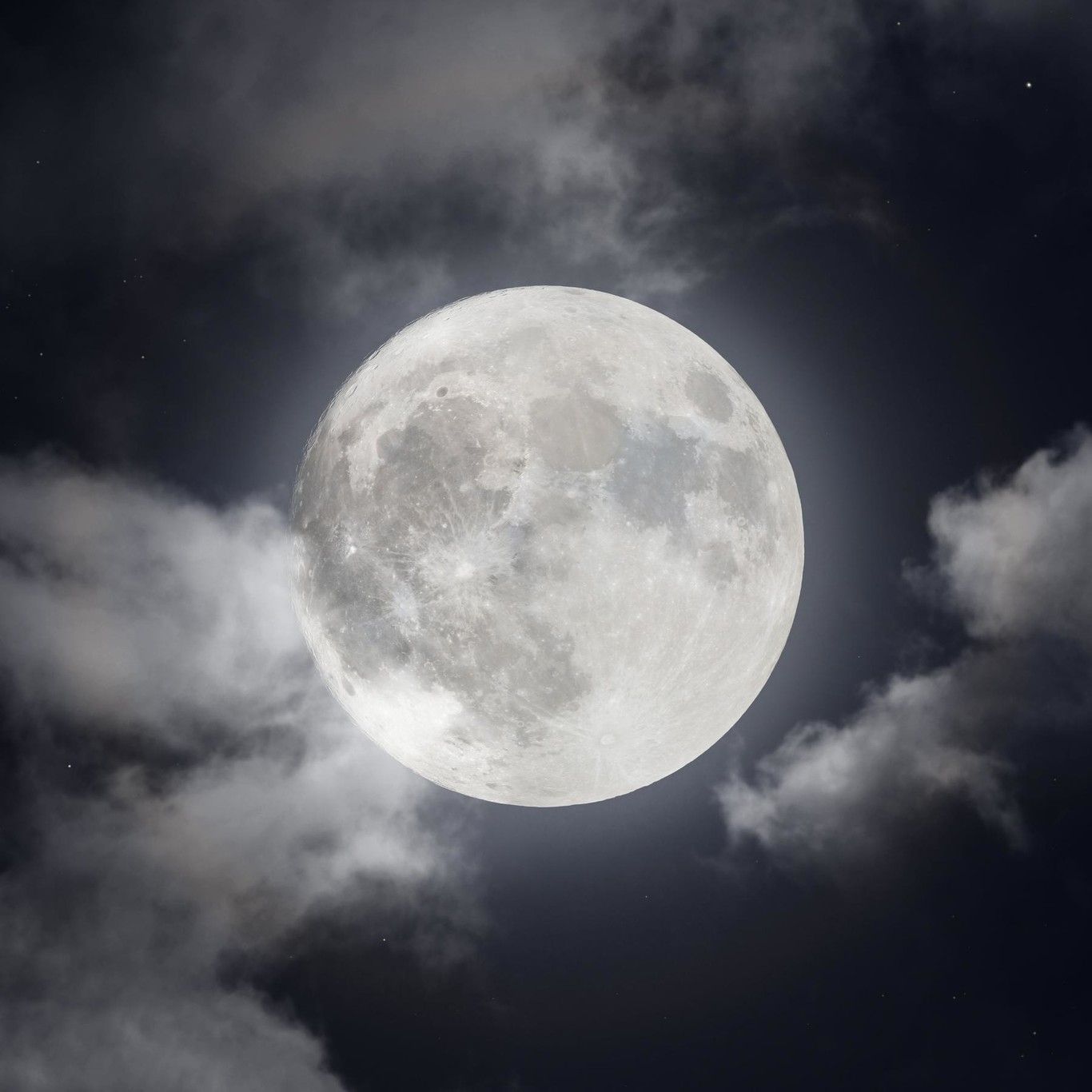
We all know the moon – that bright, silvery orb gracing our night sky. But what if I told you there’s more to Luna than meets the eye. Far more. Beyond the well-trodden maria and the starkly illuminated highlands lie areas that, to the trained eye and with the right data, reveal a different story. These are the ‘dark blue regions’, a term that might sound poetic, but represents a fascinating scientific reality about our celestial neighbor. Let’s embark on a journey to understand what these regions are and why they matter.
When we think of the Moon, we often picture a world of grays and whites, punctuated by the deep blacks of shadows. But what if the Moon, in certain spectral analyses, shows hues of blue? This isn’t science fiction; it’s a tangible aspect of lunar geology that scientists have been carefully studying. These ‘dark blue regions’ aren’t visually blue to the naked eye, mind you. Instead, they represent areas on the lunar surface that reflect light differently, particularly in the near-infrared spectrum. Understanding these subtle differences is key to unlocking secrets about the Moon’s formation, its volcanic history, and even the distribution of certain minerals. It’s like finding hidden pigments on an otherwise monochrome canvas, offering a richer, more detailed portrait of our closest cosmic companion. Ready to explore these intriguing zones?
What Exactly Are These ‘Dark Blue Regions’?
So, let’s get down to it. These ‘dark blue regions’ are not literal patches of cobalt or sapphire on the Moon’s surface. Instead, their designation comes from how they appear when scientists analyze data from spacecraft equipped with specialized instruments, like spectrometers. These tools measure how much light is reflected from the lunar surface at different wavelengths. Certain minerals, when bombarded by solar wind and cosmic rays over billions of years, undergo subtle chemical changes. These changes affect how they absorb and reflect light. In the near-infrared part of the spectrum, some of these altered minerals, particularly those rich in iron and titanium, show a distinct spectral signature that, when mapped and color-coded, appears as a ‘dark blue’. Think of it like a special filter that reveals details you wouldn’t otherwise see. It’s a way of seeing the Moon’s composition in a new light, quite literally.
The Science Behind the Hue: Mineralogy and Composition
The blueish tint, as we’ve touched upon, is all about the Moon’s rocky makeup. Specifically, these regions are often associated with areas that have a higher concentration of certain minerals. The primary suspects are minerals containing iron, like olivine and pyroxene. Over eons, the constant bombardment of charged particles from the sun – what we call the solar wind – interacts with the surface. This process, known as space weathering, alters the chemical structure and physical properties of these minerals. The iron atoms within them get ‘reduced’, meaning they gain electrons. This reduction process changes how these minerals absorb and reflect light, leading to that characteristic spectral ‘blue’ response in the near-infrared. It’s a geological fingerprint, telling us about the specific types of rocks present and how they’ve been affected by the harsh space environment. It’s a testament to how subtle variations in chemistry can lead to observable differences, even across vast cosmic distances.
Where Do We Find Them and What Do They Tell Us?
These dark blue regions aren’t scattered randomly; they tend to cluster in specific areas that offer clues about the Moon’s history. You’ll often find them in and around impact craters and basins, as well as in some of the older highland regions. Why is this significant? Well, impacts are major geological events. When a meteorite strikes the Moon, it excavates material from deep beneath the surface, bringing up ancient rocks and minerals that might not otherwise be exposed. The dark blue signatures in these areas suggest that the material brought to the surface by these impacts is rich in those iron-bearing minerals we discussed. Furthermore, their presence in older geological formations helps us understand the initial composition of the Moon’s crust and mantle. It’s like looking at the Moon’s ancient geological diary, with the dark blue regions acting as specific entries detailing its early chemical makeup and the processes that shaped it.
Implications for Lunar Exploration and Resource Utilization
Understanding the distribution of these mineral-rich areas has practical implications, especially as we look towards future lunar exploration and potential resource utilization. Knowing where these iron-rich deposits are can be incredibly valuable. Iron is a crucial element for various applications, from construction materials on the Moon to potentially even rocket fuel components. By mapping these dark blue regions, scientists and engineers can identify promising sites for future robotic and human missions, areas where valuable resources might be more readily accessible. It’s not just about pure scientific curiosity; it’s about strategically planning our next steps on the Moon. Imagine being able to ‘mine’ the Moon for resources – these spectral maps are the first step in that ambitious endeavor, guiding us to the most promising geological locations.
Tools of the Trade: How We Detect These Regions
Detecting these subtle spectral differences requires sophisticated technology. We’re not talking about looking through a backyard telescope here. The information that reveals these dark blue regions comes from advanced instruments aboard lunar orbiters and, in some cases, landers. Spectrometers are the key players. These devices work by splitting light into its constituent wavelengths, much like a prism separates white light into a rainbow. By measuring the intensity of light reflected at specific wavelengths, particularly in the near-infrared, scientists can identify the chemical and mineralogical makeup of the surface. Missions like NASA’s Lunar Reconnaissance Orbiter (LRO) and various international probes have carried these vital instruments, gathering vast amounts of data that allow us to create these detailed spectral maps. It’s a testament to human ingenuity and our persistent drive to understand our surroundings through precise measurement and observation.
The Bigger Picture: What They Reveal About Lunar Evolution
Ultimately, the study of these dark blue regions contributes to a larger understanding of how the Moon evolved from its fiery beginnings to the relatively inert body we see today. They provide evidence for the types of volcanic processes that occurred on the Moon, the nature of its early crust, and how it has been altered by impacts and solar radiation over billions of years. Each spectral signature, each discernible ‘blue’ region, is a piece of a grand cosmic puzzle. They help us refine our models of lunar formation, understand the differentiation of its interior, and even shed light on the processes that affect planetary bodies throughout the solar system. It’s about piecing together the Moon’s life story, chapter by chapter, spectral hue by spectral hue.
So, the next time you gaze up at the Moon, remember that its story is far richer than its visible surface suggests. Those ‘dark blue regions’, revealed through the keen eye of scientific instruments, are more than just an interesting geological quirk. They are windows into the Moon’s past, indicators of its mineral wealth, and vital clues in our ongoing quest to understand our celestial neighbor. They remind us that even in the seemingly familiar, there are always deeper layers of knowledge waiting to be uncovered. The Moon, it turns out, has a more complex and colorful history than we might ever have imagined.